



Since 2006, AfryKamera festival has been introducing Polish audiences to the world of African cinema. Its goal is to showcase stories created by African filmmakers and to present the continent’s countries through the perspectives of those living there. This year, Moroccan and North African creators take the spotlight. The organisers were drawn to the region as a meeting point for diverse traditions, languages and histories.
This year, the festival runs from 23 to 29 November, and the films are presented in two Warsaw cinemas: the Atlantic and Amondo. Afterwards, the films will be available in selected cinemas in other Polish cities and online. The programme includes both works of fiction and documentaries, as well as a wide selection of short films, which are divided into five sections: AfryDaughters, AfryZigh, AfryGaze, Animafrica and AfryFutures.

The 21st edition explores the idea of Ubuntu — ‘I am because we are’. Originating from Bantu languages, the term ubuntu conceptualises people’s dependence on one another as a core value of humanity. Inspired by the festival’s theme, here is our selection of five movies that explore themes of community and togetherness.
Transes (1981), dir. Ahmed El Maanouni
Ahmed El Maanouni’s film is a portrait of Nass El Ghiwane, a band that revolutionised Moroccan music. They combined poetry, ritualistic sounds and stage energy to forge a style that captivated listeners at home and abroad. By transforming the ritual trance, rooted in the spiritual practices of the Gnawa people, their music managed to bridge the past and the present. They became the voice of the new generation without distancing themselves from their tradition.
The film documents the musicians’ lives, both onstage and offstage. Their songs serve as a living archive of a culture during the times of profound social change. After the screening in Amondo on Friday, 27 November, audiences will have the opportunity to speak to the director, who will be attending the festival in person.

Bouchra (2025), dir. Orian Barki and Meriem Bennan
Bouchura, a 35-year-old Moroccan filmmaker, is stuck in a creative block, unable to write. She is pulled out of it by a conversation with her mother, which brings back memories of her childhood and her home country. Past and present merge into a single journey that explores her emotional life and relationships.
This visually intriguing animated film for adults explores autobiographical and documentary elements through anthropomorphic characters such as a jackal, a cow, a lizard and a bear. The unusual form allows the film to approach the themes of love, the bond between mother and daughter, and family closeness in a tender and honest way.

Laundry (2025), dir. Zamo Mkhwanazi
Set in apartheid-era South Africa, Zamo Mkhwanazi’s film follows the story of Khuthala, a young, talented musician who dreams of playing jazz. However, after his father is arrested and brutally beaten, Khuthala is forced to take care of the family business — a laundry. To save his father, he has to abandon his own ambition and betray his closest friends.
The film explores apartheid from the perspective of the systemic destruction of a single family’s livelihood. Its central conflict lies between the state, which attempts to slowly erase young people’s dreams, and artists, who use jazz as a form of cultural resistance and a means of preserving memory that the authorities cannot entirely suppress.

About Some Meaningless Events (1974), dir. Mostafa Derkaoui
Banned in Morocco for many years, Mostafa Derkaoui’s film follows a group of young filmmakers as they wander the streets of Casablanca looking for a subject for their film. One day, they witness a crime — a dock worker accidentally kills his supervisor. The filmmakers decide to try to solve the case and discover the motives behind the tragedy.
The image blurs the boundaries between documentary and fiction, and is largely self-referential. The filmmaking process itself is part of the story and invites viewers to consider the role of cinema and the artist in society. Lost for many years, the film was rediscovered in the archives of the Filmoteca de Catalunya in Spain, restored and returned to screens after more than four decades.

Lady (2025), dir. Olive Nwosu
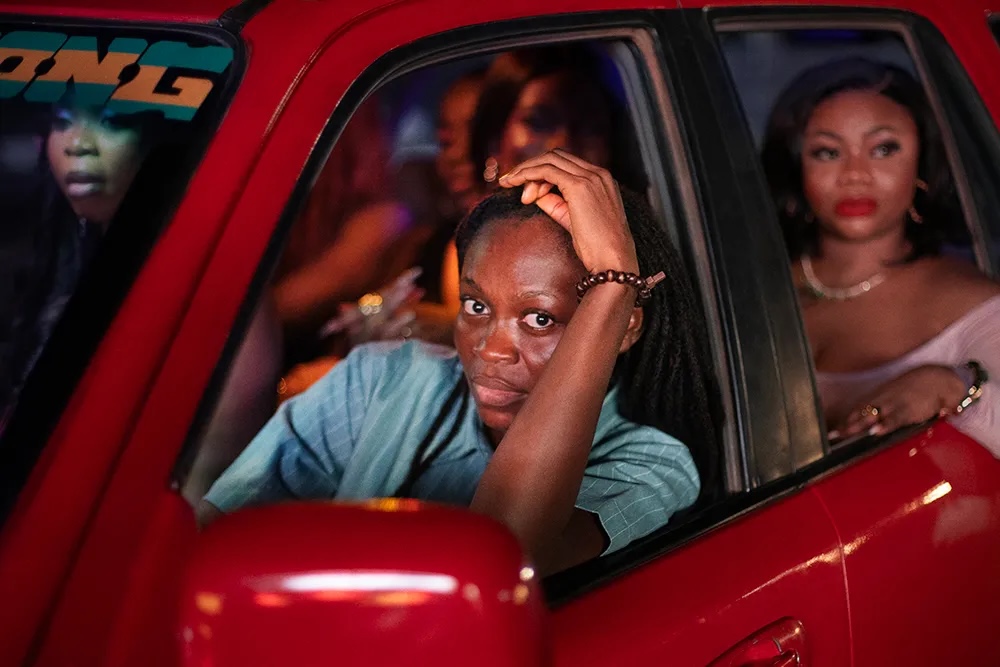
Set in Lagos, the film tells the story of Lady, one of the city’s few female cab drivers. She works at night, trying to save every penny to break free from the city and her own past. Unexpectedly, she meets Pinky, her childhood friend, now working as a sex worker. Unwillingly pulled into her world, she soon becomes a driver for a whole group of Pinky’s friends. Mistrust and distance quickly turn into a deep sisterhood.
The film explores two ways of dealing with the past — escape and transformation. Ultimately, Lady has to deal with the trauma she had been running from. Trying to heal the old wounds, she finds a new sense of belonging and learns to see herself in a new light.