






For 34 years now, Toruń has had the privilege of hosting creators and artists from around the world at the ToruńCAMERIMAGE festival, a celebration of the visual art of filmmaking. From over 200 screenings to meetings with filmmakers, discussions, and workshops, the role of the cinematographer takes centre stage here, with their unique input and relationship with the director highlighted.
Though showcasing the diversity of the field through its many sections, the festival’s focal point has always been the Golden Frog Award — the grand prize in the Main Competition. It is awarded to movies that achieve an exceptional level of artistry and innovation in their use of image as a medium.
This year’s selection is filled to the brim with visually striking pieces. Some operate in shades of grey, finding meaning in its limitations. Some take full advantage of nature’s rich colours, while others remain confined to the unwelcome halls of concrete buildings. History and its exploration play a big part, with timelines intertwining and human emotion tipping the scales. Silence can be as rich in meaning as an orchestral suite, providing the backing track for reflections on morality and community. There is much to discover in the often grim worlds of these movies, each offering a unique glimpse into the human experience. Here we present a few of the main competitors, hoping that their characters illustrate those of the festival as a whole.
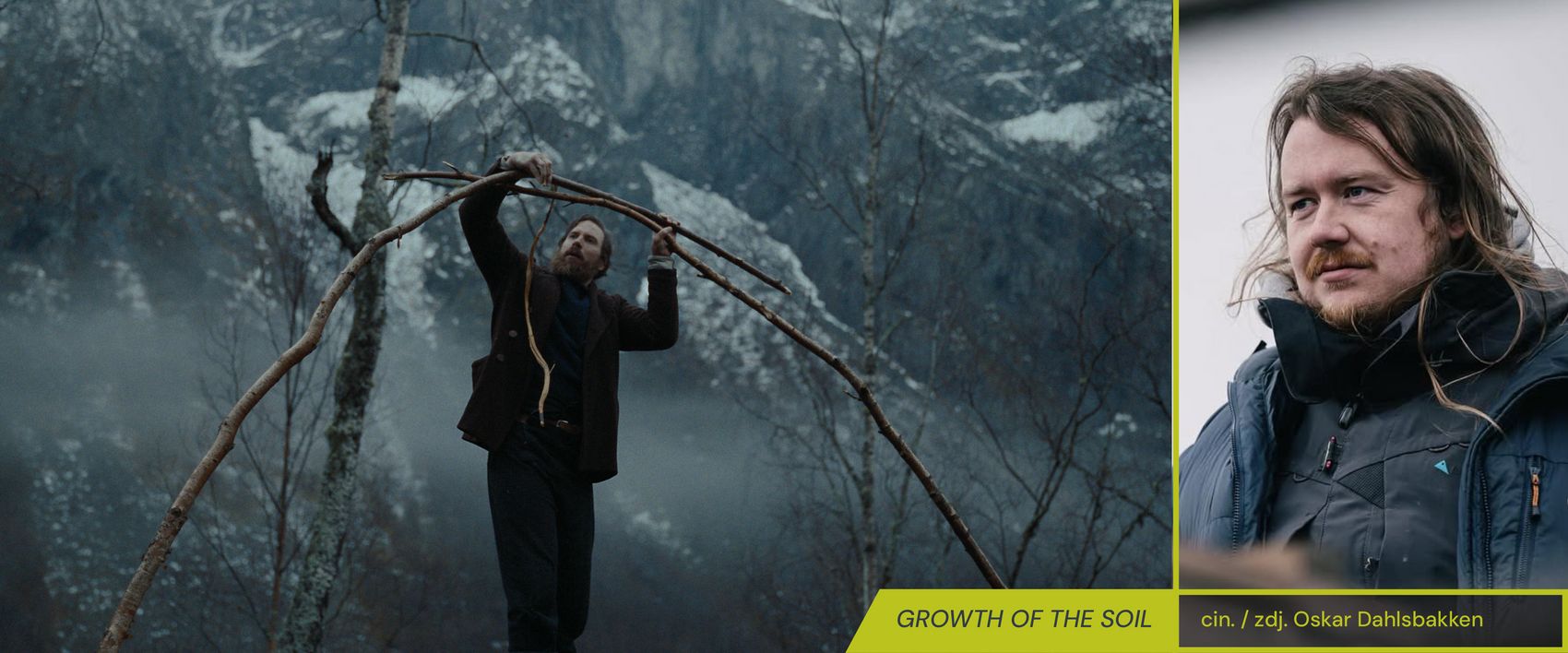
The Growth of the Soil (2026), dir. Hans Petter Moland
The raw ruthlessness of nature takes centre stage in this rural epic by Hans Petter Moland. Two people, determined to leave the past behind, are brought together in the unforgiving wilderness and decide to try and brave this harsh world together. A story of grit, hardship and chance connections sprawls into a dissection of community, change and forgiveness.
The sound of wind seems constant in the background of every scene, and so does the breathtakingly sombre landscape of Norway. At every turn, the wild and cold mountains remind the viewer of their danger; the forces of nature a foreboding presence throughout. The earth is inextricably connected to the lives of the characters, setting a slow yet unstoppable pace as the movie unfurls a rich tapestry, telling the story of Isak (Herbert Nordrum) and Inger (Asta Kamma August).
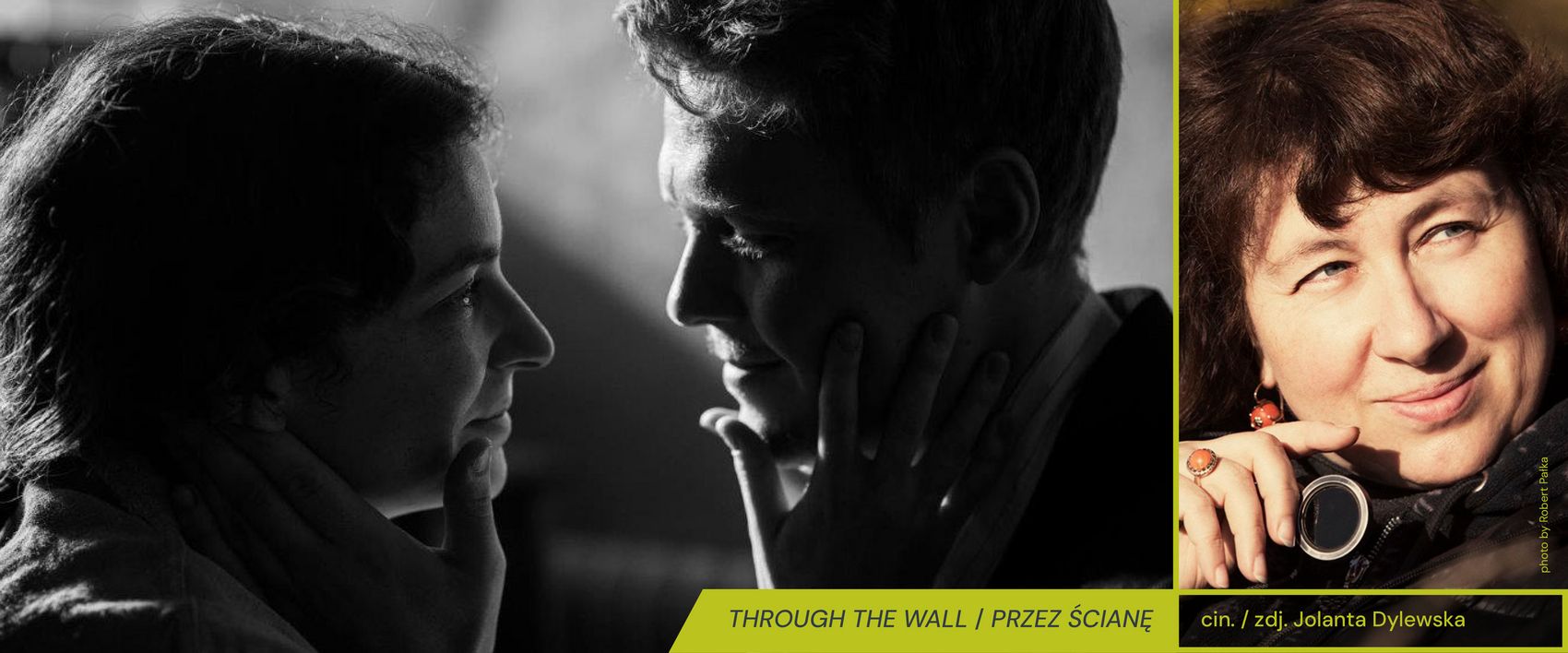
Through the Wall (2026), dir. Maciej Sobieszczański
The movie’s premise seems almost an antithesis of filmmaking. Set largely in the same, visually negligible room and delivering some of its most important dialogue through painstakingly slow translations of Morse code messages — much could go wrong. Yet Maciej Sobieszczański manages to deliver an astoundingly tender love story, set in an unforgiving era of Stalinist terror in Polish history.
The film recounts real events from the lives of Wiesława Pajdak (Maria Dębska) and Jerzy Śmiechowski (Jakub Gierszał), both incarcerated in the same prison. It follows the pair as they manage to form a connection, against all odds. A fleeting spark in a sea of dark despair — one they cling to in order to survive. Minimalist and subtle, the camerawork often focuses on the characters’ bodies, soft and fragile against the concrete walls. It does not shy away from the cuts and bruises — scars telling their own stories in a world beset by violence.
Minotaur (2026), dir. Andrey Zvyagintsev
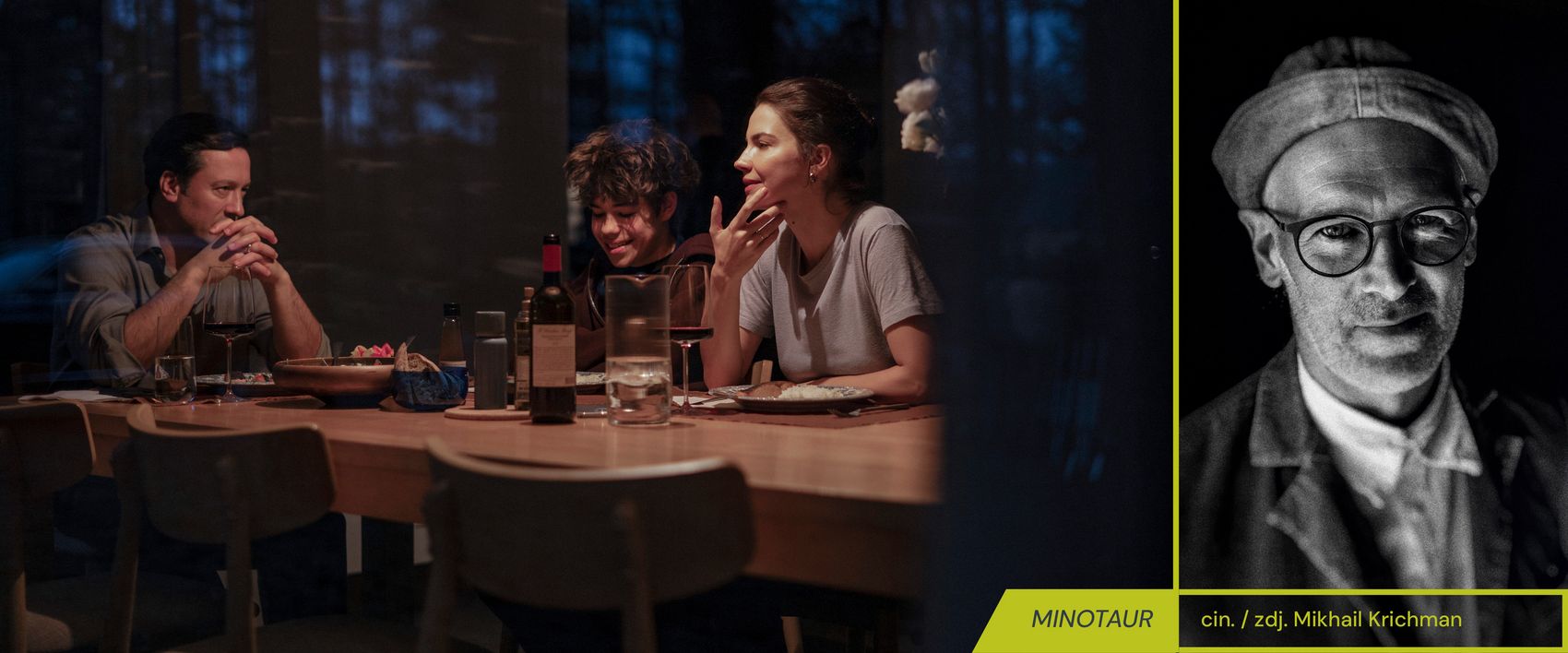
This is not an easy movie. While hardly any on the list are, this statement feels especially apt when it comes to Andrey Zvyagintsev’s latest. It is an adaptation of Claude Chabrol’s 1969 film The Unfaithful Wife. Though it otherwise follows the original plot quite closely, it implements an immense change by setting the story in Russia, in 2022 — not long after the invasion of Ukraine. There is no ignoring the historical aspect, and even though there is little direct mention of it in the first half, it remains an unsettling presence and a thematic core of the movie.
The spaces are dark, moody and unwelcoming. There is no warmth in the protagonist’s (Dmitriy Mazurov) house; just as there is none in his marriage. The discovery of his wife’s (Iris Lebedeva) affair sparks a chain reaction, dismantling the illusion of a perfect life they both strove to keep. The corrupt system is reflected in the privacy of his marriage, where the character becomes both an oppressor and one of the oppressed.
Fatherland (2026), dir. Paweł Pawlikowski
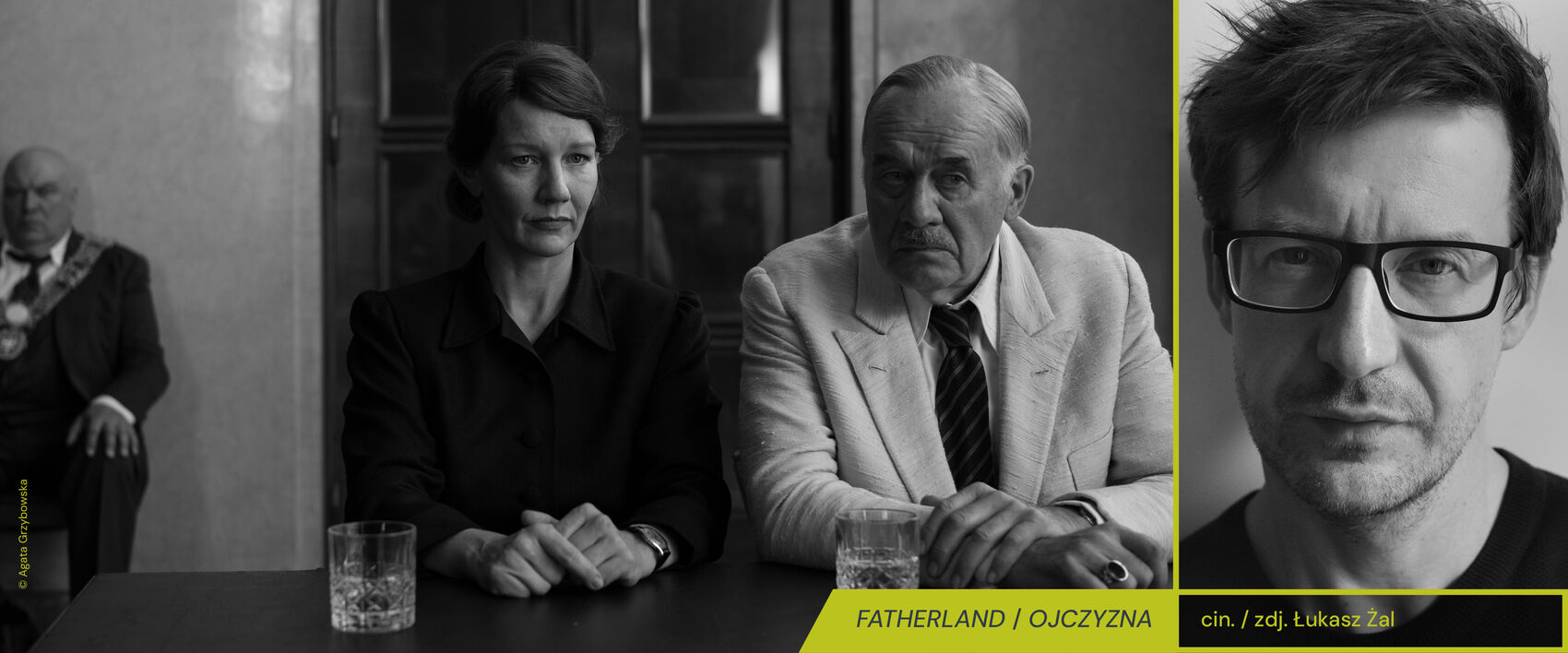
Neither the director, Paweł Pawlikowski, nor the cinematographer, Łukasz Żal, are strangers to this festival. Having previously been awarded both the Silver and the Golden Frog, Żal seems to compose each shot thoughtfully, conveying as much meaning as the words spoken on screen do.
The familiar black-and-white of Pawlikowski’s recent movies once again transports the viewer to the tumultuous post-war period of European history. The story follows acclaimed writer Thomas Mann (Hanns Zischler) as he travels with his daughter Erika (Sandra Hüller) across a torn-apart Germany. The differences between East and West are palpable; the destruction, both physical and political, striking.
The camera hardly moves, its rigidity reflecting the various traps life sets for the characters. Mann is often confined to the corner of the room, his small, almost frail figure split by the shadows. His daughter is mostly present in shots divided by columns or pillars — vertical bars of a prison or rifts that further isolate her. Restrained, but rich in meaning, the movie ends with a quiet catharsis, leaving behind a lingering feeling.
La Bola Negra (2026), dir. Javier Calvo and Javier Ambrossi
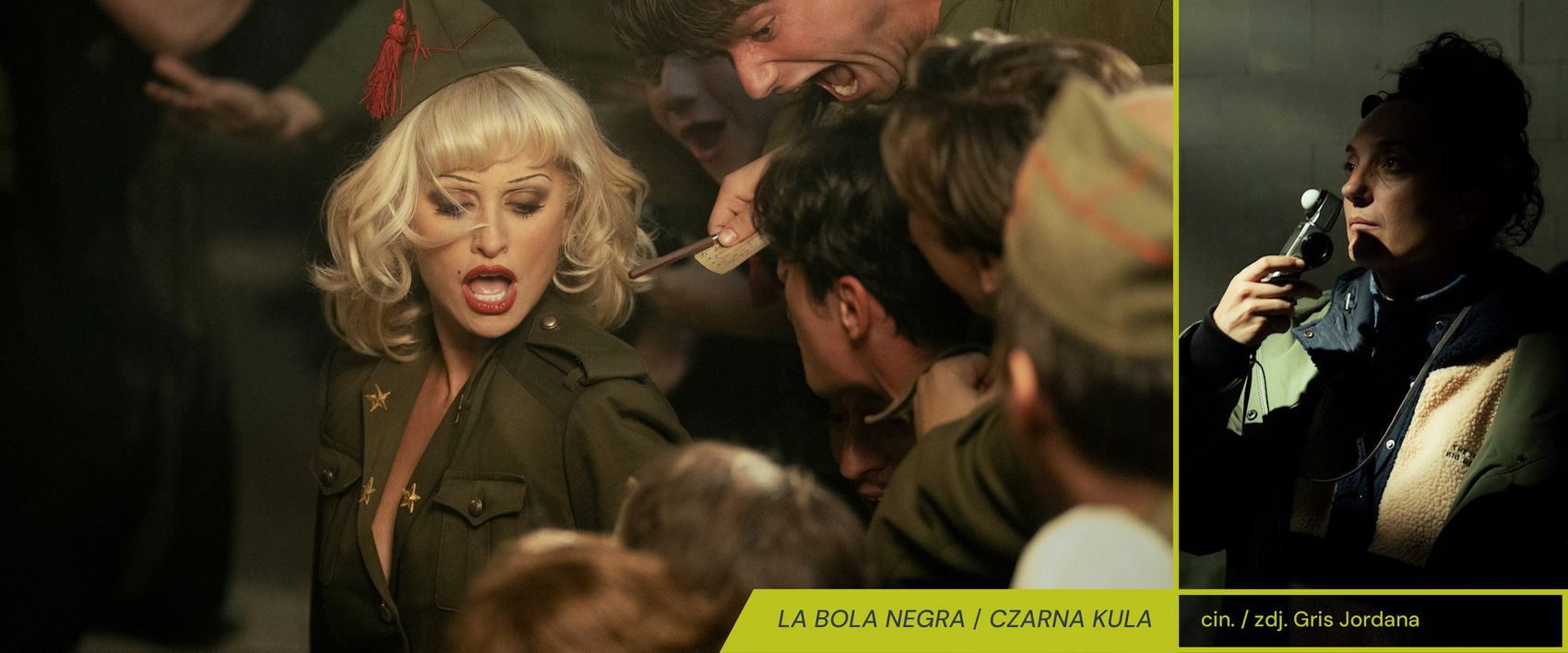
Three interconnected timelines weave together to form this vast epic of love, legacy and longing. Stories buried by history are uncovered, revealing surprising connections that still resonate in the present.
The movie balances distinct characters and settings, flowing in and out along a shared emotional undercurrent. Grand, sweeping, lyrical shots are intertwined with intimate close-ups, providing a tender touch to the generations-spanning tale. Every other frame feels akin to a painting, depicting soft touches and harsh reality alike. Even though the third act may lack some subtlety, aggravating some more than others, there is little doubt that Javier Calvo and Javier Ambrossi managed to create one of the most moving films of the year.
Wicker Man (2026), dir. Alex Huston Fischer and Eleanor Wilson
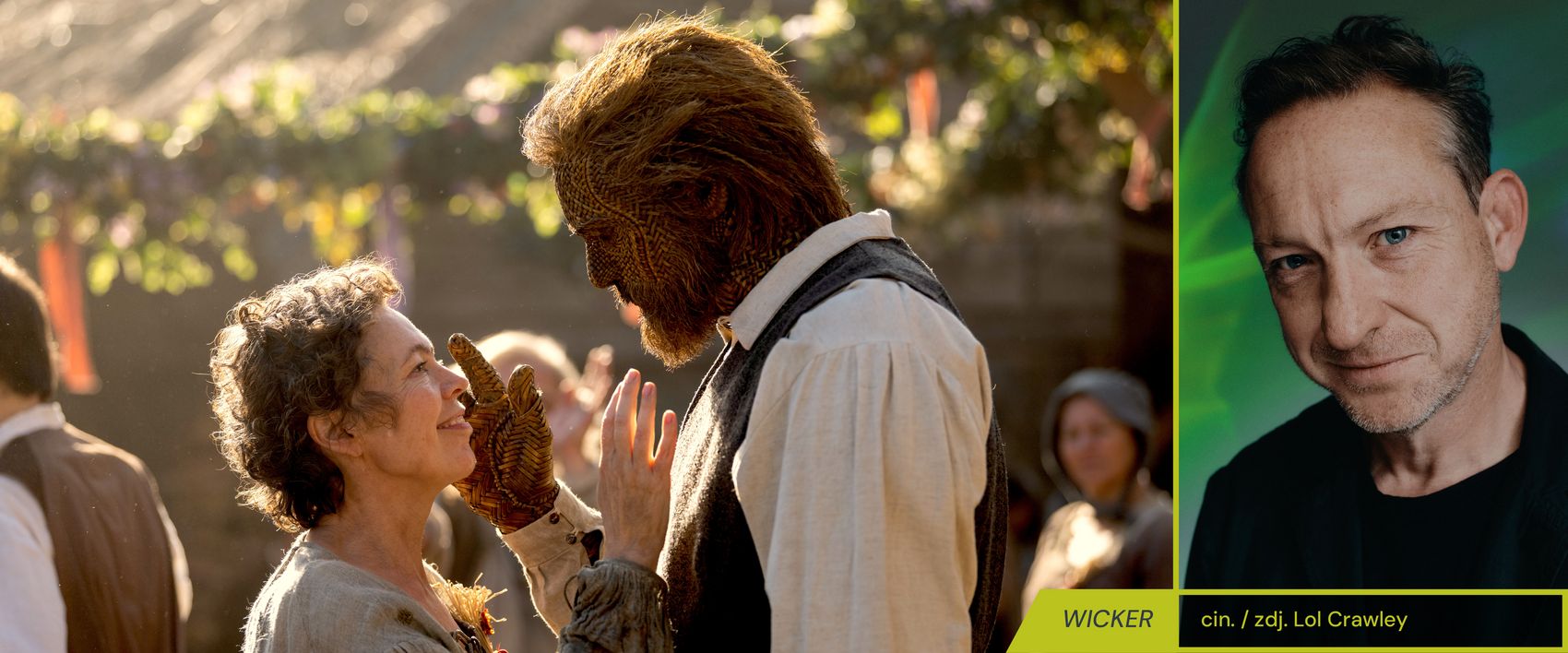
A fable for those daring to break the norms, Wicker does not shy away from the earthly and the carnal. It tells the tale of the Fisherwoman (Olivia Coleman), who, one day, tired of the ridicule and scorn of the villagers, wished for a husband of wicker. Needless to say, her wish was granted. Yet it is not this fantastical element that is the point here — the movie merely uses it to delve into the envious parts of human nature, wreaking havoc on the small community and revealing their faults and virtues in the process.
Directing duo Fischer and Wilson craft a comedic fairytale that revels in its raunchy frankness. Its humour, while a little too on-the-nose for some, is offset by the earnest creation of Alexander Skarsgård’s Wicker Husband. Pure and honest, he amazes visually. His prosthetics, modelled after the actor’s own body, were crafted by the now-legendary WETA Workshop. The surprisingly expressive wicker face further contributes to the creation of a magical world, seemingly existing outside of time, that is still filled with painfully human characters.
Woman Unknown (2026), dir. May el-Toukhy
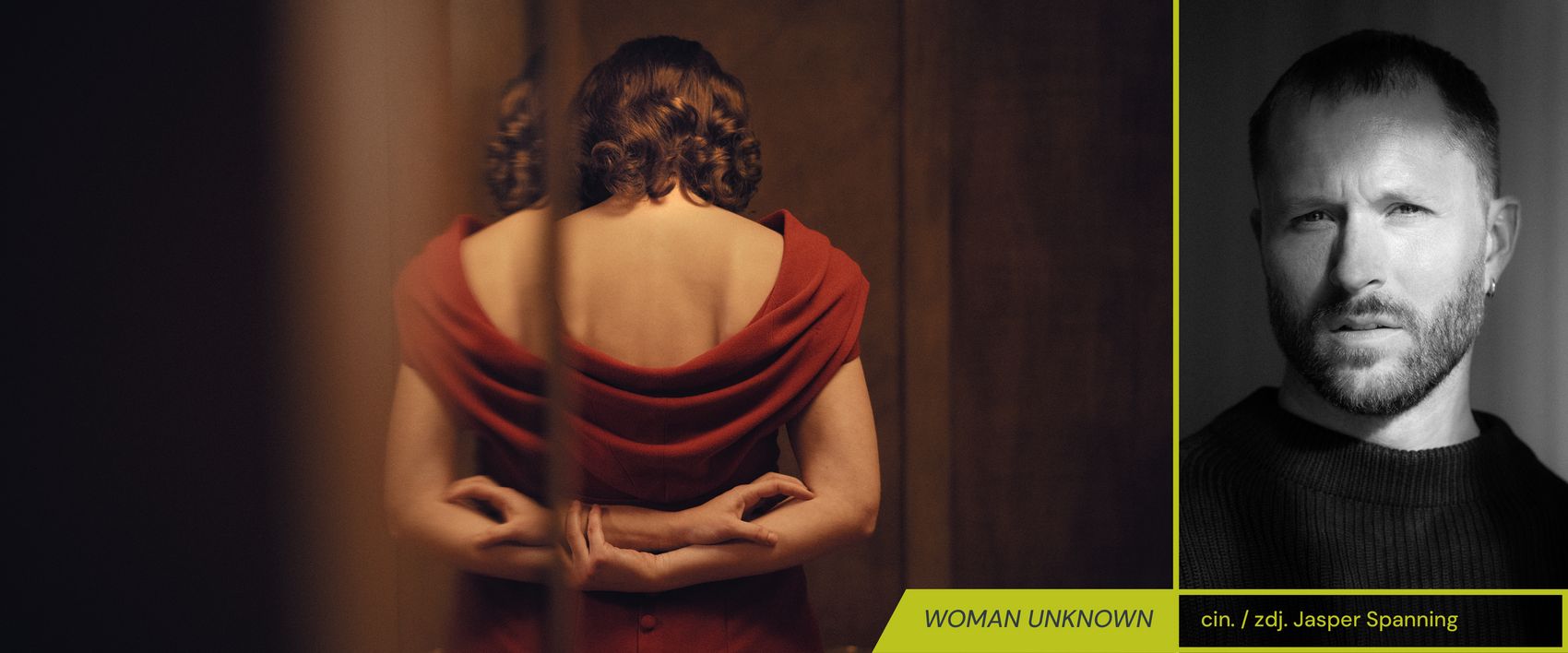
The visual aspect of this May el-Toukhy movie is simply stunning. Dimly lit interiors and hushed tones convey an air of tension, highlighted by the horrifying scenes unfolding in the streets. The red burns more brightly for the calm colour palette that surrounds it. The restraint in the acting makes the violence all the more intense. Many scenes are shot from odd angles, spying from behind a window or gate, amplifying the atmosphere of surveillance.
However, for many, the screenplay fails to match this level of craftsmanship. Set in post-war Copenhagen, it follows Marie (Mathilde Arcel) as she tries to desperately hold on to any semblance of security her position can provide. Rigid and wary, she attempts to navigate through the complex and hostile web of suspicion entangling the city shaken by Nazism. Though it touches upon many fascinating themes, the question remains — does it do any of them justice?
Toruń — CAMERIMAGE Film Studio is Here!
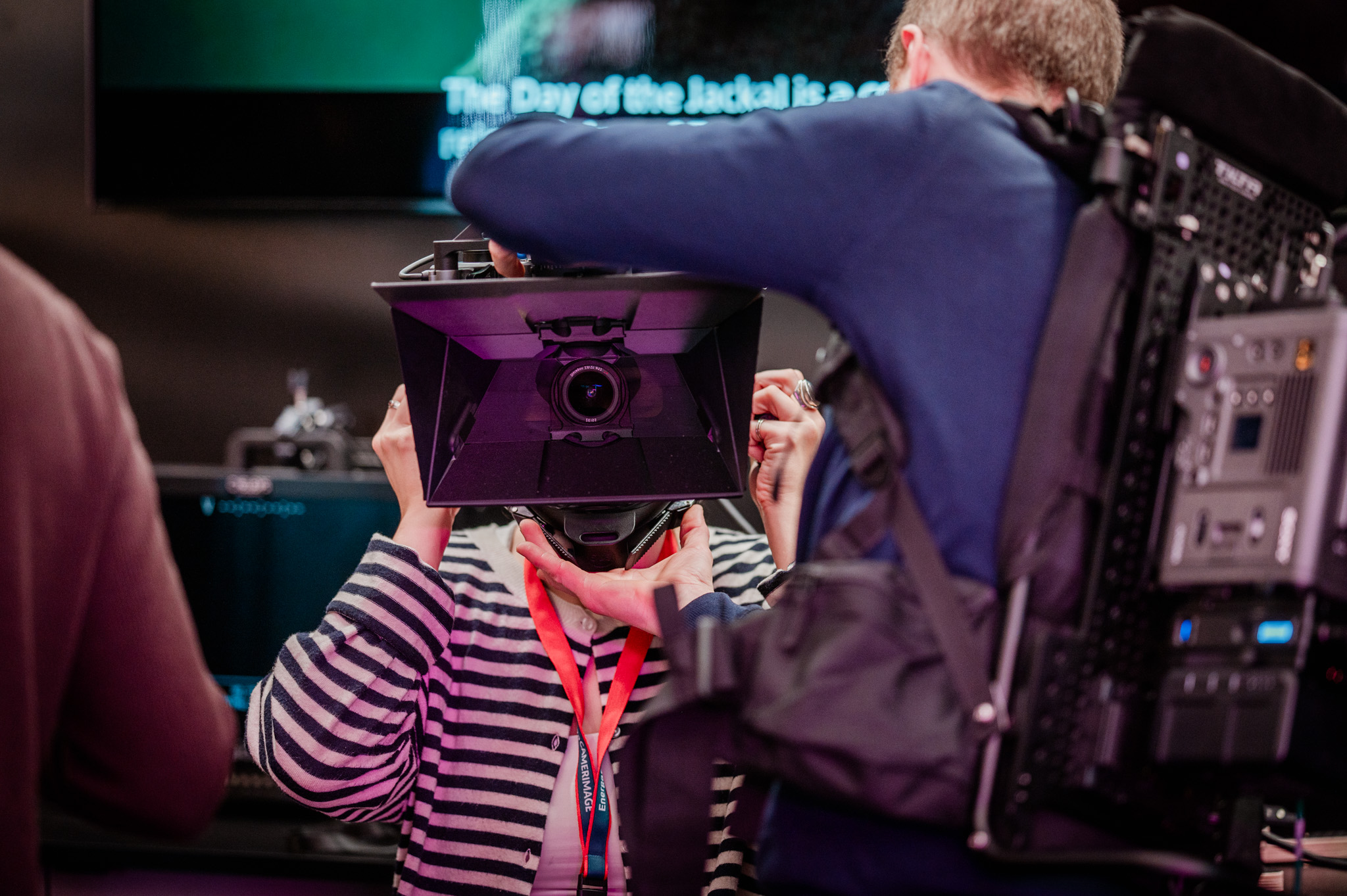
The European Film Center CAMERIMAGE Studio is taking shape in Toruń — a complex designed to bring together professional film production, education and creative collaboration. Equipped with advanced technologies, including virtual production (VP), the Studio will offer filmmakers new possibilities to develop and realise their projects.
Virtual production allows filmmakers to combine physical sets with digitally generated environments displayed on large LED screens. The technology makes it possible to create realistic surroundings — from distant locations to entirely fictional worlds — without leaving the soundstage.
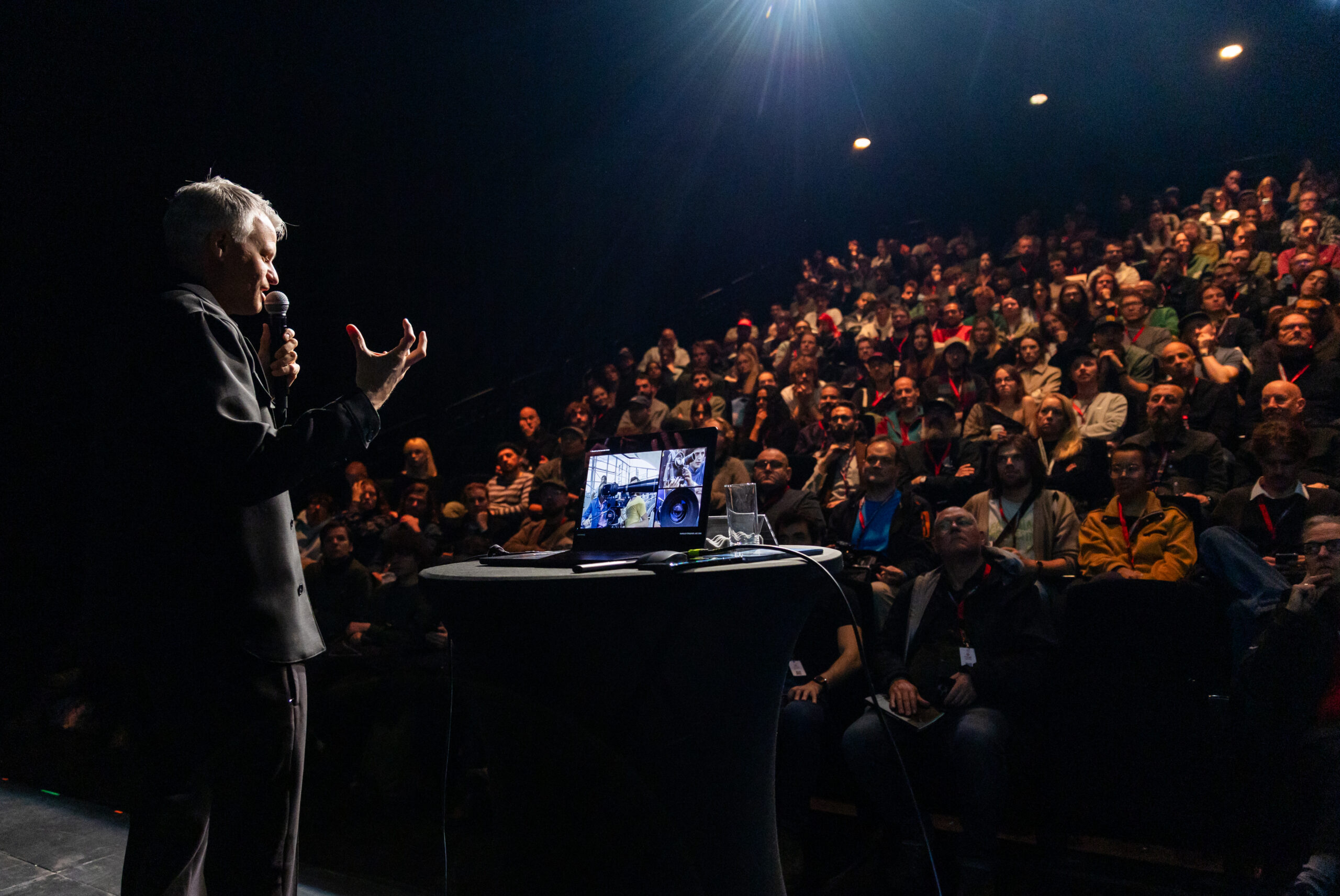
The Studio will also offer advanced picture and sound post-production facilities, with soundproofed and acoustically treated rooms suited to their specific functions. A dedicated screening room will allow the filmmakers to review their work using state-of-the-art equipment.
Beyond its production facilities, the Studio is also intended to become a place for education, artistic experimentation and the exchange of experience between established cinematographers and emerging filmmakers. Although it is still being equipped and is expected to become fully operational in mid-2027, it will partially open for workshops during the 34th edition of the CAMERIMAGE Festival, offering an early glimpse of its potential.
ToruńCAMERIMAGE Film Festival
November 7-14, 2026
Toruń, Poland