






For four days in September, within the thick concrete walls of a former World War II air-raid shelter in Wrocław, artistic interventions, performances, debates and concerts unfolded. The occasion was the fifteenth anniversary of the Wrocław Contemporary Museum (MWW), which has occupied the building since 2011. To mark the occasion, the institution did more than look back on its history: it became an exercise in imagining change.
The celebrations introduced “Open Museum,” a new vision for the institution, and were followed by two exhibitions exploring the potential of museum collections: Honza Zamojski’s The Adventures of a Person Who Sees and All Directions of Wandering, featuring works from the Lower Silesian Zachęta collection. As the museum enters its new chapter, we spoke to MWW director Piotr Lisowski about the enduring influence of Wrocław’s neo-avant-garde, the possibilities and limitations of the museum’s unusual home, and the challenges of building an institution that remains open to change.

Kuba Żary: Happy birthday to Wrocław Contemporary Museum (MWW) on its fifteenth anniversary! The institution was founded amid a broader rethinking of the role of contemporary art institutions in Poland, a period that also saw the emergence of the Museum of Modern Art in Warsaw, MOCAK in Kraków, and ms² in Łódź. What vision guided MWW at its inception in 2011, and which of its founding ambitions continue to shape the institution today?
Piotr Lisowski: Thank you for the birthday wishes! I’ll start at the end — with what has endured. A key point of reference for the MWW remains the thinking of Jerzy Ludwiński, a Polish art theorist and critic active in the second half of the 20th century, who helped shape Wrocław’s art scene in the late 1960s and early 1970s. From the outset, the museum was conceived as an institution that would not only present and collect art but also actively participate in artistic and social processes. The programmatic concept, developed by Dorota Monkiewicz and Piotr Krajewski, drew on the idea of the Museum of Current Art, formulated by Ludwiński in Wrocław in 1966. He envisioned a museum that would not only observe and document artistic phenomena but also serve as a catalyst for them — a space for experimentation, the emergence of new ideas and the formation of new relationships.
Another key point of reference for the MWW was the legacy of the Wrocław neo-avant-garde, treated not only as a subject of research and historical reflection but also as a source of inspiration for thinking about the present. Education, social and participatory initiatives, and the development of the museum as a space for encounters, exchange and critical debate also occupied an important place in this concept. These principles remain relevant, although both the museum and the world in which it operates have changed over the past fifteen years.
Obviously, not all of the original ambitions have been realised — particularly in terms of infrastructure and organisation. The MWW continues to operate in a building that was intended to be its temporary home, which significantly limits the institution’s potential for growth. I would not want to, however, treat the original concept as a closed project to which we must return. What seems far more important to me is how we can develop those ideas today in response to contemporary challenges. In this sense, the most important idea behind the MWW remains its readiness to constantly redefine its own role and methods of operation.
KŻ: This approach to redefining the institution’s role was also at the heart of the MWW’s new mission, which you presented on the occasion of its anniversary as “Open Museum”. What does this idea mean to you?
PL: To me, “Open Museum” describes a particular way of thinking about the institution and its role in the contemporary world. I see the museum as part of a broader ecosystem — not only artistic but also urban and social.
The concept itself is deeply rooted in Wrocław’s traditions. It draws on the ideas of “open theatre” and “open art” developed by Bogusław Litwiniec, which sought to transcend the boundaries between art and everyday life, integrate artistic practices into social life, and create spaces for collective action.
I see the museum as part of a broader ecosystem — not only artistic but also urban and social.
I understand “openness” on several levels, first and foremost as a willingness to engage in dialogue, experiment and transcend established divisions — both between artistic disciplines and between the institution and its audience. I am particularly committed to bridging the gap between art and its audience. I believe that art’s power lies not only in the works themselves but also in the relationships it can foster — between people, their experiences and their diverse ways of perceiving reality. I would like the museum not merely to present art but, above all, to create the conditions for such relationships to emerge. This means developing a programme that goes beyond exhibitions, one that is open to experimentation, collaboration and diverse forms of participation, as well as making a sustained effort to improve accessibility.
I am drawn to Ludwiński’s idea of an institution in constant motion, capable of redefining its own role and modes of operation. I would like the MWW to be just such a place — rooted in local heritage, yet open to new perspectives and connections that extend beyond Wrocław.
This openness must also extend to the institution itself — to a willingness to reflect critically on its own practices, challenge established habits and embrace change. In this context, I am drawn to Ludwiński’s idea of an institution in constant motion, capable of redefining its own role and modes of operation. I would like the MWW to be just such a place — rooted in local heritage, yet open to new perspectives and connections that extend beyond Wrocław. For me, openness is not merely a programmatic declaration but a way of thinking and acting that should permeate all aspects of our operations.
KŻ: The spirit of Jerzy Ludwiński — whom you’ve mentioned several times already — and his concept of the Museum of Current Art have hovered over the MWW from the very beginning. How does this legacy manifest itself in your work today?
PL: Ludwiński’s legacy is extremely important to us, but I wouldn’t want it to remain merely a historical reference point. I’m far more interested in the relevance of his thinking about art and institutions today: Ludwiński viewed art as a process subject to constant change, and the museum as an institution that not only recognises and documents artistic phenomena but also actively participates in shaping them.
Wrocław has an extraordinarily rich and multifaceted artistic history. It calls not only for research and documentation but, above all, for continual reinterpretation. I am not interested in establishing a closed canon of Wrocław art or perpetuating narratives about its uniqueness. Rather, I would like the museum to be a place where different narratives meet, including those that challenge established ways of thinking about local history.
I see two complementary roles for the MWW here. On the one hand, it has a responsibility to research and develop its collection; on the other, it should actively participate in contemporary artistic life, support new practices and create space for experimentation. I would like the MWW to be an institution rooted in neo-avant-garde traditions, one that responds attentively to the present while, at the same time, helping to shape visions of the future.
I am not interested in establishing a closed canon of Wrocław art or perpetuating narratives about its uniqueness. Rather, I would like the museum to be a place where different narratives meet, including those that challenge established ways of thinking about local history.
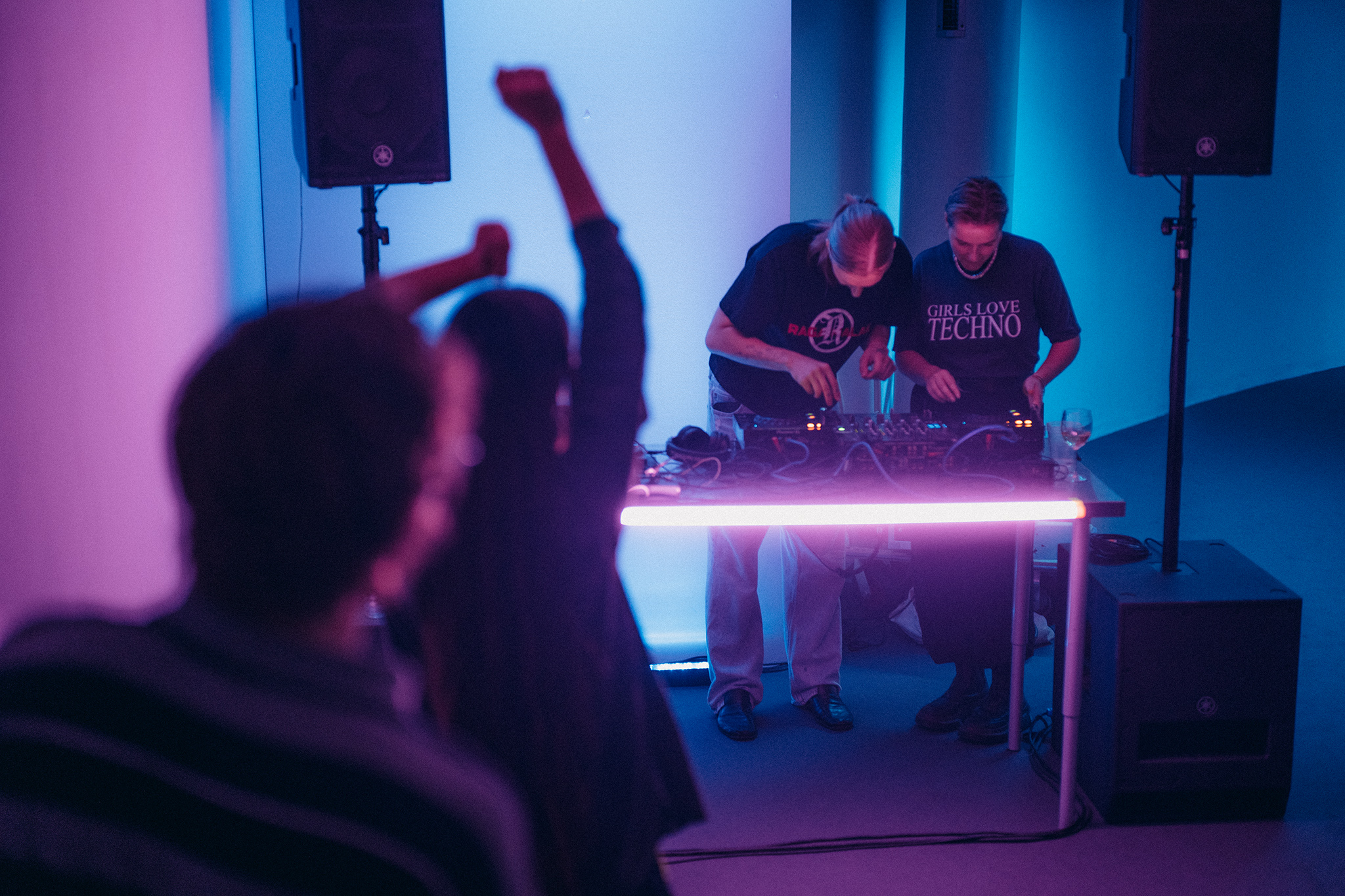
KŻ: The anniversary programme was, on the one hand, performative and participatory, and on the other, deliberative. Can we infer anything about the MWW’s upcoming programme from this structure?
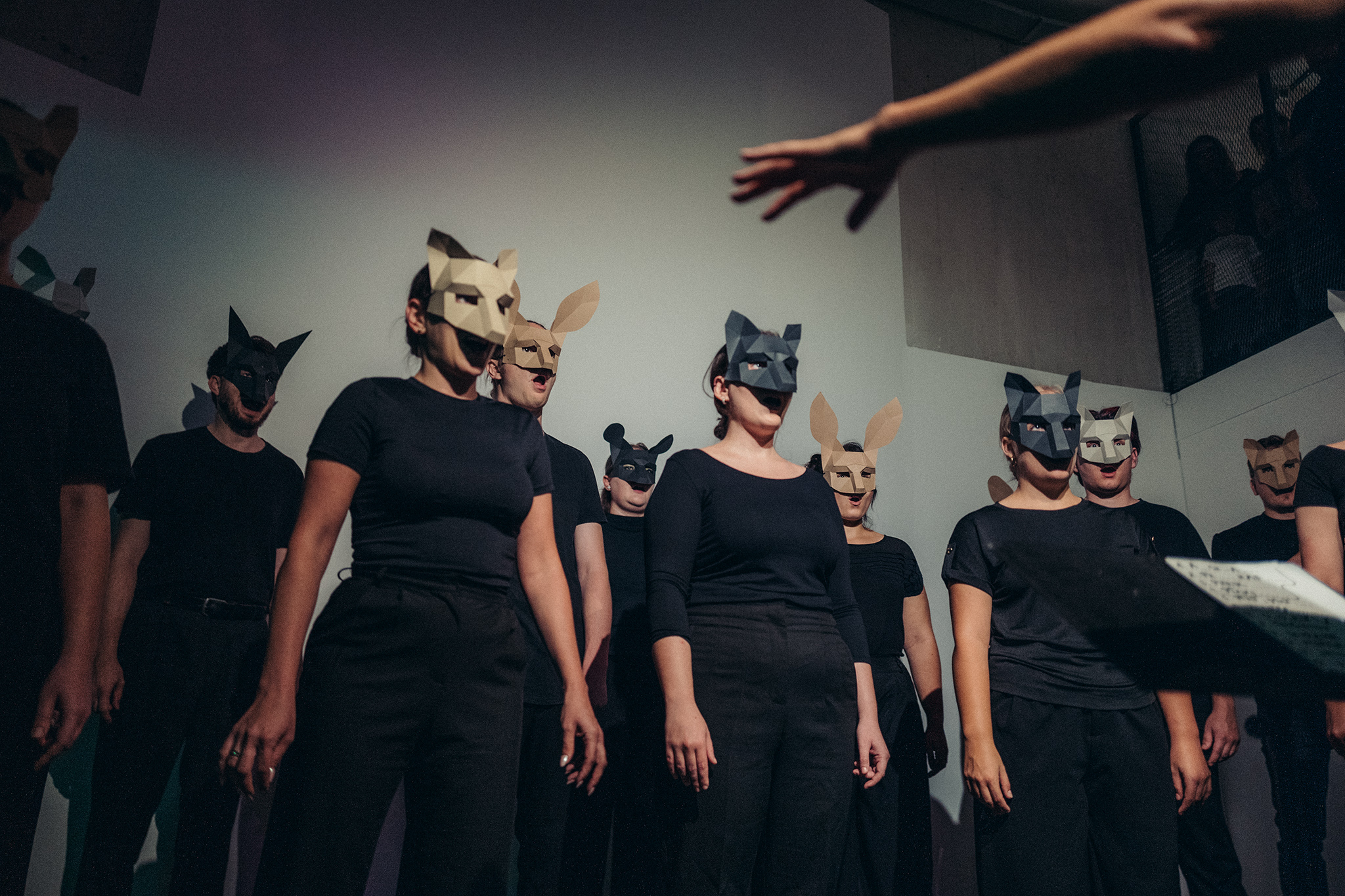
PL: For us, the anniversary programme was above all an opportunity to make a fresh start and outline the directions we want to pursue in shaping an “open museum”. We were less concerned with summarising our activities to date than with treating the anniversary as a moment of reflection on the institution’s future. The entire programme was conceived as a sequence of events — debates, performances, concerts, workshops and artistic interventions — that fostered connections between the architecture, the building’s history, artists and the public. It was also important to transcend the local perspective: we would like the MWW to be an institution deeply rooted in Wrocław while actively participating in the national and international art scene. I do not view these dimensions as contradictory. On the contrary, I believe they should intertwine and reinforce one another.
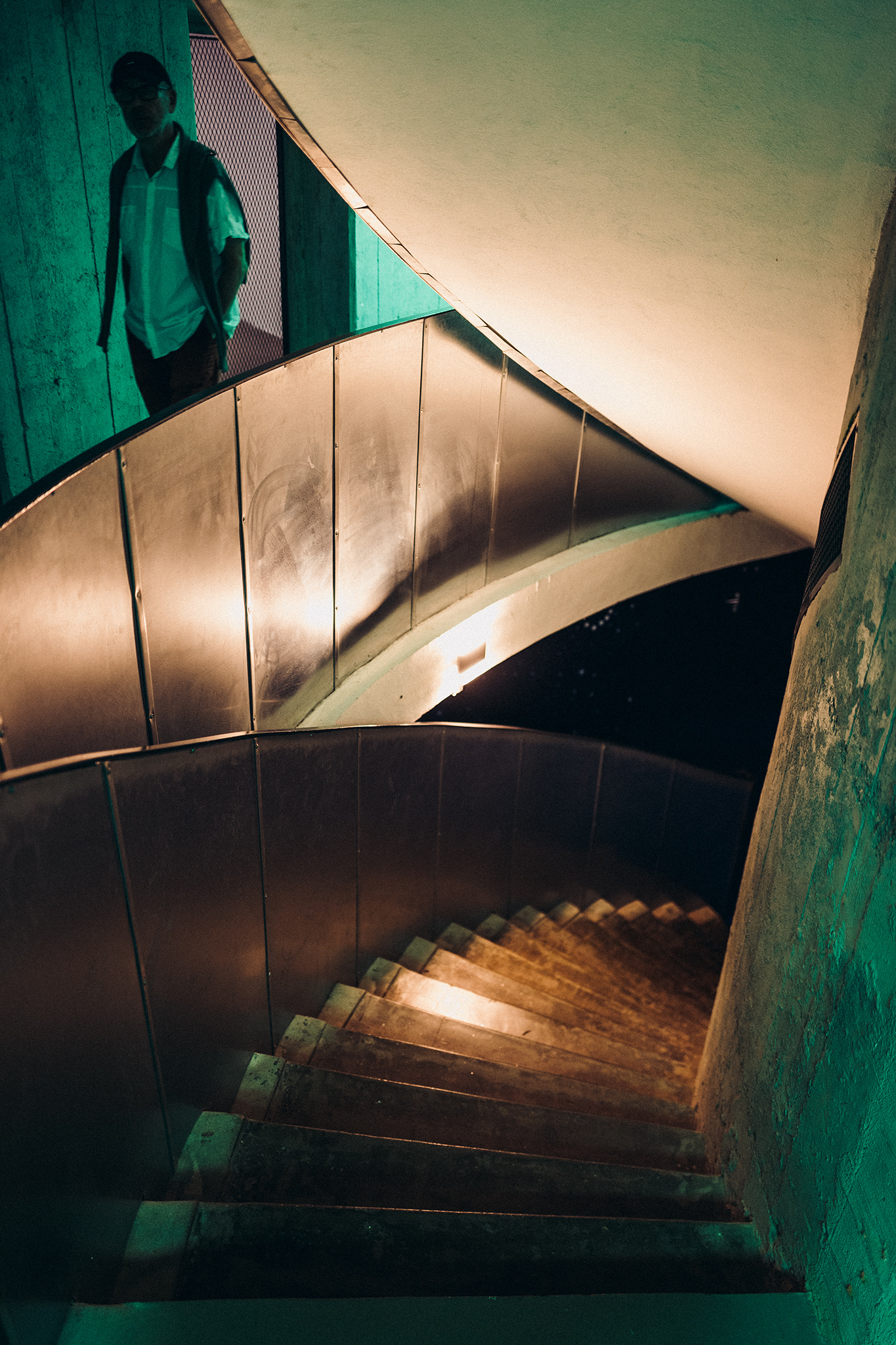
The architecture of the former air-raid shelter played a significant role, shifting from a neutral backdrop to an active participant in artistic activities.
KŻ: As you said at the beginning of our conversation, this air-raid shelter was intended to be the MWW’s temporary home. In the meantime, it has become one of the key elements of its identity. After fifteen years, would the museum like to seek its identity beyond the shelter as well?
PL: Indeed, over the past fifteen years, the former air-raid shelter has become one of the most recognisable elements of the MWW’s identity. Its architecture is highly distinctive and has a significant influence on both how exhibitions are curated and how they are experienced.
The circular floor plan, the unusual spatial layout, the austere architecture, and the limited access to natural light mean that this is anything but a neutral exhibition space. Every project requires engaging with its unique characteristics. Sometimes the building serves as a source of inspiration and an integral part of the exhibition; at other times, it imposes limitations that must be overcome. It is a demanding space, yet one that offers opportunities to create truly distinctive artistic experiences.
A museum is, above all, its people, its programme, its collection, and the relationships it builds with its surroundings. Architecture should support their development rather than limit the institution’s possibilities.
I think that after fifteen years, we should begin a serious conversation about the MWW’s future infrastructure. This does not necessarily mean giving up the bunker. On the contrary, I believe its potential remains enormous, and the building itself has become a permanent fixture on Wrocław’s cultural map. But it is important not to equate the institution’s future exclusively with a single location. A museum is, above all, its people, its programme, its collection, and the relationships it builds with its surroundings. Architecture should support their development rather than limit the institution’s possibilities.
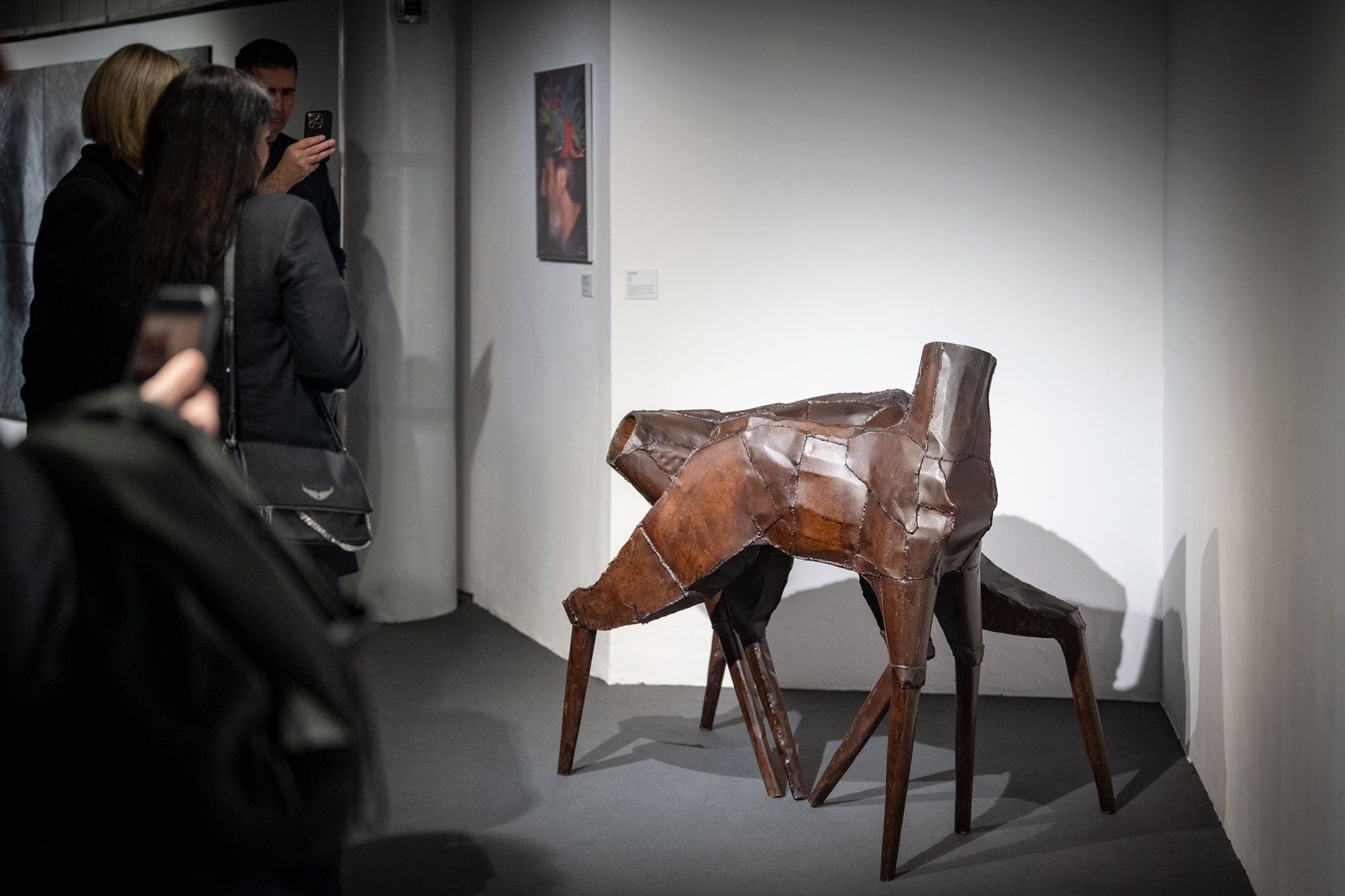
KŻ: The anniversary celebration was closely followed by the opening of Honza Zamojski’s exhibition The Adventures of a Person Who Sees, which also features works from the MWW collection. On the same day, an exhibition of works from the collection of the Zachęta Lower Silesian Society for the Encouragement of Fine Arts — which is held on deposit at the MWW — also opened. Collecting is one of the defining activities of any museum. What do these projects tell us about the approach to the collection in your “open museum”?
PL: Both exhibitions illustrate how I would like to approach the collection and its role in the MWW’s activities. The collection should not be treated as a closed, permanently ordered body of works but as a living structure, open to new interpretations and contexts. After all, the works we collect do more than document art history; they also allow us to ask new questions, establish unexpected connections, and bring them into dialogue with the present.
The collection should not be treated as a closed, permanently ordered body of works but as a living structure, open to new interpretations and contexts.
Honza Zamojski’s exhibition demonstrates how works held by the museum can become part of an artist’s own creative expression, acquiring new meanings through unexpected juxtapositions. The presentation of the Lower Silesian Zachęta’s holdings, in turn, offers an opportunity to take a fresh look at its history and character. We are particularly interested in an approach in which an exhibition is not merely a means of displaying works owned by the museum, but a space for experimentation, interpretation and the creation of new narratives. I would like the collection to play an active role in the museum’s programme.
Ultimately, a collection matters not only for what it preserves, but for the questions it raises.


