




Saša Spačal (b. 1978) is a Slovenian artist whose practice operates at the intersection of ecology, science, and technology. Working across installation, bioart, sound, and speculative fiction, she constructs environments that foreground the entanglement of biological, environmental, and technological systems. Her work engages scientific research not as illustrative material, but as a framework to be reconfigured through sensory and spatial experience.
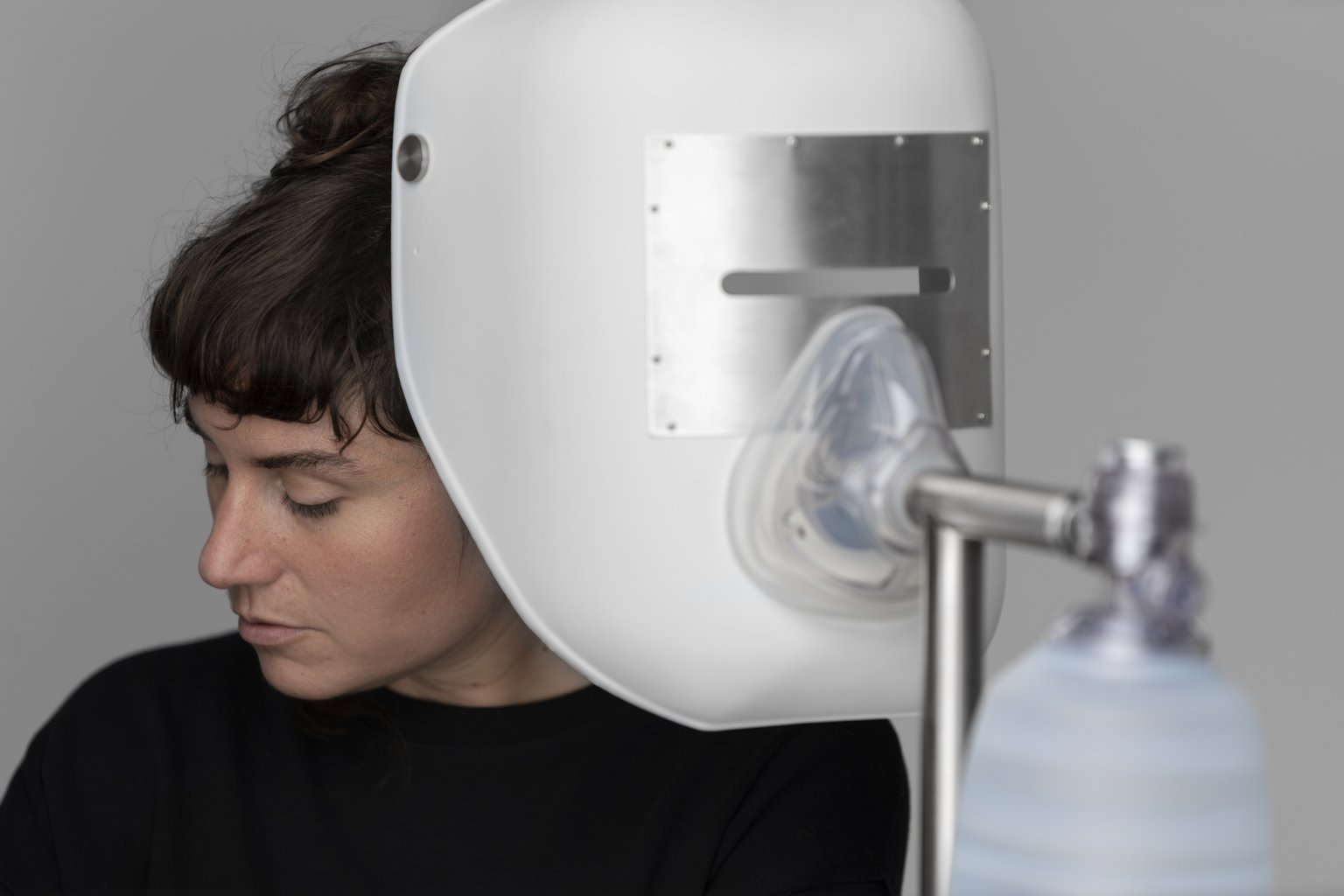
Her work remains attentive to the cultural and political frameworks through which knowledge is produced. Laboratories, archives, ecosystems, and technological infrastructures frequently appear throughout it as spaces where questions of agency, responsibility, and survival are negotiated.
At a time when environmental crises increasingly reveal the consequences of extractive relationships with the planet, Spačal’s work offers alternative perspectives on how life is organised.
At a time when environmental crises increasingly reveal the consequences of extractive relationships with the planet, Spačal’s work offers alternative perspectives on how life is organised. Her installations challenge the notion of the autonomous human subject, instead directing attention toward the processes through which organisms, materials, and environments continually shape one another.
Beyond the Human Perspective
A recurring concern throughout Spačal’s practice is the instability of categories often taken for granted: natural and artificial, organism and environment, human and non-human. The artist investigates the processes through which they are continuously negotiated and reconfigured.
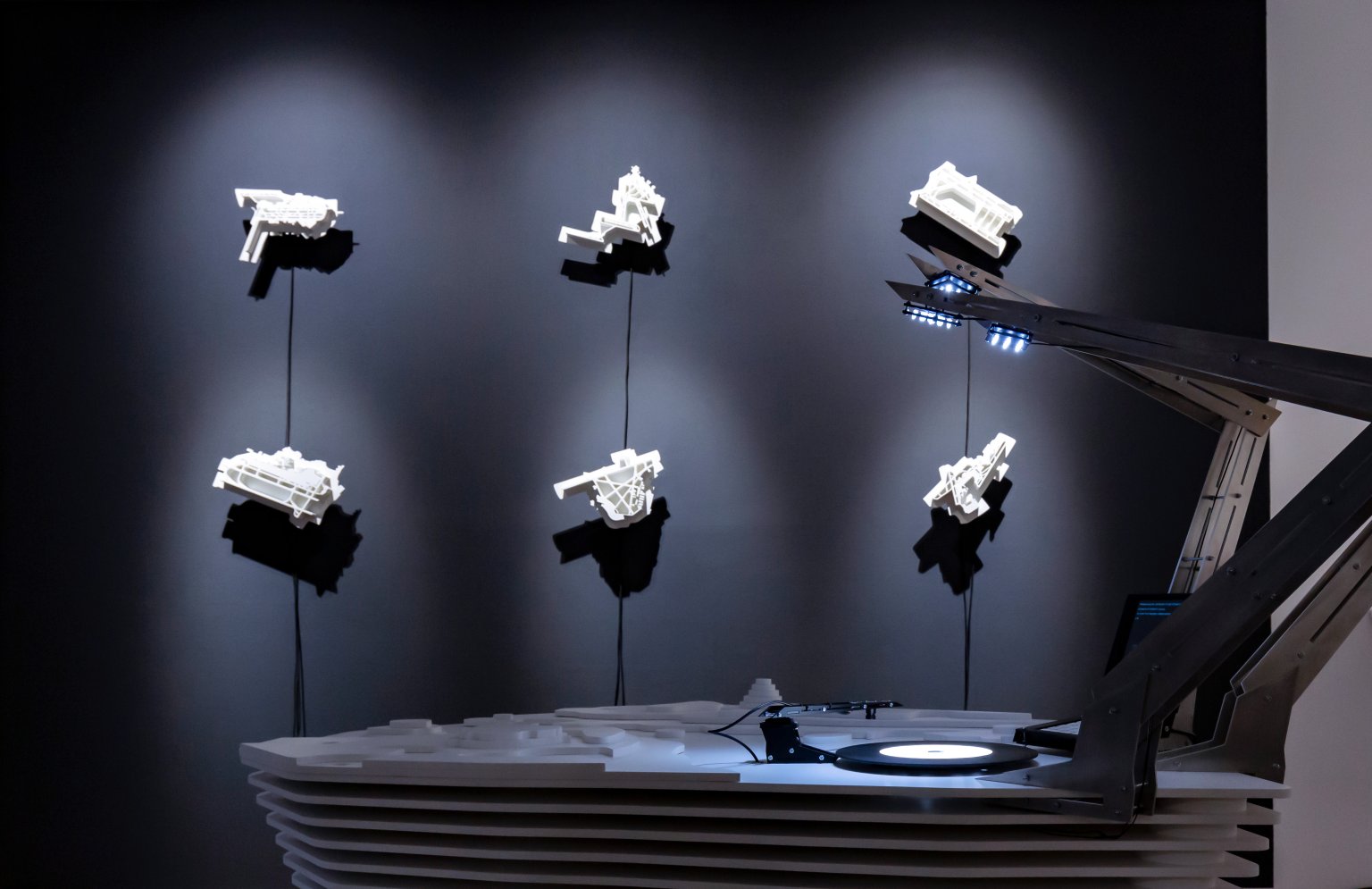
In 2022, Spačal presented Terra Xenobiotica at Art Laboratory Berlin, an installation developed through research into contaminated environments and the ecological consequences of aviation infrastructures. Focusing on xenobiotics, synthetic substances introduced into ecosystems through industrial activity, the project examines how these compounds become incorporated into biological processes. Pollutants, chemical residues, and industrial by-products are no longer external agents acting upon nature; they have become part of the material conditions through which life now unfolds.

At the centre of the installation is the soil itself. Spačal treats soil as an active medium shaped by the interaction of microbial life, decaying organic matter, and the chemical residues of industrial activity. Through sculptural elements, scientific references, material samples, and speculative narratives, the installation draws attention to processes that typically remain hidden beneath the ground. Soil emerges as an active site where biological and technological histories overlap and transform one another.
What distinguishes Terra Xenobiotica from many environmentally focused artworks is its rejection of nostalgia. The project does not contrast a damaged present with an idealised image of untouched nature. Instead, it confronts contamination as a defining feature of contemporary ecosystems. By foregrounding adaptation rather than loss, Spačal shifts attention toward the forms of life that continue to emerge within altered conditions.

The subtitle How to Belong emerges from this research context. Developed alongside the investigation into xenobiotic environments, it reframes the project’s focus from contamination as a condition to the question of how forms of life persist within already altered terrains. Belonging is treated as a gradual, negotiated process unfolding within environments that are already materially transformed.
Mycelial Infrastructures
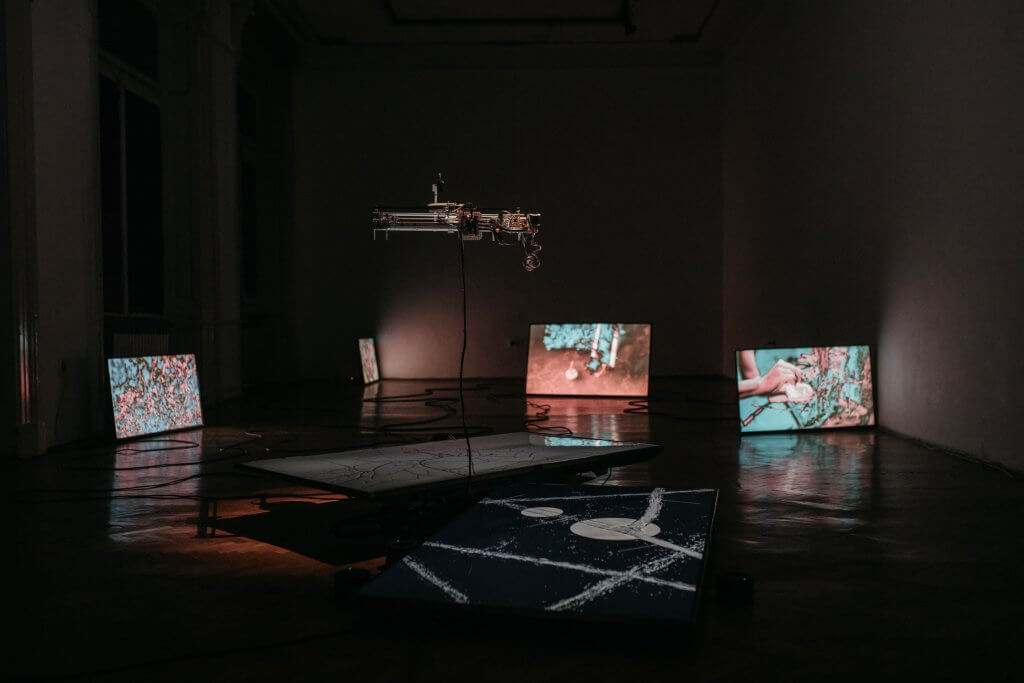
In MycoMythologies (2021–2022), Spačal engages with fungal ecologies through a speculative and spatial investigation of mycorrhizal systems — fungal networks and symbiotic relations between fungi and plant life. Her work approaches mycelium as a distributed infrastructure through which matter, nutrients, and signals are continuously exchanged across species boundaries.

The installation at Cultural Centre Tobačna 001 brought together sculptural elements, organic materials, and narrative fragments that reference subterranean fungal growth. Its spatial composition follows the logic of expansion and branching associated with mycelial structures, guiding movement through the work in a non-linear manner. Instead of organising the viewer’s experience around a central point or fixed sequence, the installation unfolds through dispersed elements that must be navigated through proximity and attention.
Her work approaches mycelium as a distributed infrastructure through which matter, nutrients, and signals are continuously exchanged across species boundaries.
Fungal systems are not used as metaphorical reference points but are embedded into the conceptual structure of the work itself. Mycorrhizal relations become a way of thinking about how systems of knowledge might operate when decentralised, where meaning is not located in a single source but produced through ongoing exchange between multiple agents. The installation, therefore, stages fungal life as both material presence and organisational principle, shaping how the work is encountered and interpreted.
Archives for Hybrid Futures
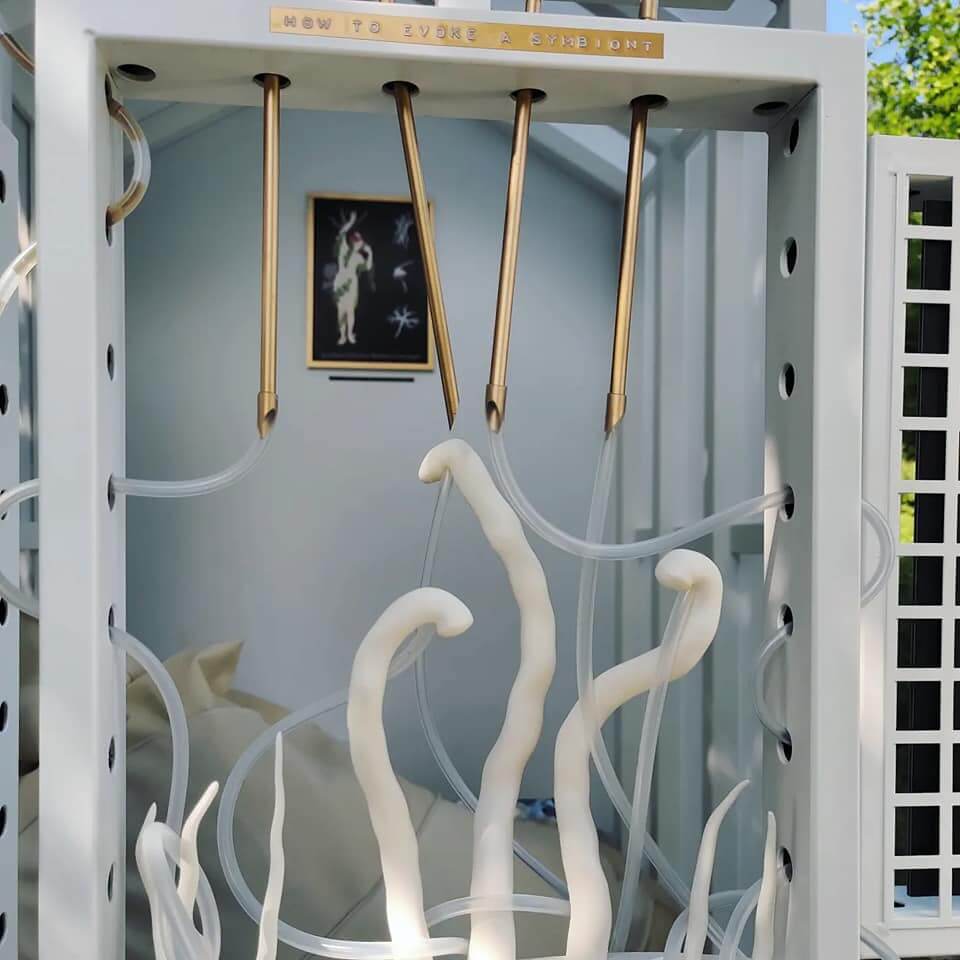
Questions of adaptation reappear in Repository of a Yearning Hybrid or How to Evoke a Symbiont (2022), one of Spačal’s most developed speculative environments. Structured around the fictional figure of Pȇa, a pea-human hybrid organism, the work constructs a future scenario in which survival is contingent on forms of multispecies relation and mutual dependence.
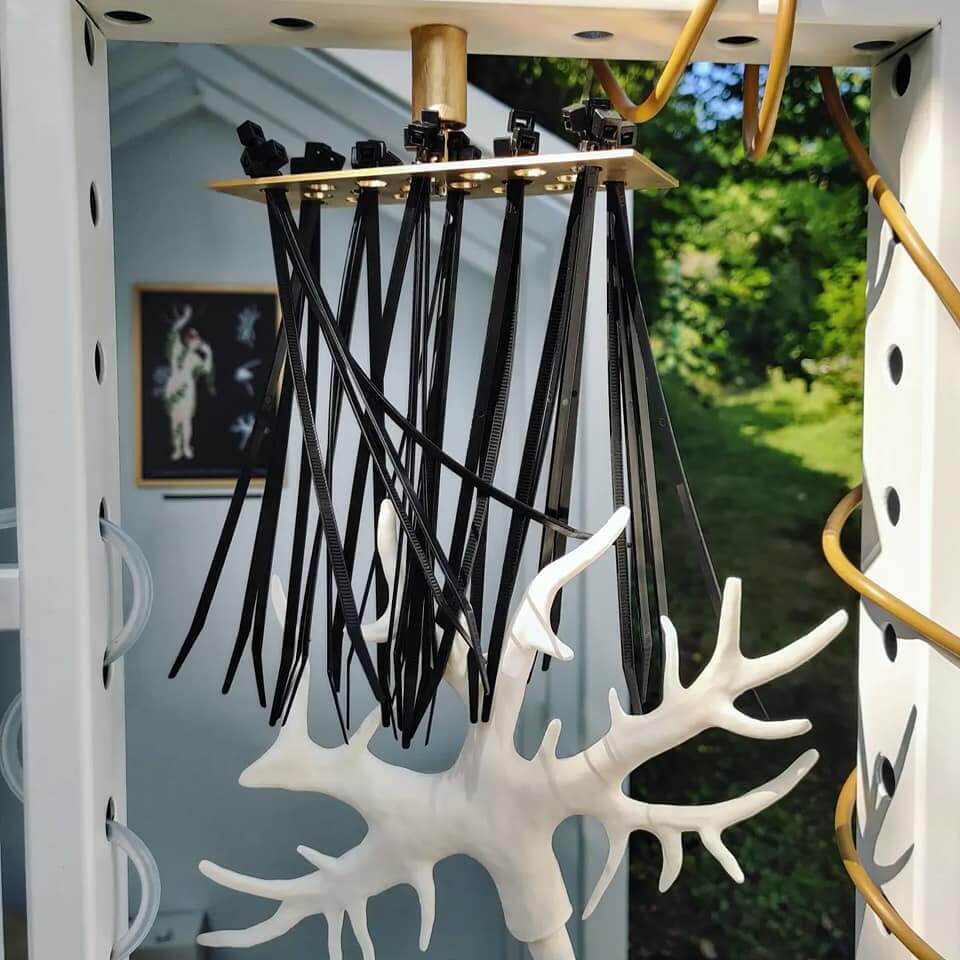
Organised as a repository, the space combines elements of archive, laboratory, greenhouse, and museum display. Visitors move through a constellation of vessels, instruments, sculptural forms, and narrative fragments that seem to document the existence of this hybrid being. The visual language draws on institutional systems of collection and preservation associated with scientific classification. Yet these references are consistently destabilised: organic and technological materials merge, while objects appear designed less for categorisation or extraction than for contact, exchange, and sensory engagement. The environment doesn’t propose a stable narrative, encouraging viewers to assemble meaning through spatial and conceptual association.

This tension is central to the work’s logic. Where repositories have historically functioned as instruments for ordering and fixing knowledge, here that structure is redirected toward relationality and affect. Pȇa operates within this framework not as a fixed character but as a speculative figure with dependency, curiosity, and proximity as organising conditions. It provides a lens through which existing ecological and biological entanglements become legible.
Listening Across Species
Sound plays a central role in Spačal’s practice as a means of engaging with processes that escape visual perception. It operates less as an accompaniment than as a method for exploring activity distributed across different scales and temporalities.
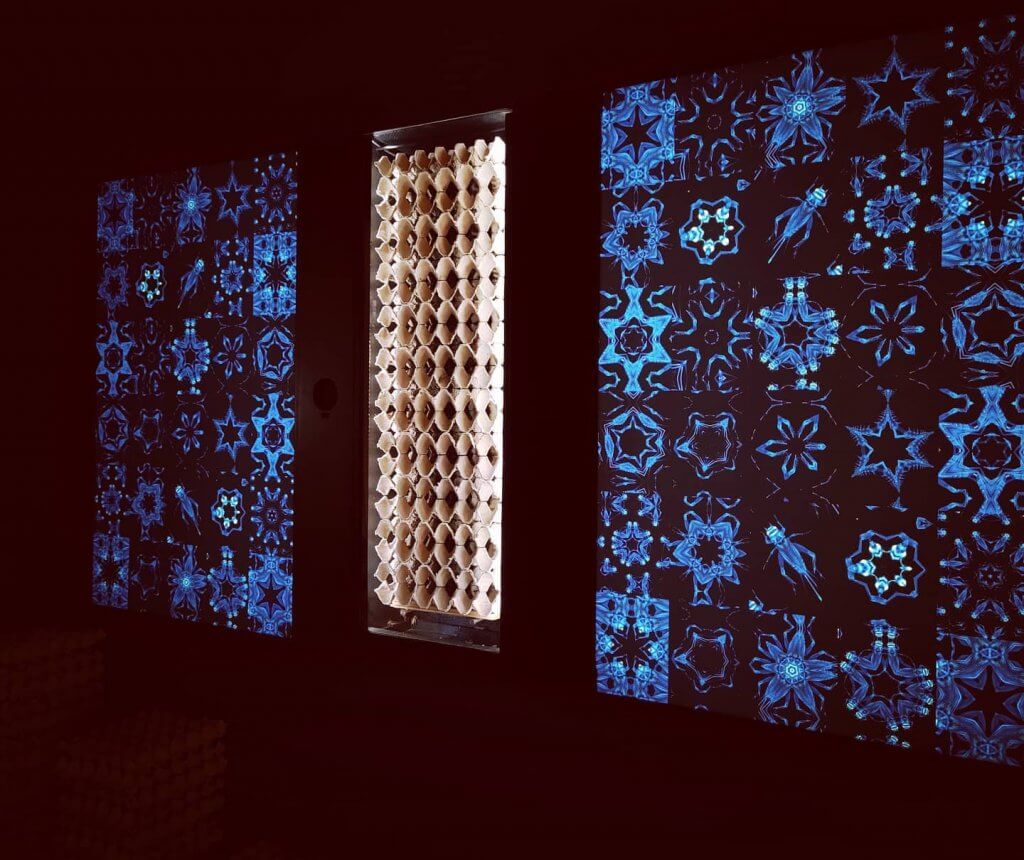
In Transversal Is a Loop (2019), the artist creates a 50-minute-long sound composition in dialogue with house crickets. By combining field recordings, digital and analogue synthesisers, handmade instruments, and acoustic feedback systems, Spačal develops a sonic environment where humans and crickets become collaborators. The work explores complex relationships between us and other species and underlines our codependence — crucial within the reality of the Anthropocene, where natural habitats are increasingly threatened by human activity.
Sound plays a central role in Spačal’s practice as a means of engaging with processes that escape visual perception. It operates less as an accompaniment than as a method for exploring activity distributed across different scales and temporalities.
The title points to this logic: “transversal” suggests movement across boundaries, while “loop” introduces recurrence and circulation. The meaning of the phrase “what goes around, comes around” lies at the basis of this work — our actions inevitably return to us through the ecological systems we inhabit. An act of creation shared with other species becomes not only a disruption of the hierarchy in which humans are positioned above nature but also an invitation to imagine more reciprocal ways of inhabiting the world.

Ecologies of Interdependence
Across Spačal’s practice, scientific research merges with artistic production and speculative narrations. Soil ecologies, archives, hybrid organisms, fungal systems, and sonic environments are used to test how life is organised through relation, adaptation, and exchange.
Her installations stage conditions in which biological, technological, and environmental processes can be experienced from different perspectives. They raise questions regarding responsibility, knowledge production, and survival within transformed environments. No single model of ecology is offered. The artist returns repeatedly to unstable boundaries and ongoing negotiation, where existence is shaped less by separation than by shared conditions of persistence.
BIO:
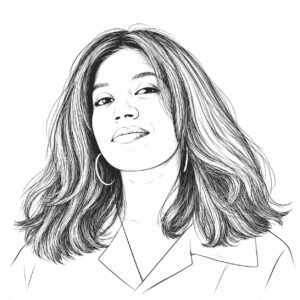
Saša Spačal, MA (she/her), is a postmedia artist whose practice merges living systems research with contemporary art. Her work has been presented internationally, including at ZKM | Centre for Art and Media Karlsruhe, Ars Electronica, CCCB Barcelona, Transmediale, Onassis Cultural Centre Athens, and National Art Museum of China. She is the recipient of several awards, including the Ars Electronica Start Prize (2021), Japan Media Arts Award (2020), New Technological Art Award (2019), and Prix Ars Electronica (2015).