



The Paris edition of Polish Performance has concluded at Le Générateur. Launched a year earlier in Porto by the Foundation for the Development of Creative Society (FRSK), the series has featured eight artists in two cities, each with a distinct curatorial programme. Both editions reveal the diversity of Polish performance art and its reception across Europe.
Polish performance art spans visual arts, choreography, experimental theatre and sound practices. FRSK created the series to bring this diversity to international audiences and engage Polish artists in dialogue with European artistic communities.
Polish performance art spans visual arts, choreography, experimental theatre and sound practices. FRSK created the series to bring this diversity to international audiences and engage Polish artists in dialogue with European artistic communities. This matters for an art form grounded in live action. Each edition follows its own curatorial concept, shaped by the choice of artists, questions and location.
From Individual Experience to Collective Presence
In Porto, the programme was titled Identity, Corporeality, Process. Zuzanna Janin, Anna Zaradny, Krzysztof Leon Dziemaszkiewicz and Konrad Juściński presented their work at Centro Português de Fotografia, CRL – Central Elétrica and Galeria Fernando Santos. Their different approaches to the body, sound and image raised questions about identity, memory and personal experience.
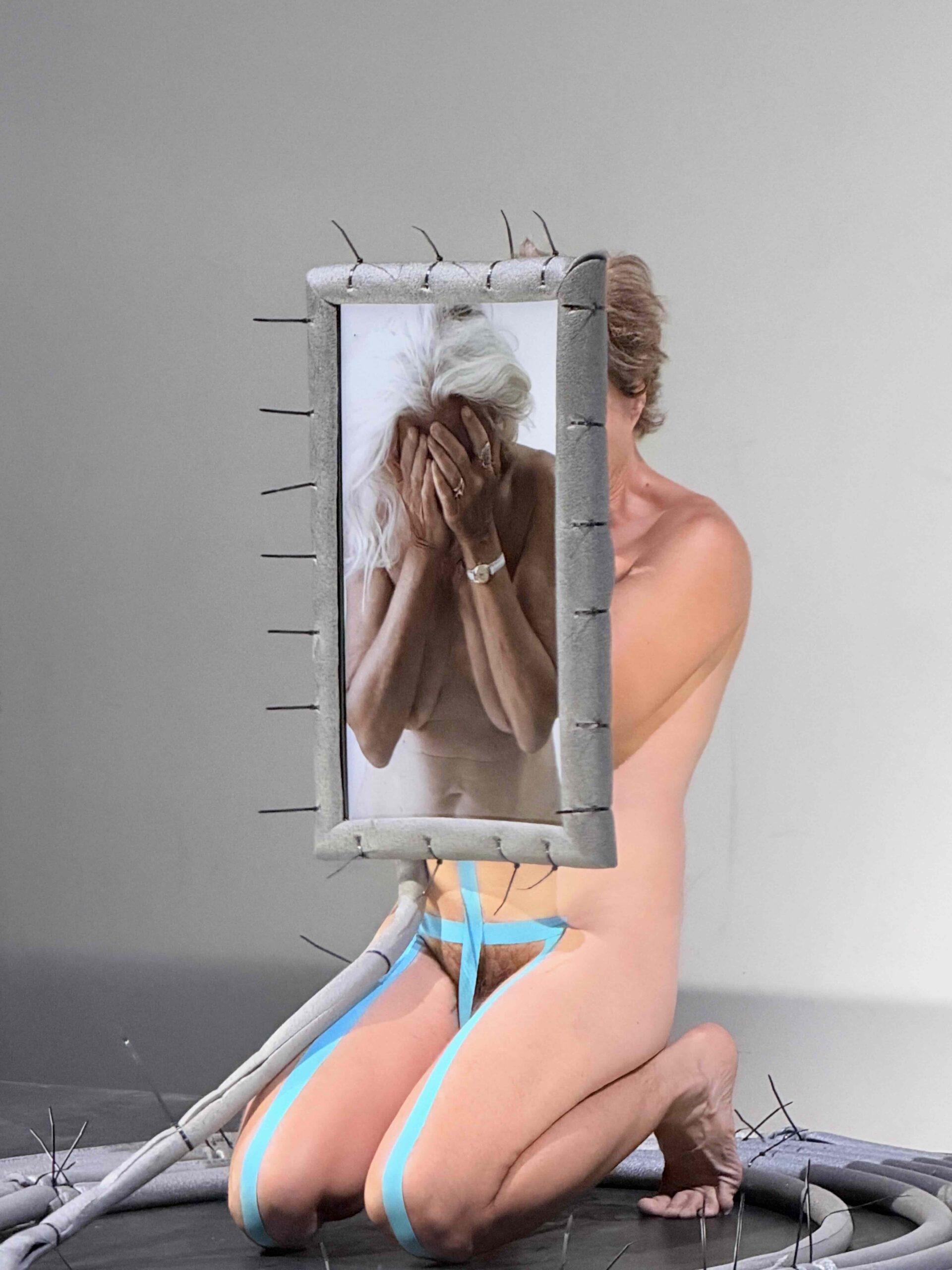
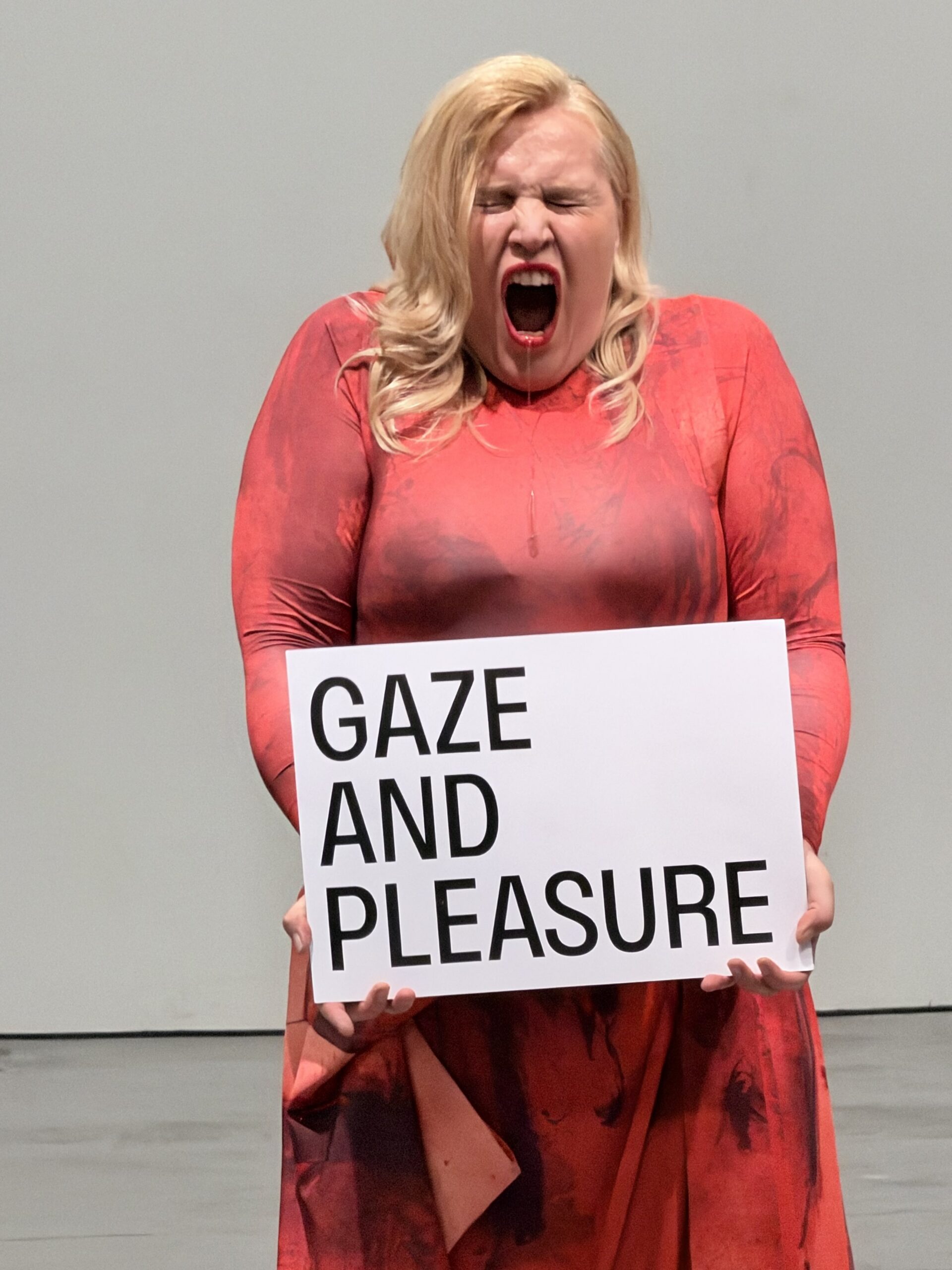
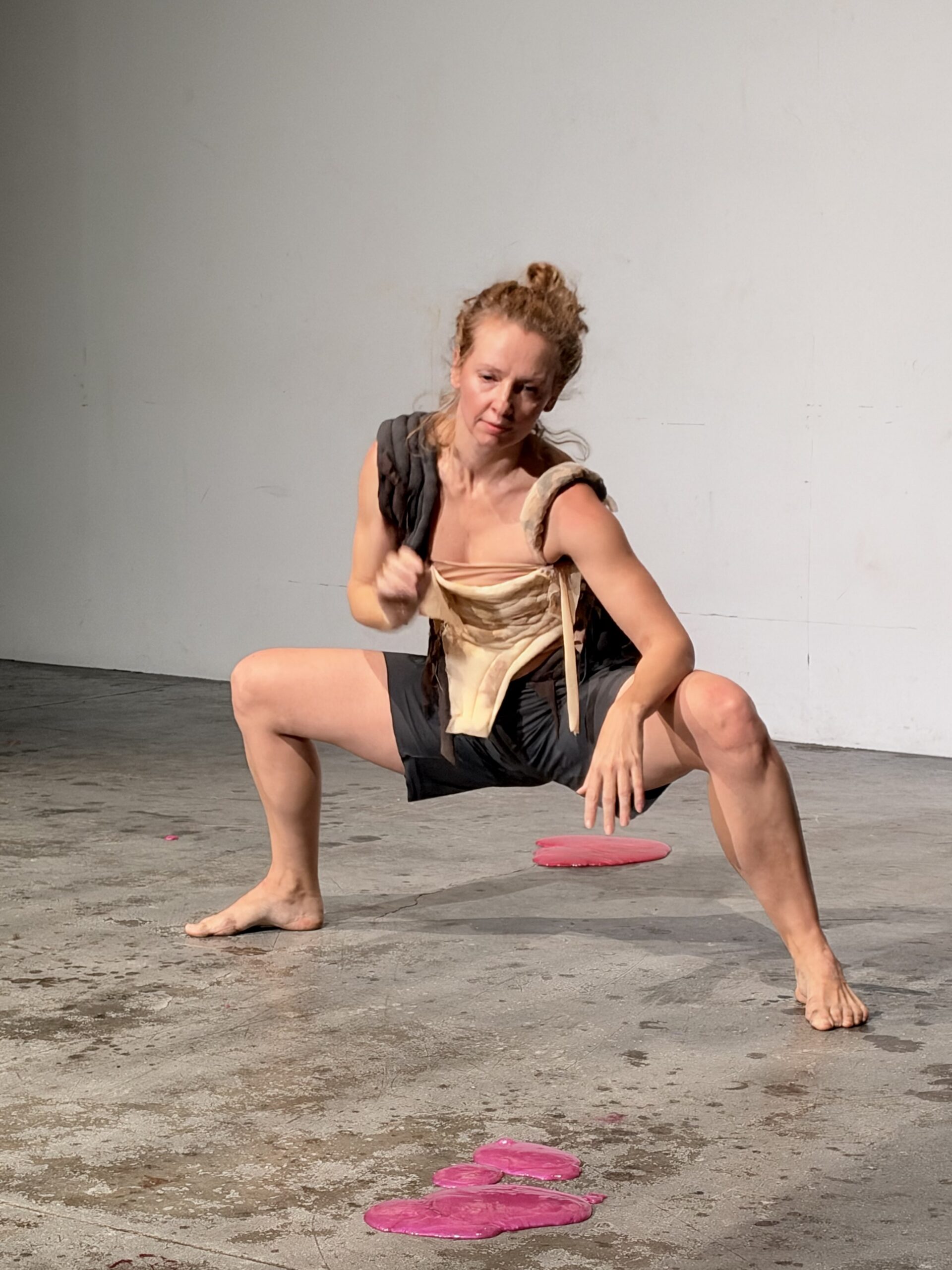
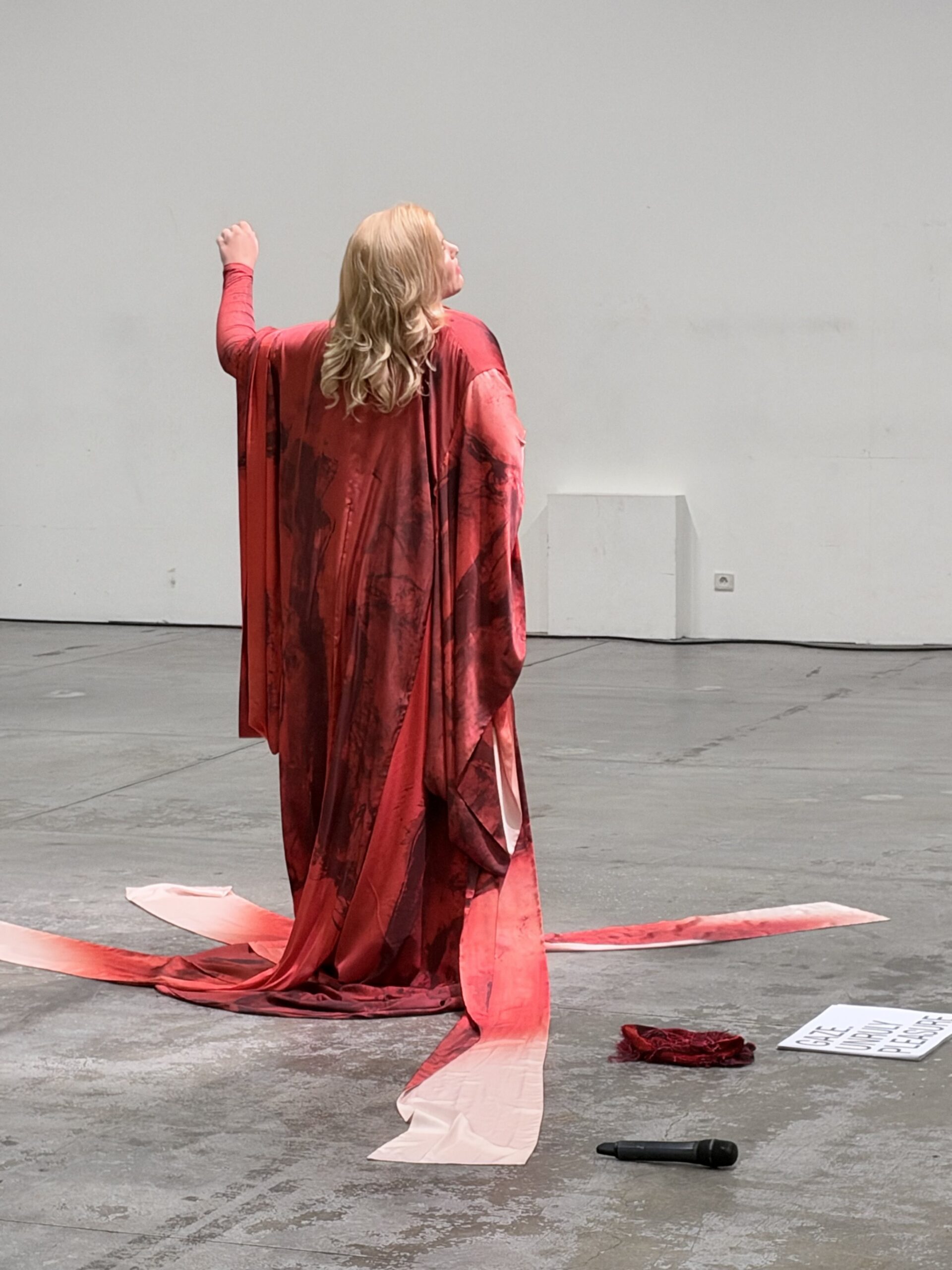
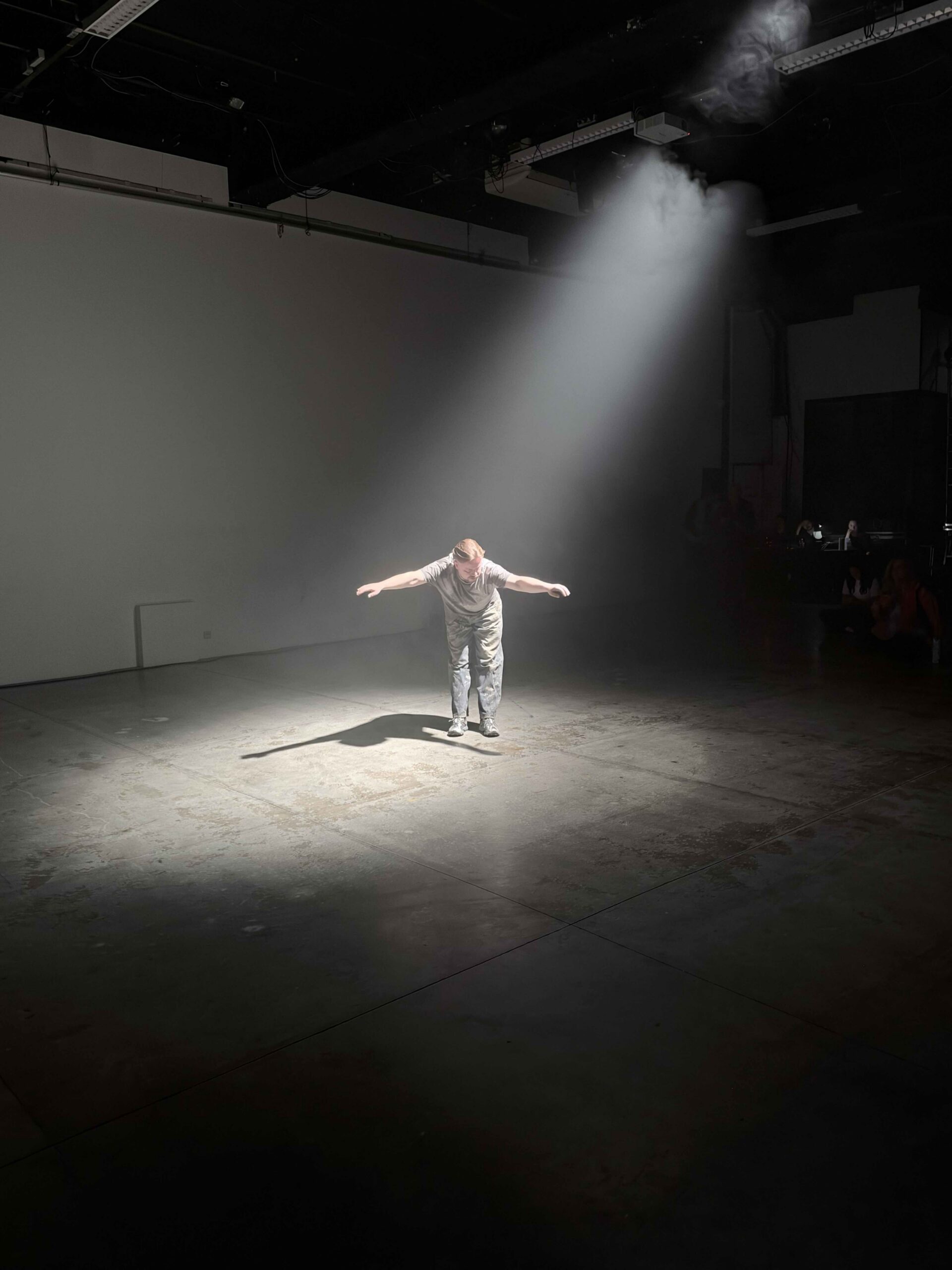
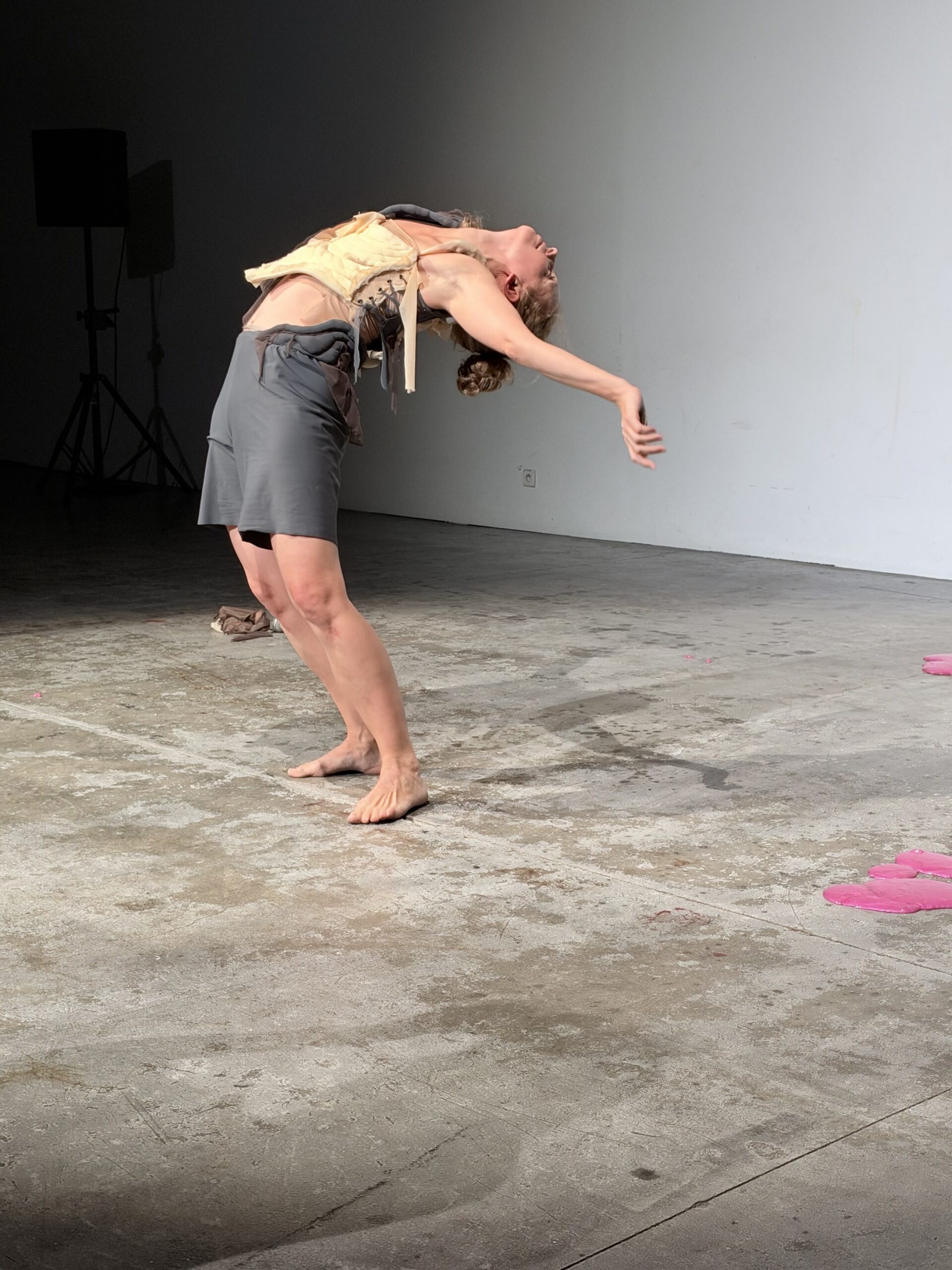
In Paris, at FRASQ #18, Kuba Falk, Paweł Sakowicz, Iza Szostak and Marta Ziółek presented new performances as part of Polish Performance in Paris: A Collective Anti-Portrait. Falk evoked the presence of older queer people through their images. Sakowicz explored movement and attention in response to his surroundings. Szostak examined intimacy and interdependence, while Ziółek explored gaze, voice and pleasure as forces shaping the relationship between observer and observed.
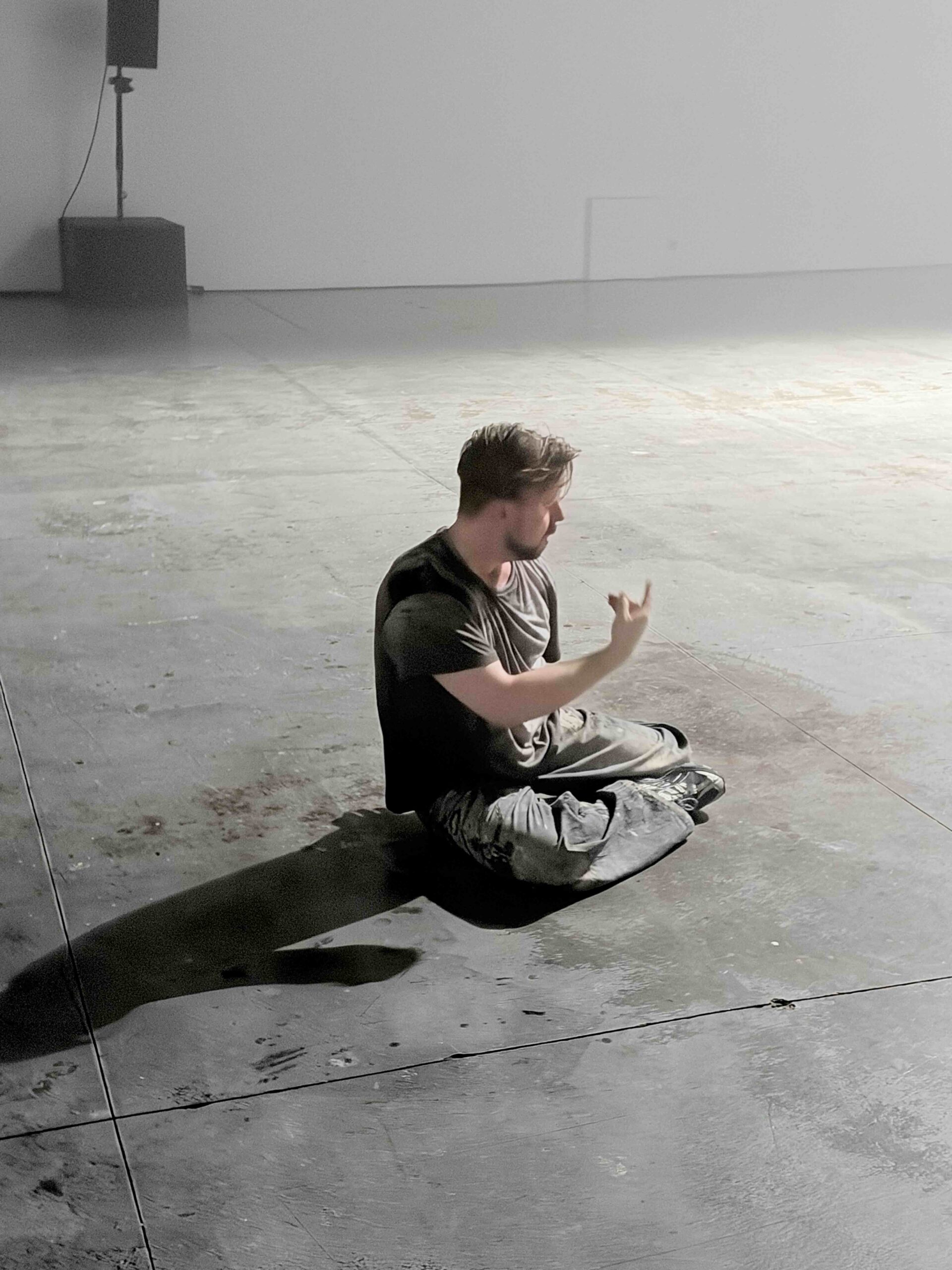
Traditional group portraits present people as a recognisable whole. The anti-portrait reverses that logic. Four independent works explored different experiences of presence, visibility and dependence on others. Their juxtaposition preserved differences and left room for audiences to draw their own connections. A sense of collectivity emerged through experiencing the performances in succession, without a single narrative or shared identity to define it.
Traditional group portraits present people as a recognisable whole. The anti-portrait reverses that logic. Four independent works explored different experiences of presence, visibility and dependence on others.
Both editions were accompanied by catalogues: a trilingual publication in Porto and a Polish–French one in Paris, featuring Artur Kos’s curatorial text A Collective Anti-Portrait and Ewa Opałka’s essay The Body After the Performative Turn. Along with photographs and films, they preserve traces of works tied to a particular place and time while extending reflection on the questions raised by the artists.
Porto and Paris have shown that bringing Polish performance art abroad matters beyond the presentations themselves. Artists reach new audiences, and their work enters into conversation with practices and questions shaping European contemporary art. These collaborations create opportunities for further joint projects. Planned editions in other cities aim to deepen those relationships and strengthen the place of Polish artists in the international performance art scene.
This project is co-financed by the Minister of Culture and National Heritage of the Republic of Poland from the Culture Promotion Fund.