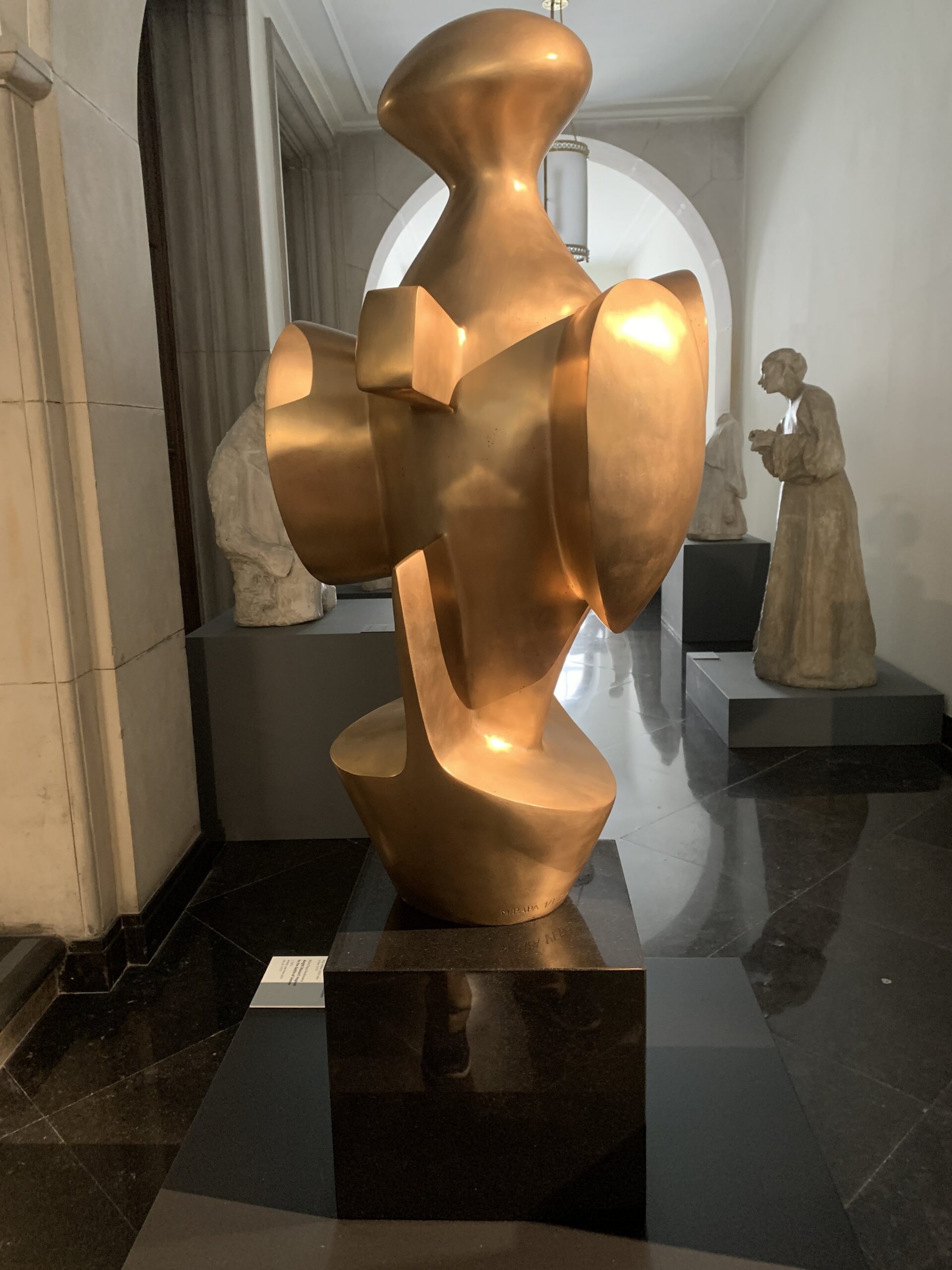




How does an artist find her place in art history when her male contemporaries have long received more attention? And what makes her work resonate with new generations? These questions are becoming increasingly relevant in the case of Maria Papa Rostkowska, a multidisciplinary artist and creator of tactile marble sculptures whose work was, for many years, exhibited alongside that of her male friends, including Jean Hans Arp, Lucio Fontana and Joan Miró.
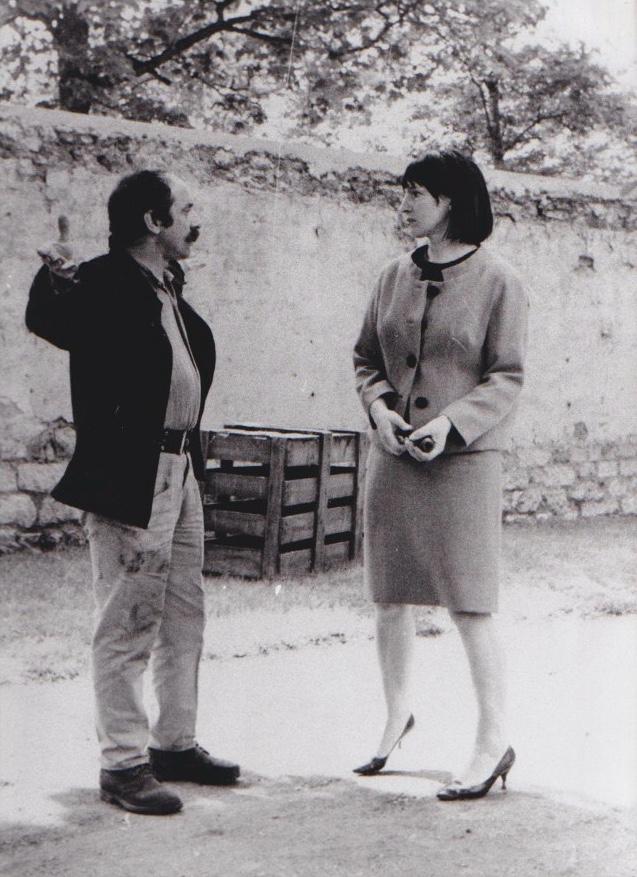
The twenty-first century has brought a reassessment of the male-dominated canon of art history. As Anda Rottenberg writes: “Hundreds of unknown or little-known women, whose art history, written by men, has either been forgotten or never discovered in the first place. Now they are making themselves heard through the voices of tireless women researchers.” For Maria Papa Rostkowska, this process of rediscovery has been marked by two significant turning points. The first came in 2014, with Woman of Marble, a major retrospective at the Xawery Dunikowski Museum of Sculpture at Królikarnia, a branch of the National Museum in Warsaw. The second came in 2023, when curator Marta Smolińska brought her work into dialogue with that of other women sculptors, including Magdalena Abakanowicz, Alina Szapocznikow and Maria Jarema, in the exhibition Haptic Resonance of Matter: Maria Papa Rostkowska and Female Guests on the Centenary of the Artist’s Birth at the Polish Sculpture Center in Orońsko.
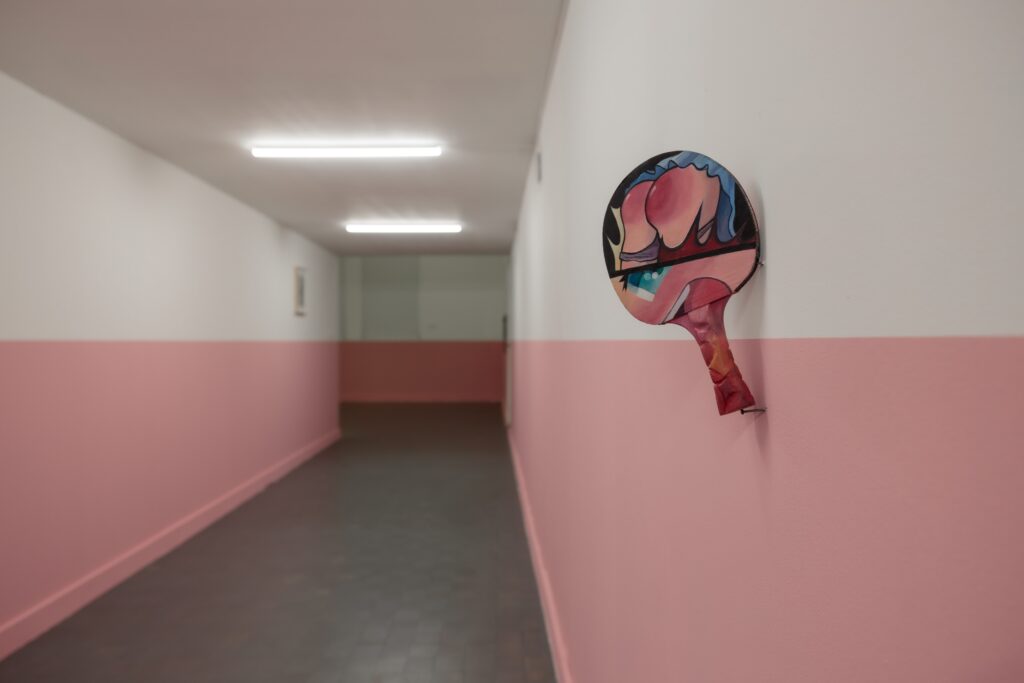
This recognition will continue in 2027 with two major exhibitions. At the Krupa Art Foundation in Wrocław, Papa Rostkowska’s work will be presented alongside a younger generation of artists in Tomboys. Opening on 27 May and curated by Natalia Barczyńska, the exhibition will feature Papa Rostkowska as its only historical figure, represented by approximately 25 sculptures in bronze, terracotta and marble. Most of her sculptures will be on loan from Polish museums and private collections
The work of this Polish-born sculptor, whose career spanned Poland, France, and Italy, will contribute to the cultural programme for the opening of a European Capital of Culture in France. This marks a meaningful moment in Franco-Polish cultural exchange and highlights the renewed role of women artists in the history of modern European sculpture.
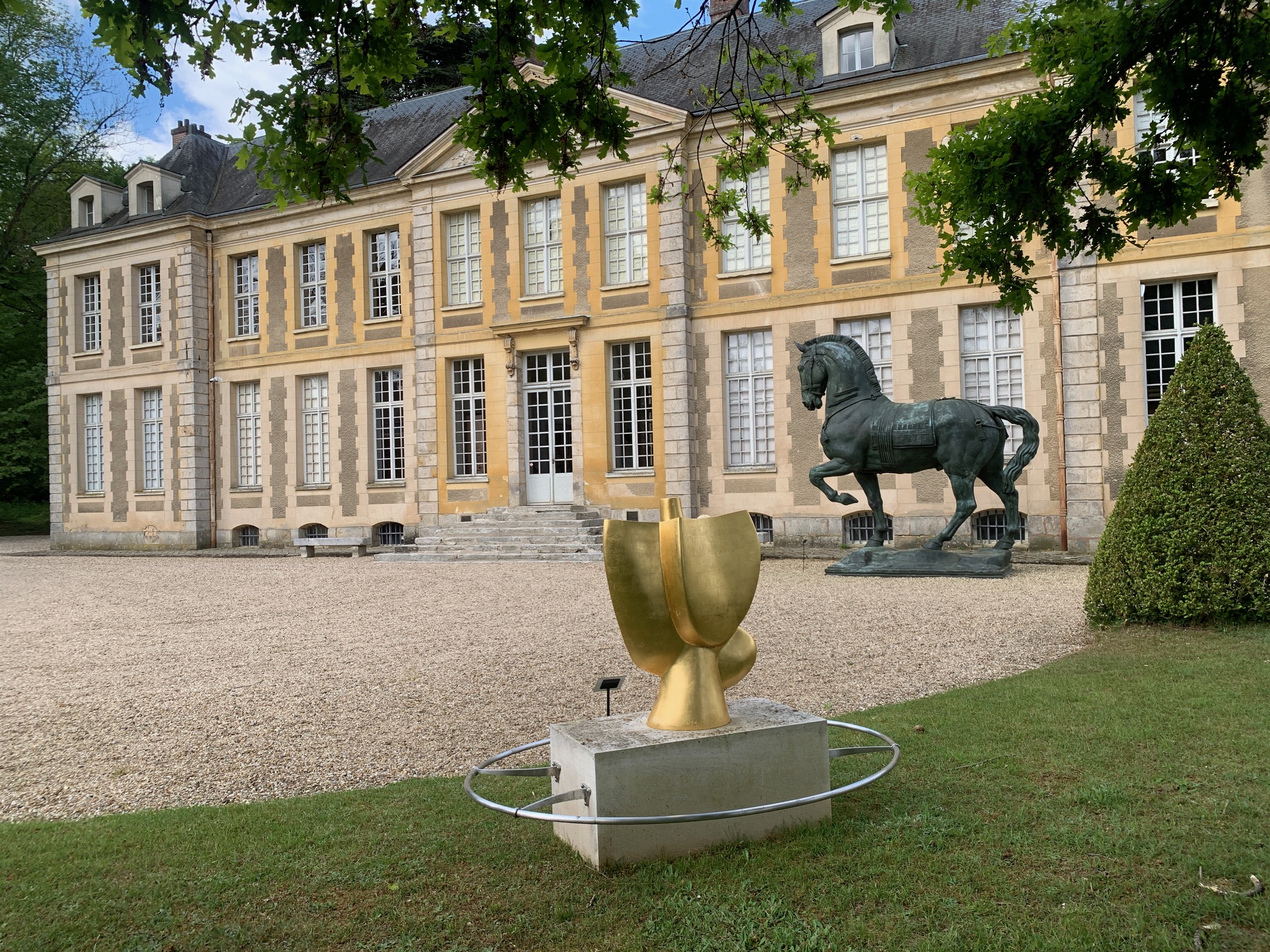
In parallel, a major solo exhibition is scheduled to open in June 2027 at the Musée Estève in Bourges, France, and will run until March 2028, coinciding with the beginning of Bourges’s year as European Capital of Culture.
The significance of this occasion goes beyond individual recognition. The work of this Polish-born sculptor, whose career spanned Poland, France, and Italy, will contribute to the cultural programme for the opening of a European Capital of Culture in France. This marks a meaningful moment in Franco-Polish cultural exchange and highlights the renewed role of women artists in the history of modern European sculpture.
These and numerous other events suggest that Papa Rostkowska’s place in the history of international art is being reclaimed, not only through the efforts of collectors, patrons and museum professionals, but above all thanks to her son, Nicolas Rostkowski.
A Love of Life
Despite being overlooked for many years in Poland, Papa Rostkowska remained committed to her artistic and social ideals. Her biography is notable: after studying architecture, she turned to painting before ultimately choosing sculpture. During the German occupation of Poland, she helped rescue Jews from the Warsaw Ghetto. As her son, Nicolas Rostkowski, recalls: “My mother was a Polish patriot. During the Warsaw Uprising, she fought with a machine gun in her hands, taking a direct part in the struggle against the Germans. She left Poland, or rather, fled the country for France in 1957, and for a long time afterwards she was unable to return, something she deeply regretted. Both her patriotism and the most important decisions of her life were closely bound up with Poland’s history and the political circumstances of the time.”
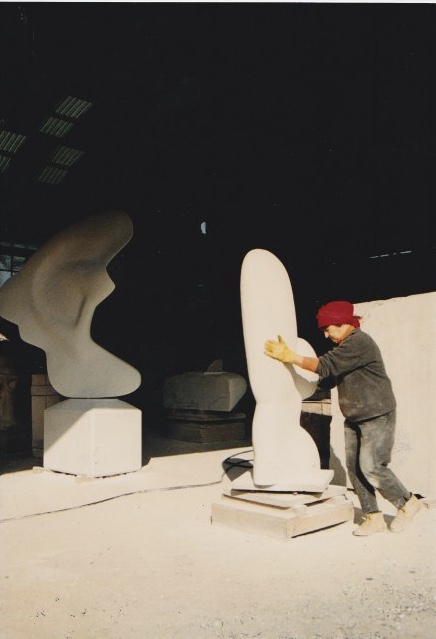
In the late 1960s, she settled in Italy and joined a circle of leading avant-garde artists, including Marc Chagall, Sonia Delaunay and Marino Marini. There, she began sculpting, initially working in clay and occasionally casting in bronze. She later turned her attention to marble, achieving a remarkable sense of delicacy and transience despite the material’s weight.
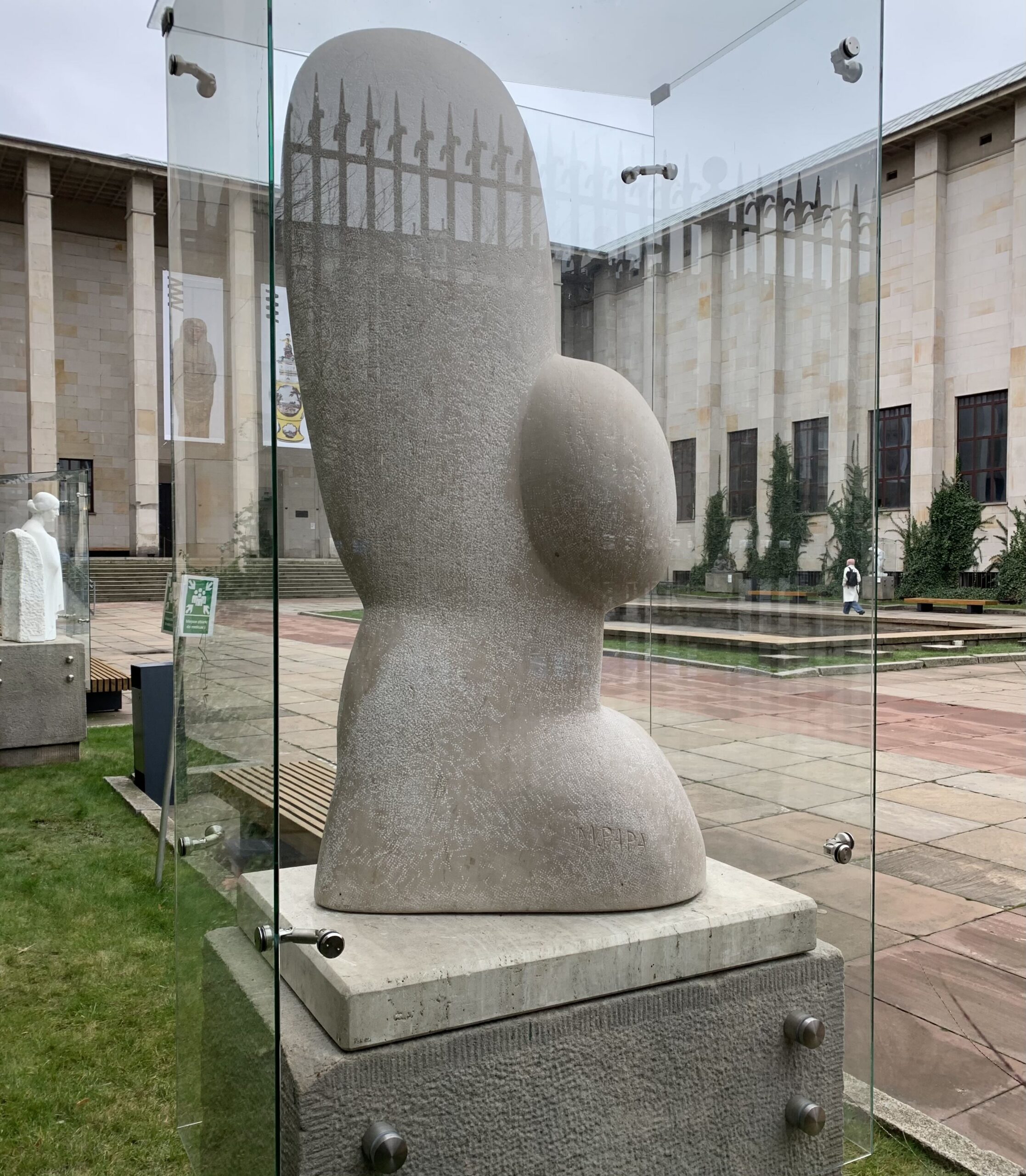
“What fascinates me most is how she balances abstraction and figuration, creating a harmonious blend of both. This recalls the approach of Jean Arp, whom I admire and who was also a close friend of Maria’s. It is this balance that deeply resonates with me. I am also struck by the softness of her sculptures and the optimism in their titles, like Source de vie. These works evoke a sense of happiness and a love of life. Despite experiencing hardship, particularly during the 1930s and 1940s in Poland, she created art that radiates beauty and joy. This contrast between her personal struggles and the spirit of her work is compelling and deserves to be shared”, says Mathilde Gubanski, director of Galerie Diane de Polignac in Paris, where Papa Rostkowska’s sculptures were exhibited in early 2026 as part of the exhibition Maria Papa Rostkowska & Wifredo Lam: Imaginaires Croisés – Albisola et au-delà.
A Rediscovered Legacy
Nearly eighteen years after Papa Rostkowska’s passing, her work is finally receiving broader critical recognition, with her sculptures now featured in major institutions worldwide, largely thanks to her son’s proactive approach to managing her artistic legacy. Rostkowski describes his strategy as resembling artificial intelligence. He invests in press materials, scholarly research, and the cataloguing of her works, with a particular focus on building strategic partnerships with gallerists, collectors and cultural institutions.
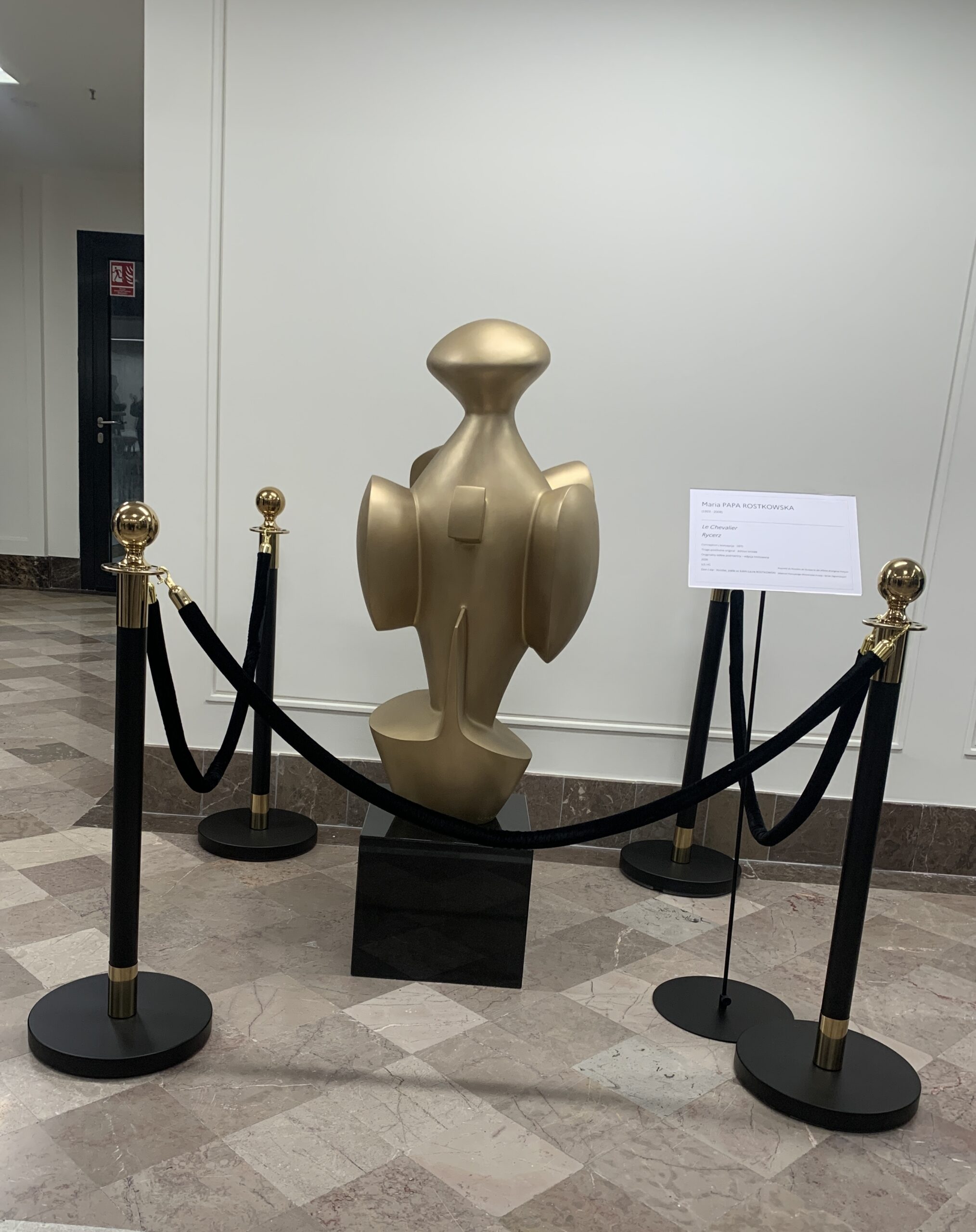
A recent example of this collaboration is the unveiling of Rostkowska’s sculpture The Warrior at the new French Institute headquarters in Warsaw in September 2026. Through her life and work, Maria Papa Rostkowska has become a symbol of Polish-French friendship. Her sculptures are displayed in the French Parliament in Paris, the Presidential Palace in Warsaw, and major museums in both France and Poland.
Yet the most significant events are still to come. In November, another of Papa Rostkowska’s works, Knight of the Desert, will be unveiled in the sculpture park of the Musée d’Art moderne in Troyes. On 12 November, the Association of the Légion d’Honneur, together with the Polish Institute, will organise a screening of Stanisław Pater’s film Woman and Marble (Kobieta i Marmur), accompanied by a conference on Papa Rostkowska entitled The Artist of Happiness, featuring Nicolas Rostkowski and his wife.
Nearly eighteen years after Papa Rostkowska’s passing, her work is finally receiving broader critical recognition, with her sculptures now featured in major institutions worldwide, largely thanks to her son’s proactive approach to managing her artistic legacy.
In March 2027, Galerie Diane de Polignac will organise the exhibition On Both Sides of the Iron Curtain: A Universal Art – A Cross-Cultural View Between Poland and France, as part of the 2027 Poland-France Cultural Season. Papa Rostkowska’s paintings from the 1960s will be presented alongside works by Marie Sperling, Józef Jarema and Maria Jarema. The exhibition aims to reveal the universal character of postwar Polish art and to demonstrate its artistic richness that emerged despite the challenges posed by the period’s fraught sociopolitical climate.
“For more than fifteen years, the gallery has been highlighting post-war artists from around the world who chose Paris as their place of life and creation at a key moment in their careers. These creators knew one another, formed strong friendships, and shared studios, cafés, salons, galleries… Together, they embody the incredible effervescence that elevated Paris to a major centre of post-war artistic modernity. Perfectly rooted at the heart of this Parisian artistic community, Maria Papa Rostkowska fits naturally into the spirit of our gallery. Her work was exhibited in Paris by the Galerie XXe siècle, just like Robert Helman, another artist we represent. It is therefore a true opportunity to work alongside her son, Nicolas Rostkowski, to promote her work today,” Gubanski emphasises.
Another significant event will be the previously mentioned exhibition titled Tomboys, organised by the Krupa Art Foundation in Wrocław. Afterwards, the sculptures will be exhibited at the Abbots’ Palace in Oliwa, a branch of the National Museum in Gdańsk, where they will be presented within the context of the New School of Paris. Rostkowski has stated, “After that, things will become even more intense.”
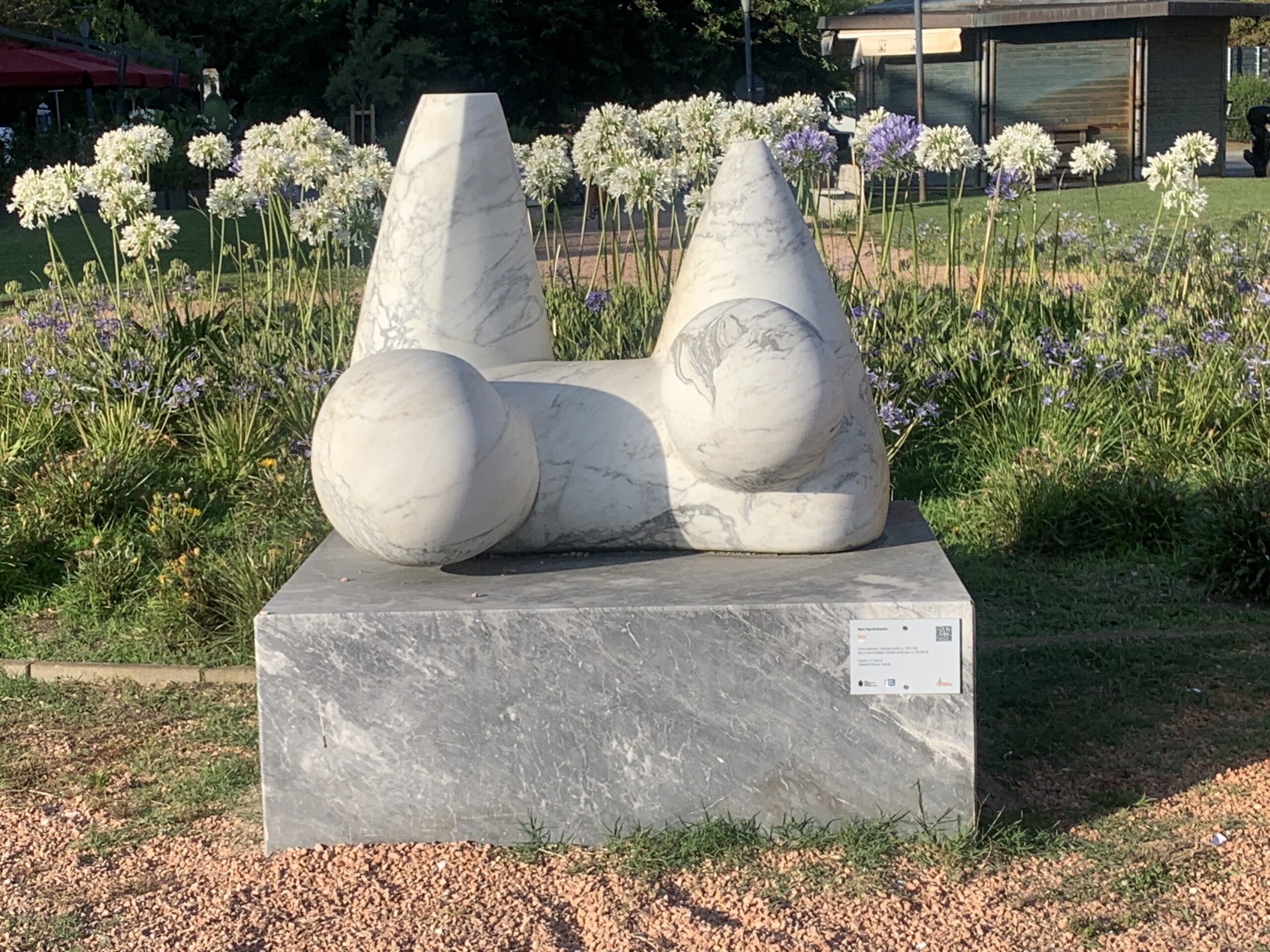
It is noteworthy that Papa Rostkowska’s works are part of prominent and established collections worldwide. These include the Palais Bourbon in Paris, where her three-metre-high marble piece, Promise of Happiness, is displayed; the Musée des Beaux-Arts de Dijon, which houses Spirito del tempo; the Museo dei Bozzetti in Pietrasanta; the collections of Banca Intesa in Milan, Henraux Foundation, the Museums of Grenoble, Paris, Lazienki, and the Royal Castle of Wawel.
The Importance of Patronage
Papa Rostkowska’s biography transcends that of a remarkable sculptor skilled in the resistance of marble or of an artist whose extraordinary life continues to attract critics and art enthusiasts. It also highlights the importance of thoughtful patronage and the dedication required to preserve and promote an artist’s legacy. Furthermore, it offers an example of the long-term strategy Nicolas Rostkowski has pursued with determination and commitment.
Papa Rostkowska’s biography transcends that of a remarkable sculptor skilled in the resistance of marble or of an artist whose extraordinary life continues to attract critics and art enthusiasts. It also highlights the importance of thoughtful patronage and the dedication required to preserve and promote an artist’s legacy.
In an era characterised by information overload, when gaining visibility becomes increasingly challenging, his dedication offers a compelling model for the heirs of distinguished artists. Importantly, preserving and promoting Maria Papa Rostkowska’s artistic legacy has been a collective endeavour, bringing together Nicolas Rostkowski, his wife Joëlle, and their daughter Edith Laure. Their shared commitment demonstrates that safeguarding an artist’s legacy is not merely an individual responsibility but a sustained collaborative effort. The responsibilities of those entrusted with such a legacy extend beyond preserving the memory of those who came before them; they must also ensure that their artistic achievements continue to receive the recognition and respect they deserve.