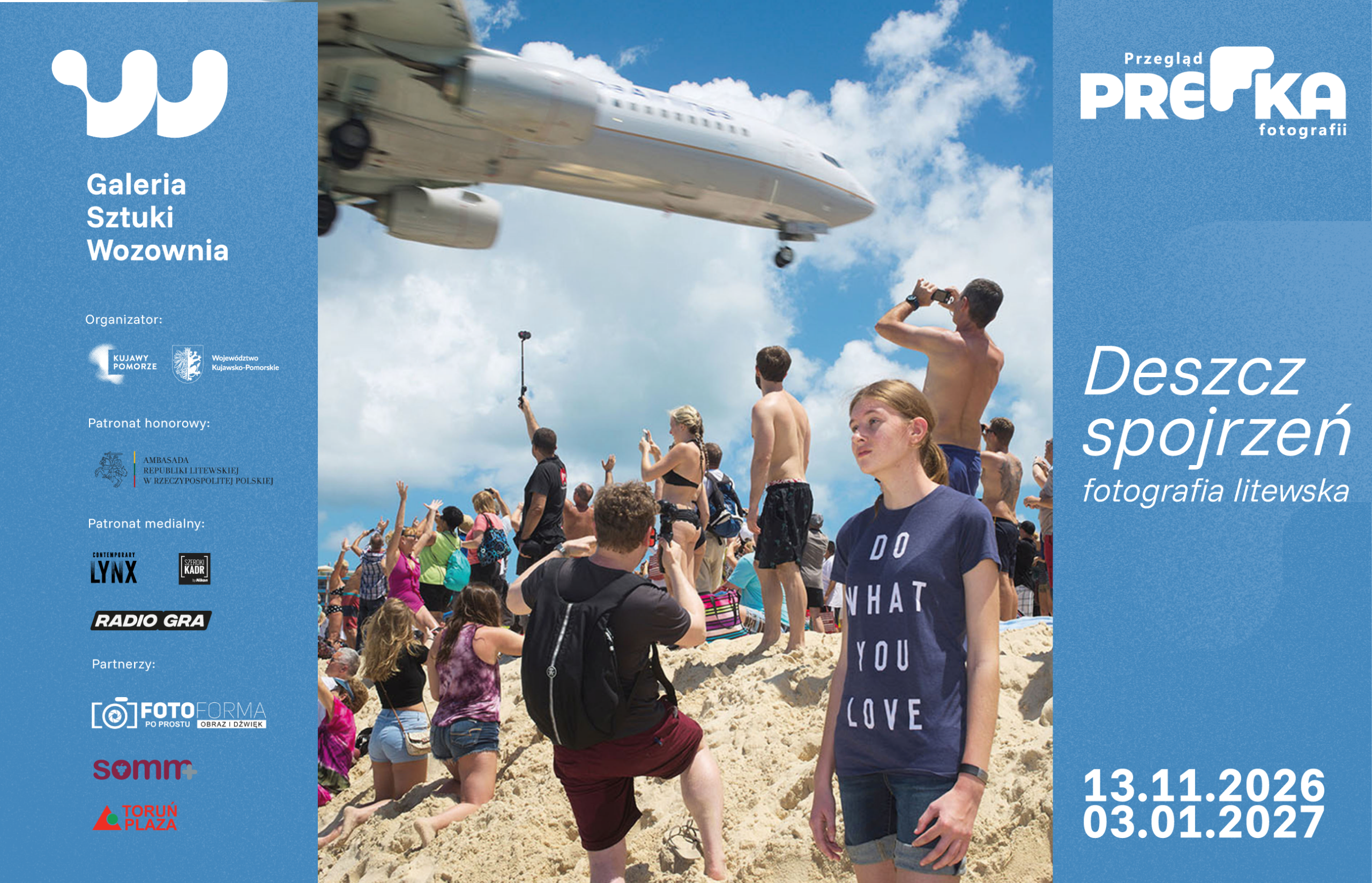







November 13, 2026 – January 3, 2027
In Lithuanian, one of the oldest languages in Europe, the word for Lithuania is etymologically linked to rain. Yet Lithuania is more than just a “rain-soaked land”. It is a country with a rich cultural heritage, in which the art of photography holds a particularly significant place.
At the heart of the Lithuanian humanist photography presented in this exhibition – one of the most important phenomena in the field of twentieth-century European photography – lies an authentic encounter with, and a profound interest in, other people. The visual qualities of the photographic image itself become merely a starting point for deeper reflection.
Bringing together works by twelve artists from different generations, this wide-ranging presentation offers a multifaceted and candid account of a remarkable time and place. It reveals the strength and resilience of Lithuanian culture, the yearning for creative freedom during the dark years of Soviet rule, and the uninhibited diversity of the country’s contemporary art. It is also an invitation to discover and reinterpret a lesser-known face of Lithuania. Through the artists’ lenses, we encounter both sites inscribed on the UNESCO World Heritage List and the tragedies of the twentieth century, including the Holocaust and deportations to Siberia. The photographs also document the anti-Soviet resistance movement, desperate attempts to preserve national identity, and, finally, the profound transformations of the landscape and of human attitudes, as Lithuania returned to what was then known as the “free world”.
The exhibition unfolds through the distinctive artistic visions and approaches of its photographers. It opens with the work of Domicelė Tarabildienė (1912–1985), whose avant-garde self-portraits and photomontages take us back to the 1930s. Combining decorative elements, symbolism, surrealism and Art Deco aesthetics, her work demonstrates an extraordinary ability to create an imaginative universe long before the advent of the digital age.
Rimantas Dichavičius (b. 1937), by contrast, represents a more classical approach to the medium. His photographs offer us valuable ethnographic records from the years 1959–1979. The artist documented a rich variety of roadside crosses, traditional architecture and rural life in villages that had withstood the destructive force of Soviet collectivisation. Travelling across the country by motorcycle, he established an unusual atmosphere of trust in the provinces, capturing a world seemingly untouched by the upheavals of history.
Aleksandras Macijauskas (b. 1938) was also concerned with documenting the spaces and relationships between people. In his series Rural Markets (1968–1987), he recorded traditional marketplaces, portraying people immersed in the everyday concerns and necessities of life. Using wide-angle lenses and harsh lighting, he laid bare human weaknesses, prompting critics on numerous occasions to compare his work to scenes from the paintings of Pieter Bruegel.
A somewhat different perspective emerges in Romualdas Požerskis’s (b. 1951) series Restless Riders, created in the 1970s. It is a fascinating account of the pursuit of freedom, youthful rebellion and the motorcycle subculture that flourished in the stifling atmosphere of occupied Lithuania. The series resembles a unique road movie in which the artist explores the formation of identity among the younger generation.
The picture of the past is further enriched by Zenonas Bulgakovas (1939–2023), the chronicler of the city of Alytus. He had a remarkable ability to overcome the bleakness of the grey, concrete realities of everyday life in the Soviet Union, transforming them into a backdrop filled with warmth, humour and the vitality of ordinary human existence.
The photographic narrative presented in the exhibition moves seamlessly from the years of war and occupation to the transformations and realities of contemporary life, giving a voice to successive generations of photographers.
Vytautas V. Stanionis’s colour series Farewell Images (2003–2004) offers a melancholic glimpse of the vanishing communities of small towns. Its monumental square-format photographs, taken shortly before Lithuania joined the European Union, mark a visual threshold between a difficult past and the promise of a better future.
Donatas Stankevičius (b. 1984) assumes the role of a visual anthropologist in his series Legendary Past. With extraordinary precision, he reconstructs memories of the 1990s, incorporating personal artefacts from his youth into carefully staged compositions – objects such as video game consoles and chewing gum. As a result, his images bear a striking resemblance to amateur photographs found in family albums.
A return to the very essence of humanist photography can be found in After Mass, a collaborative project by Tadas Kazakevičius (b. 1984) and Artūras Morozovas (b. 1984). The artists travelled to the Lithuanian countryside on religious holidays, portraying its inhabitants with empathy and sensitivity.
Gintaras Česonis (b. 1974) explores the architectural dimension of identity in his sophisticated series The Modernity of Rear Façades. The project offers an insightful study of Kaunas Modernism of the 1920s and 1930s, recognised by UNESCO as a World Heritage Site. Building a sense of visual tension, the artist juxtaposes the monumental, imposing front façades of buildings with the unpretentious simplicity and honesty of their rear elevations.
Dovilė Dagienė (DODA) turns to organic matter and the processes of memory in her project Plant Memories. Exploring the intricate relationship between historical memory and oblivion, she draws inspiration from traditional crafts. Using chlorophyll extracted from plants, she creates unique anthotypes on leaves, which she calls phytographs.
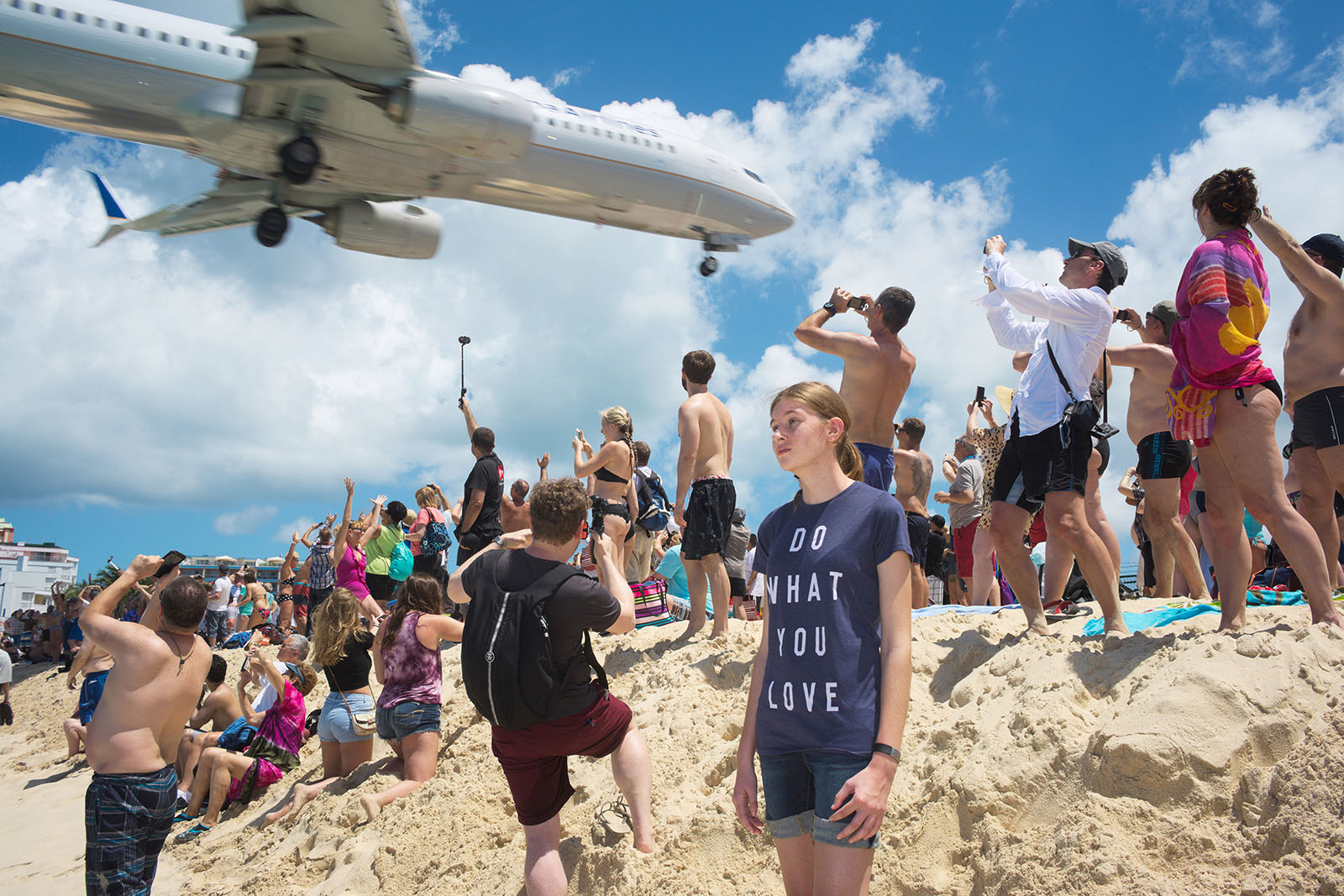
The exhibition concludes with a contemporary perspective in Mindaugas Kavaliauskas’s (b. 1974) project A-Spot. Created across five continents, the series explores the global relationship between people and aviation. Portraying enthusiasts gathered around airports, the artist presents plane spotting as a form of modern-day pilgrimage – a transnational ritual that brings together people from the farthest corners of the world.
The exhibition Lithuanian Photography: A Rain of Gazes invites visitors to encounter the reality of Lithuania, where the testimonies of great historical events are inextricably intertwined with an enduring visual sensitivity and an authentic, humanist fascination with the world and the human condition.