



What does it take to make contemporary art more accessible, meaningful and connected to the world around us? For Hestia’s Artistic Journey Foundation, the answer lies in supporting projects that bring artistic practice into dialogue with pressing social and environmental challenges. Through its National Grant Programme, the Foundation has been building a platform for artists and cultural institutions across Poland, encouraging them to engage local communities and rethink who gets to participate in cultural life.
Now entering its fourth edition, the programme continues to develop its original mission while placing an increasingly strong emphasis on accessibility. With over PLN 1.5 million already distributed and approximately 200 applications received each year, it has become an important source of support for cultural initiatives of different scales.
Through its National Grant Programme, the Foundation has been building a platform for artists and cultural institutions across Poland, encouraging them to engage local communities and rethink who gets to participate in cultural life.
Rising Awareness Through Art
The National Grant Programme Hestia Artistic Journey is rooted in a simple but ambitious belief: art can help us understand the world we live in and reconsider our responsibility towards it. Established by ERGO Hestia in 2014, the programme supports artists and cultural institutions planning exhibitions that address the changing social and environmental landscape. Its scope is deliberately broad, allowing different artistic approaches to engage with questions of community, ecology, identity, memory and other conditions that shape contemporary life.
Accessibility has gradually become one of the programme’s central concerns. Under the theme Time of Opening (Czas otwarcia), introduced in the second edition and continued in the third and fourth, the Foundation has placed particular emphasis on broadening participation in cultural life. This means considering accessibility from the earliest stages of exhibition planning, rather than treating it as an additional element introduced only after the artistic concept is complete.
Every supported project must include educational and community-oriented activities designed to involve local audiences. These may take the form of workshops, meetings, guided tours or other forms of participation that allow visitors to approach the exhibition through different experiences and perspectives. The projects must also meet accessibility requirements, making it possible for people with specific needs to visit and engage with them.
Accessibility has gradually become one of the programme’s central concerns. Under the theme Time of Opening (Czas otwarcia), introduced in the second edition and continued in the third and fourth, the Foundation has placed particular emphasis on broadening participation in cultural life.
The programme therefore considers accessibility at several levels: the physical conditions of visiting an institution, the ways in which information is communicated and the opportunities for audiences to participate in cultural activities.
The Collective Dimension of Memory
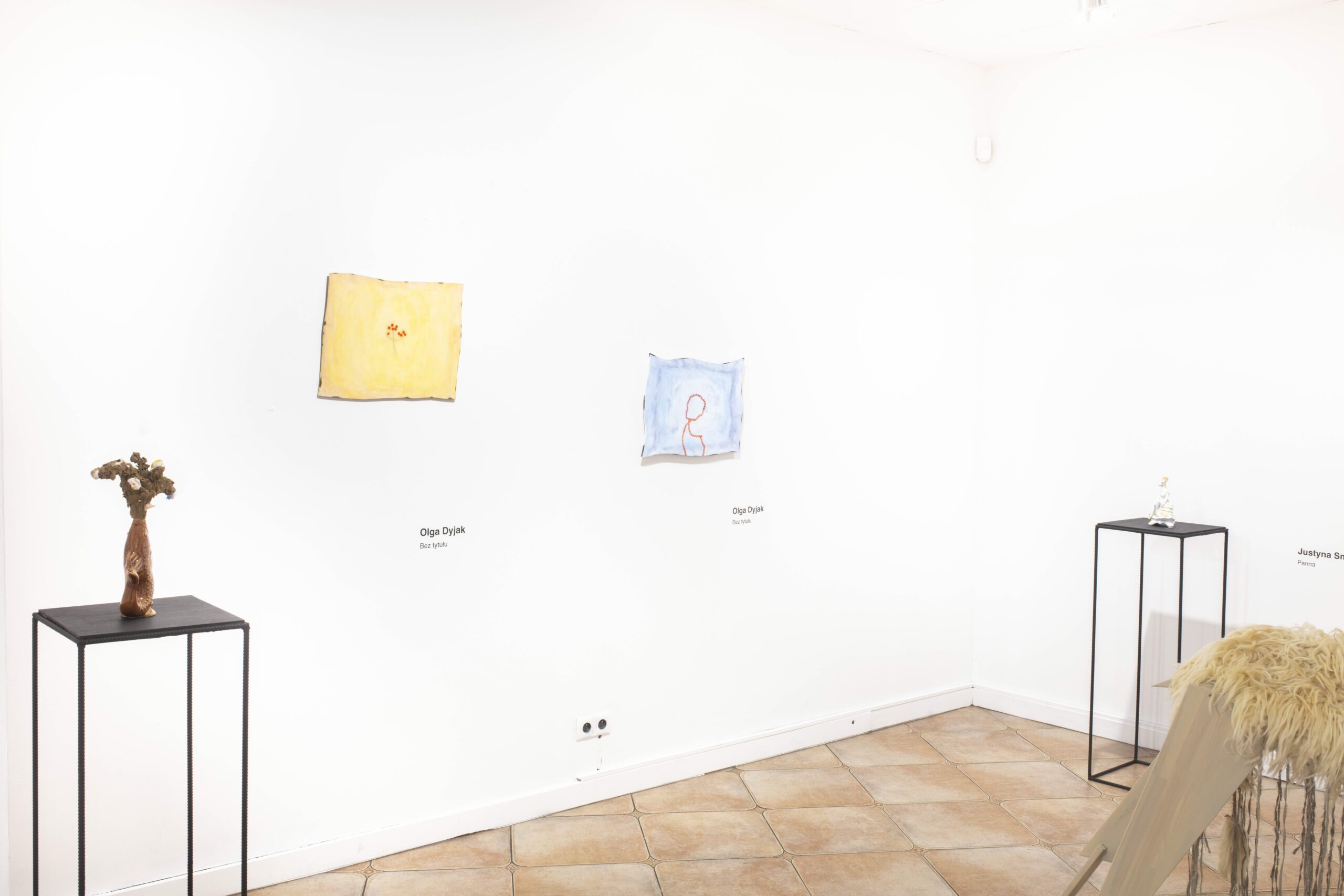
The third edition awarded eight projects to prepare an exhibition for 2026 or 2027. Among them is Ślady pamięci (Traces of Memory), organised by the Szałfynster Foundation in Katowice. Presented between September and October 2026, it explored the relationship between memory, nostalgia and collective identity.
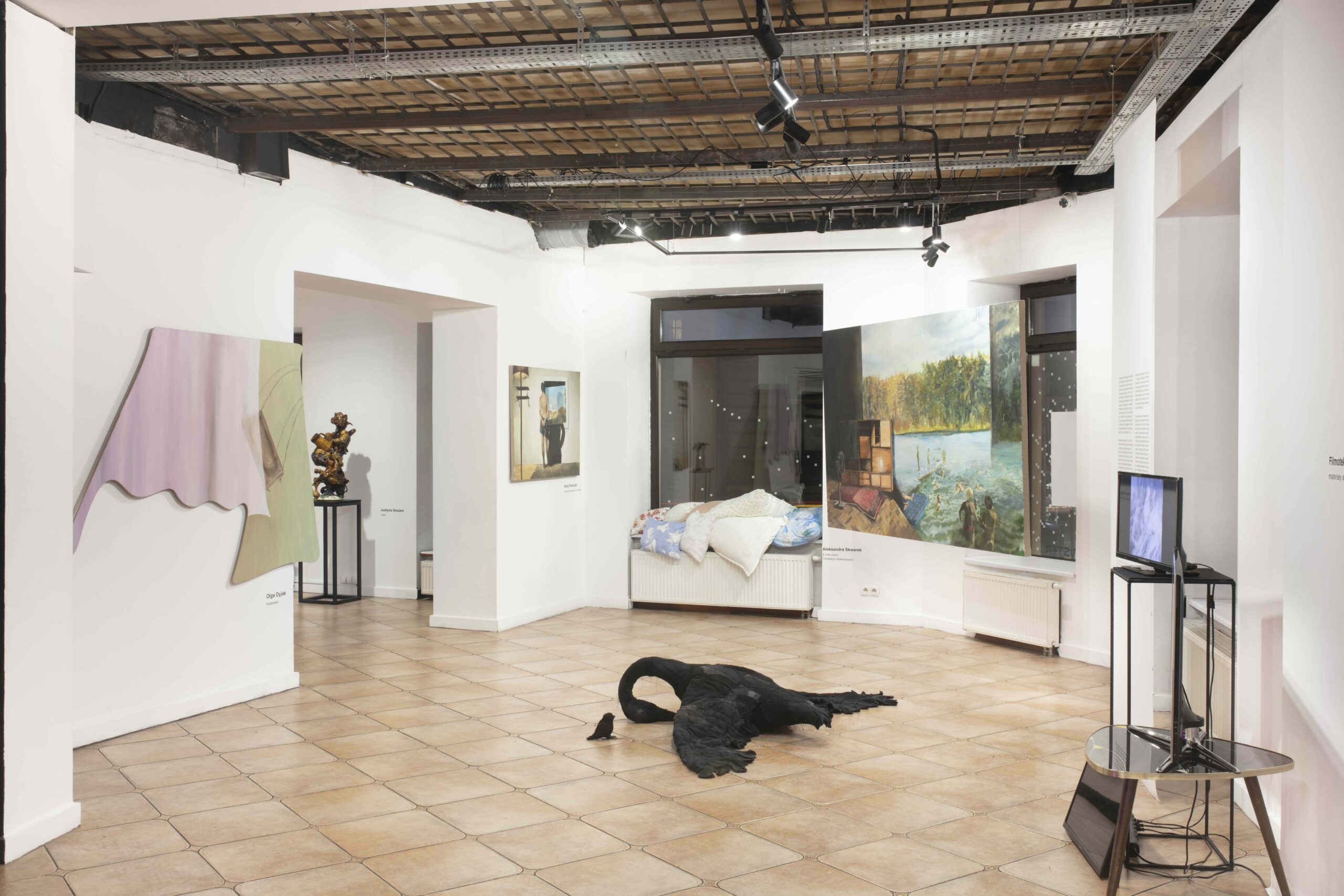
Can contact with artworks and archival materials help us recover memories that seem to have disappeared? The project approached this question through the perspective of social responsibility towards older people and those affected by dementia and other cognitive disorders. Memory is often understood as something deeply personal, closely connected to individual identity and the ability to make sense of one’s past. The exhibition proposed viewing it as a shared resource, one that can be lost and requires collective care.
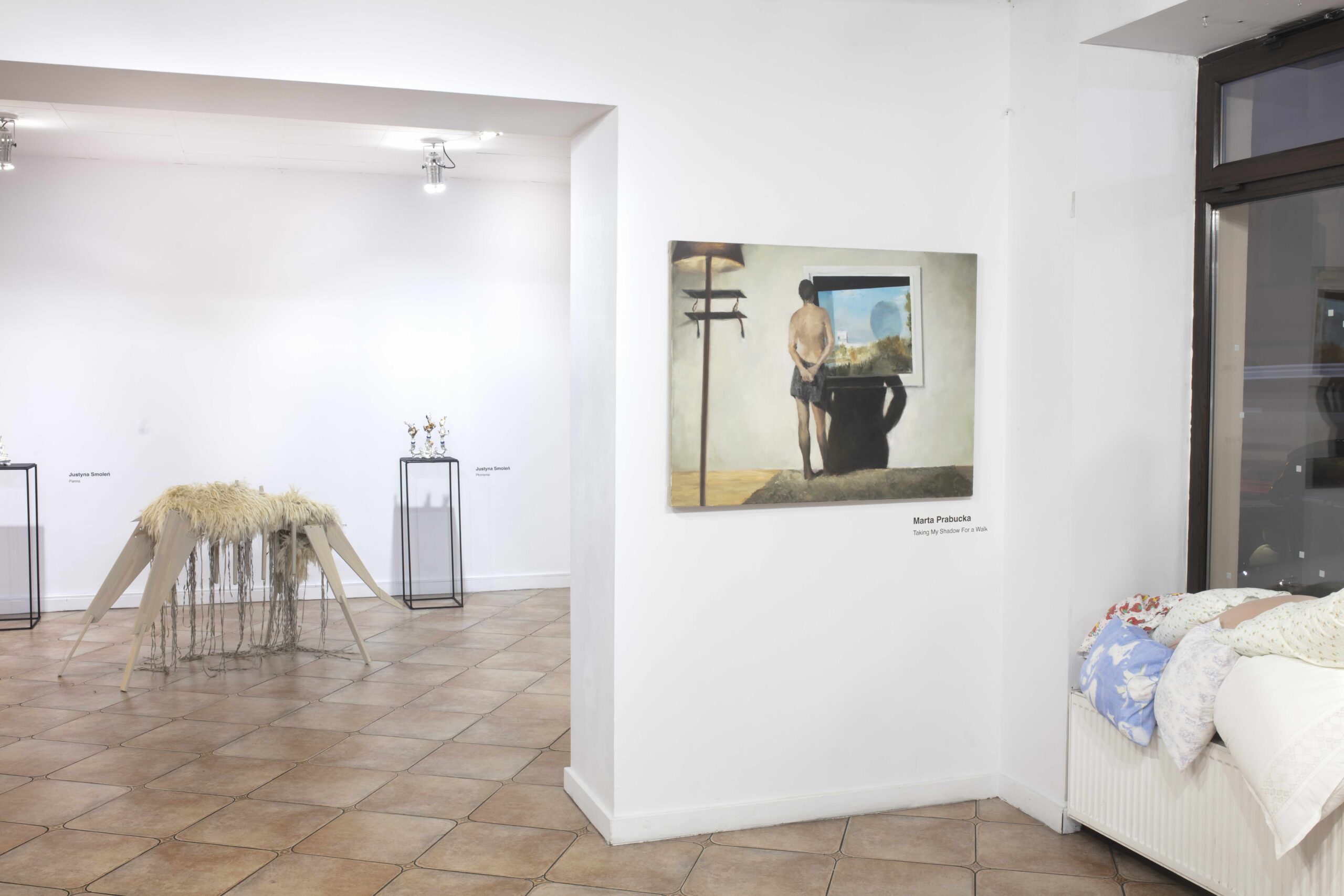
Works by Jan Baszak, Olga Dyjak, Marta Prabucka, Anna Skrzypek, Aleksandra Skwarek and Justyna Smoleń formed part of the project, curated by Katarzyna Kamińska and Barbara Cabaj. Accompanied by an educational programme, Memory Traces aimed to explore the community-building and therapeutic potential of nostalgia while raising awareness of dementia and the role art therapy can play in supporting people affected by it. The project demonstrated how an exhibition can become a starting point for conversations that extend beyond the gallery and involve people whose experiences are often overlooked.
Growing out of Destruction
At the State Art Gallery in Sopot (Państwowa Galeria Sztuki w Sopocie), Norbert Delman approaches environmental transformation through a large-scale sculptural installation. Temporary Buoy, curated by Jarosław Lubiak, opened on 2 October 2026 and will remain on view until 31 January 2027.
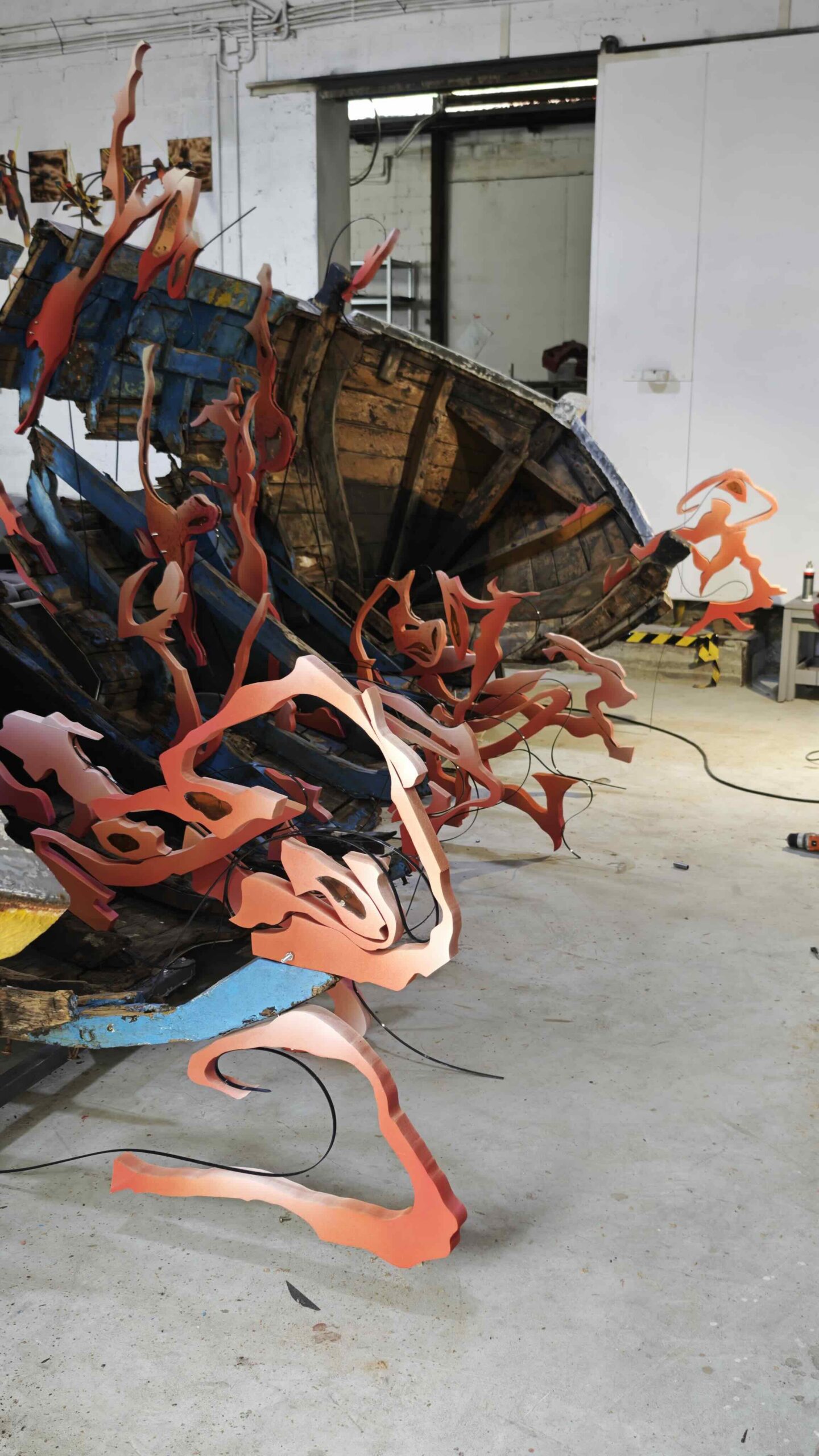
At the centre of the exhibition is a seven-metre fishing boat – an actual remnant of human civilisation that becomes a site for the emergence of imagined forms of life. Around and across its structure, Delman creates an abstract composition of sculptural forms that appear to grow over the vessel. Their ambiguous shapes invite associations with organisms and underwater environments, suggesting a world in which new life might emerge among the remains of human activity.
The installation offers a sculptural interpretation of processes of decay and transformation. It draws attention to ecological disasters caused by human activity, the uncontrolled accumulation of waste and the spread of pollution throughout the environment. Delman focuses on the moment when destruction becomes a starting point for creation: the collapse of one world opens up the possibility of another, still unknown and difficult to define.
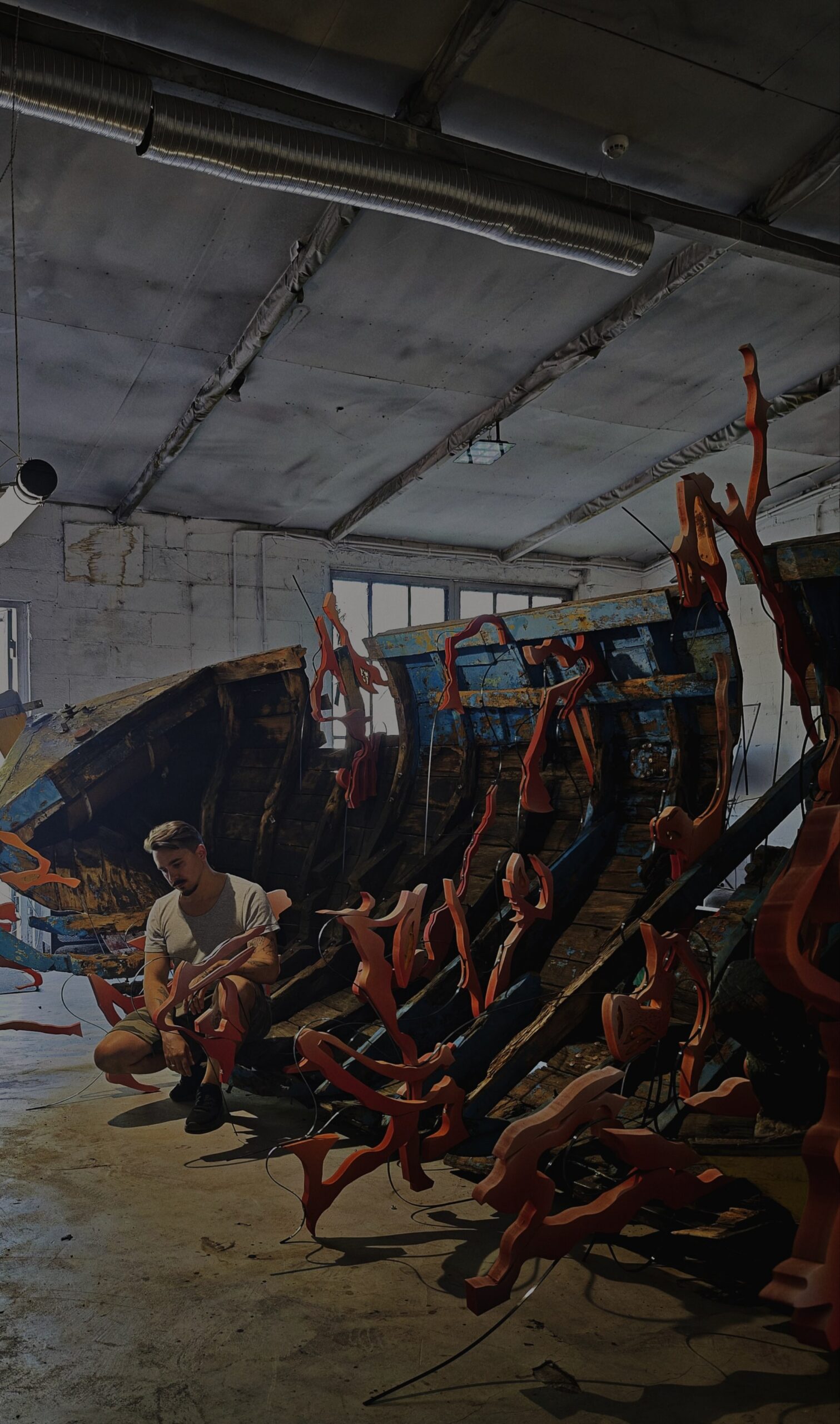
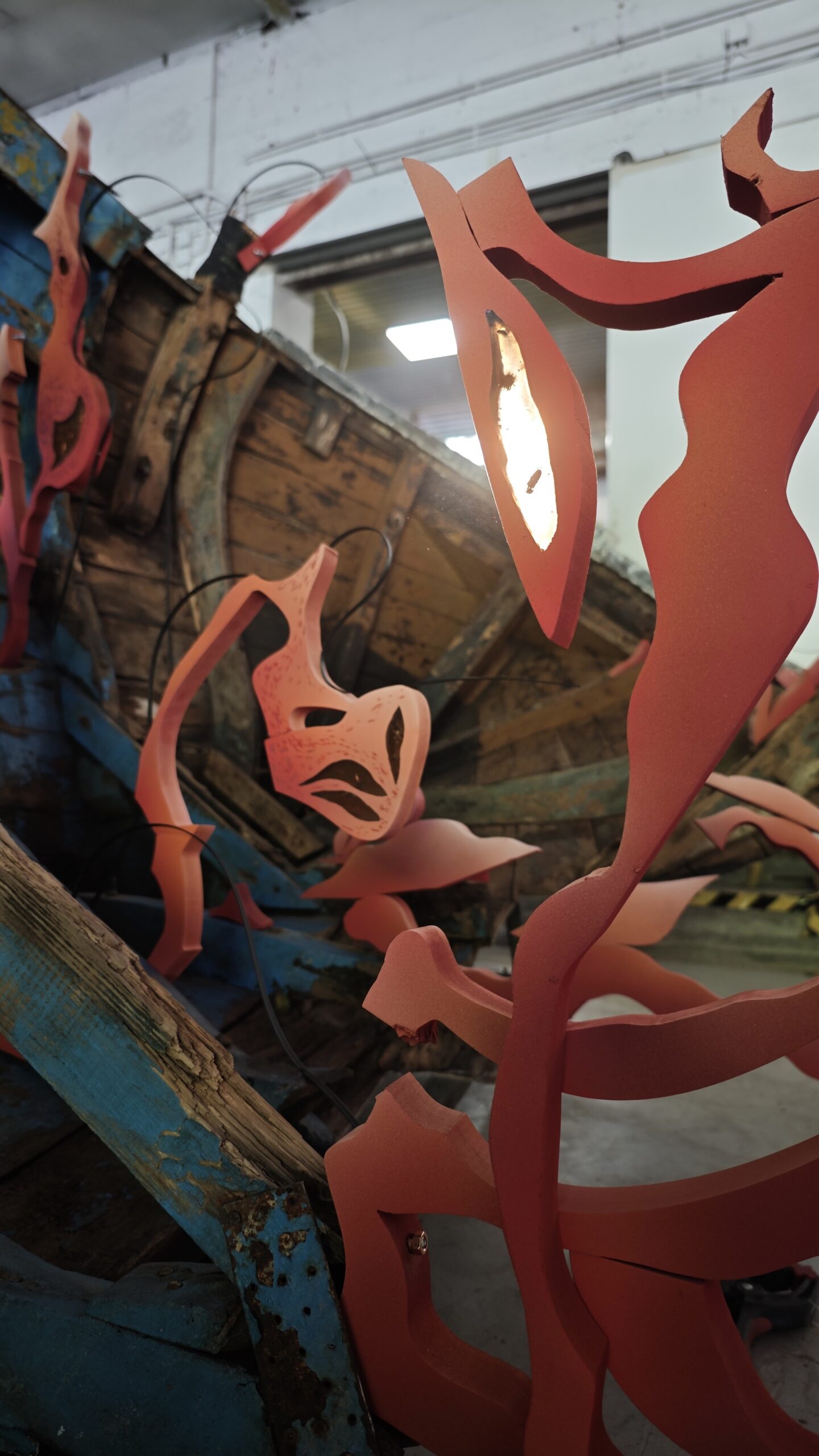
The exhibition also offers an example of how accessibility can become part of the visitor’s experience. The installation invites visitors with visual impairments to discover its forms and textures through touch. Selected events accompanying the exhibition have also been interpreted into Polish Sign Language. This way, the project extends its reflection on human relationships with the environment with the question of how different audiences can experience art.
Personal Imprints
Another project supported by the programme brings together two generations of sculptural practice. Presented at Zachęta – National Gallery of Art in Warsaw, Alina Szapocznikow / Nairy Baghramian opened in October 2026 to mark the centenary of Szapocznikow’s birth. Curated by Paweł Pyś, the exhibition places the work of the Polish sculptor alongside that of Iranian-German artist Nairy Baghramian. On view until 31 January 2027.
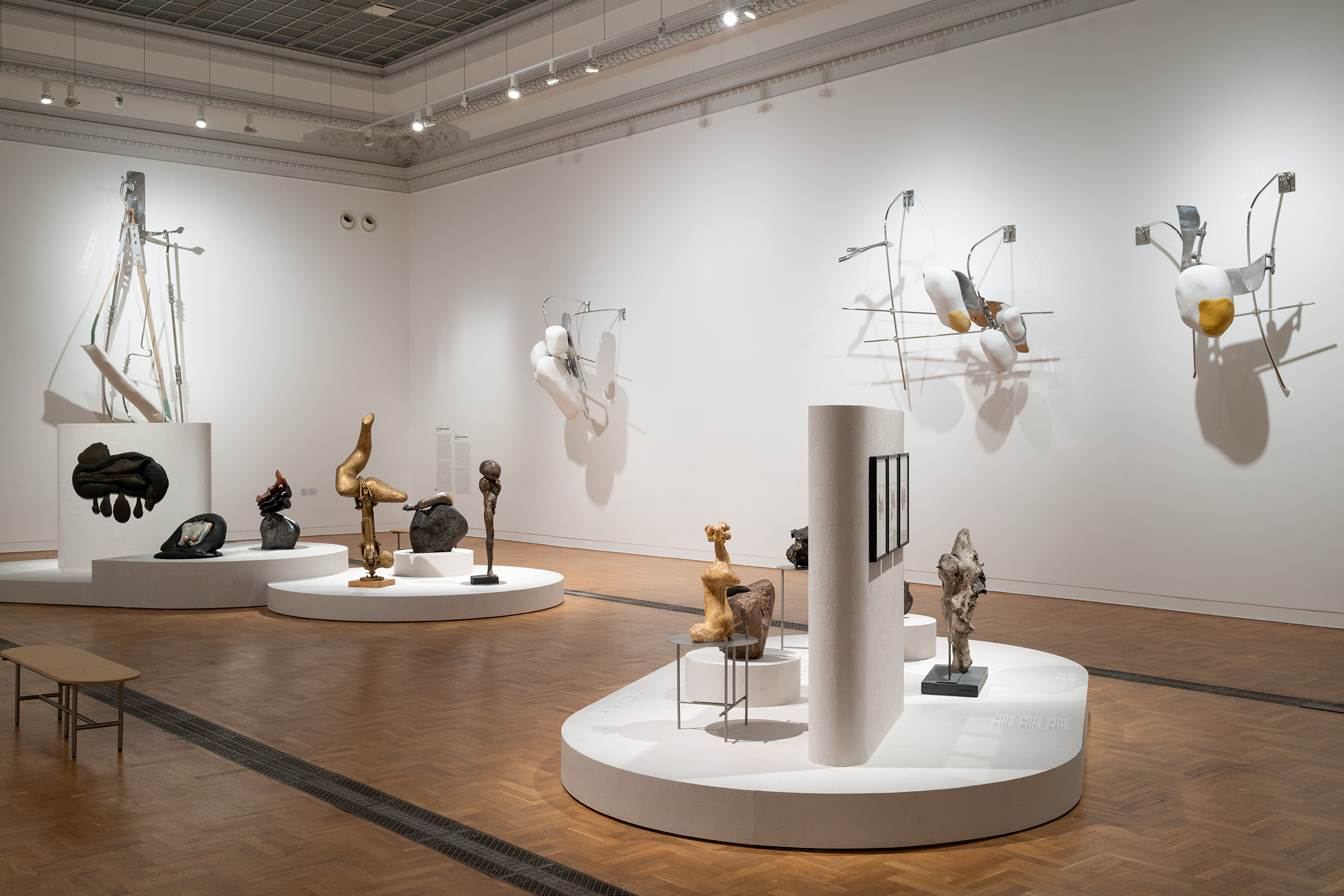
The dialogue reveals unexpected connections between artists working in different historical and cultural contexts. Both explore the body, sensuality, illness and the experience of passing time, while experimenting with materials and drawing on the language of industrial design. Their practices show how sculpture can question established conventions while addressing the vulnerability and resilience of the human body
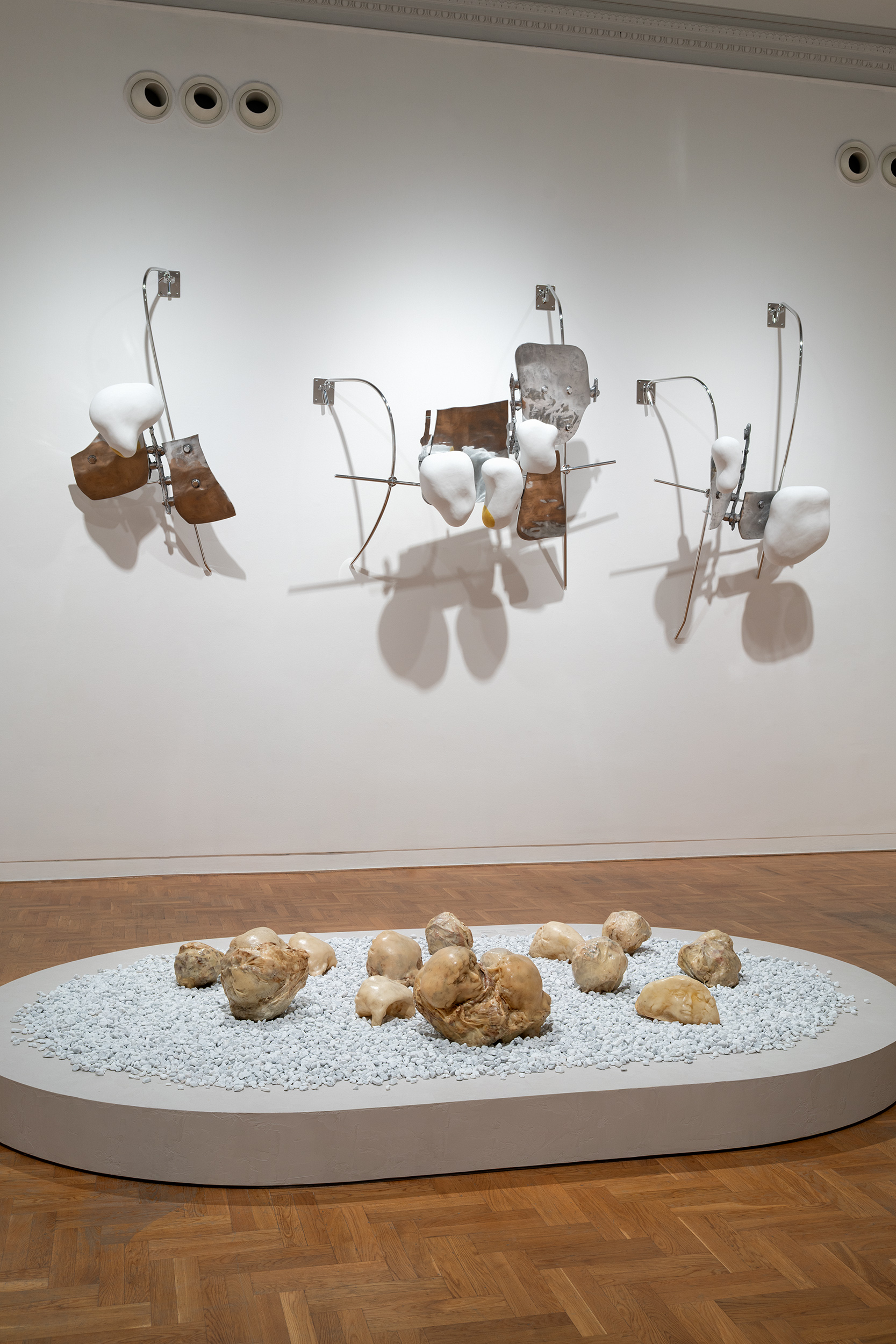
The exhibition presents more than thirty works by Szapocznikow from 1959–1972, including Leg, the Tumours series and Herbarium. These works trace the artist’s movement from figurative sculpture towards increasingly experimental forms and investigations of the human body. They are presented alongside Baghramian’s works from the Scruff of the Neck series and the monumental Headgear (2016), created with the exhibition space in mind.
A Landscape Shaped by Human Impact
At the Central Museum of Textiles in Łódź, Przemek Branas explores the relationship between nature, colonial history and human intervention in the landscape. Thirsty Trees, curated by Marta Kowalewska, opened on 22 October 2026 and will remain on view until 14 March 2027. At its centre is eucalyptus, a tree whose journey across continents carries a history of colonial ambitions.
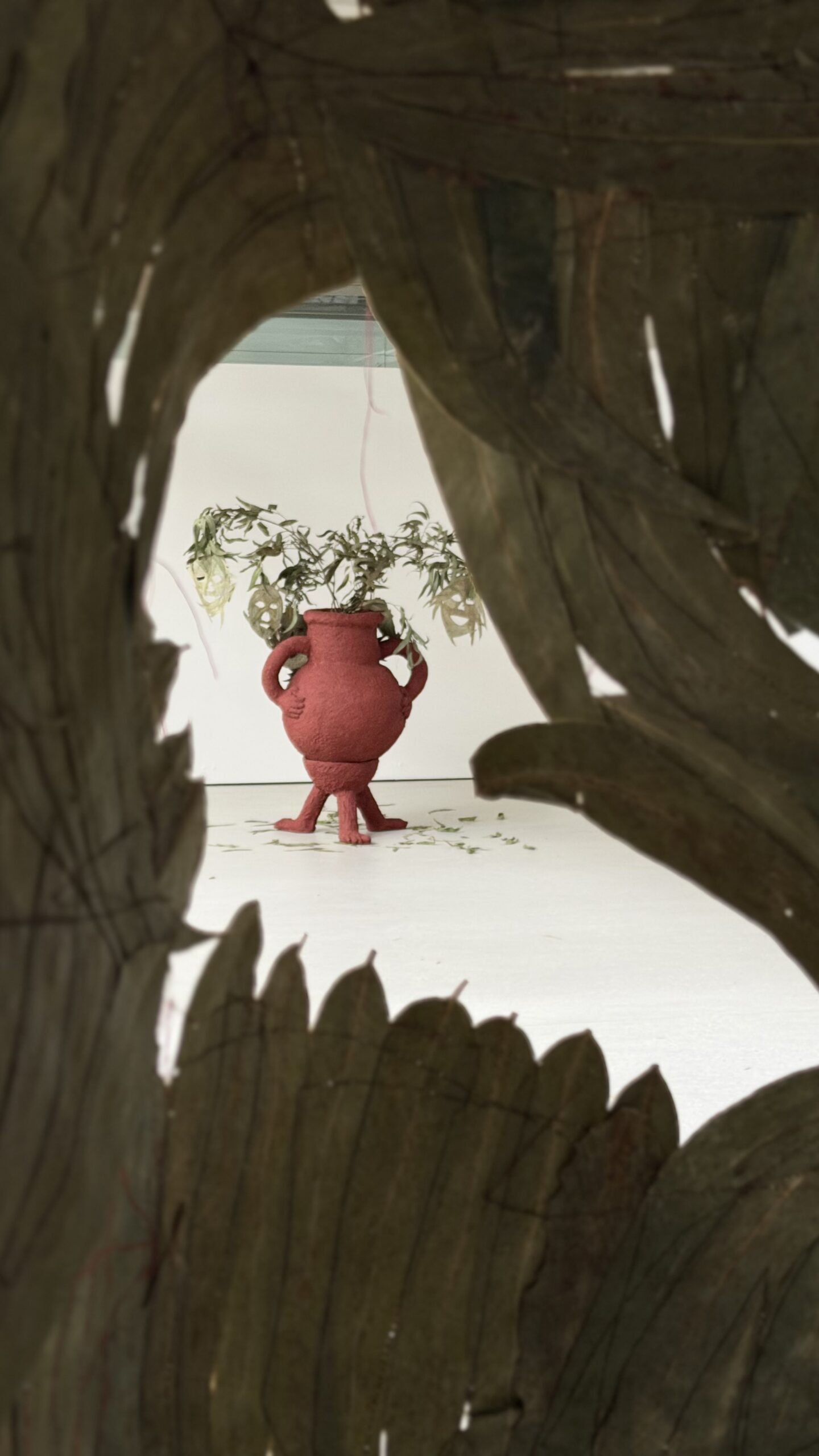
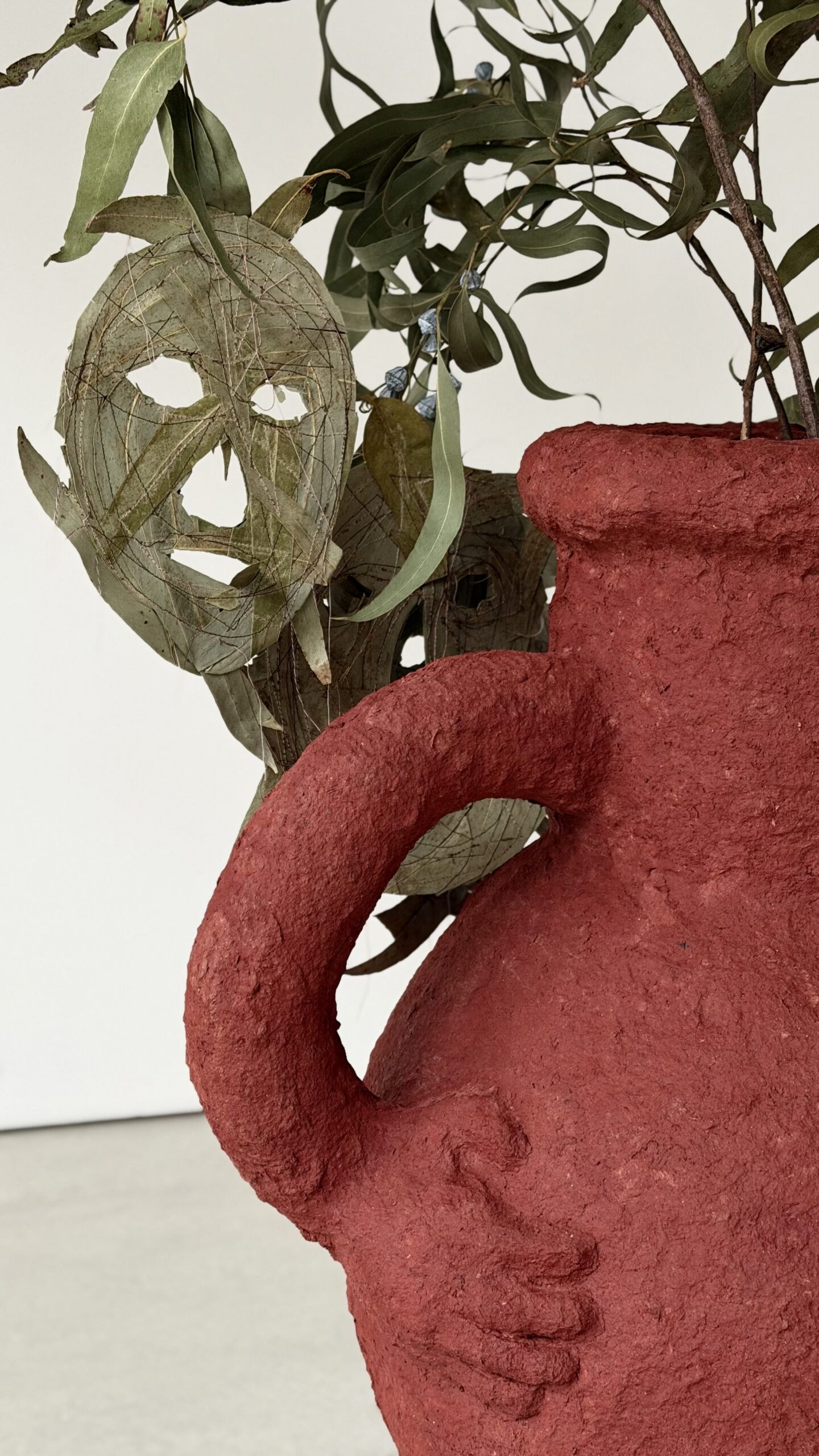
The main element of the installation is a suspended curtain made from eucalyptus leaves. Branas dries, catalogues and sews them together, transforming fragile plant fragments into elaborate structures resembling textiles, membranes and organic tapestries. Faces and hands appear across their surfaces, leaving traces of human presence within the plant material. The artworks, made in Portugal, travelled to Poland to tell about monoculture, colonialism and the environment. It is also a sensory experience. Its hanging curtains evoke a dense forest, but also screens that can conceal or reveal what lies beyond them. Smell plays an equally important role. The sharp, oily scent of eucalyptus fills the space, creating an invisible structure that activates memory and emotions.
Behind this immersive environment lies the history of a plant originally native to Australia. During the nineteenth century, eucalyptus was introduced to Europe, Africa and South America, where its rapid growth and ability to absorb large quantities of water made it useful for draining wetlands and reshaping landscapes. Colonial botanists, engineers and administrators promoted the tree as a means of improving air quality and bringing health, order and progress to different territories. Its distinctive scent became associated with cleanliness and civilisation.
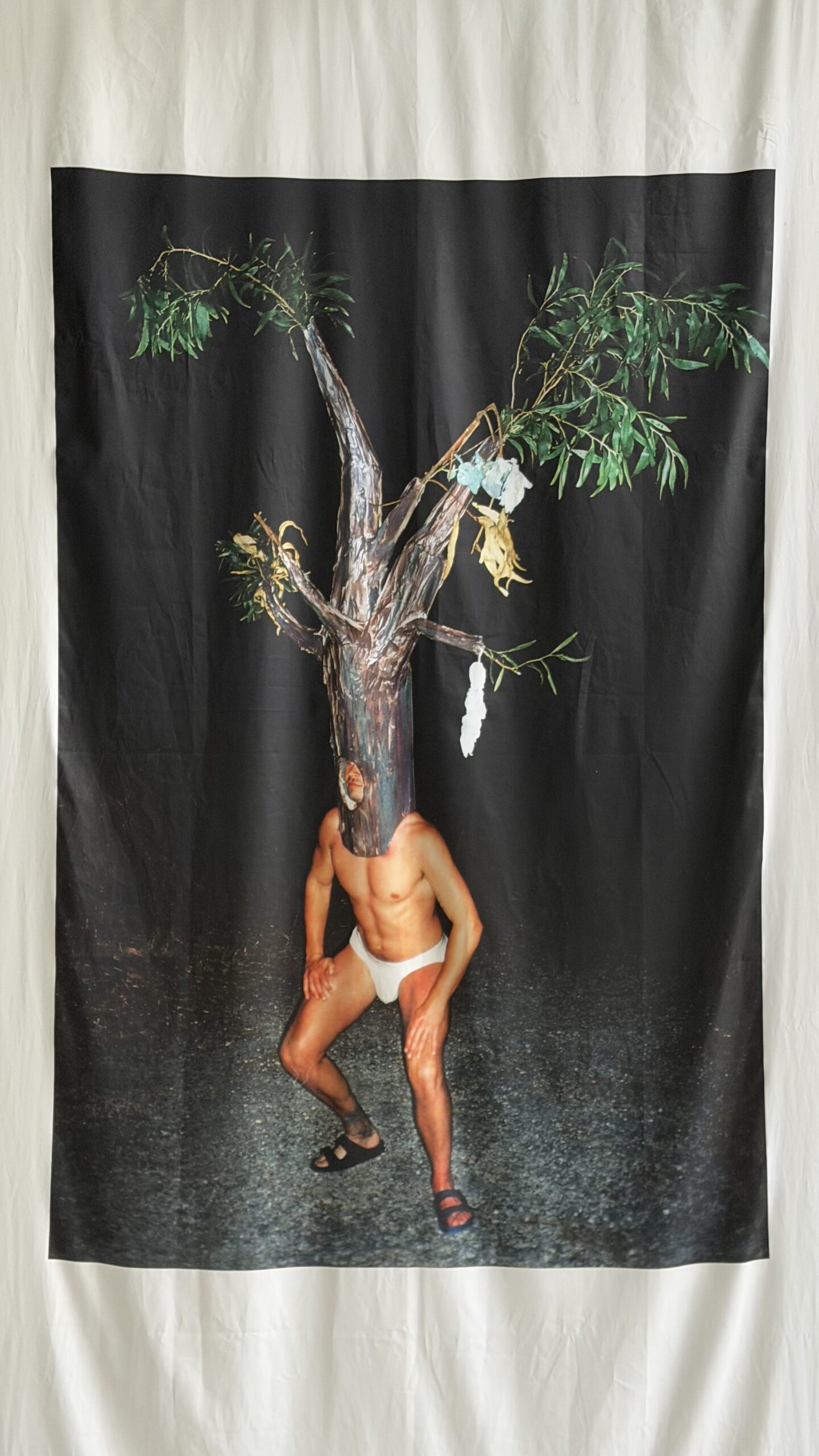
Yet eucalyptus never travelled alone. Alongside the plant came scientific knowledge, economic interests and colonial ambitions. Its introduction reflected a broader belief that landscapes could be redesigned and subordinated to human needs. In some environments, eucalyptus plantations have contributed to the depletion of water resources, displaced native species and encouraged biologically impoverished monocultures.
Keeping the Conversation Open
The projects supported in the third edition reveal the breadth of the programme’s interests. From collective memory and the experience of illness to marine ecosystems, colonial histories and the transformation of landscapes, they demonstrate how contemporary art can create points of contact between individual experience and broader social questions.
The four exhibitions discussed here are part of a wider group of initiatives selected this year. Other projects include Walka na korzenie (A Battle to the Roots) by Kornelia Dzikowska-Demirska at CSW Kronika in Bytom, Na nerwy. Zielniki pamięci i wspólnotowe praktyki ukojenia (For the Nerves. Herbariums of Memory and Communal Practices of Soothing) by Olga Borawska at the Gallery of Contemporary Art in Łomża, Ciało. Wierność wobec zmienności (Body. Faithfulness to Change) at the National Old Theatre in Kraków, and Rewers (Reverse) by Paweł Bownik at the Archaeology of Photography Foundation in Warsaw. Their planned activities will further develop the programme’s engagement with social representation, accessibility, collective memory and environmental questions.
The projects supported in the third edition reveal the breadth of the programme’s interests. From collective memory and the experience of illness to marine ecosystems, colonial histories and the transformation of landscapes, they demonstrate how contemporary art can create points of contact between individual experience and broader social questions.
The new call for applications is open until 27 November 2026. Artists and cultural institutions planning exhibitions for 2028–2029 can submit their proposals through the Foundation’s online application platform. With a total of PLN 500,000 available, the next edition will once again ask how art can help us understand the present, imagine possible futures and take greater responsibility for the world we share.