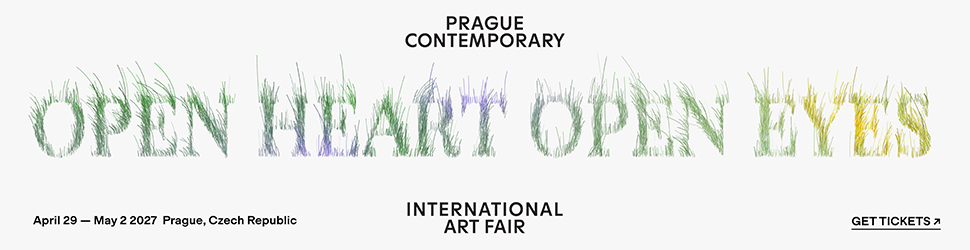
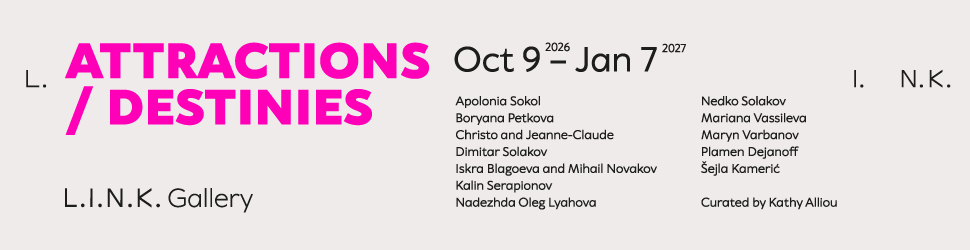






In spring 2027, Prague’s historic Industrial Palace will become a setting for a new international contemporary art fair. Within this cultural landmark, Prague Contemporary will bring together established galleries from across Europe with participants from the Czech art scene, creating a meeting point for different artistic practices and approaches to collecting.
Founded upon an ethos of rigour, dialogue and intimate curation, it aims to establish itself as a distinctive highlight within the European art calendar. The inaugural edition will take place between 29 April and 2 May, with the aim of strengthening connections between Prague’s thriving art scene and the wider international art world. Among the international galleries included in the selection are Pinksummer from Genoa, Pedro Cera from Lisbon, Emanuel Layr from Vienna, Nathalie Obadia and Adrian Sutton galleries from Paris and Soup Gallery from London.
Long regarded as the heart of Europe, Prague is now looking to redefine its place on the contemporary art map. Through the fair, its founder Alexandra Karpuchina hopes to challenge established perceptions of the region’s art scene while creating a platform for a new generation of contemporary artists. As the preparations for the inaugural edition are underway, we spoke to Karpuchina about her vision for the fair, the importance of a curated selection, the changing attitudes towards collecting, and how galleries can balance artistic ambition with commercial sustainability.
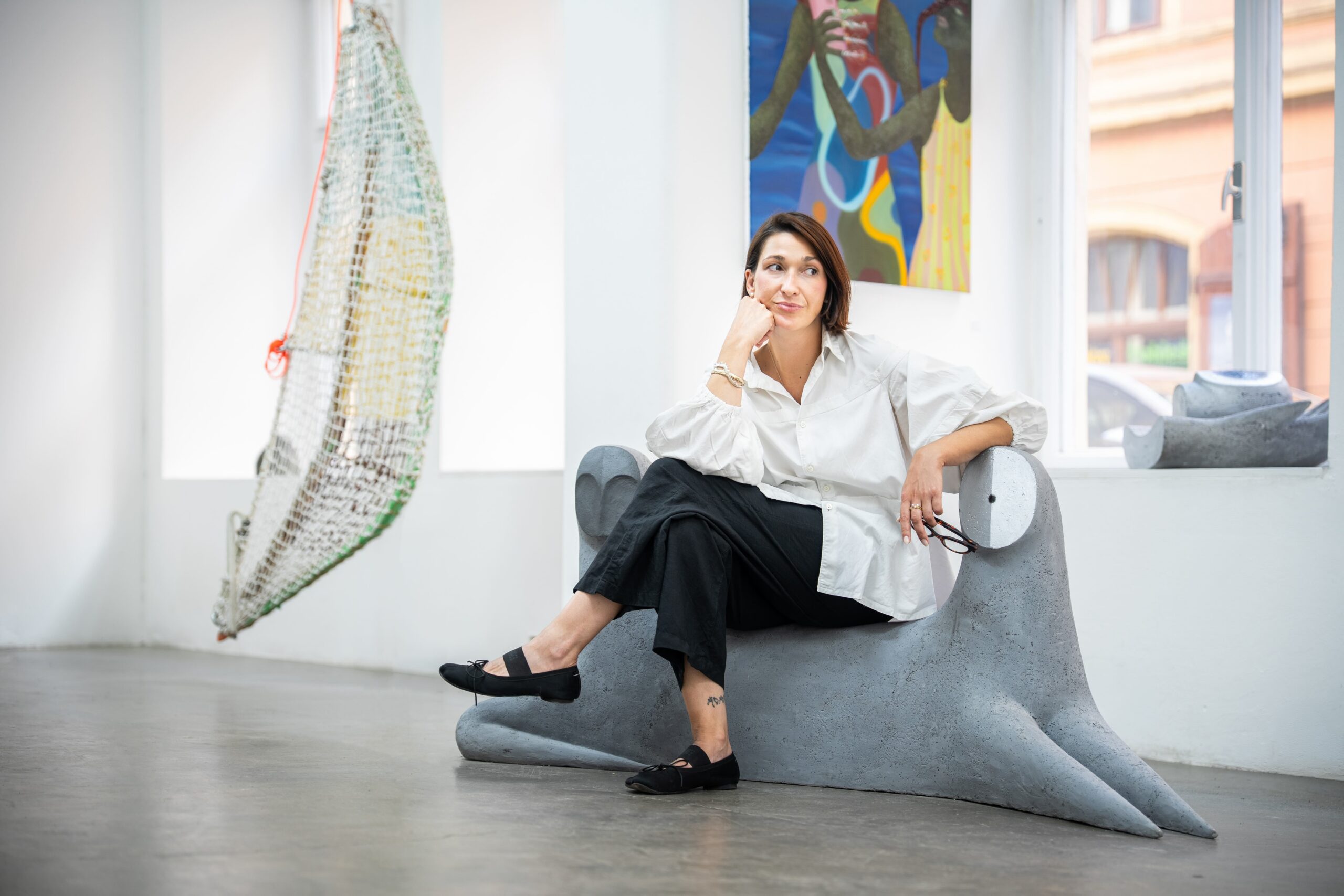
Taryn Adams: As Prague Contemporary prepares for its first edition, what do you feel is currently missing from the conversation around contemporary art in the region?
Alexandra Karpuchina: I believe we need to move beyond the perception of Central and Eastern Europe as a peripheral art scene. The region has extraordinary artistic potential, a growing art market and an emerging generation of collectors. We are also witnessing increasing public interest in contemporary art, alongside greater international attention towards artists from this part of Europe. What is still missing is a stronger platform connecting these developments. Prague Contemporary aims to bring galleries, collectors, institutions and new audiences together, creating another opportunity for the regional scene to become a more visible and active part of the international art market.
I believe we need to move beyond the perception of Central and Eastern Europe as a peripheral art scene. The region has extraordinary artistic potential, a growing art market and an emerging generation of collectors.
There is also crucial discourse in the geographical dimension. We are very conscious of Prague’s position within Central Europe and want to reflect the diversity of the galleries and artistic communities surrounding it.
TA: Geographically, Prague is almost at the epicentre of Europe. It seems fitting, then, that the fair should bring together these different perspectives, drawing on the artistic communities of Central Europe, the Balkans and beyond.
AK: It is important to resist categorising these scenes as simply ‘Eastern European’. Geography and cultural identity are more complex than that, and Prague has historically occupied a significant position within the wider European cultural landscape.
Artistic movements and practices that may previously have been misunderstood, overlooked or considered too experimental are increasingly receiving serious attention. This is particularly evident in the growing interest in post-internet art, multimedia installations and the work of younger artists. Collectors are becoming more receptive to new artistic languages, and I think this reflects a transformation in how contemporary art is understood and collected on a wider international scale.
TA: When developing a cultural platform, there is often a tension between responding to the expectations of the international art market and preserving a distinct local identity. How are you approaching that balance, and what would you like to make recognisably Prague Contemporary’s own?
AK: Our vision is very much inspired by Prague itself — a relatively compact European metropolis with an extraordinary concentration of culture, history and architectural heritage. We want the fair to reflect this character: intimate in scale, rich in content, and carefully crafted as an experience. Our ambition is to create a distinctive gem on the European art fair calendar.
At the same time, we believe local and international artistic perspectives should complement one another. We have encouraged participating galleries to present internationally acclaimed artists alongside artists from the Czech and wider Central European scene, creating a natural dialogue between established global names and regional artistic talent.
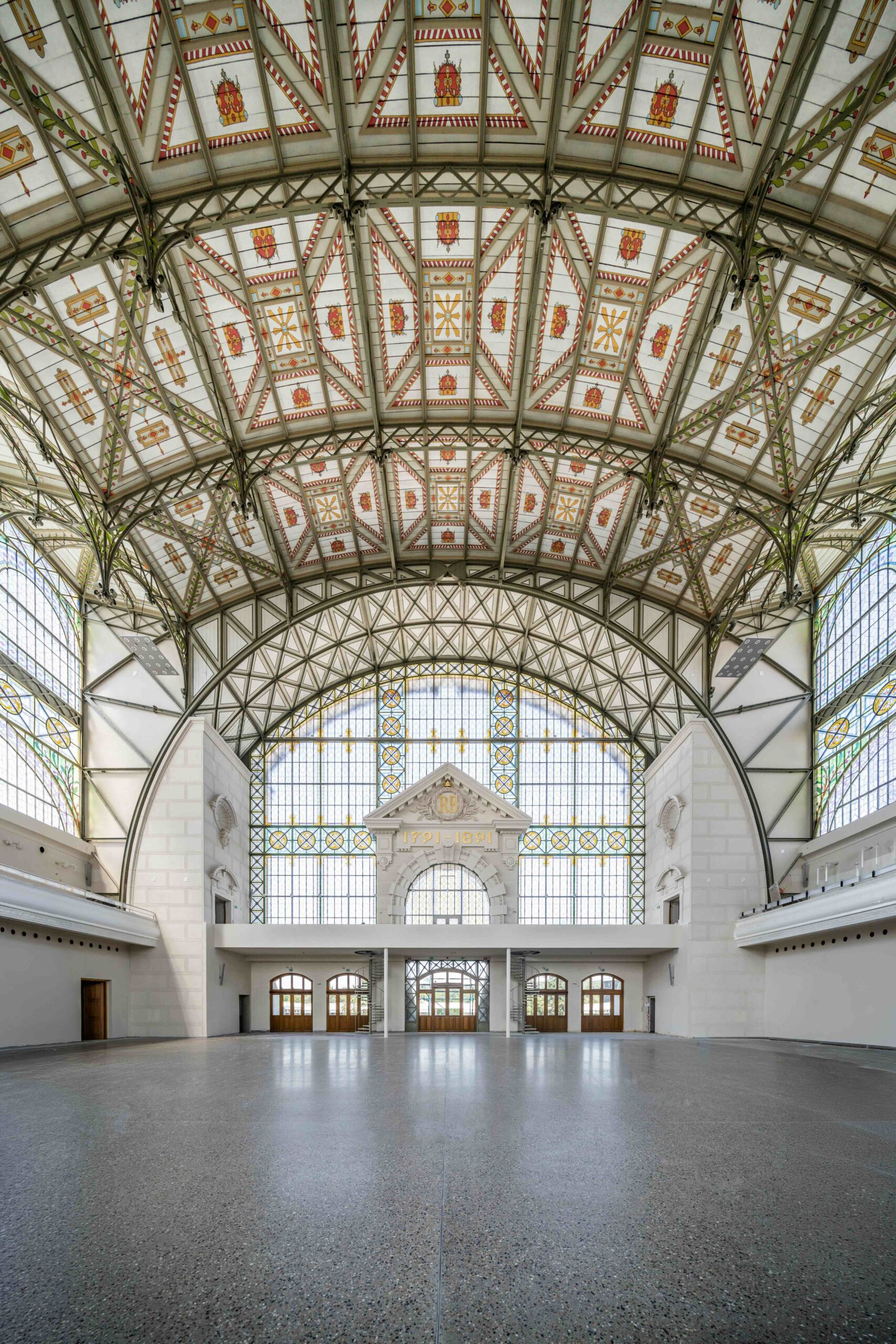
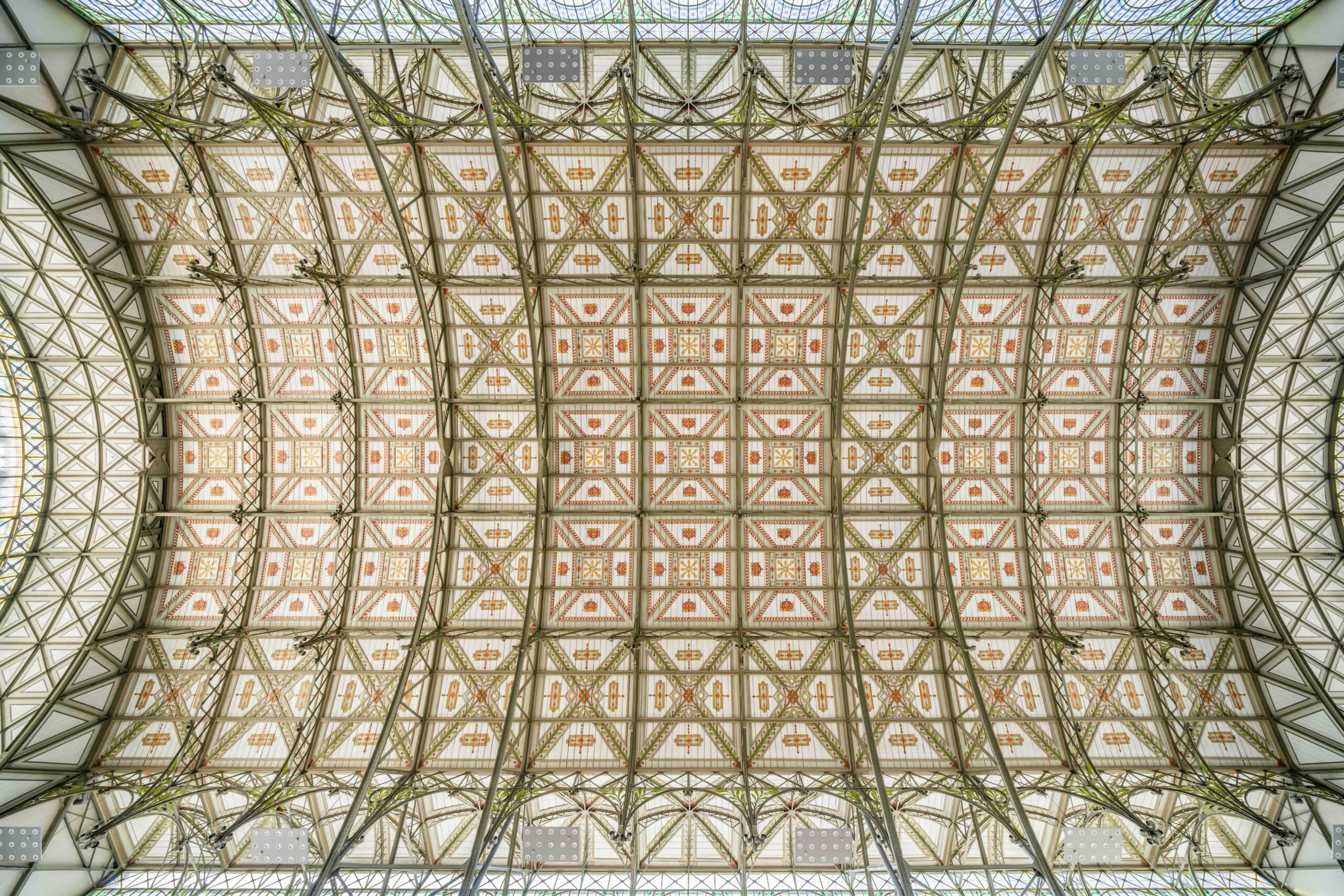
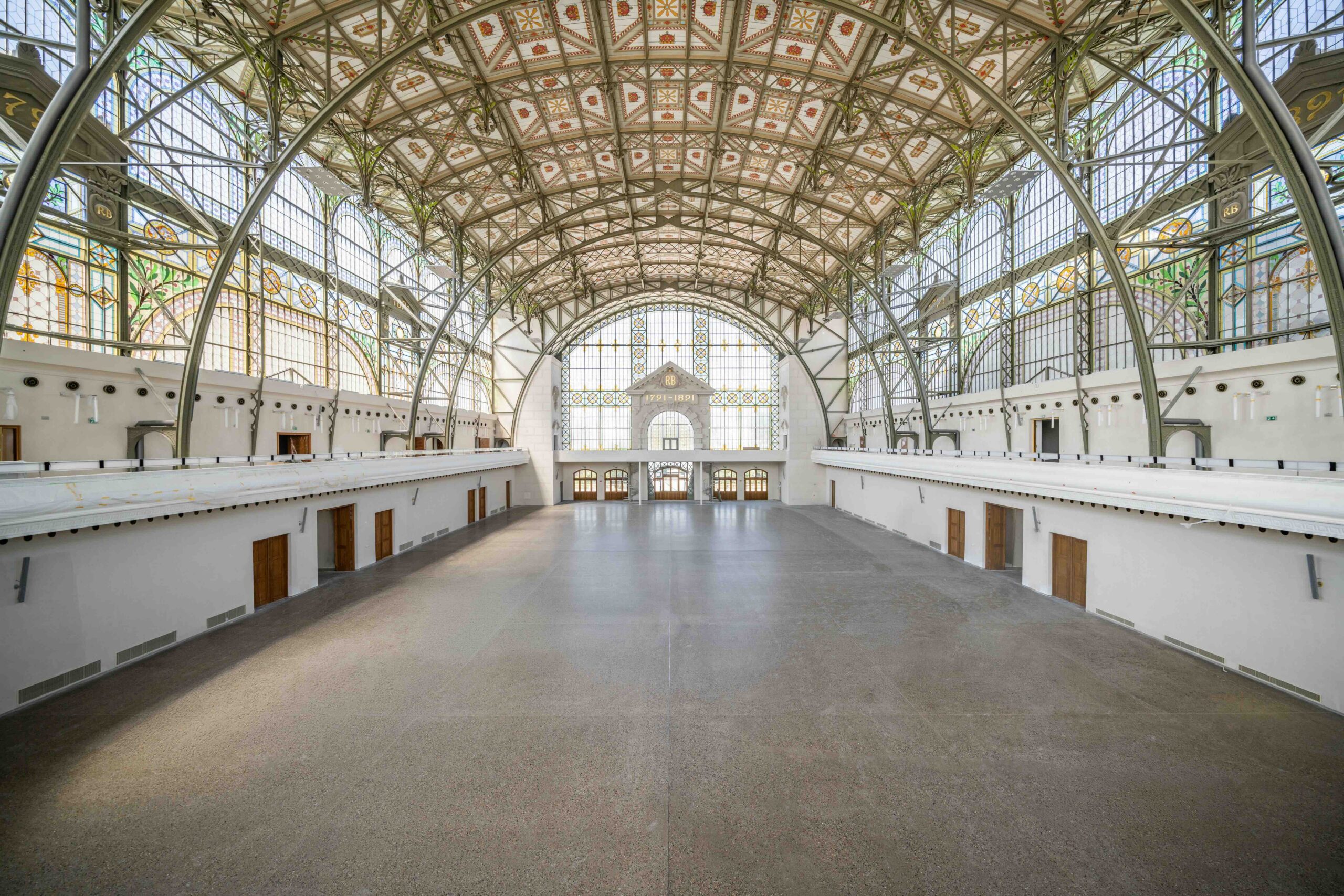
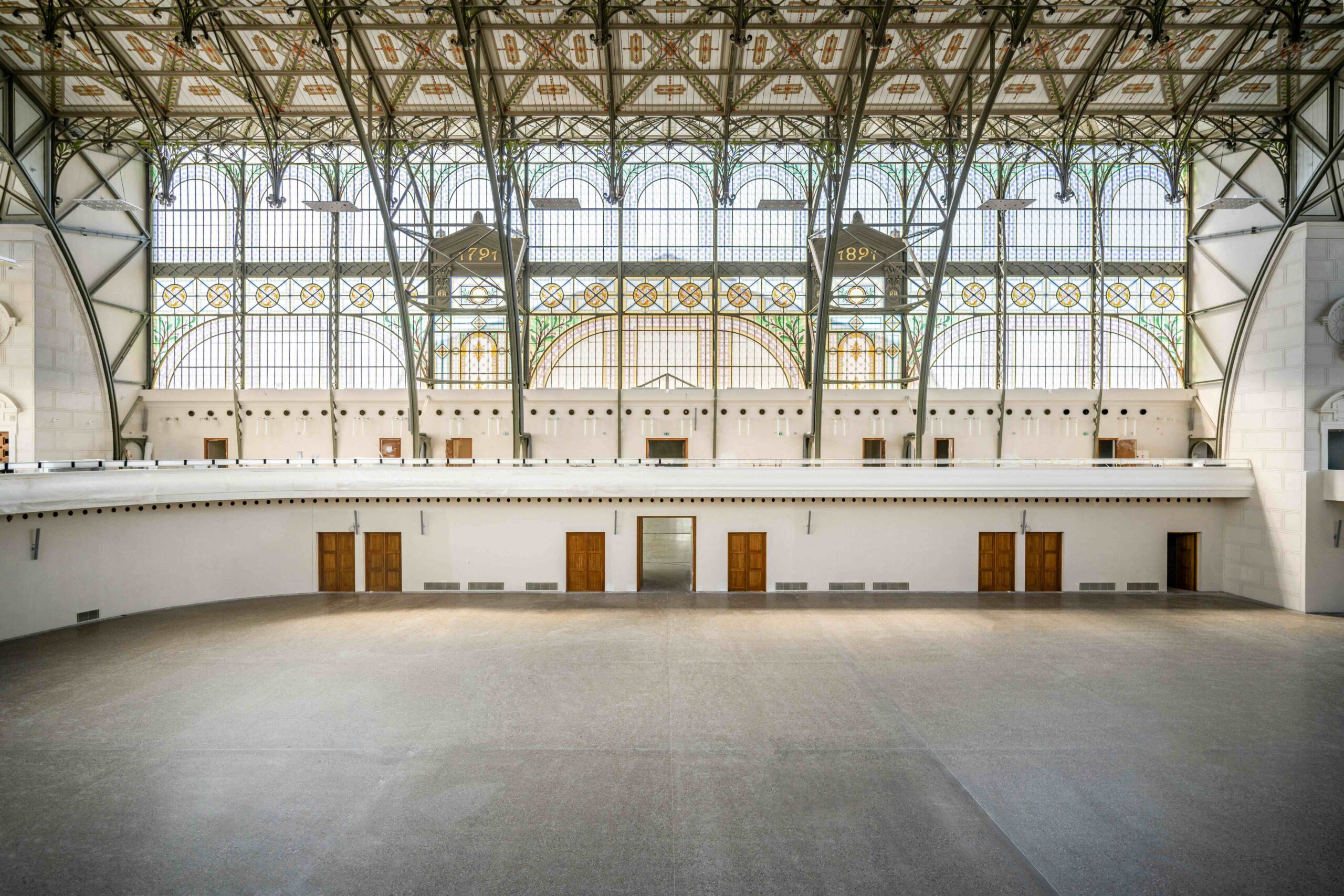
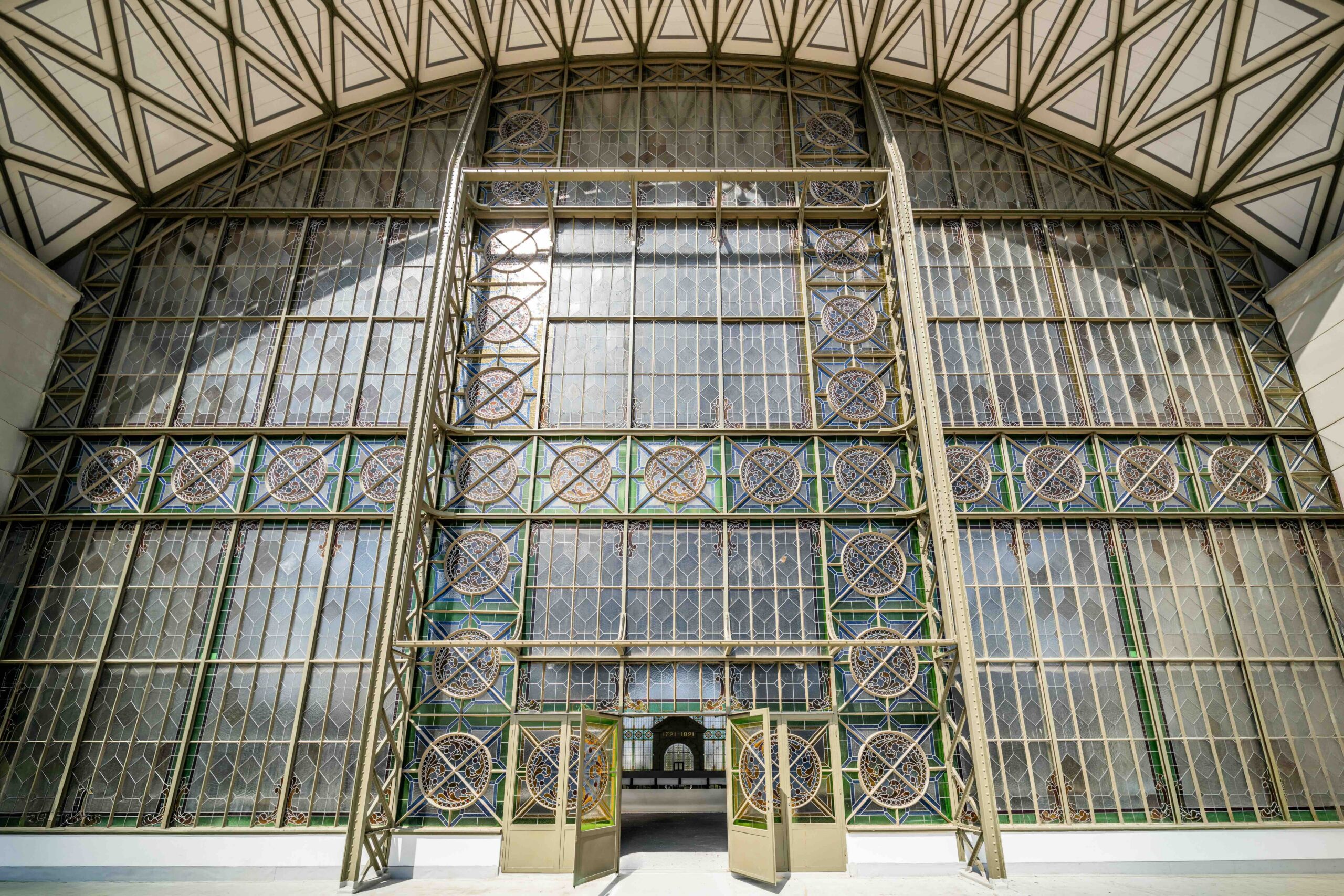
TA: You describe the Industrial Palace as a venue where art, history and place become inseparable. How are you drawing on the building’s architecture and its historical and cultural relevance in shaping the fair itself, and what do you hope audiences will take from experiencing contemporary art in this space?
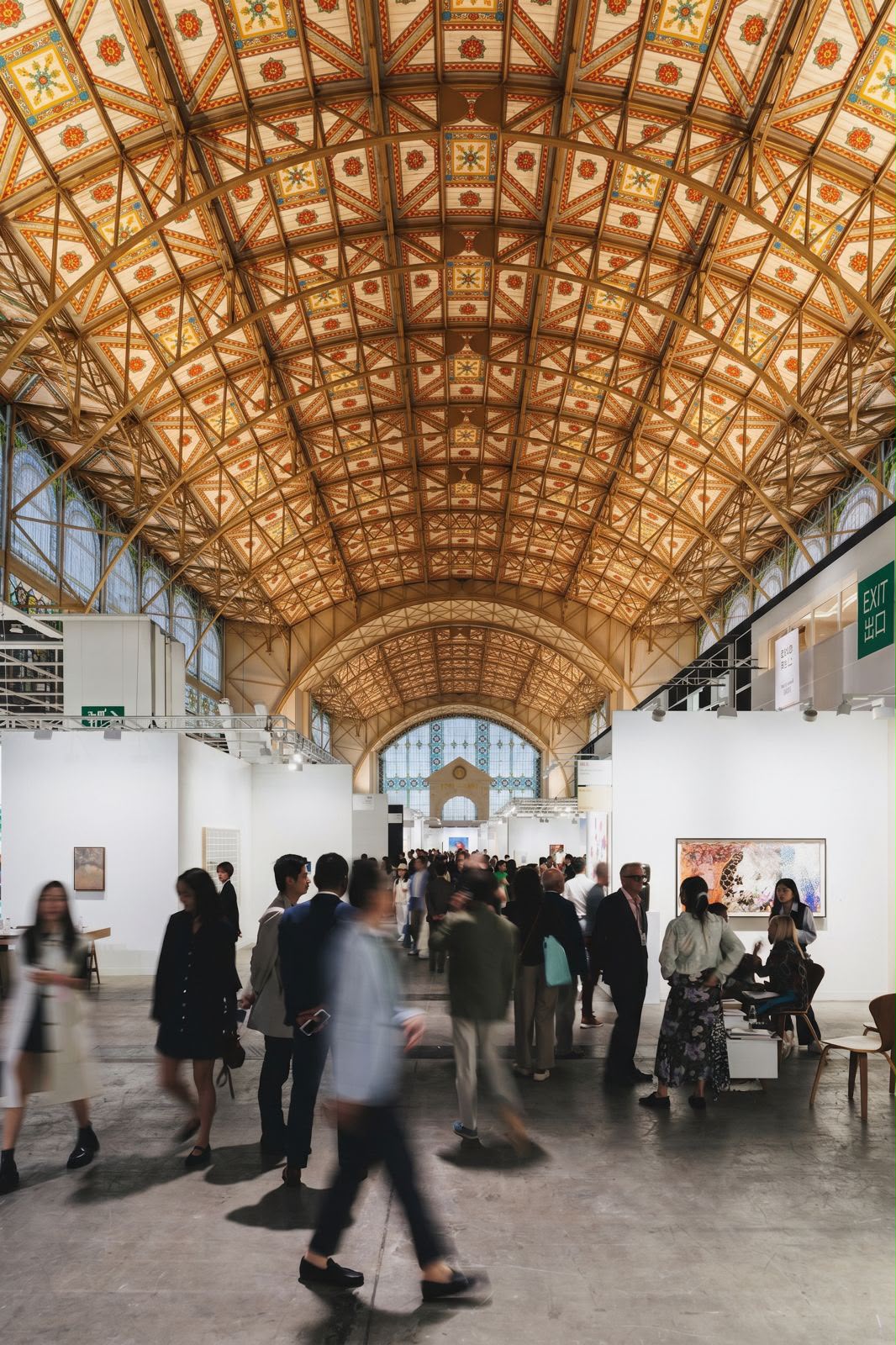
AK: The Industrial Palace itself is much more than a venue for Prague Contemporary. It is one of Prague’s remarkable architectural landmarks, and its recent reconstruction makes it an attraction in its own right.
We want visitors to experience the fair as something inseparable from Prague, where art, architecture and atmosphere become part of the same experience.
The building was originally conceived as a venue for exhibitions and fairs and is now returning to the cultural landscape, creating an exciting opportunity for contemporary art to occupy the space once again. We see the first edition as an opportunity to introduce visitors to both contemporary art and this newly restored historic space. The contrast between the building’s architectural heritage and the contemporary artworks creates a distinctive setting that would be difficult to replicate elsewhere.
We want visitors to experience the fair as something inseparable from Prague, where art, architecture and atmosphere become part of the same experience.
TA: Contemporary art fairs can sometimes feel designed primarily for established collectors and industry professionals, leaving wider audiences unsure how to engage with them. How do you approach the question of accessibility, and what can you propose to audiences who may be interested in contemporary art but are not yet part of the collecting world?
AK: An art fair should be more than a marketplace. It can also be a place of discovery, education and inspiration. Locally, we are seeing growing curiosity about contemporary art among younger audiences and people who may not yet consider themselves collectors.
I find the changing attitudes of younger collectors particularly interesting. We are increasingly seeing a new generation of audiences engaging with collecting, often approaching it with a different understanding of aesthetics, value and artistic investment.
Collecting should begin with a personal connection to an artwork, and we want to create an environment where those first encounters can happen naturally. Supporting the next generation of collectors is just as important to us as welcoming established ones.
Prague Contemporary wants to encourage this interest and make the art market more approachable. Collecting should begin with a personal connection to an artwork, and we want to create an environment where those first encounters can happen naturally. Supporting the next generation of collectors is just as important to us as welcoming established ones.
TA: Prague Contemporary has chosen to limit its first edition to just 40 galleries, a distinctly focused selection by the standards of most international fairs. What was crucial to you from a curatorial perspective when choosing which galleries to feature, and how did you decide that a more curated format was the right one for the fair’s first edition?
AK: The decision to present 40 galleries was deliberate. We wanted to prioritise the quality of the presentations and the overall experience rather than the size of the fair.
We have a wonderful portfolio of artists and clients. Together with Stephan Stoyanov, the fair’s artistic director, we have curated a selection of galleries with strong artistic programmes, a clear curatorial vision and the ability to contribute to a compelling international presentation. We were particularly interested in creating a balanced mix of established and emerging galleries, bringing together different generations, artistic approaches and geographical perspectives.
TA: That closeness of broader influence gives work a particular perspective, and perhaps explains why these subjects remain so present in Central European art.
AK: Yes, there is also a balance we are constantly trying to achieve between artistic statements and commercial viability. For me, these two dimensions do not have to contradict one another. A successful gallery programme should be intellectually and artistically meaningful while also being commercially sustainable. I would like Prague Contemporary to reflect that same philosophy.
TA: With the first edition approaching, there is an opportunity to shape not only how the fair is received, but also what it might become over time. What would you consider a successful first edition, and what kind of legacy would you ultimately like Prague Contemporary to demonstrate?
AK: For me, success would mean seeing Czech galleries establish lasting relationships with collectors, institutions and audiences that extend well beyond the fair itself. Of course, commercial success is essential. A fair must create real opportunities for participating galleries and their artists.
But our ambition is also long-term. We want Prague Contemporary to contribute to the development of the regional art market, encourage a new generation of collectors and establish Prague as a regular destination on the international art calendar.
I would ultimately like Prague Contemporary to become a place where people can step away from the uncertainties and pressures of the world around us and find space for reflection, inspiration and a deeper engagement with art: an experience that offers a different perspective and stays with visitors long after the fair has ended.
We want Prague Contemporary to contribute to the development of the regional art market, encourage a new generation of collectors and establish Prague as a regular destination on the international art calendar.