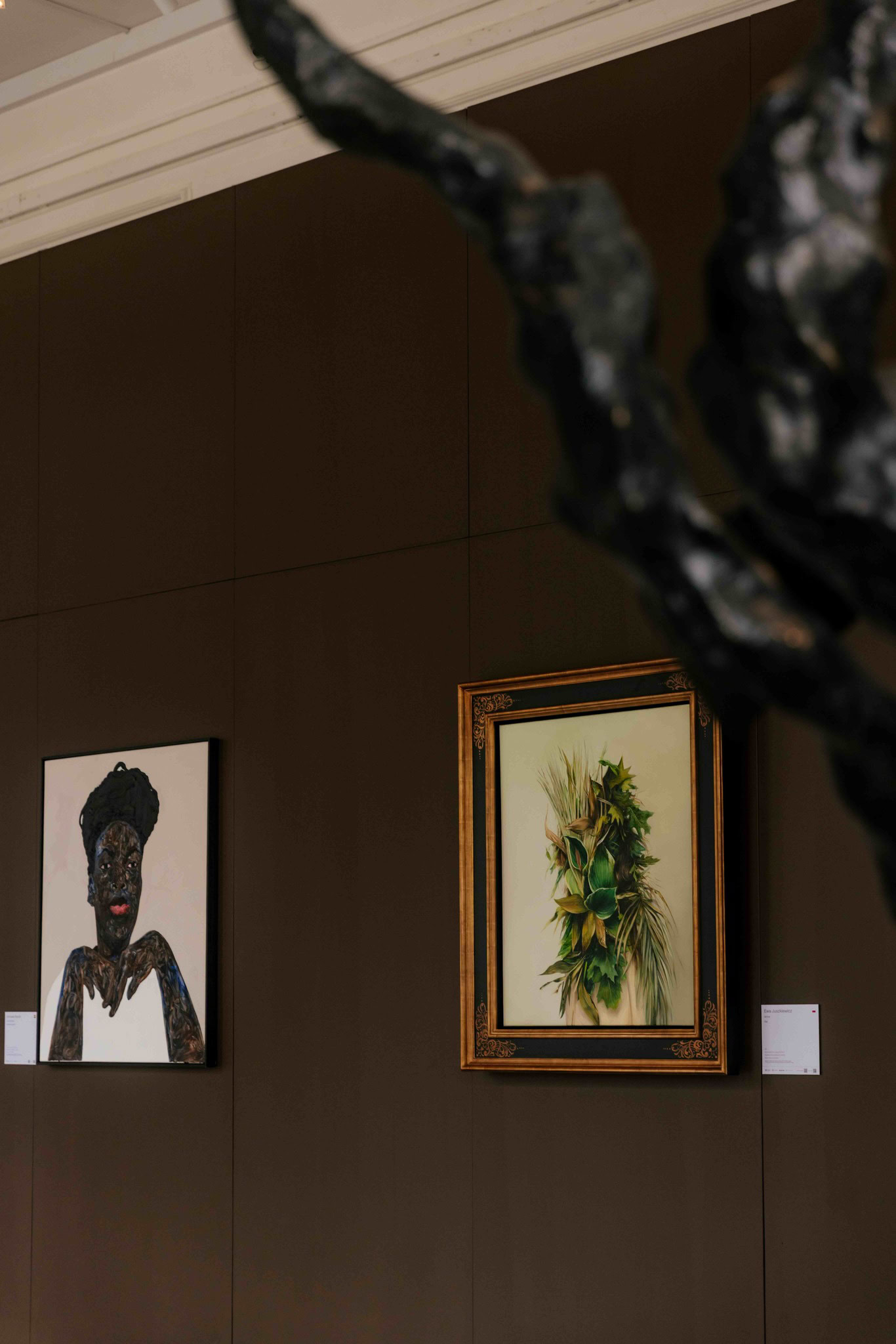






TOP CHARITY Art is a cross-cultural exhibition situated in the renowned interior of the Orangery at Wilanów Palace in Warsaw, organised by OmenaArt Foundation. The initiative speaks to the shared capacity of Polish, Ghanaian, and wider Central European and African art scenes to connect across borders and use culture as a force for change.
With the 30th May charity auction on the horizon, Contemporary Lynx spoke with the curator and Executive Director of OmenaArt Foundation, Natalia Bradbury, about the bridges being built between artistic communities across continents, and what it takes to make the art world feel genuinely open — not just to established collectors, but to new audiences, young artists, and communities that have long existed at its margins.
Taryn Adams: TOP CHARITY operates at the intersection of visibility, wealth, and social impact — using art not only as a cultural medium, but as a tool for real-world change. Beyond those already close to it, who does this project ultimately intend to reach?
Natalia Bradbury: TOP CHARITY has always functioned somewhere between the worlds of culture, philanthropy, and international dialogue. Conceived by Omenaa Mensah and organised by OmenaArt Foundation, the initiative has grown into a broader platform, connecting artists, collectors, institutions, and social projects worldwide.
Ahead of the fifth anniversary edition, we spoke about the growing visibility of African contemporary art in Poland, the political and emotional histories linking Poland and Ghana, and why philanthropy today is increasingly focused on building communities rather than simply raising funds. So, in a sense, it’s not only about who we reach, but also how we can bring people together.
Over the past five years, we have collaborated with organisations ranging from the Obama Foundation and Studio Voltaire to the Andrea Bocelli Foundation, Doctors Without Borders, Gallery 1957, Kuenyehia Trust for Contemporary Art, and the Gorilla Doctors. At the centre of this network is the idea of exchange. Initially, for the auction, we focused primarily on Polish artists, but over time, the project naturally became increasingly international. Today, what interests us most is creating real dialogue between different artistic languages, perspectives, and experiences. This is especially visible in the relationship between Poland and Ghana, which remains central to the foundation’s mission because of Omenaa Mensah’s personal background and long-term commitment to both countries. Projects such as the Kids Haven Sport & Art Complex in Ghana are especially important in this context — spaces where children, artists, and local communities can grow together. The goal is not simply to fund individual initiatives, but to create lasting infrastructures for development.

TA: The exhibition revisits Poland’s relationship with Africa in the 1960s — a moment shaped by political alliances and cultural exchange. Was this framework something you started with, or did it emerge during the process?
NB: That historical context has been part of our thinking for a long time because the foundation’s mission is rooted in building connections between Central and Eastern Europe and West Africa, and more specifically between Poland and Ghana. In 2026, however, those themes emerged with unusual clarity and scale.
A key moment was the thematic pavilion Redefining. Polish–Ghanaian Textile Narratives presented during the Malta Biennale 2026 under my curatorship. The project revisited the historical solidarity between Poland and Ghana during the 1960s, while also asking what a future-oriented collaboration between the two countries could look like today.
The pavilion brought together Polish and Ghanaian artists who first met during workshops organised as part of Accra Cultural Week for children at Omenaa Foundation’s Kids Haven School in Ghana. They later developed monumental textile installations during a two-month residency programme in Malta. It became clear very quickly that these themes resonated strongly both with audiences and within the broader international art context – something ultimately reflected in the project being awarded Best Pavilion by the Biennale’s international jury.
TA: In response to the evolution of your initiative, the Artistic Council of the OmenaArt Foundation became increasingly international, bringing together leading voices from the Polish, European, and African art worlds.
NB: True, the council includes figures such as Iwona Büchner-Grzesiak, founder of The Polswiss Art Auction House, Boris Kudlička, architect and director of the Grand Theatre – Polish National Opera, and Gilles Dyan, founder of Opera Gallery. The African and diasporic perspective is represented by internationally recognised experts, including Touria El Glaoui, founder of the pioneering 1-54 Contemporary African Art Fair, curator and writer Ekow Eshun, and Hannah O’Leary, an independent advisor in modern and contemporary African art.
The council also includes Omenaa Mensah, who is also a member of Tate’s Africa Acquisitions Committee, actively involved in initiatives supporting emerging African female artists. From the outset, the ambition was to create a space in which different artistic languages, histories, and market perspectives could genuinely meet on equal terms.
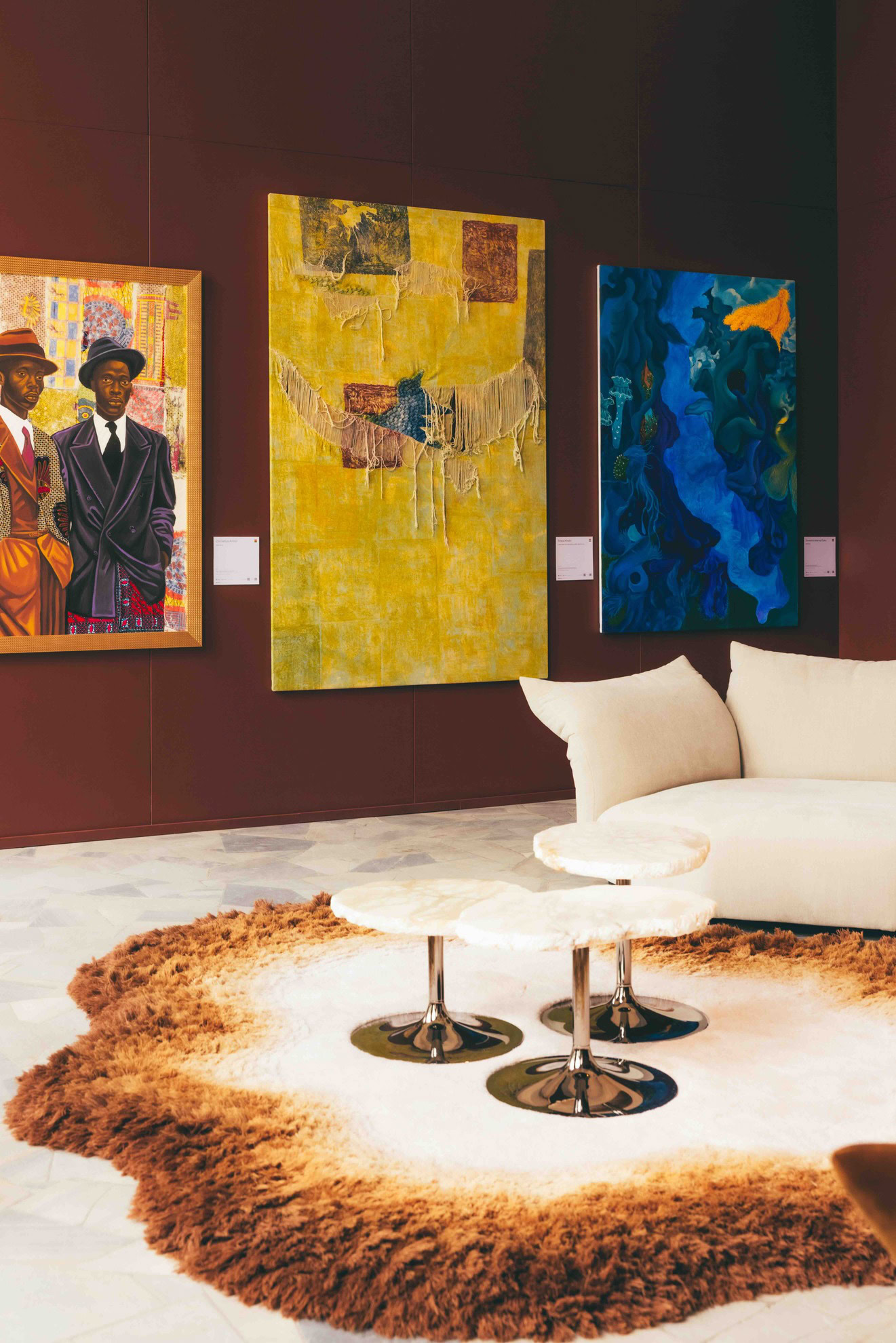
TA: Can you highlight some of the key artists featured in the exhibition?
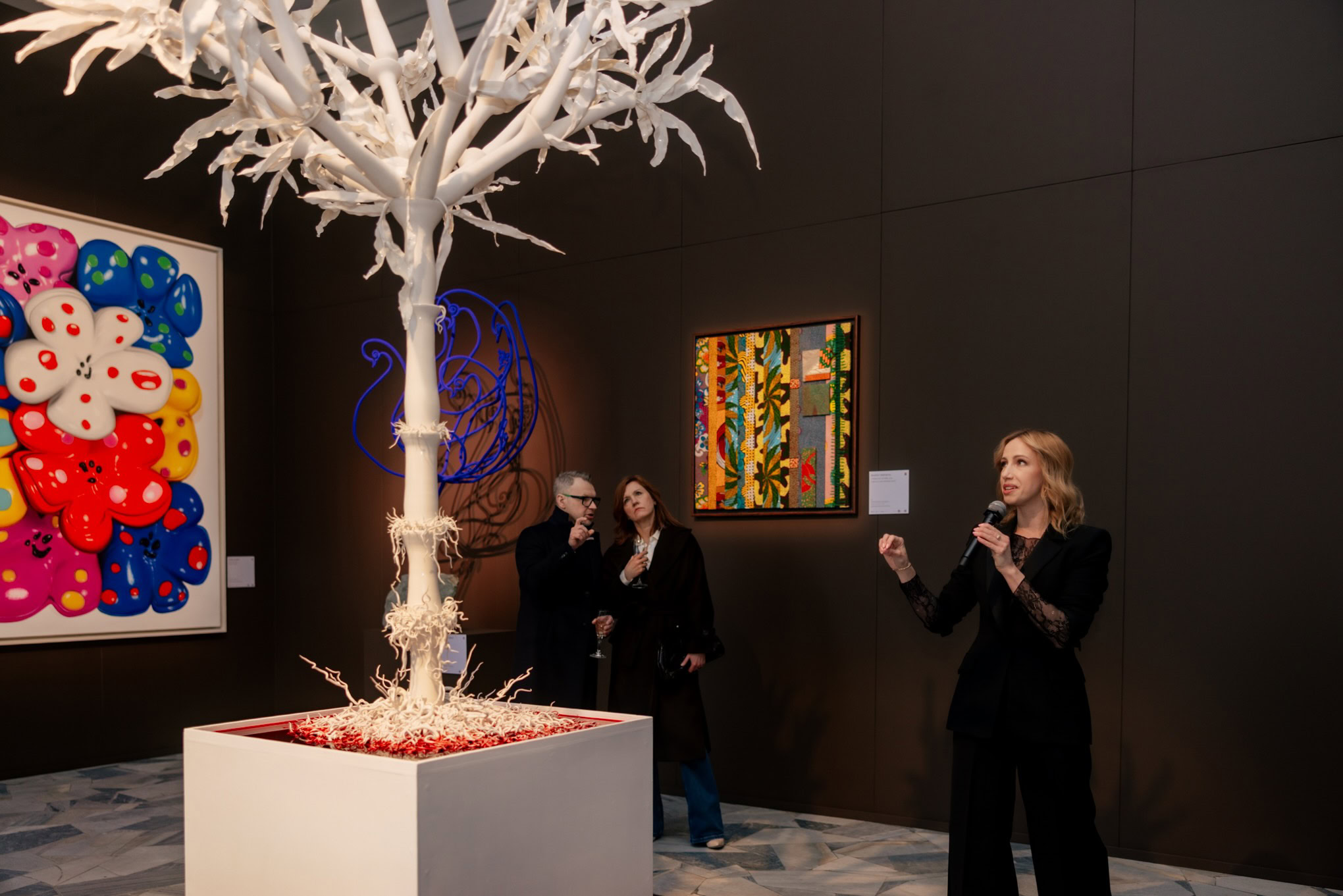
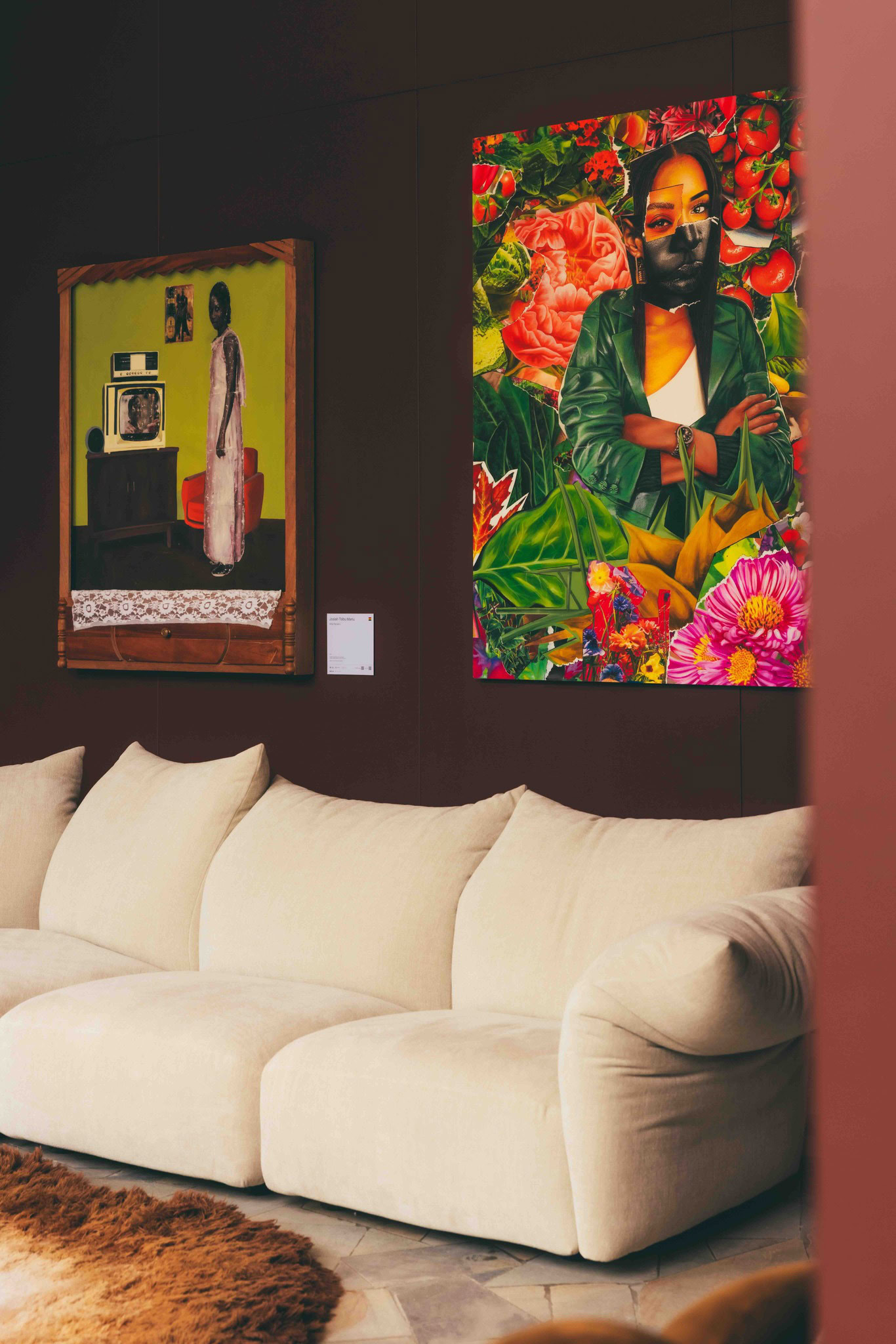
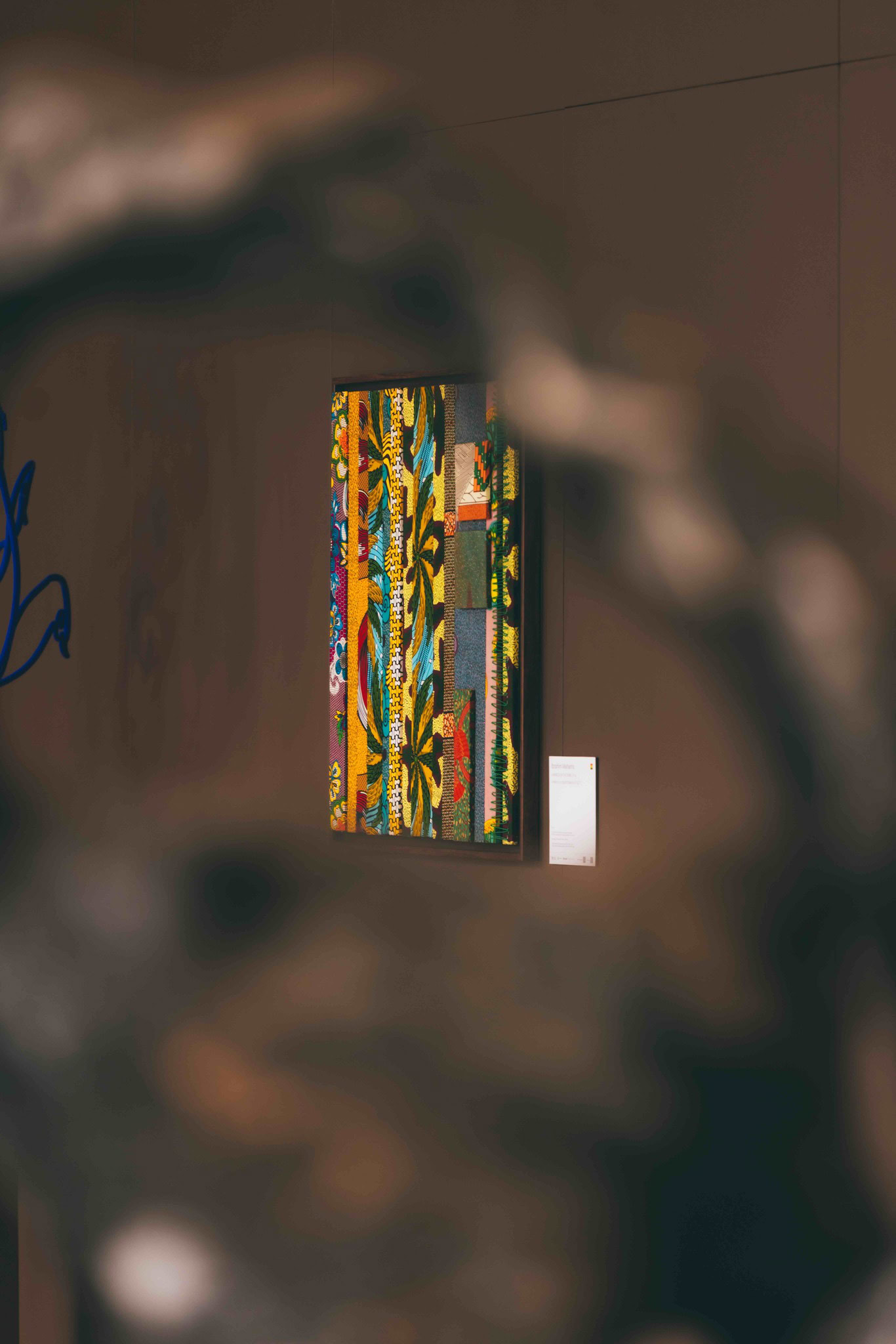
In many ways, the exhibition narrative crystallised through the presence of artists such as Amoako Boafo and Ewa Juszkiewicz. Their works naturally opened questions about portraiture, identity, and visibility. From there, other connections followed. We knew we wanted to include the work of Ibrahim Mahama, whose large-scale jute sack installation was created in support of OmenaArt Foundation for Zachęta – National Gallery of Art.
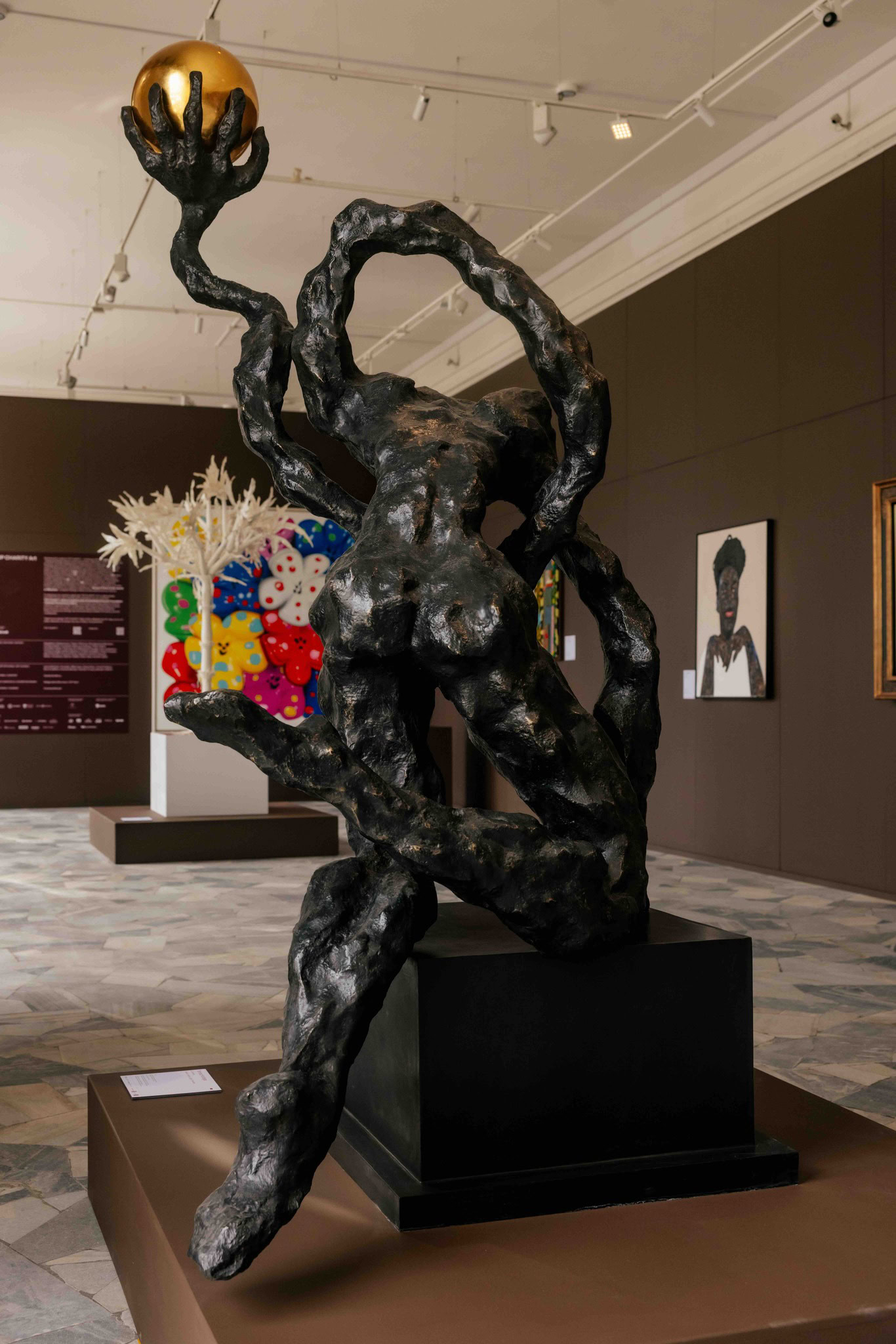
At the same time, the exhibition expands beyond a strictly Polish-Ghanaian dialogue. There are works by Nigerian artist Modupeola Fadugba, as well as British artists Philip Colbert and Charlotte Colbert. One of the emotional anchors of the exhibition is also Paweł Althamer’s Erico, created after the artist’s journey to Kenya and inspired by a young JTTS Foundation volunteer who died during violently suppressed protests.
An important complement to the exhibition is the Asante Section, presenting selected objects, symbols, and visual motifs originating from the Asante Kingdom, which is one of the most significant cultures of West Africa. Through textiles, Adinkra symbols, and ceremonial forms, the display introduces audiences to a deeper cultural and spiritual context, often absent from European conversations about Africa.
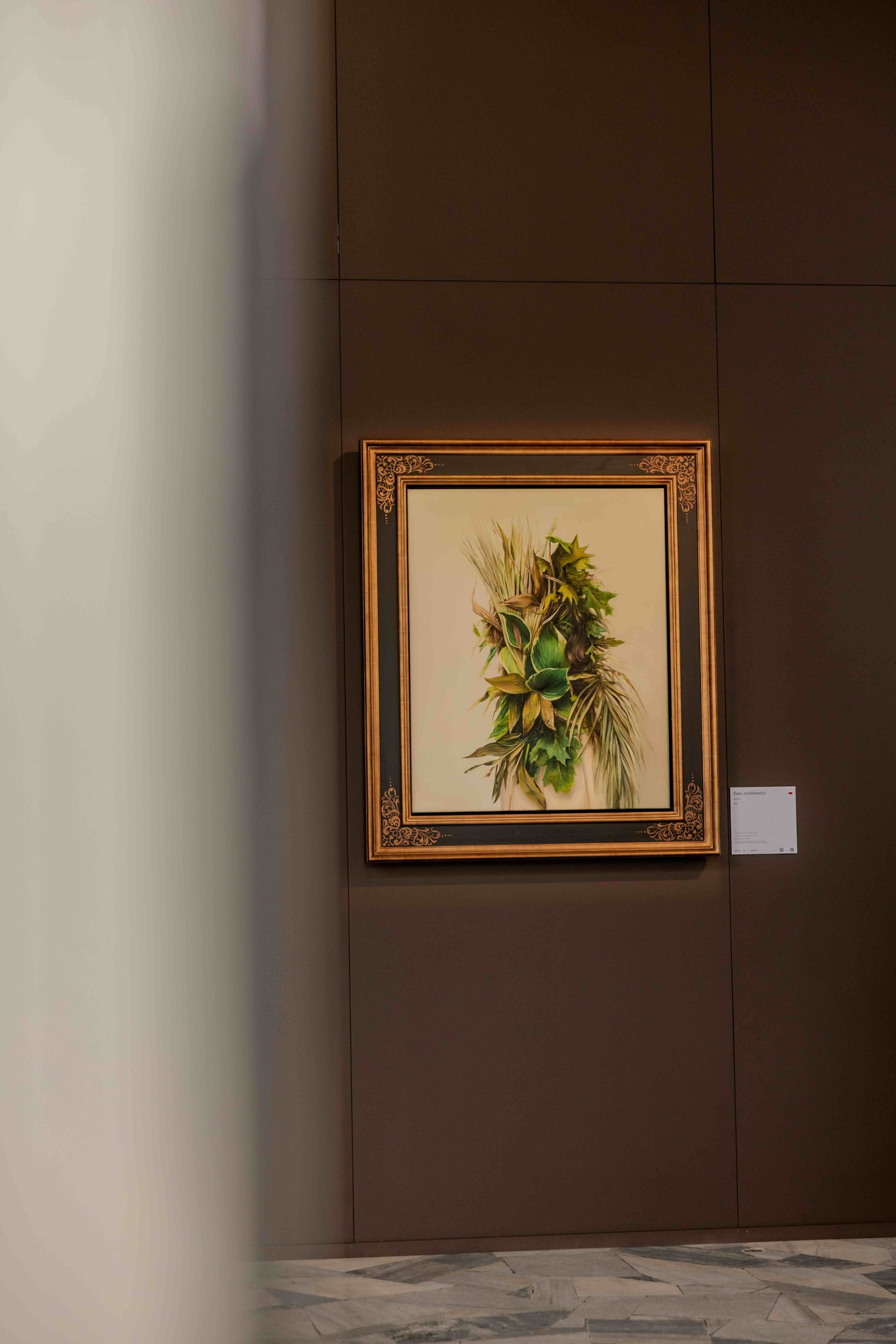
TA: Alongside emerging Polish artists, the exhibition includes figures such as Ibrahim Mahama — ranked among the most influential voices in contemporary art by ArtReview — and Amoako Boafo, whose work is held in collections of institutions such as the Tate Modern. What does it mean to place this level of market visibility within a philanthropic context? Do you think the Polish audience is ready to not only encounter, but to actively collect this kind of work?
NB: Absolutely, the Polish audience is as ready as audiences elsewhere are. The visibility of African contemporary art has grown enormously in recent years — both institutionally and commercially. Ibrahim Mahama first came to Poland through an invitation from the OmenaArt Foundation during TOP CHARITY Art at the Orangery in Wilanów in 2025, and since then, he has returned multiple times for exhibitions and collaborations, most notably to participate in Zachęta’s exhibition, What Are Our Collective Dreams? Global Connections — Abandoned Friendships. At the same time, this shift is happening across the broader cultural landscape.
Institutions in Poland are increasingly engaging with African and diasporic perspectives, with projects such as Afrotopias at the National Ethnographic Museum in Warsaw, Julie Mehretu’s exhibition, Oliwia Bosomtwe’s upcoming show Ways of the Black Spread Over the White Land at the Museum of Modern Art in Warsaw, or Aether Commons: Refracted Cosmologies at Stefan Gierowski’s Foundation, curated by Azu Nwagbogu, who also collaborates with the Foundation on Kids Haven Sport & Art Complex. What we are seeing in Poland reflects a broader global transformation. Amoako Boafo recently opened a major exhibition in Venice with Gagosian Gallery during the Venice Biennale, while Julie Mehretu continues to achieve record-breaking auction results. Interest in African contemporary art and artists from the diaspora is one of the most interesting developments of the global art world today.
We can also see this directly through our own experiences. What matters to us, however, is that this market visibility exists within a philanthropic ecosystem. The funds raised through the initiative support the Kids Haven Sport & Art Complex in Ghana, providing children and young artists with access to education, creative development, and international exchange. In that sense, everything connects: visibility, collecting, patronage, and social impact.

TA: The Polish art world is often perceived as relatively closed and difficult to access — both for artists and new collectors. Do you see the TOP CHARITY model as a way of opening that system up, or does it risk reinforcing existing hierarchies in a different form?
NB: Opening the system up is very much the intention. We want to democratise access to art and make it feel less intimidating for people who may not have previous experience with collecting. Our annual exhibition, TOP CHARITY Art, is open and free of charge, with daily guided tours and the accompanying programme Heritage in our Hands, dedicated to children and teenagers from areas with little cultural offer.
Moreover, many entrepreneurs and business leaders are genuinely curious about contemporary art, but often feel this world is inaccessible or coded in ways that exclude them. We try to change that premise completely. Through TOP CHARITY, Omenaa Mensah and Rafał Brzoska actively introduce their communities to collecting and patronage.
Finally, every year, the Artistic Council selects works representing very different aesthetics, generations, and sensibilities so that our audiences can discover something that genuinely resonates with them.
TA: This year marks the 5th Anniversary of TOP CHARITY. So far, OmenaArt Foundation has managed to support many important initiatives — from rescuing children from forced labour in Ghana to funding education and long-term development, while also supporting major art institutions in Poland. From your perspective, what defines the focus of this year’s edition? As the landscape continues to shift, how do you anticipate the charity’s role evolving over the coming years?
NB: What defines this moment most strongly is scale — particularly the scale of the Philanthropic Consortium established in 2023, which has grown beyond anything we initially imagined. It has supported nearly 200 projects worldwide. For the Year of Art and Culture, we have supported institutions and organisations including Zachęta – National Gallery of Art, Museum of King Jan III’s Palace at Wilanów, Museum of Warsaw, Gallery 1957, Studio Voltaire, SOAS University of London, the Obama Foundation, the Central Museum of Textiles, and MICAS – Malta International Contemporary Art Space.
The future, for us, lies in strengthening this transnational model of cooperation. Artist residencies will remain especially important. Following the Malta programme, we are now developing future residencies in Italy, alongside the expansion of the sport and art complex in Ghana. We want the impact to grow organically, with each project creating conditions for further collaborations, exchanges, and opportunities. The activities of OmenaArt Foundation evolve naturally through observation, dialogue, and responsiveness to the needs of communities, donors, audiences, and the changing art world itself. Each initiative becomes a reaction to the present moment and a starting point for future connections.
ABOUT
TOP CHARITY Art is not only an artistic event but also the heart of a philanthropic initiative that has raised nearly 150 million zlotys for social causes over the past five years. These funds provide tangible support for, among other things, the implementation of charitable projects in Poland and around the world, as well as activities related to the protection and revitalisation of Poland’s cultural heritage, including the restoration of the polychrome decorations and palace windows of the Garden Galleries at Wilanów Palace.
The TOP CHARITY initiative received four awards at the prestigious Eventex Awards 2025, significantly contributing to Poland’s success in the global rankings. This achievement confirmed the project’s position as an innovative philanthropic model that successfully combines business, art, and social impact on the international stage.