


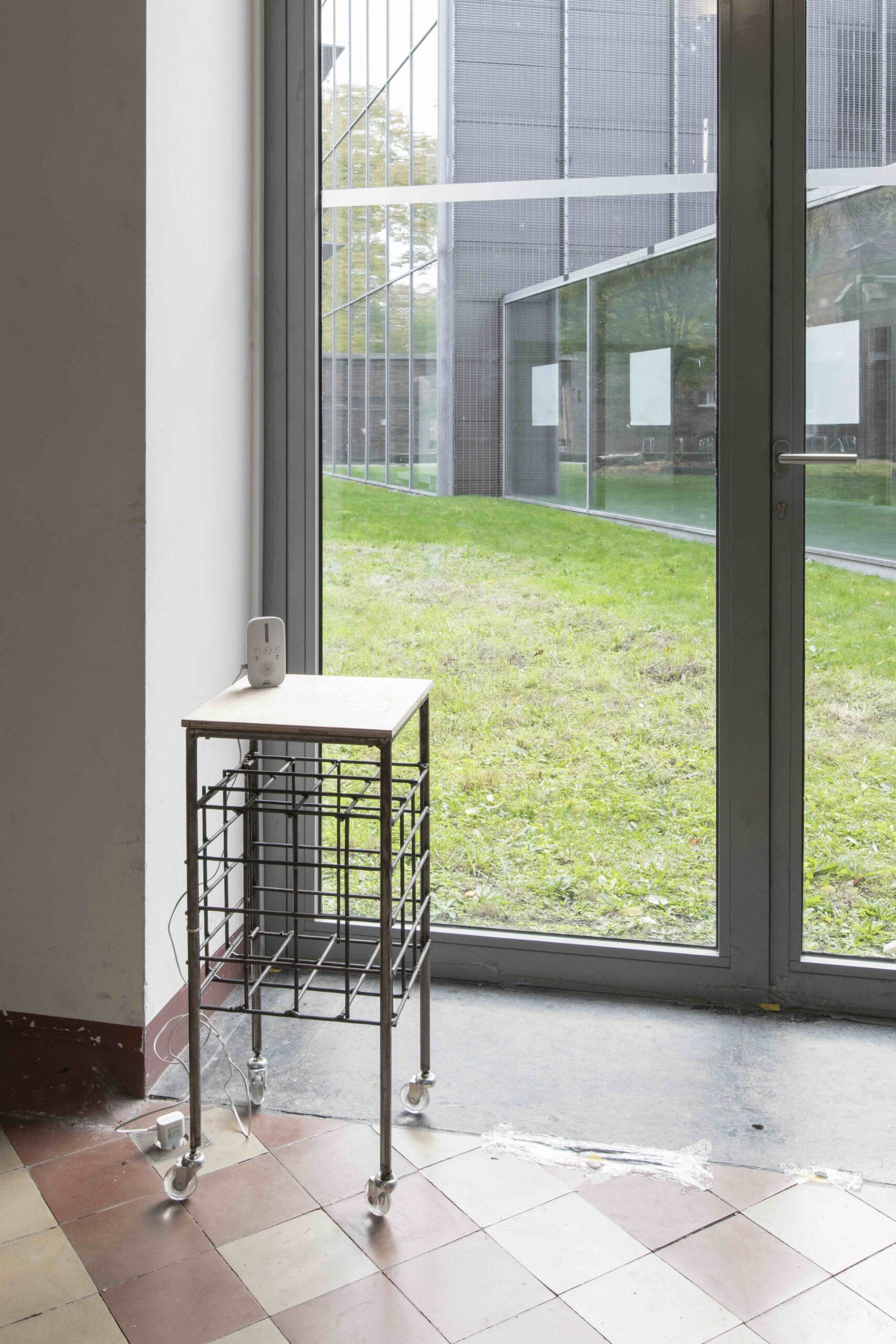
“Papa!” — a child’s voice interrupts the conversation. At least, that’s how I imagine my visit to KIOSK. The voice belongs to Alfred, the son of the artist Gerard Herman, who recorded the boy calling for him. In PAPA! (2026), the artist plays the recording through a baby monitor installed in the school corridor. Enough to make any parent tense up!
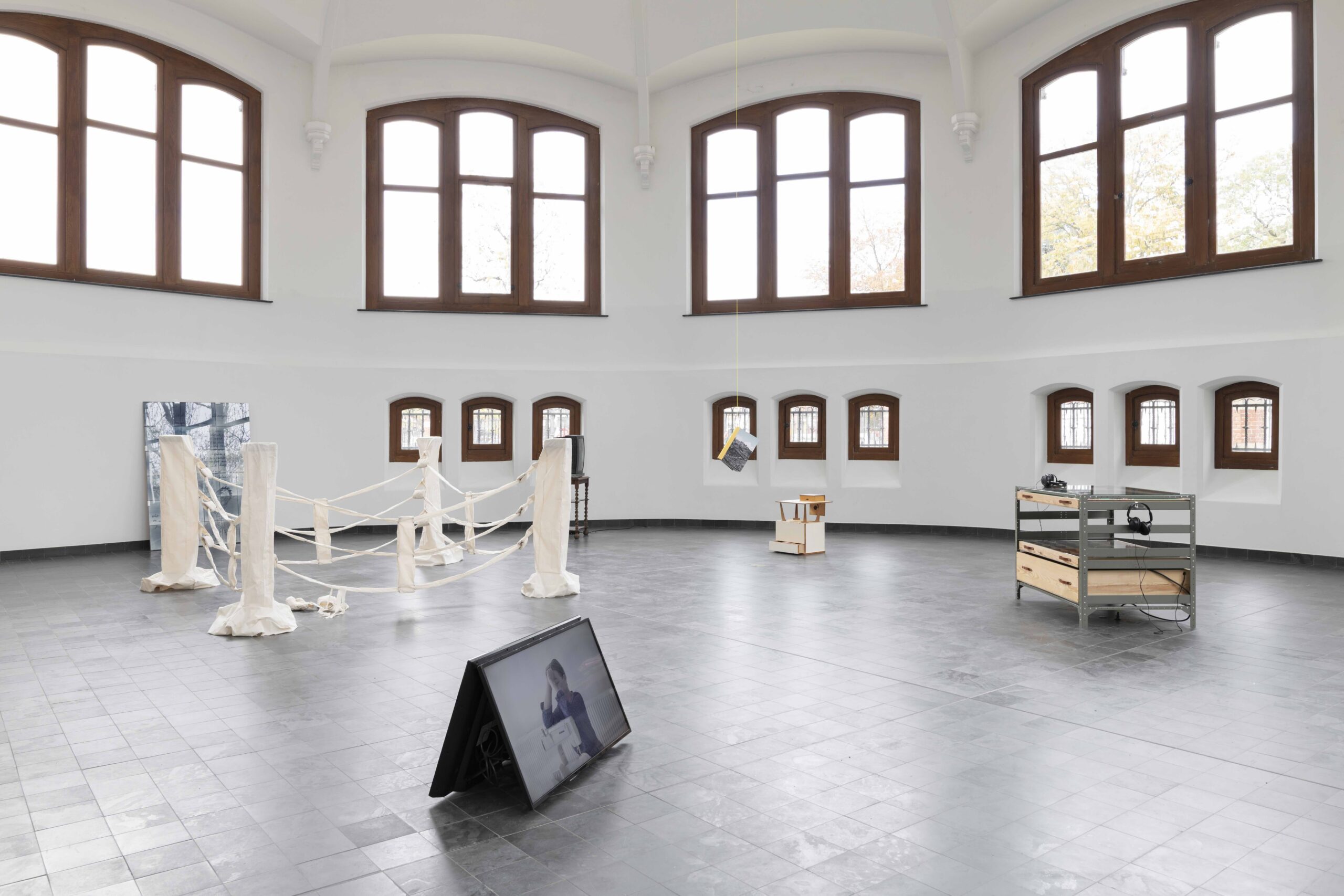
Simon Delobel, director of KIOSK, a contemporary art space at the Royal Academy of Fine Arts in Ghent, knows this feeling well. Affection, humour, vulnerability and difficult family histories all find their place in STRESS TEST. On Fathers, Fatherhood, and Fathering, a group exhibition featuring works by more than twenty artists, running until 20 December 2026.
“STRESS TEST is about fathers and family relationships, but it also asks whether an institution can change its own behaviour,” — Simon Delobel
It all began with an unexpected request. “An artist asked whether we could postpone his solo exhibition so that he could care for his child,” Simon tells me. “That request raised a very straightforward question: could KIOSK adapt its plans to what was happening in the life of someone we were working with?” The request made him reconsider what institutions expect from artists and how much flexibility they can offer. He began reaching out to artists close to KIOSK, gradually bringing together an exhibition that would explore both fatherhood and the responsibilities of art institutions. “STRESS TEST is about fathers and family relationships, but it also asks whether an institution can change its own behaviour,” he explains.
“So, rather than insisting on the original schedule, you began searching for alternatives,” I concluded.
“Yes. When you have a problem, let’s be creative and let’s use the problem as a solution.”
From Fatherhood to Fathering
Simon recalls the exhibition’s lively opening, which brought more babies, children and buggies than he had ever seen on the academy’s campus. Their enthusiastic presence occasionally raised concerns about the safety of the artworks, while one visitor admitted that all the noise made it difficult to concentrate. “She said it was very stressful. And I said, it’s good, it’s a stress test,” he laughs. Despite the occasional chaos, he remembers it as a fabulous afternoon.
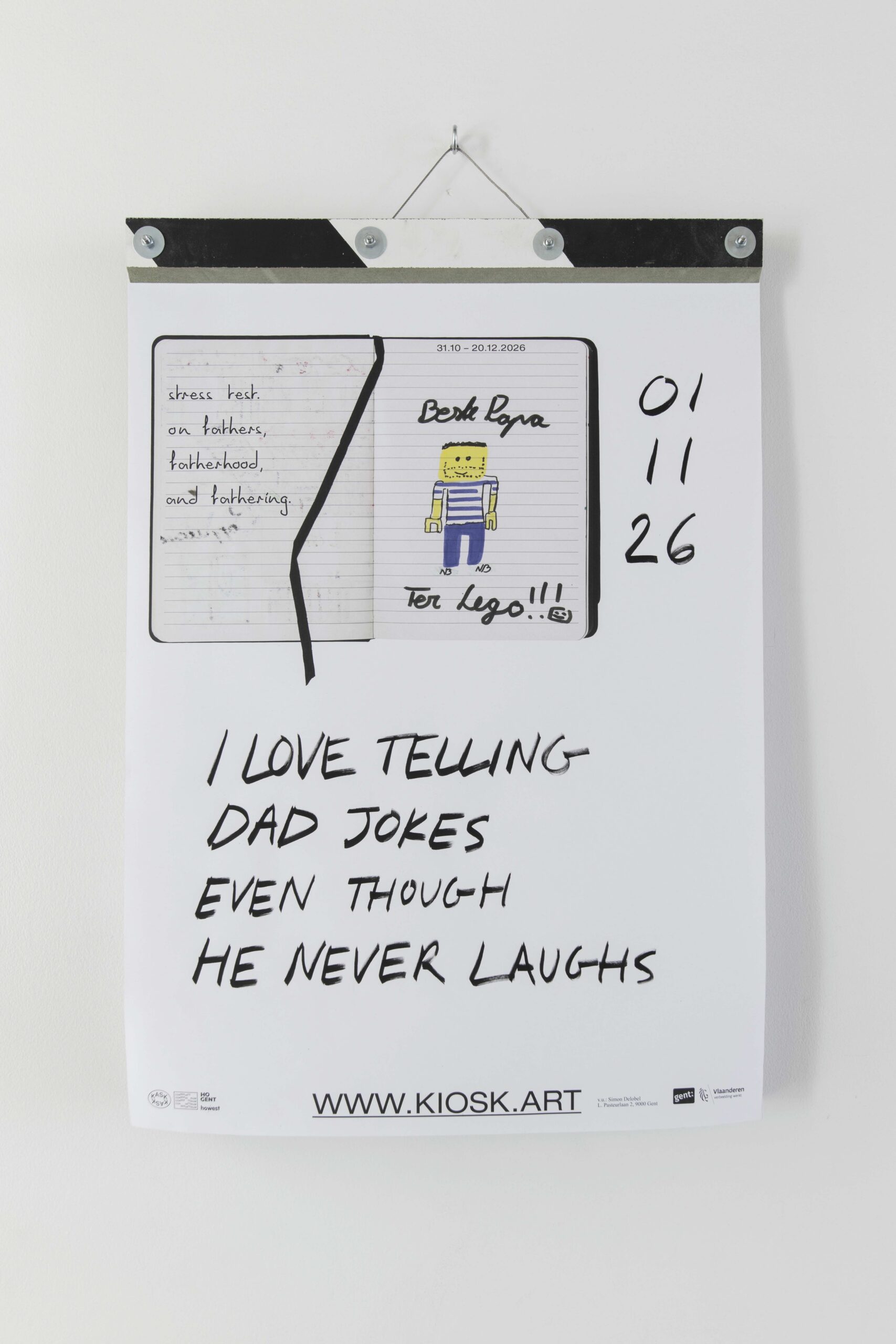
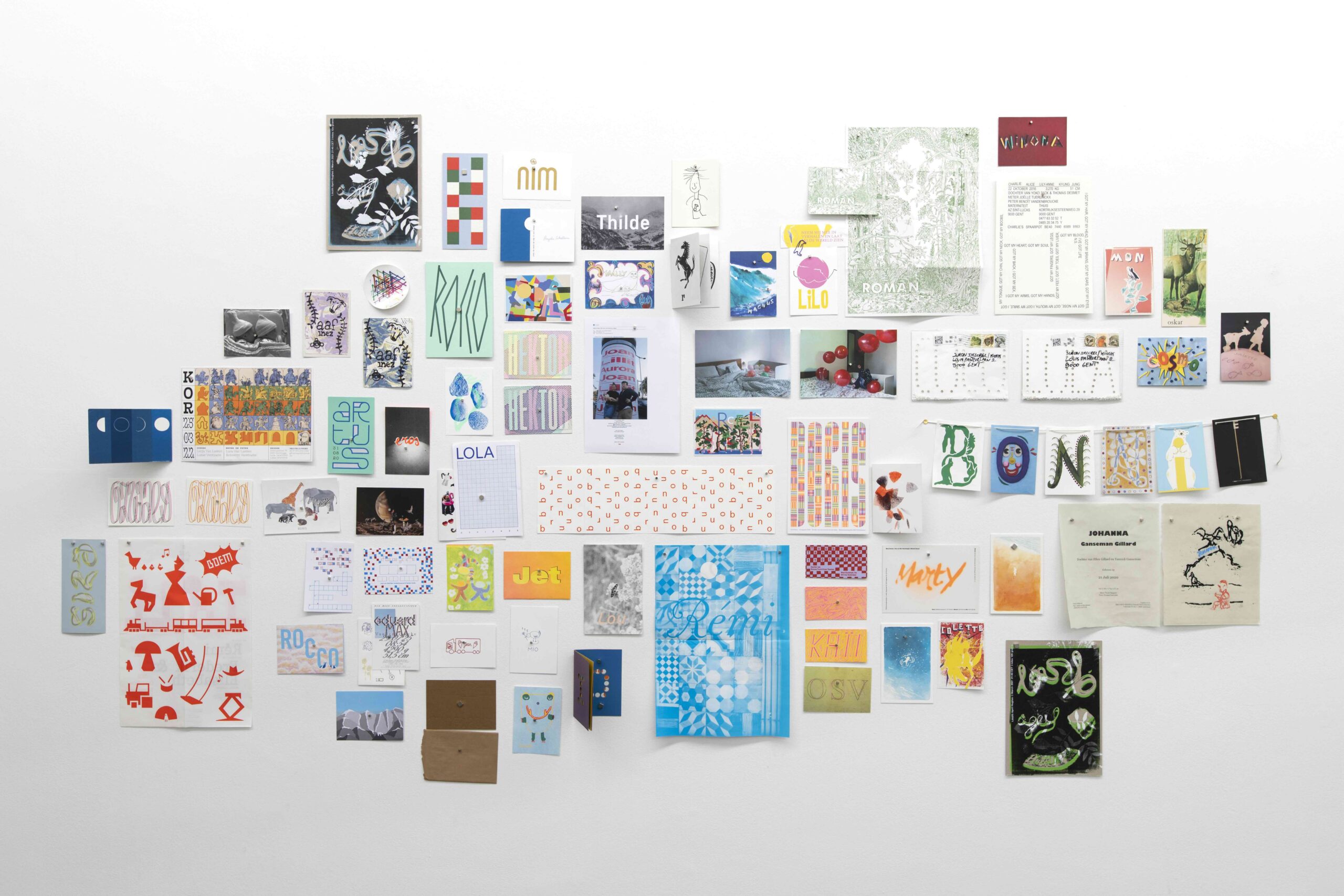
Humour also finds its way into the exhibition through birth announcement cards designed by artist-fathers and Julia Schouten’s playful exploration of dad jokes. Struggling to understand her Dutch-speaking father’s humour, Schouten wrote a long, winding joke in English for a Flemish audience. She also selected fifty-one dad jokes for a calendar, with one torn away each day during the exhibition.
As a daughter, I find myself wondering how well we really know our fathers. We grow up recognising their voices, habits and familiar gestures, yet there are parts of their lives we may never fully understand.
Beyond these playful gestures, I imagine KIOSK’s spacious, light-filled rooms filled with fragments of family life: children’s drawings, old photographs, handwritten letters and objects that might otherwise have remained in someone’s home. As a daughter, I find myself wondering how well we really know our fathers. We grow up recognising their voices, habits and familiar gestures, yet there are parts of their lives we may never fully understand. Perhaps that is what draws me to these works: the ways artists use photographs, letters and shared experiences to express things that are not always easy to say.
“Why fathers, specifically?” I ask.
“The starting point was a father asking for time to care for his child. I wanted to take that request seriously,” Simon explains. He recalls that when he first began thinking about parenthood in art, most of the works that came to mind concerned motherhood. He points out that becoming a father is still expected to have little effect on a man’s professional availability, while care remains more readily associated with mothers.
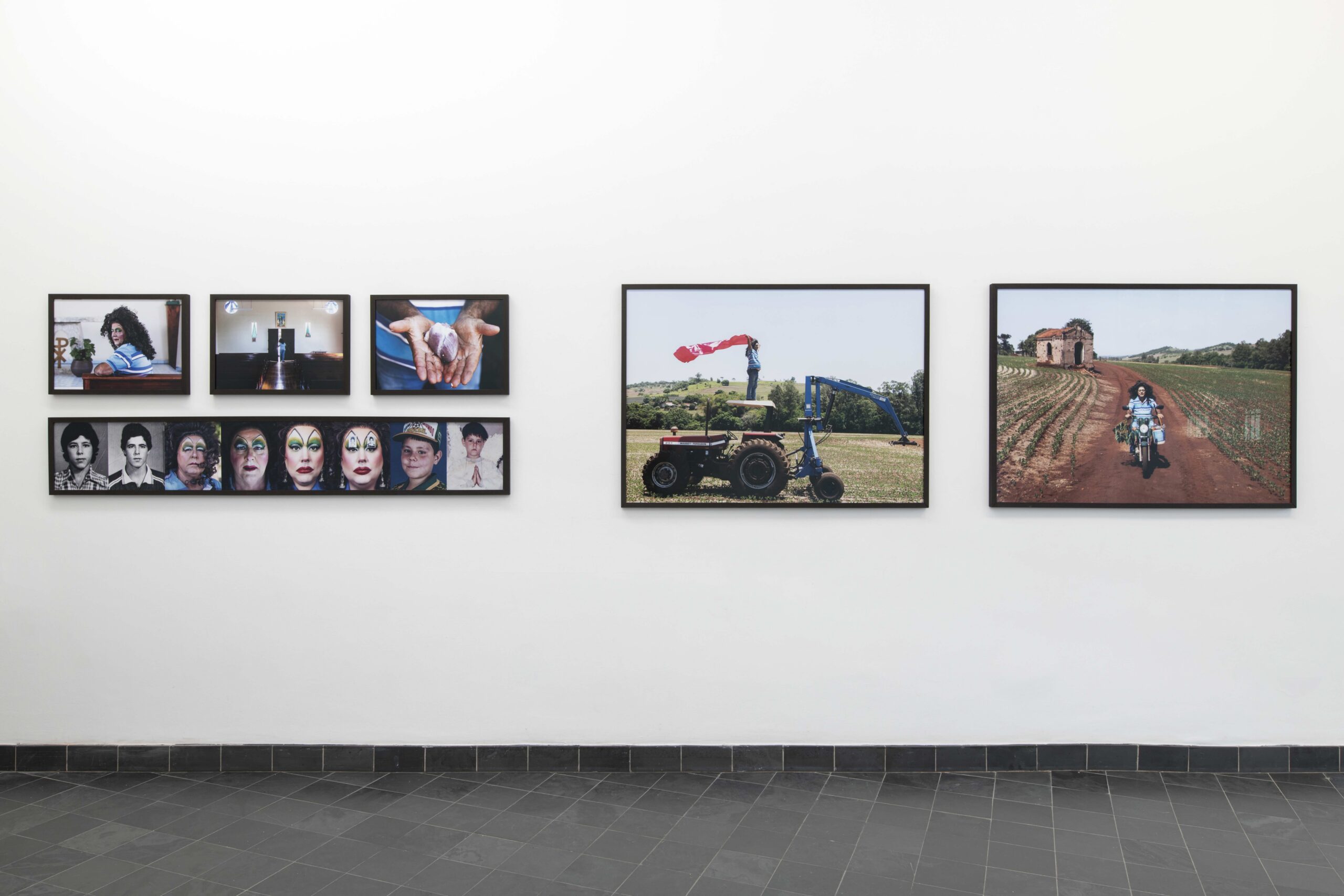
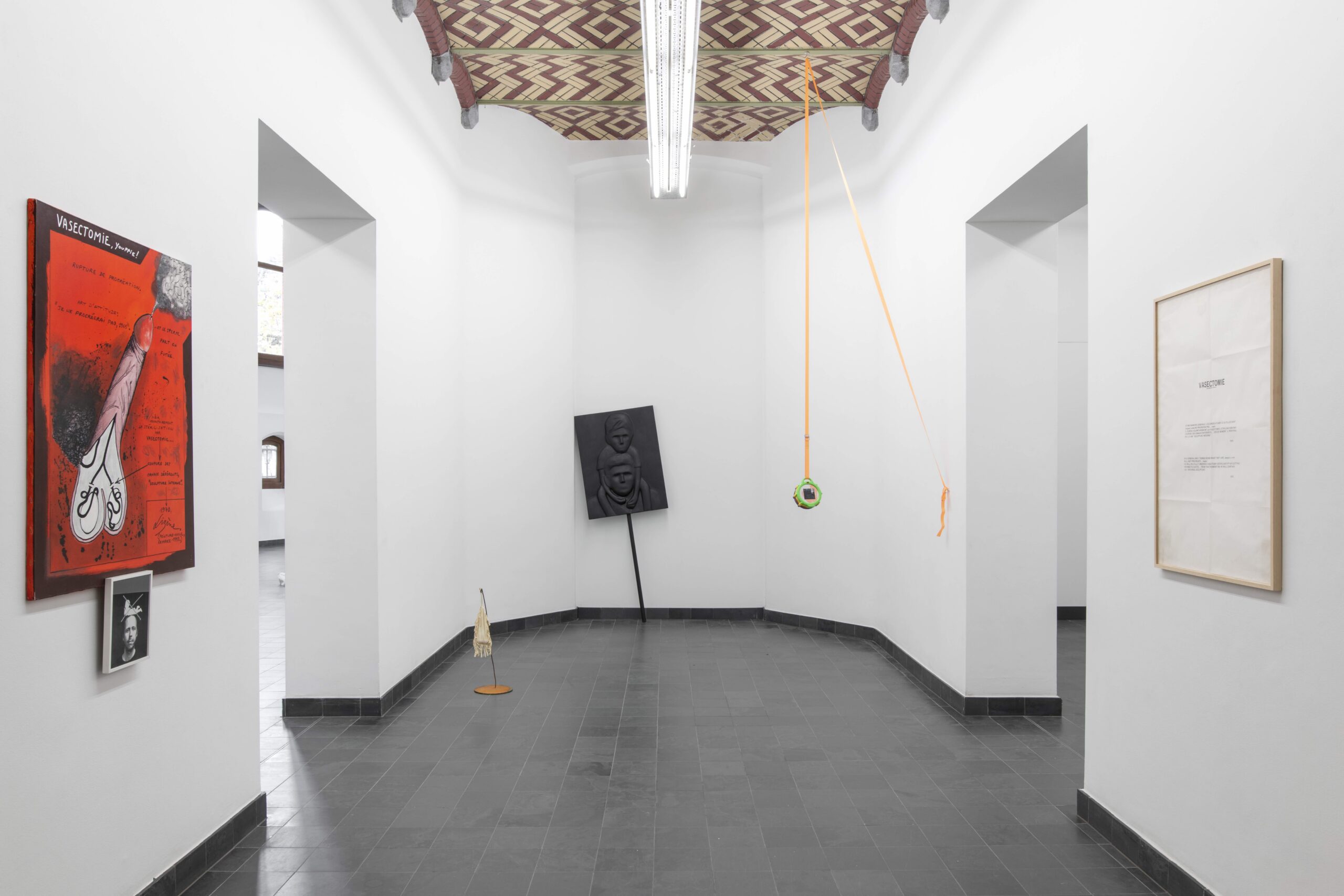
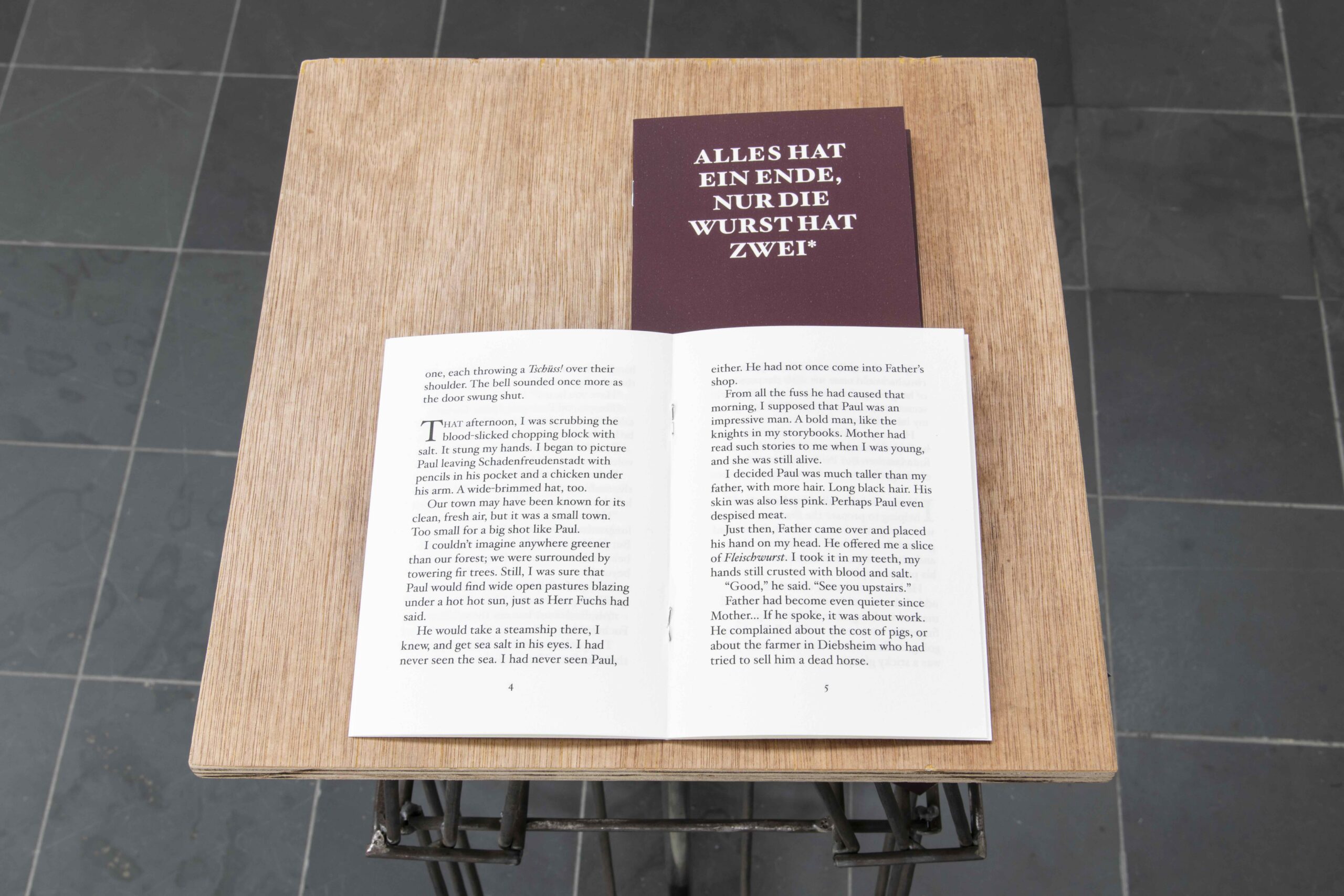
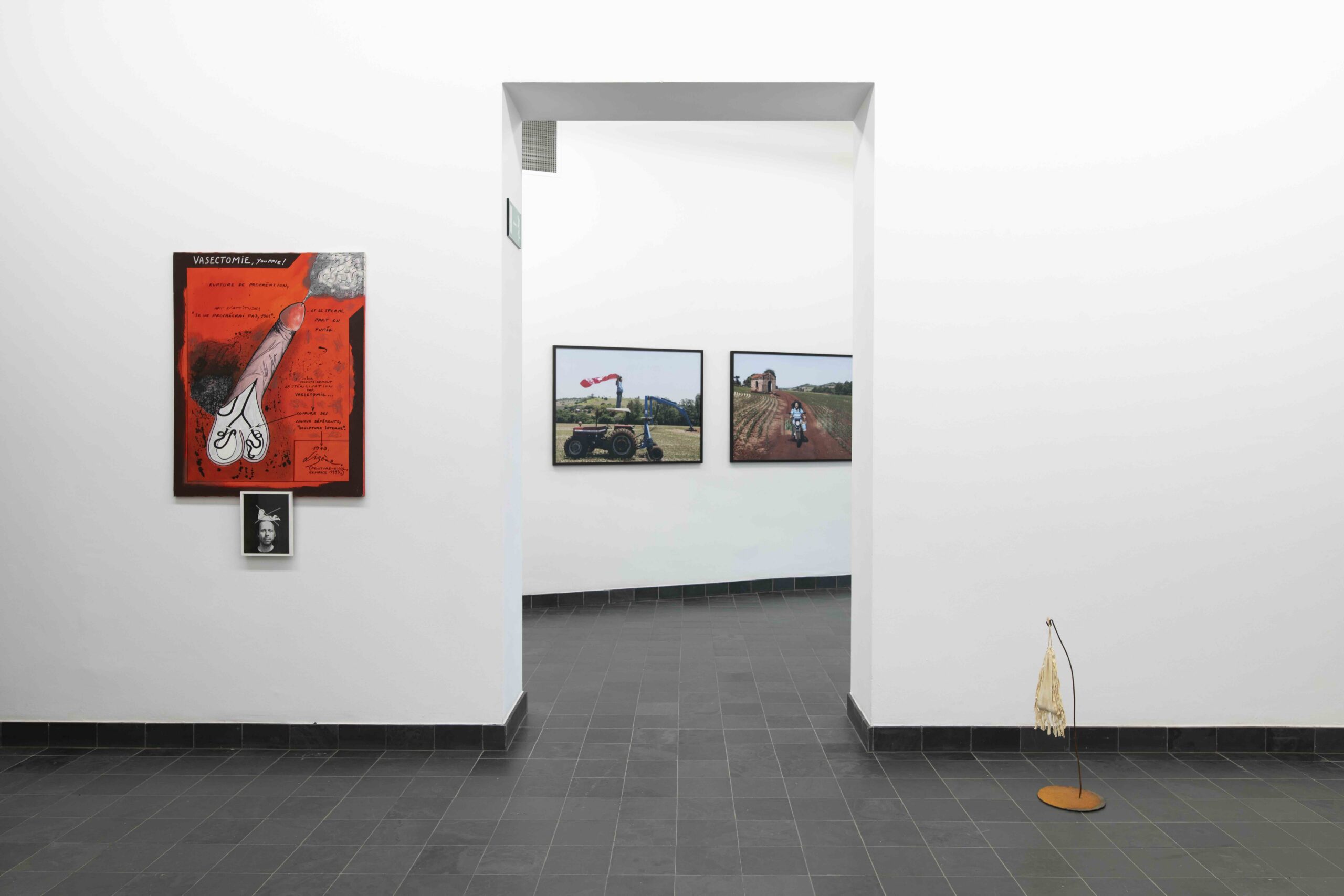
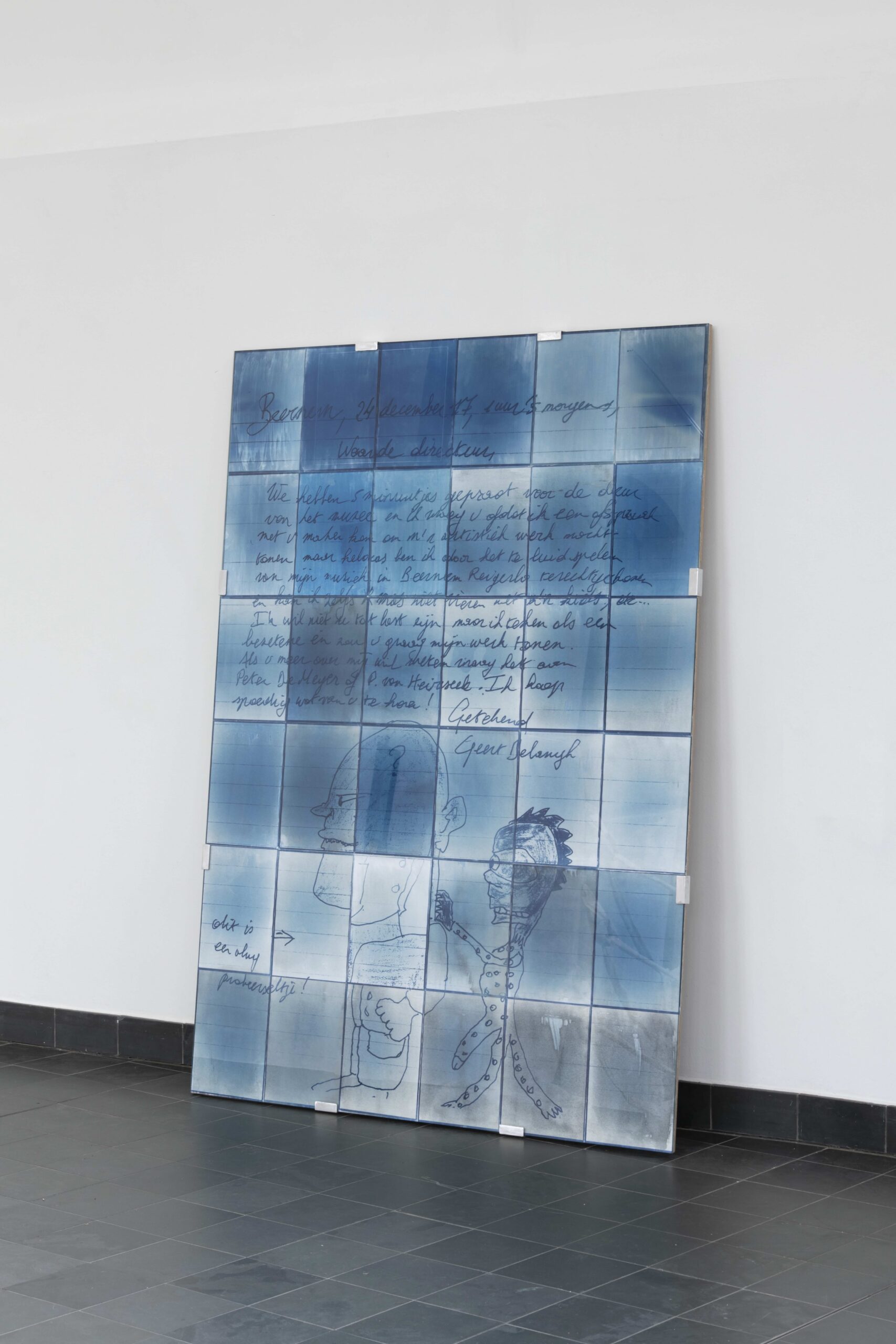
For Simon, the word fathering is particularly important. It shifts the focus from a fixed role to the things fathers actually do: care, teach, accompany, play — and sometimes fail to do these things. The works approach these relationships in very different ways. In Dear Father (2024–ongoing), Danilo Zocatelli uses drag makeup and photography to create a moment of intimacy with his father, challenging traditional ideas of masculinity. Chloë Delanghe transforms a letter written by her father during his admission to a psychiatric hospital into thirty-six cyanotype fragments. Other works are more confrontational, including Yvan Derwéduwé’s My Stepfather (2004), which addresses psychological and physical violence. Jacques Lizène’s Vasectomie (sculpture interne) [Vasectomy (internal sculpture)] (1970) introduces another possibility altogether: choosing not to become a father.
Who Gets to Make Time for Care
“I curate because I want to get a better understanding of myself,” Simon tells me. He had considered writing a letter to his own father, addressing things he had never quite managed to say. Although the letter remained unwritten, the exhibition helped him reconsider their relationship. I recognise something of this impulse in my own writing. Often, I begin with a question I hope to answer, only to discover others along the way. Writing about someone close to us, or making them part of an artwork, requires a willingness to reveal something about ourselves, too.
Writing about someone close to us, or making them part of an artwork, requires a willingness to reveal something about ourselves, too.
“Has your own experience of balancing work and family life influenced how you work with artists today?” I wonder.
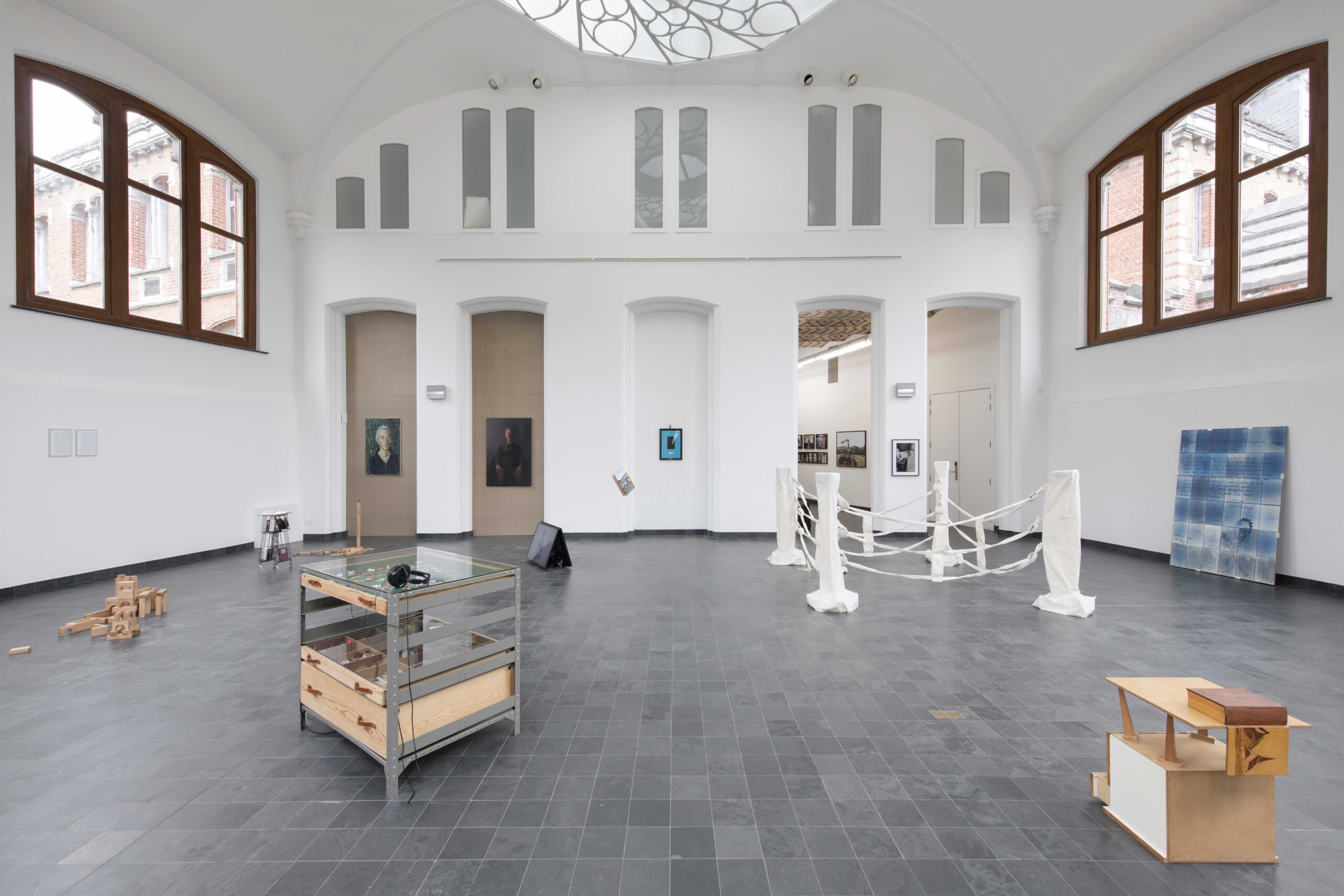
“Yes. I have two children, and I work much more than the four days a week I’m paid for. I know how difficult it can be to balance professional commitments and family life, even when you care deeply about your work. That experience has made me more attentive to artists’ circumstances. A meeting, an evening event or a few days away may seem simple from an institution’s perspective, but can require considerable organisation for the artist. It also makes me question availability as a measure of commitment. Someone who cannot stay late or travel at short notice is not necessarily less invested in their practice. Of course, being a parent doesn’t mean I understand everyone else’s circumstances. But it reminds me to ask, listen and avoid assuming that everyone can organise their life around our programme.”
I know how difficult it can be to balance professional commitments and family life, even when you care deeply about your work. That experience has made me more attentive to artists’ circumstances. — Simon Delobel
While parenthood can limit the time available for artistic practice, it can also inspire new ways of creating. Nicholas Hoffman and his seven-year-old daughter Ava Pudelek-Hoffman draw together almost everywhere: at home, in restaurants, while travelling. They draw without a particular goal in mind, but simply for the joy of creating together. A selection of their collaborative drawings is exhibited at KIOSK, offering a glimpse into their everyday creative routine. Ava, who is credited as a co-author, enjoys creating a world of her own, while Nicholas values the time they share.
Still, Simon reminds me that parenthood doesn’t always leave room for creativity. “Sometimes caring for a child means having less time to make anything, and that needs to be possible too,” he explains.
Although Belgium offers public support and social protection for art workers, Simon points out that many artists still struggle to balance their work and family responsibilities. Artistic practice requires time for research and preparation, often without a steady income, while exhibitions, residencies and travel can be difficult to manage without childcare or family support. He believes institutions should offer fair payment, realistic deadlines and greater flexibility, while recognising that artists’ lives do not always follow an exhibition calendar.
Artistic practice requires time for research and preparation, often without a steady income, while exhibitions, residencies and travel can be difficult to manage without childcare or family support.
The idea of flexibility also takes shape in Felix Kindermann’s Stintuition (2026), a miniature version of KIOSK built from 140 wooden blocks for his fourteen-month-old son Paul. At the opening, as the children were invited to take it apart and rearrange the blocks, the familiar structure of KIOSK took on unexpected forms, suggesting that institutions, too, can be reimagined and reorganised. Yet flexibility also brings practical challenges, as Simon points out: “Organising an unexpected exhibition also creates work for a small team, and caring for artists has to go together with caring for the people working in the institution.”
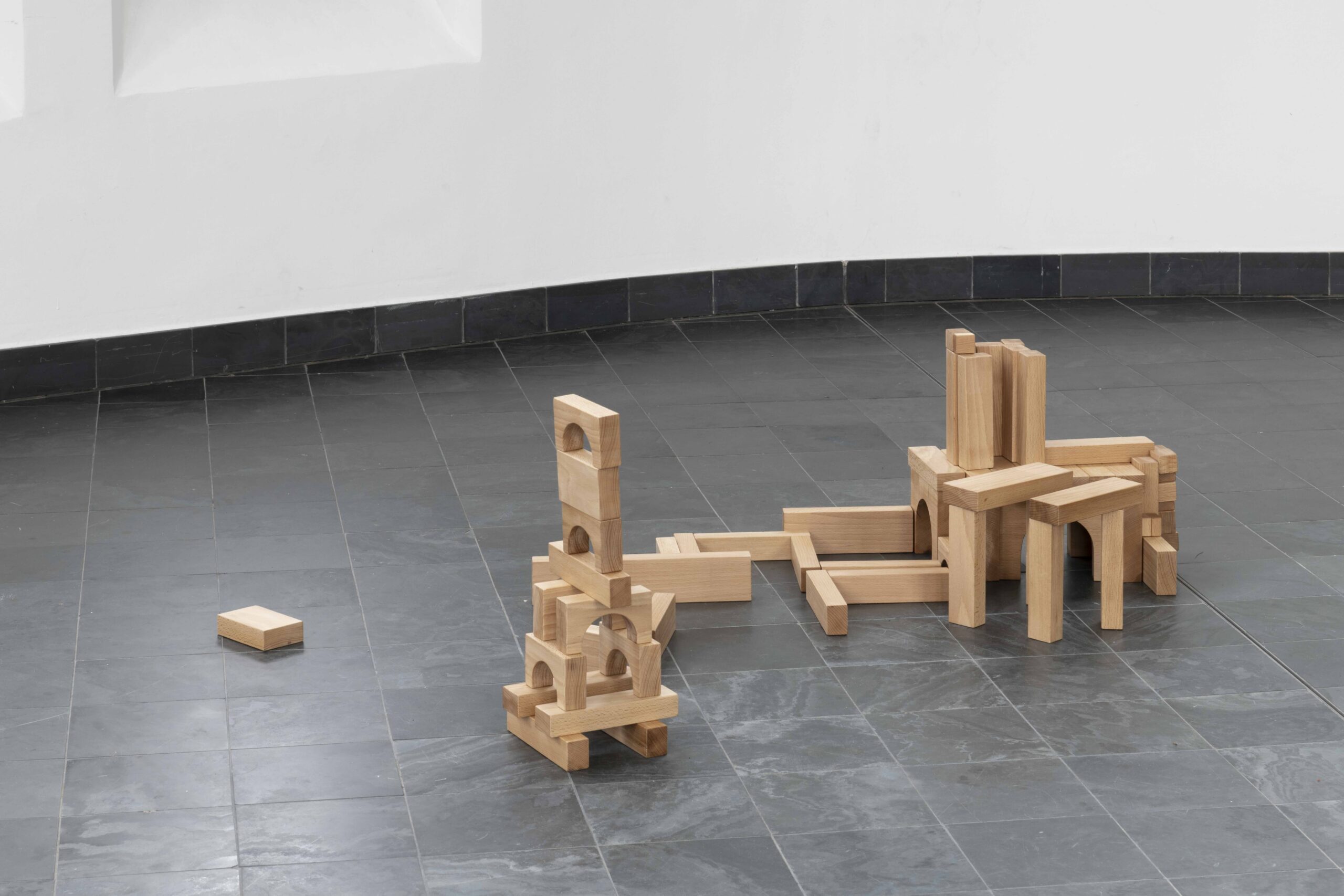
The miniature KIOSK makes me wonder about the institution itself. If it can be taken apart and rebuilt, perhaps the way it cares for people can change, too. Could an art institution be a kind of father figure? Not an authoritative one, but one that listens, makes room and understands that things won’t always go according to plan. After all, STRESS TEST began when someone asked for help, and KIOSK chose to respond.
“Organising an unexpected exhibition also creates work for a small team, and caring for artists has to go together with caring for the people working in the institution.” — Simon Delobel