






A symbolic return to the past in order to gain a better understanding of the present and build the future. SANKOFA seems to be the perfect theme for the AfryKamera’s 20th edition. As such, it invites us to traverse time and space, returning to what has been forgotten or suppressed, to rediscover, reflect on, and reclaim it. The African Film Festival once again brings the most fascinating productions to Warsaw.
For the anniversary of this largest review of cinema from the African Continent and its diaspora in this part of Europe, which takes place November 21-26 in three locations across the Polish capital, the festival turns towards both the past and the future, tradition and modernity, highlighting the emerging voices as well as revisiting the best classics. Cultural identity, women’s rights, colonial memory, and social and environmental change unite over forty carefully selected, award-winning and widely acclaimed titles presented in the programme.
Along with a rich programme of accompanying events (meetings with filmmakers, discussions, workshops, and music events), the films will also be available online on Mojekino.pl, with festival screenings in Kraków, Wrocław, Łódź, Szczecin, Lublin, Rzeszów, Gorzów Wielkopolski, and Konin.
Here’s our selection of 10 films you don’t want to miss at this year’s AfryKamera.
Contemporary Lynx is a proud media partner of the 2025 edition.
BLKNWS: Terms & Conditions
The opening film is a cinematic journey inspired by a music album, based on Kahil Joseph’s video installation presented at the Venice Biennale in 2019, and blending both fictional and historical characters in a story spanning 247 years. A heady, furiously constructed work presents the collective memories of Black people and the history of the diaspora in a multi-layered narrative, leading through land and sea as being focused on the passengers of the transatlantic liner The Nautica.
As with Joseph’s earlier work, the montage feels like a living organism, one that updates itself, rewrites itself, and interrogates its own making – drawing inspiration from W.E.B. Du Bois, Marcus Garvey, and Saidiya Hartman, combining archival materials, social media clips, and video recordings.
The film’s stereo sound was professionally mastered, and artists such as Arthur Jafa and Garrett Bradley contribute their unique perspectives across 21 audio tracks. It is not merely viewed but experienced – a cinematic broadcast that blurs documentary and prophecy, art installation and journalism, insisting on a new cinematic language for an ongoing, uncontainable archive.

My Father’s Shadow
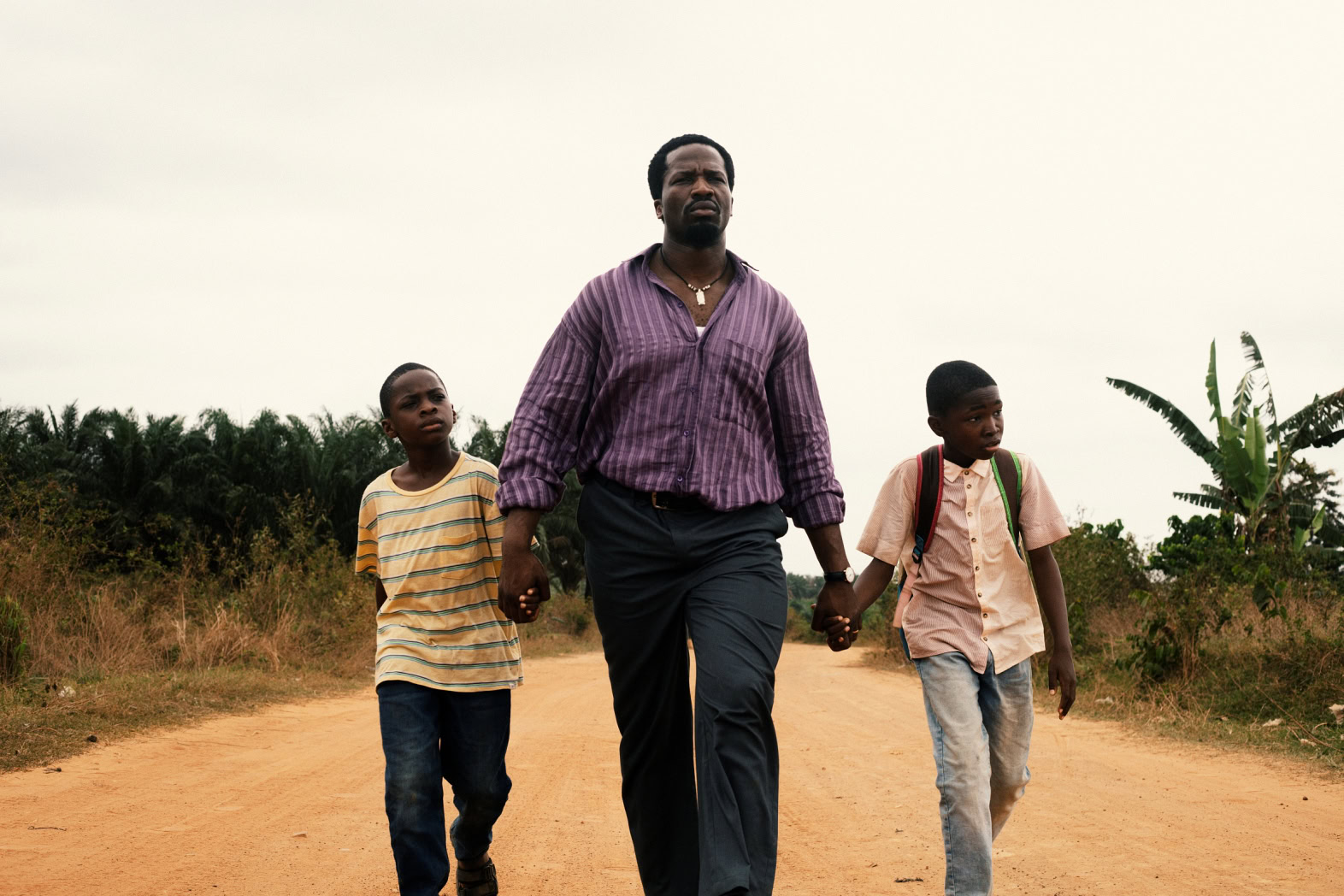
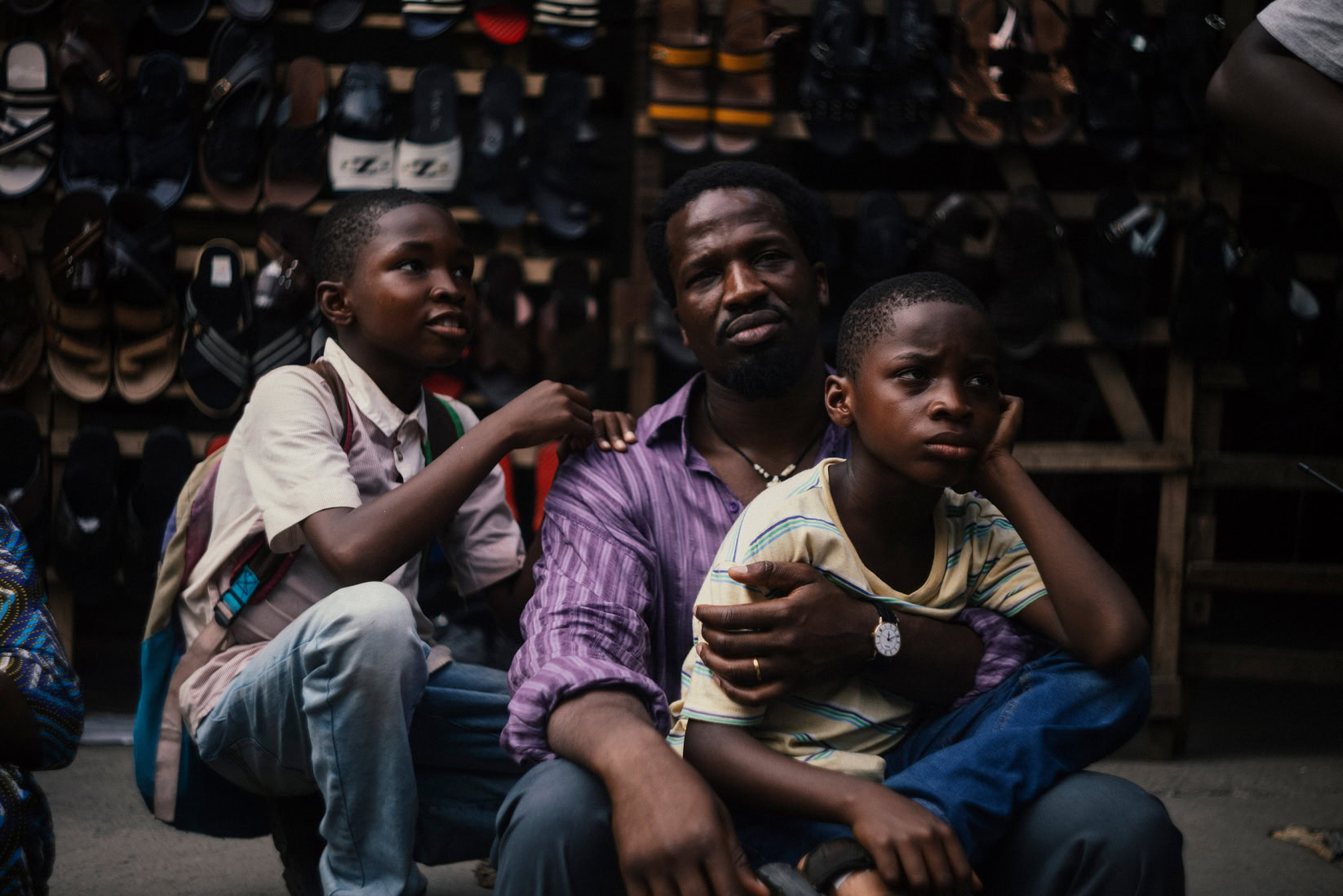
In his feature directorial debut, Akinola Davies follows two young brothers, Remi and Akin, as they are granted a rare gift: a day with their estranged father, Folarin. Their journey through the vast, bustling streets of Lagos becomes both a personal and urban awakening, revealing the challenges their father navigates to provide for them and offering the boys a first glimpse of the city’s immense scale and complexity.
A semi-autobiographical tale set over the course of a single day in the Nigerian metropolis of Lagos during the 1993 Nigerian election crisis that intertwines intimate family dynamics with historical and political context, heightening the stakes of their day together. Through a mix of warmth, observation, and subtle tension, Davies captures a nuanced portrait of fatherhood, responsibility, and the ways in which broader societal pressures shape personal relationships. Shot with a nostalgic, understated tone, it all tears you to pieces.
Alazar
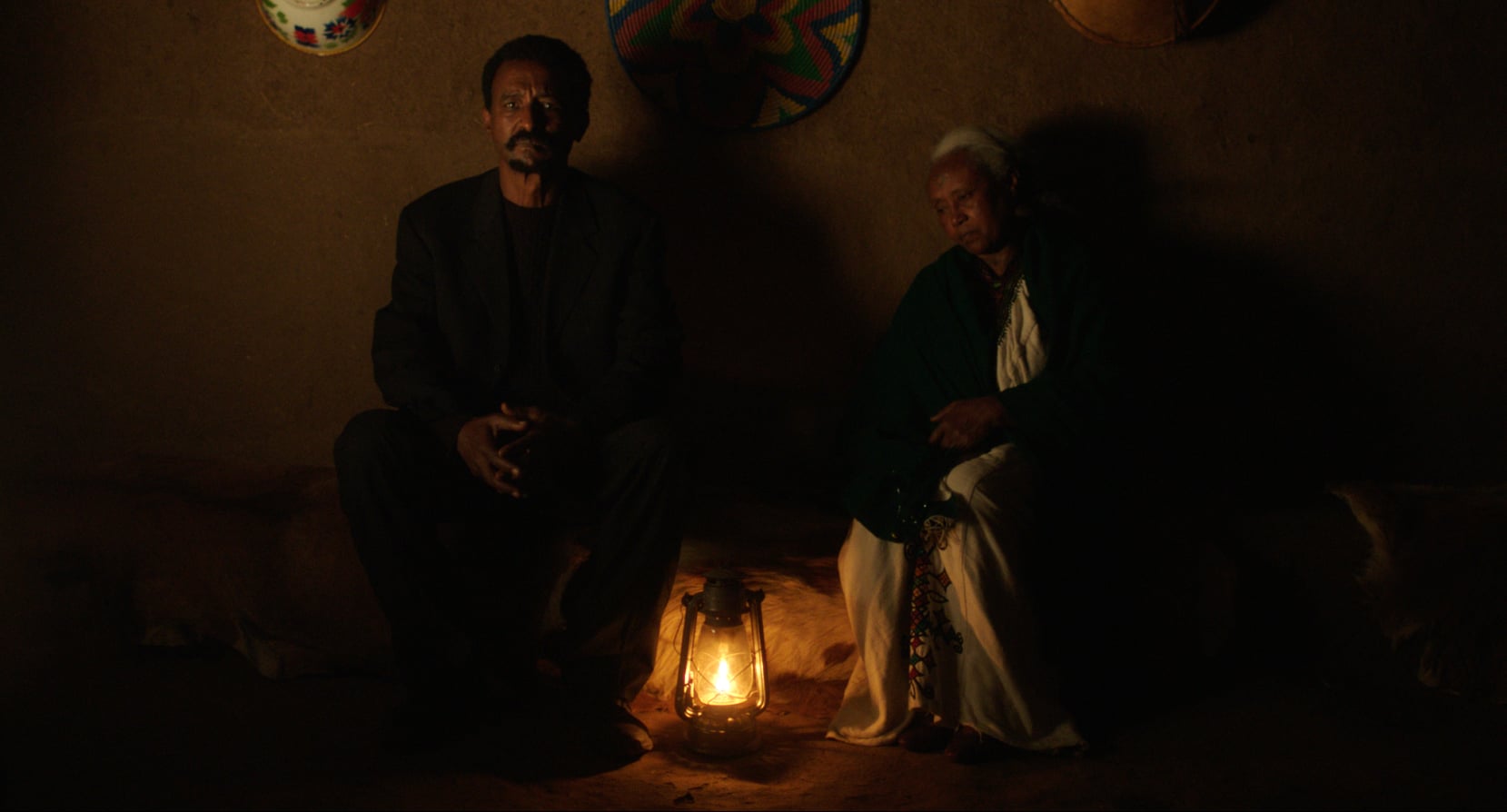
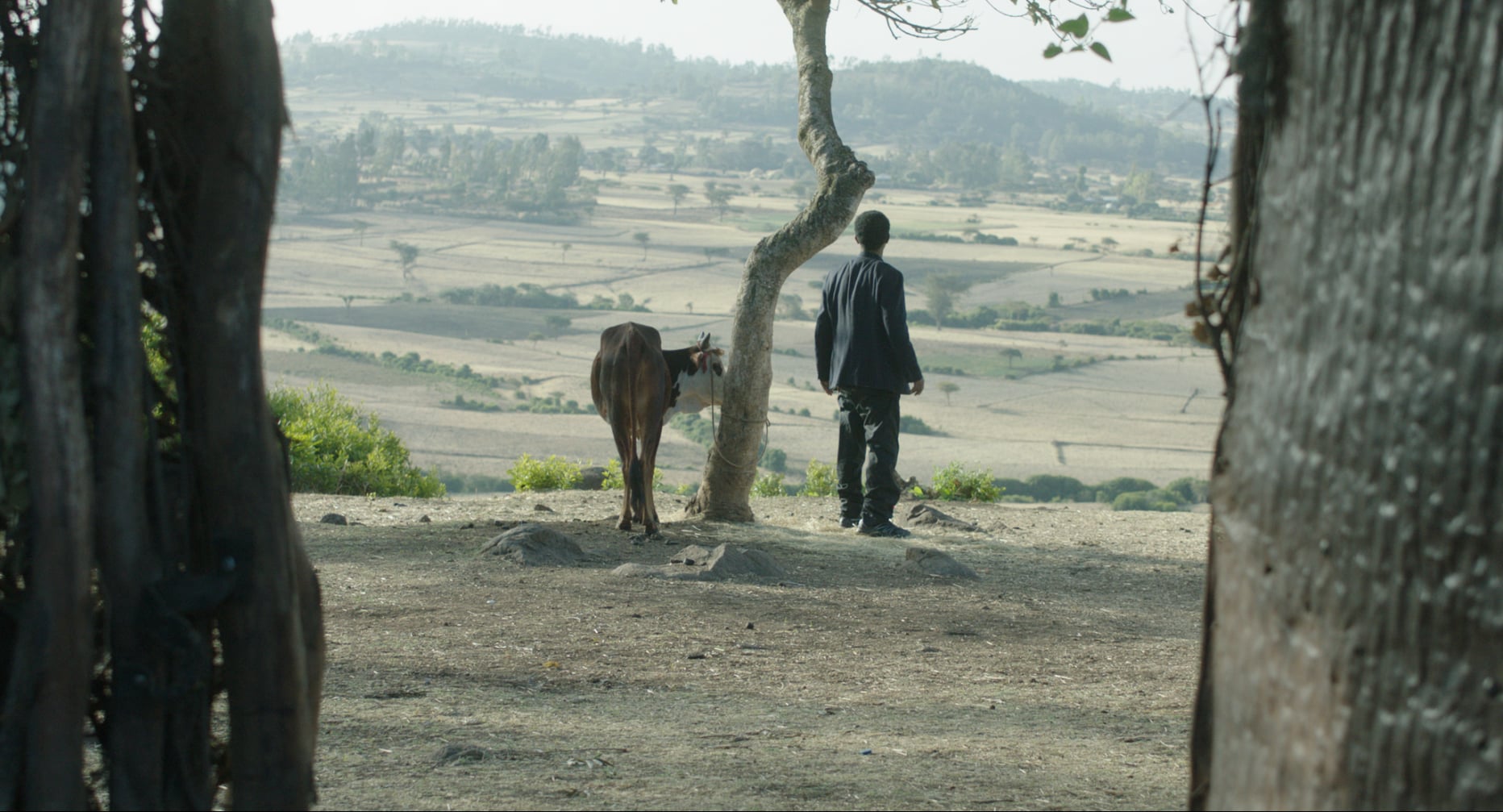
Beza Hailu Lemma presents a quietly powerful short drama set in contemporary rural Ethiopia, where a farming community already weakened by drought must reckon with a mystery: the patriarch of a prominent family disappears from his grave after a burial. The son, Tessema, refuses to accept the church’s explanation that it was a divine act. Instead, he embarks on a personal investigation – a search for truth that becomes a profound confrontation with faith, tradition, and the legacy of his family.
Deeply grounded in social realism, yet carrying a poetic weight, both the film and its director become a force to be reckoned with. “What is the truth and what are we willing to believe?”, Alazar asks while capturing the drought-stricken landscape and empty fields, shaping the character’s inner journey as much as his external one. The scenery – magnificent and terrifying at the same time – also evokes a sense of inspiration through the lens of Samuel Teshome and his natural-light rural work, contributing significantly to the question of explaining the unexplainable.
Katanga: The Dance of the Scorpions
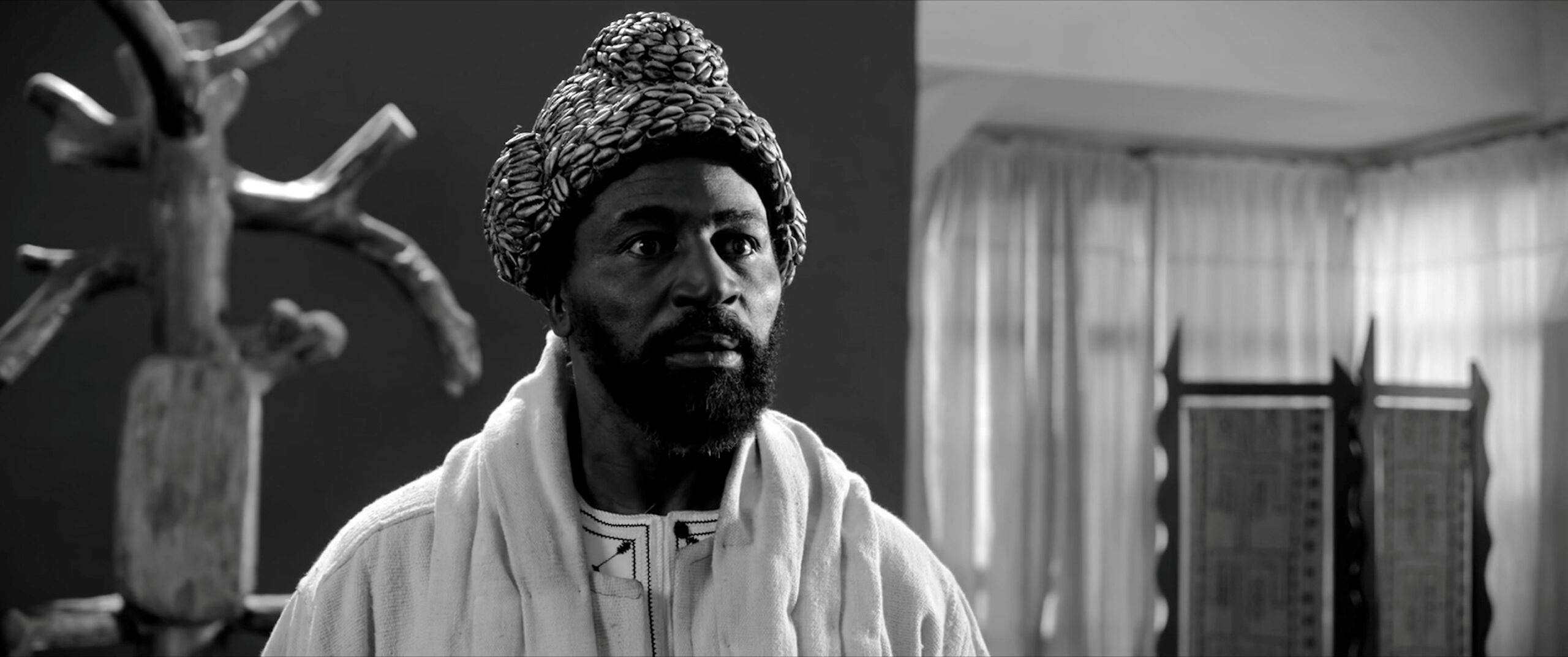
Based on William Shakespeare’s Macbeth, Dani Kouyaté uses the classic structure of tragedy to craft a universal parable about the lust for domination and moral decline, resonating both with the history of the African continent and contemporary political realities. A poetic, visually refined tale of power, ambition, and destiny, set in a fictional kingdom, depicts its world as both realistic and metaphorical – reminiscent of a dream or a ritual, exploring how local lives are shaped by extraction, migration, and the legacies of colonial and postcolonial power.
Minimalist form, black-and-white aesthetics, and the use of the Mooré language give the story the character of an African tragedy in the Shakespearean spirit, yet deeply rooted in local identity. Through its rich, ritualistic imagery and precise narrative rhythm, Kouyaté interrogates the tensions between survival, cultural memory, and moral responsibility. Blending mythic and realist elements, it uses dance, music, and visual symbolism to evoke both the beauty and danger of life in Katanga. With meticulous cinematography and narrative layering, it becomes not only a story of place and people but a meditation on resilience, agency, and collective memory.
Didy
Gaël Kamilindi was only five years old when his mother, Didy, died. Memories of her faded amid the turmoil of civil wars, genocide, and the AIDS epidemic that ravaged Burundi and Rwanda, leading to his exile in Switzerland. Thirty years later, Gaël decides to reopen the pages of his family history by travelling to Rwanda to meet people who knew his mother. Through their memories and archival footage, the film paints a portrait of Didy and an entire generation of Rwandan women who survived the worst.
Co-directed with François-Xavier Destors, Didy is a searching, quietly powerful documentary-hybrid about memory, loss, and the patchwork of remembrance. Elegiac without being sentimental, as its power comes from a patient, forensic listening. It is a reframing of collective memory — a film that asks how we rebuild a life’s portrait when the records have been broken. It’s an intimate cinema with a moral gravity: tender, unflinching, and finally reconciliatory.


Timpi Tampa
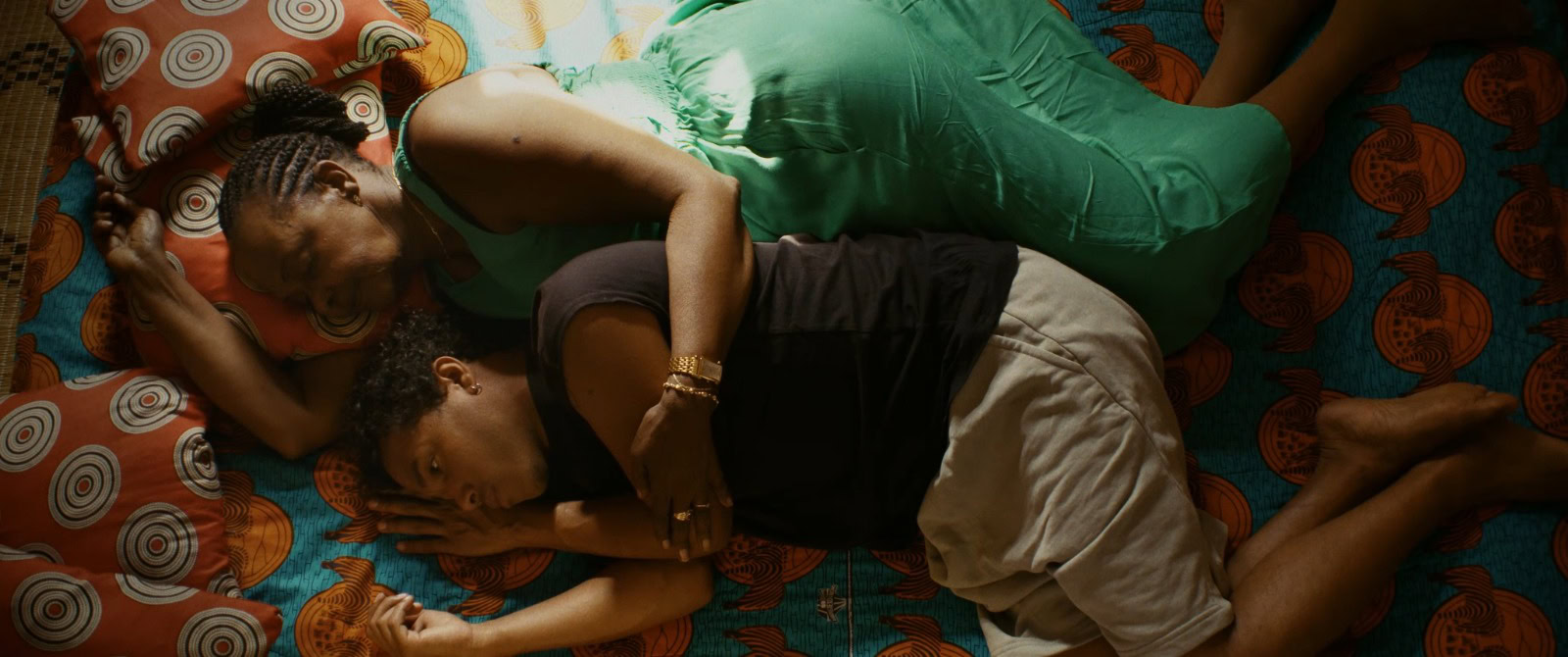
Khalilou’s mother develops cancer caused by skin-depigmentation treatments. Determined to challenge toxic beauty standards, Khalilou disguises himself as Leila to enter the “Miss Students” pageant, a competition dominated by light-skinned contestants. Through this audacious act, he seeks to give dark-skinned girls a chance to shine, confronting societal norms while exploring identity, courage, and solidarity.
Adama Bineta Sow is one of the most promising young Senegalese directors, whose work combines comedy, drama, and reflection on social norms and cultural identity. And Timpi Tampa is a statement to that – a daring, moving story of self-expression, resilience, and the fight for representation.

Anba Dlo
Nadia is a biologist who researches the native flora and fauna of Cuba. Suddenly, one day, the forest sounds different. Something has happened. His Haitian homeland has never felt further away. In Haitian Creole, Anba Dlo means “beneath the water”. As such, Luiza Calagian and Rosa Caldeira craft an evocative, hybrid short moving between myth and memory, immersing the viewer in a sensory landscape shaped by Afro-Caribbean cosmology.
A beautiful short – spiritual ethnography of sorts, sensitively representing and exploring even more local mourning. A mystery highlighted by observational and ritual-centred visual language instantly gives you goosebumps.

On the Dune of Solitude (Sur le dune de la solitude)
Suggested by Mama Watta, the legendary water goddess who lures men into her domain, On the Dune of Solitude unfolds as a lyrical, symbolic meditation on desire, mortality, and the ephemeral nature of human connection. Over the course of a single night on the beach, a man and a woman share dreams and intimate encounters, their bond illuminated by moonlight and shadow.
This 1964 film has mythic motifs with poetic imagery, using the landscape as both stage and metaphor, creating a haunting, timeless exploration of longing, vulnerability, and the thin line between ecstasy and annihilation. A strong mark in Timité Bassori’s work, mixing surrealism with magical realism, the psychoanalysis with the traces of witchcraft.

Hanami
Set against the backdrop of the Cape Verde islands, Hanami traces a girl’s journey toward understanding the bonds that tether us to place, memory, and the people we come from. Nana is raised by her father’s family after her mother, Nia, leaves the island immediately following her birth. When news arrives years later that Nia is gravely ill, Nana begins suffering mysterious fevers and is sent for treatment at the foot of a volcano — a threshold space where dreams, visions, and reality intermingle.
Blending intimate drama with gentle currents of magical realism, Denise Fernandes crafts a story about distance, return, and the uneasy terrain between longing and belonging, making it a stunning tale that blends myth and reality into a poignant piece of film art, where every frame is a postcard.


Faya Dayi
A hypnotic, visually entrancing portrait of life in Ethiopia’s Harar region, where the cultivation and trade of khat – the stimulant leaf central to local ritual and economy – shapes the rhythms of everyday existence. Through the trade prism, Jessica Beshir weaves a tapestry of intimate stories of people caught between violent government repression, khat-induced fantasies and treacherous journeys beyond their borders, and offers a window into the dreams of the youth who long for a better life.
Shot in exquisite black and white, the film moves like a cinematic poem: mist, shadow and gesture merge into a world suspended between memory and dream. Rather than offering explanations, Faya Dayi immerses the viewer in a lived reality where politics, spirituality and economic precarity are inseparable. It is a deeply human, quietly devastating work – a meditation on hope, endurance and the pull of elsewhere.


AfryKamera 2025
November 21–26, 2025
Warsaw, Poland


