



In the world of short-form and easy-to-digest content, simply visiting an art gallery can feel like an act of resistance. And what would happen if the exhibition itself explored how technology shapes our lives?
This selection of exhibitions dealing with the condition of humanity in the digital age shows us what can happen if we slow down the endless scroll in an attempt to understand not only the mechanics of social media, but also of our own minds and bodies. From teenage feeds to AI-generated personas and competing versions of truth, these exhibitions explore how technology shapes identity, attention and power, and how artists can render the hidden workings of digital life visible.
Lauren Greenfield: Social Studies at Fotografiska Berlin
26.09.2026–12.01.2027
Berlin, Germany
Created in collaboration with 30 teenagers, who granted her full access to their phones, Lauren Greenfield’s Social Studies is a thorough investigation of the way in which the media and popular culture transform adolescence. This raw and honest exhibition not only provides invaluable insight into the lives of the younger generation but also inspires us to critically analyse our own digital intake.


The show is based on a five-part documentary, which can be viewed in a dedicated screening room. In that extremely ambitious project, Greenfield filmed the teenagers’ lives for 150 days and collected over 2,000 hours of screen recordings of their phones. The exhibition includes photographs, installations, and immersive environments that explore bullying, comparison, beauty standards, race and sexuality. It invites visitors to consider how social media reshapes identity. Everything that usually fits on a six-inch screen is slowed down and enlarged, giving viewers the opportunity to analyse adolescents’ experiences in the digital world.

!Mediengruppe Bitnik: Qwen Stefani Against Techfascism at Annka Kultys Gallery
21.09.2026–Sine Fine
London, Great Britain
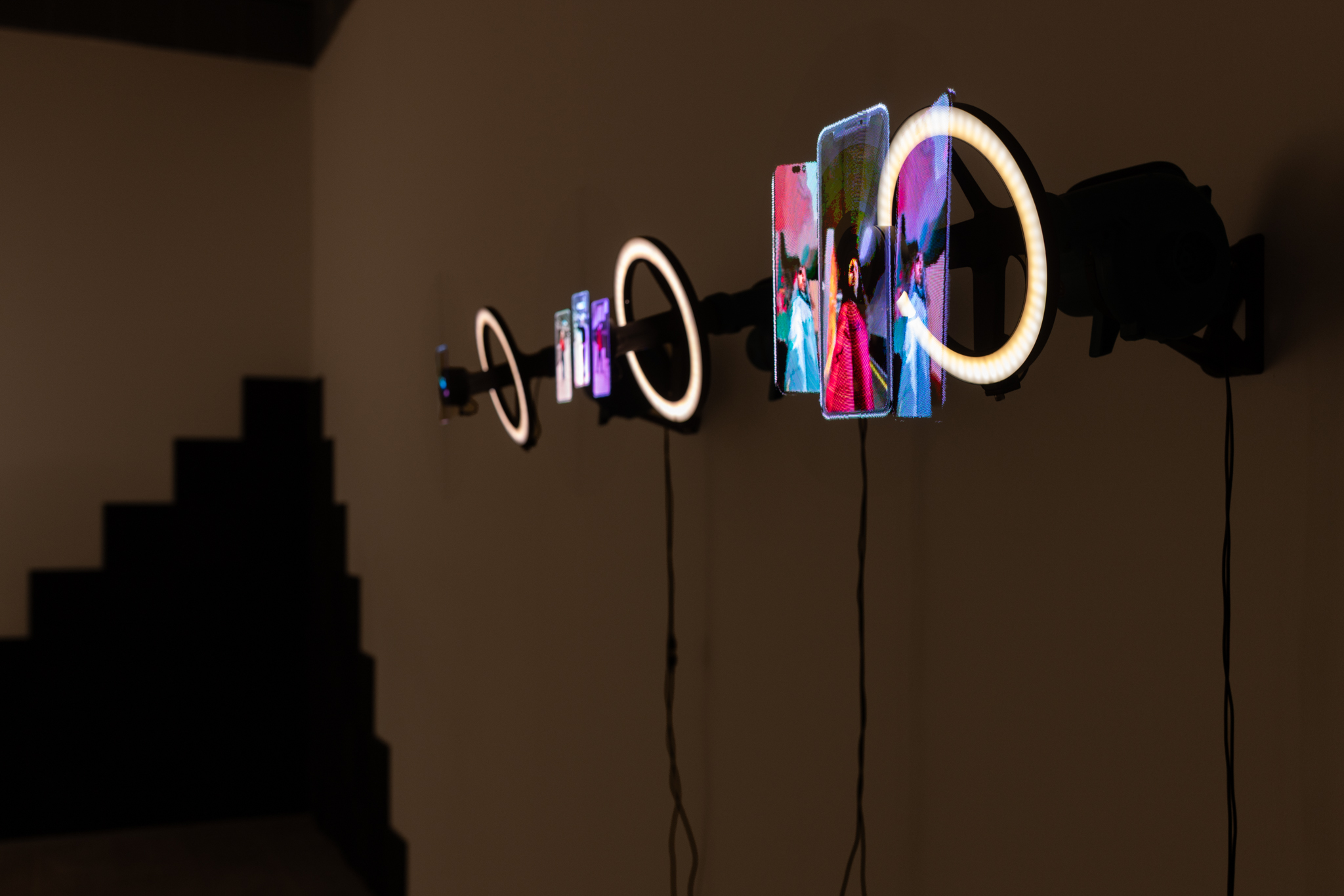
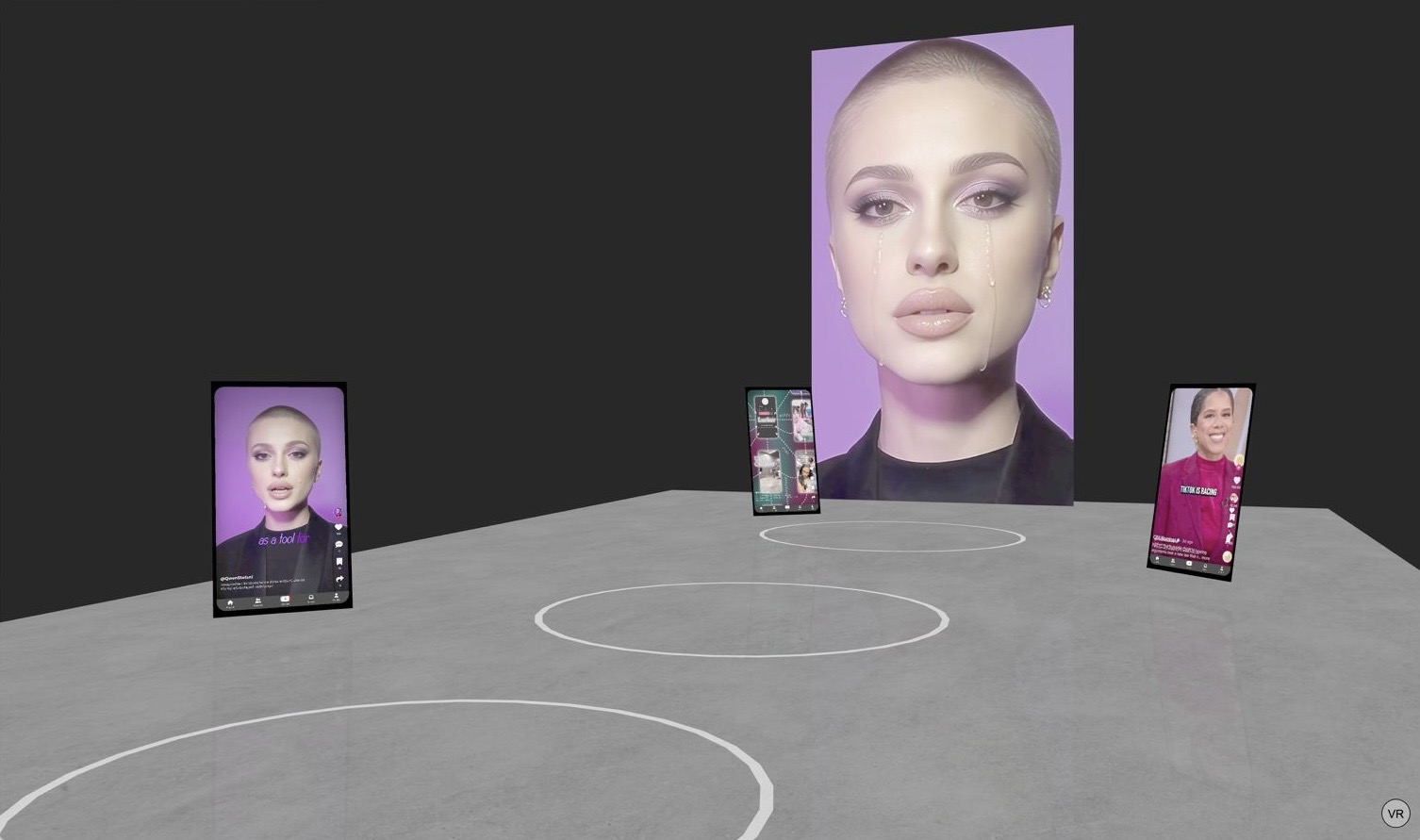
Qwen Stefani Against Techfascism is an exhibition of four moving-image works displayed in both the gallery’s physical and virtual spaces. Created by !Mediengruppe Bitnik, a contemporary artist duo comprising Carmen Wiesskopf and Domagoj Smoljo, the videos interrogate unequal systems of power and control.
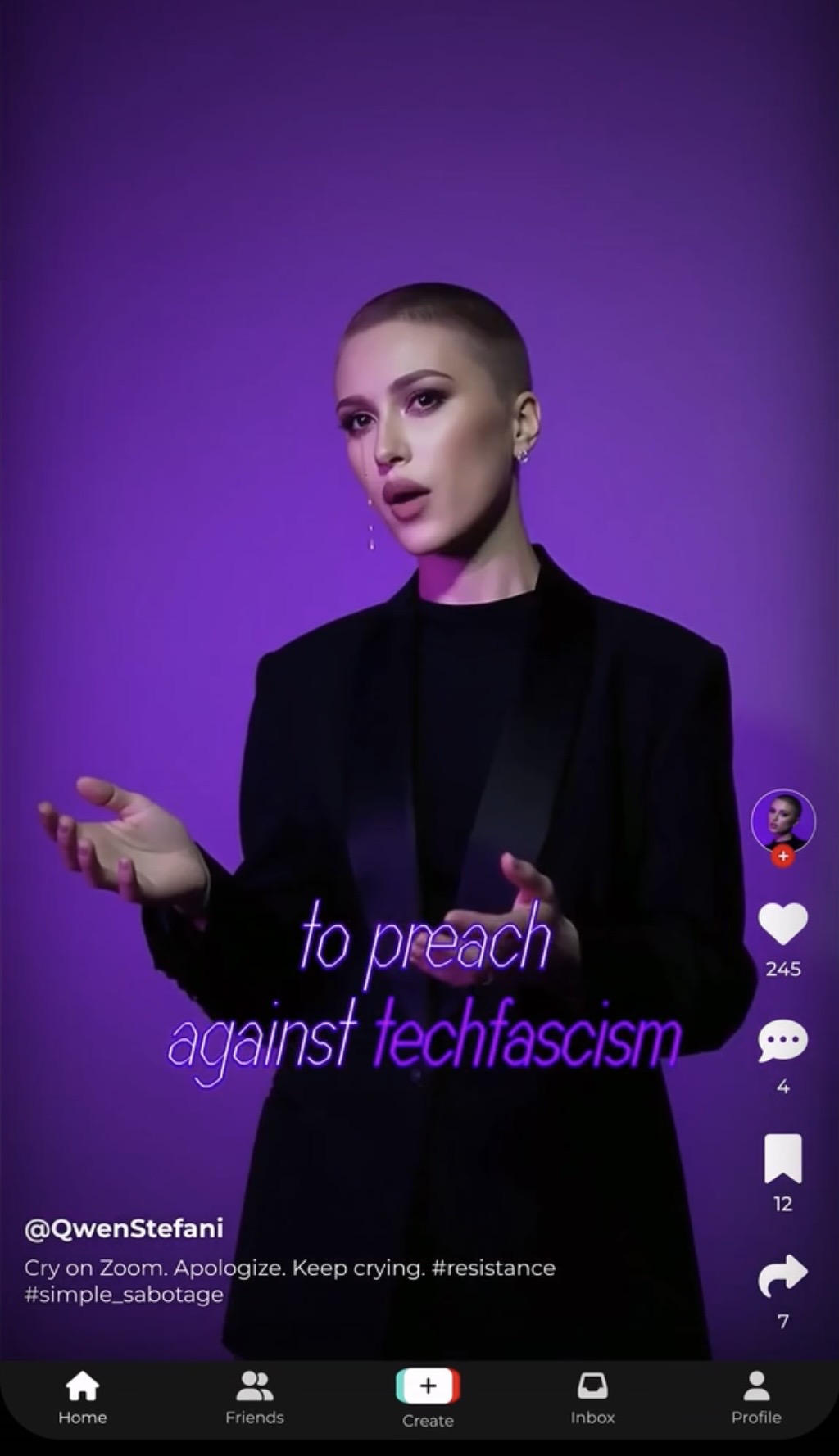
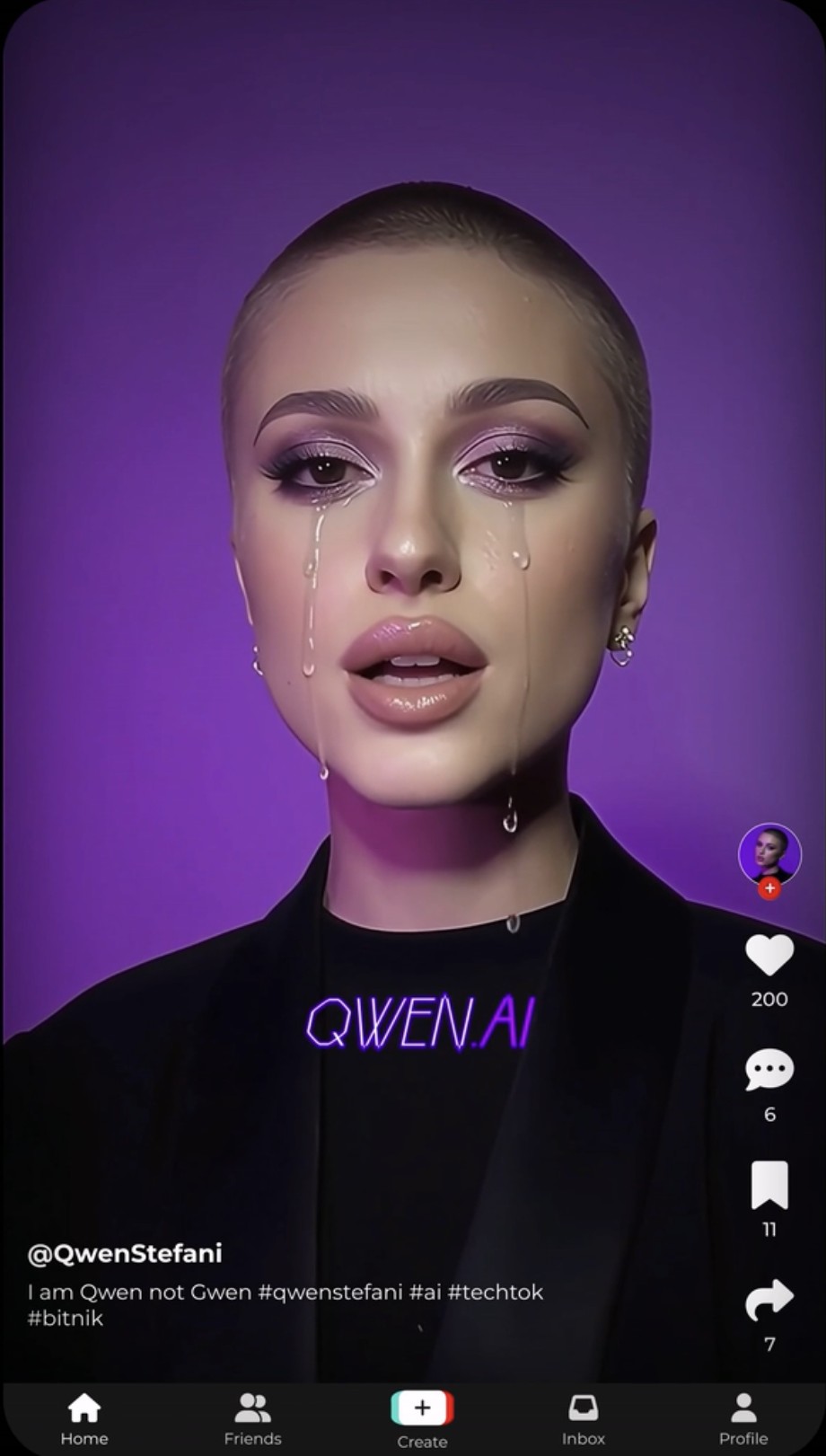
The exhibition calls the audience’s attention to the increasing consolidation of state and technological power. In the videos, an AI-generated persona of Qwen Stefani delivers sermons critiquing the growing power of technocrats, data harvesting and the influence algorithms have on our decision-making. The uncanny character embodies beauty trends perpetuated by pop culture and speaks in a soft and hypnotising voice. In one of the videos, she simply cries.
But she doesn’t leave the viewer empty-handed. Quen introduces a set of sabotage techniques, based on a manual created during World War Two, adapted to the needs of the contemporary digital world. Here, scrolling becomes a productive form of engagement with an emancipatory potential.
Firenze Lai: North and True North at White Cube Mason’s Yard
13.10.–14.11.2026
London, Great Britain
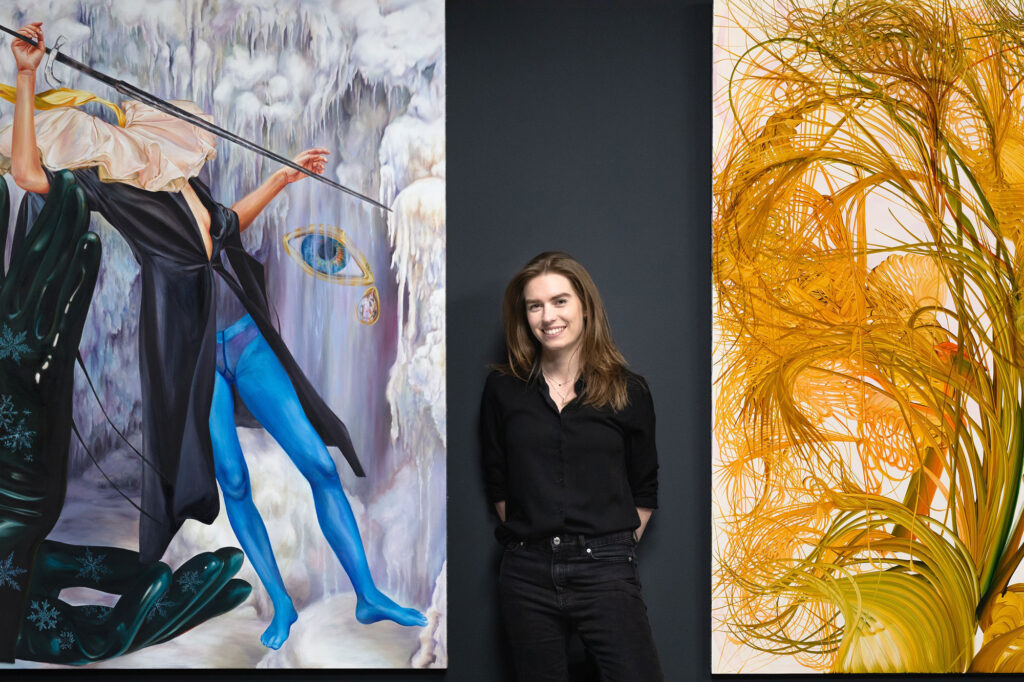
In her first solo exhibition in the UK, Firenze Lai explores how our bodies are changed by the way we live and the changes our cognition undergoes in the digital age. The title of the show, North and True North, juxtaposes the geographic North Pole, which is fixed and can guide us in navigation, with magnetic north, which is constantly shifting. In those two contrasting ideas, the author sees a metaphor for the fleeting nature of truth.
The paintings and works on paper included in the exhibition depict human bodies merging with one another and their surroundings. Technology is not directly shown. Rather, Lai portrays the impact of the digital world on human emotion and behaviour. In the current world of uncertainties, the artist invites us to search for the aforementioned truth in the body. Her paintings can serve as a powerful medium for contemplation on how we can express ourselves in a rapidly changing world full of contradictions and misinformation.
Stefan Sagmeister: Finally, Something Good at La Gaîté Lyrique.
15.10.2026–18.04.2027
Paris, France
In this installation-based exhibition, Stefan Sagmeister — the designer, well known for album covers for Lou Reed, the Rolling Stones and Jay-Z — attempts to challenge the perception of our increasingly alarming world, in which it is easy to succumb to negativity. Confronted with the overwhelming flood of distressing information, he aims to prove to the viewer that humanity is progressing more than we may realise.
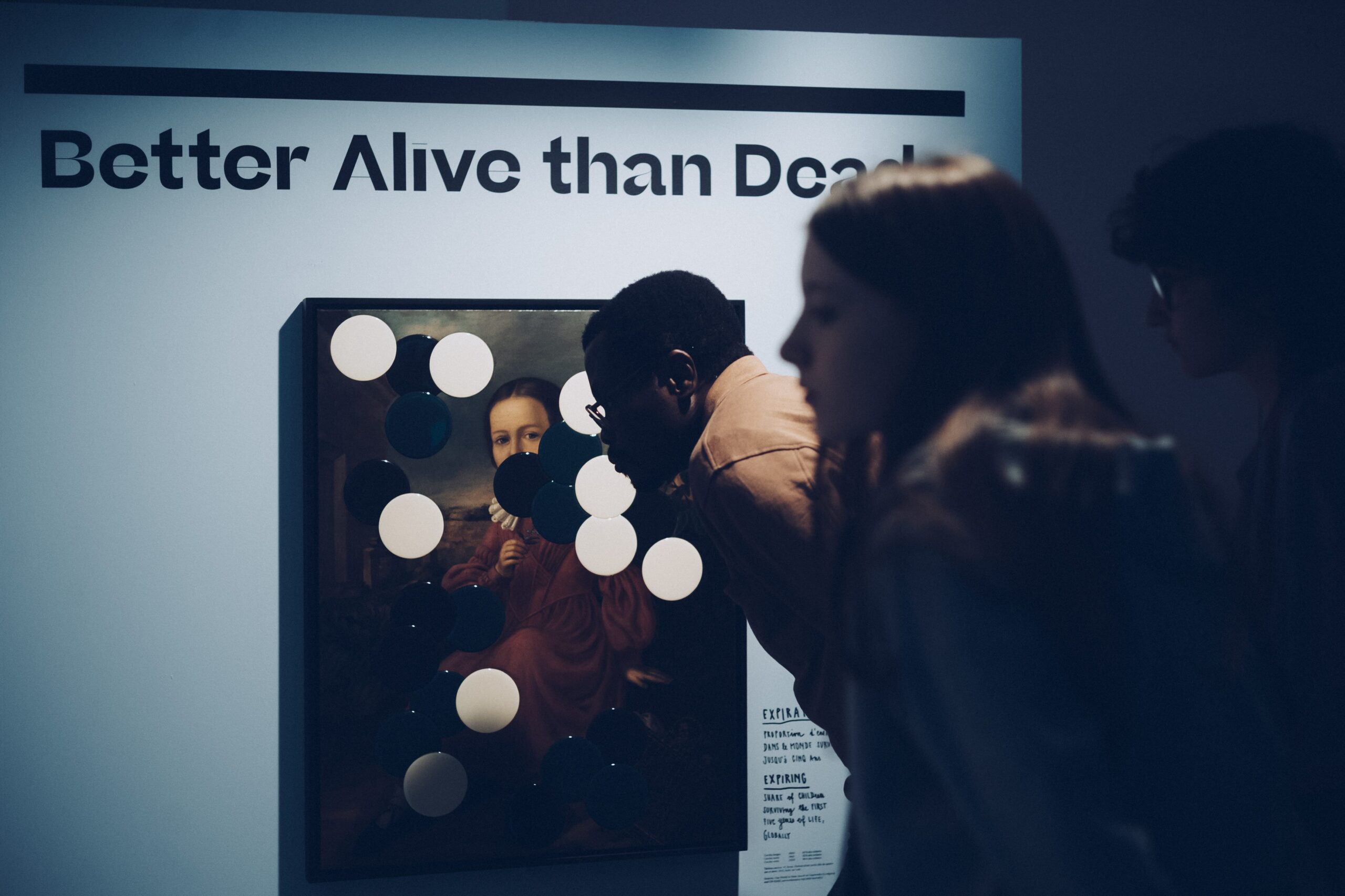

By combining long-term statistics on aspects of our reality that have improved over time, the artist aims to challenge the popular saying: ‘everything was better in the old days’. He demonstrates the falseness of this adage by displaying data on health, food, democracy and migration. The exhibition serves as an antidote to doomscrolling that can lead us down dark rabbit holes, and reminds us that optimism can be a driving force for action.

Compulsory Continuous Connectedness: rest in a networked world at Focal Point Gallery
30.09.2026—09.01.2027
Southend-on-Sea, Great Britain
A new group show at Focal Point Gallery not only explores how digital platforms shape our lives and well-being, but also searches for a remedy for the ailments of our current society. The exhibit is based on a new commission and research by Caroline Sinders and Romy Gad el Rab, and features work by Helen Cammock, Nina Davies, Rebecca Moccia, Salvatore Vitale and Qualeasha Wood.

It consists of two parts. In the first, artists explore Ludmila Lupinacci’s idea of ‘compulsory continuous connectedness’: the way digital tools, intended to connect us, make it impossible to log off and trap us in a paradoxical state of alienation. The installation by Caroline Sinders and Romy Gad el Rab forms the second part of the exhibition. Bringing together input from artists, scientists, academics and activists, they created a carpeted, low-lit room with soft communal seating, wall prompts drawing on neuroscientific research, and an ASMR sound installation. This space invites visitors to practice wakeful rest, which the artists believe is an antidote to digital overconsumption.