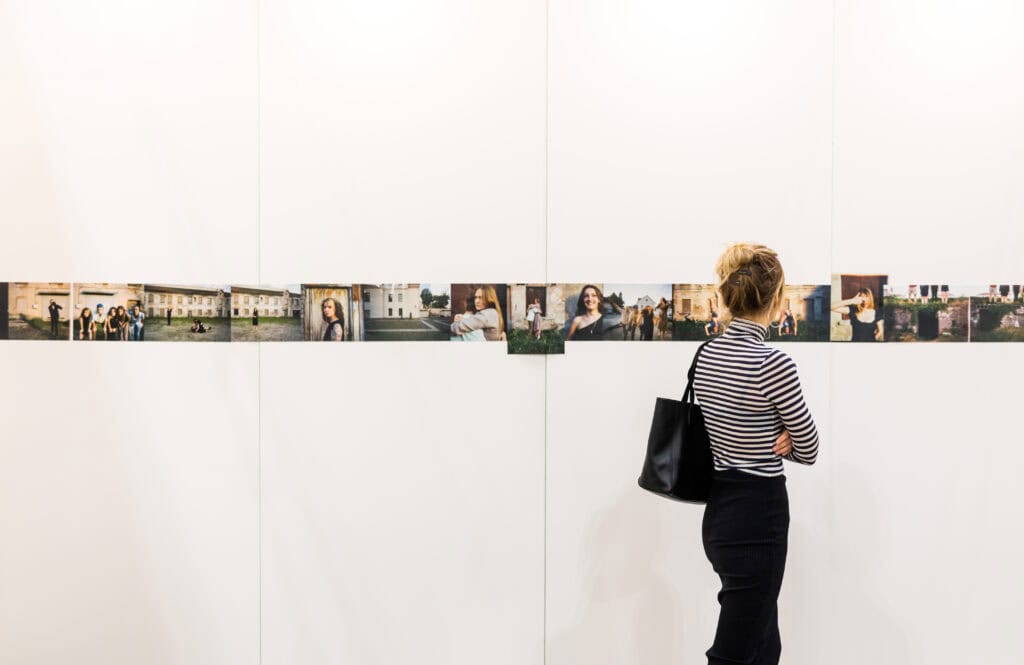
In between Sofia’s green spaces and layered centuries of history, its contemporary art scene has been blooming. Slowly but surely opening up to an international audience, established artists mingle with younger generations in carefully curated shows, fairs, and festivals all throughout the year.
To begin to unwind Bulgaria’s path towards the contemporary today, one must take into account the large scope of historical occurrences that shaped its artistic development – occurrences that produced numerous chronological pauses, delays. After the fall of the Ottoman Empire and the Bulgarian liberation at the end of the 19th century, our country began the journey of “catching up” to European and global movements of the previous five centuries. With deep roots in craft and material cultures, the country set forth, and by the mid-1940s, found itself entering its communist period; which set the tone for a completely different logic – and regulations – to artmaking.
As in the other countries under Soviet rule, we can only refer to art as “contemporary” after the crumbling of the bloc – as culture that deviated from rule was seen as alternative and rebellious, often subjected to censorship, if not persecution. In Bulgaria, art began to extend towards the contemporary in the 1980s. Since then, the country has basked in a diversity of approaches, and the opening of state borders allowed for artists an exciting new perspective: to learn and practice abroad.
This brought forth a new paradigm, which was presented back in 2003 in the seminal exhibition Export/Import curated by Maria Vassileva at the Sofia Art Gallery, presenting the one-way motion of “importing” art by Bulgarian artists abroad and exhibiting it shortly, only for the local scene to remain confused, unfazed or forgetful. Because of a lack of environment for it to grow in or be appreciated, contemporary Bulgarian art has effectively become a luxury import for its own public. Furthermore, as Bernard Blistene shared in conversation with Toni Nikolov, Bulgarian art is “shifted” in time compared to Western European art – by approximately thirty years.
This time gap is quickly shortening, and many young artists who have received formation abroad have found themselves returning to Bulgaria and active in the contemporary scene. However, the large drivers of this new shift are institutions: offering the framework to sustain contemporary art in its multiple dimensions.
As such, here you’ll find an inkling of what the dynamic scene contains: active galleries that have initiated festivals, journals, and prizes, hopping between Sofia’s first art fair and empty swimming pools, passing by commercial galleries and old water towers.
Swimming Pool
The focus of SWIMMING POOL, a non-profit art project space in Sofia founded in 2015, lies on artist and curatorial research, collaborative approaches, art education, and art politics. Taking its name from its location on a central rooftop with an empty outdoor pool built in the 1930s, it adds intrigue and the feeling of discovering a secret that was right above your head the whole time. Here, exhibitions, performances, publications and other projects are presented year-round.

After launching the Blue Cube Foundation, which initiates projects, platforms, and initiatives promoting curatorial and artistic research, informal educational practices and exchanges, community work and new cultural policies towards responsibility and sustainability, the founder and director, Viktoria Draganova, began the exhibition programme of Swimming Pool, emphasising the significant role of independent initiatives within the art ecosystem. Additionally, Journal for Social Vision was created as a literary catalyst for art and artistic research, and its contribution to the social sciences.

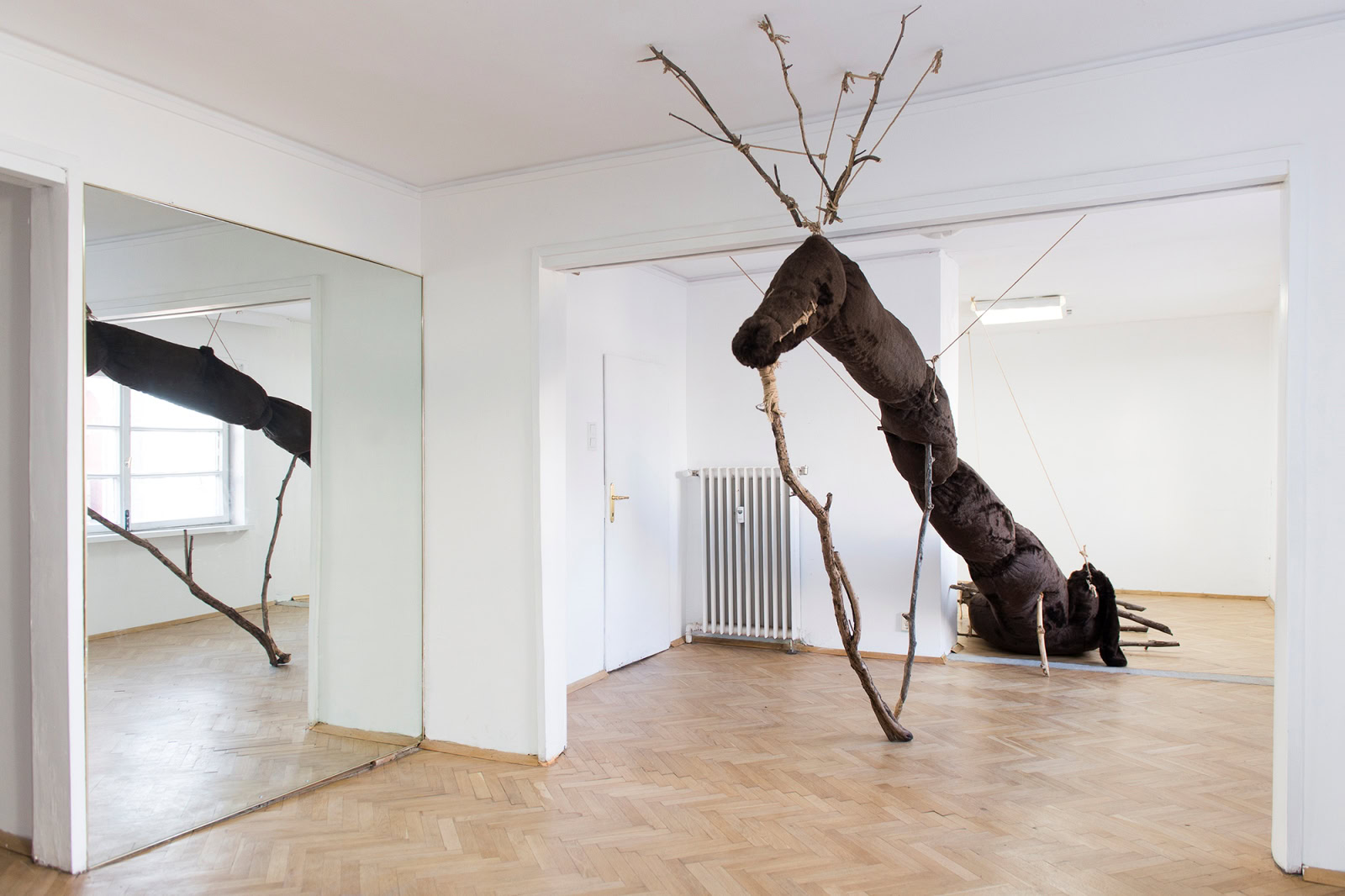
Alongside the exhibition and event programme taking place at the Swimming Pool is a series of fellowships by The Center for Social Vision, aiming to create a platform for research and action rooted in specific, local contexts while engaging with broader social and cultural narratives. In the past two years, the work done during the Center for Social Vision Fellowships has culminated in the annual festival Nine Elephants, which works towards activating art in the urban fabric, connecting creative and cross-disciplinary practices that envision new ways of seeing, cohabiting, and storytelling within the city. The festival extends to artists, writers, researchers, and locals to experience the city anew.
Punta Gallery & POSTA Space
Established in 2021, Punta Gallery is a space that dedicates itself to providing artists full freedom for experimentation to create site-specific projects. It emphasises installation and deconstructed works that question what is considered aesthetic, that break free from the wall, and explore unconventional aesthetics, media, processes, and ideas. They showcase established and international artists, while holding space for the local emerging scene. The Gallery used to occupy an old jewellery store, which had kept its original lettering and storefront, bringing out an impressive landscape of coexistence of the old and new. In November 2024, Punta relocated to the Women’s Market in Sofia – a space dating back to Ottoman times, making it the oldest functioning market in the capital.
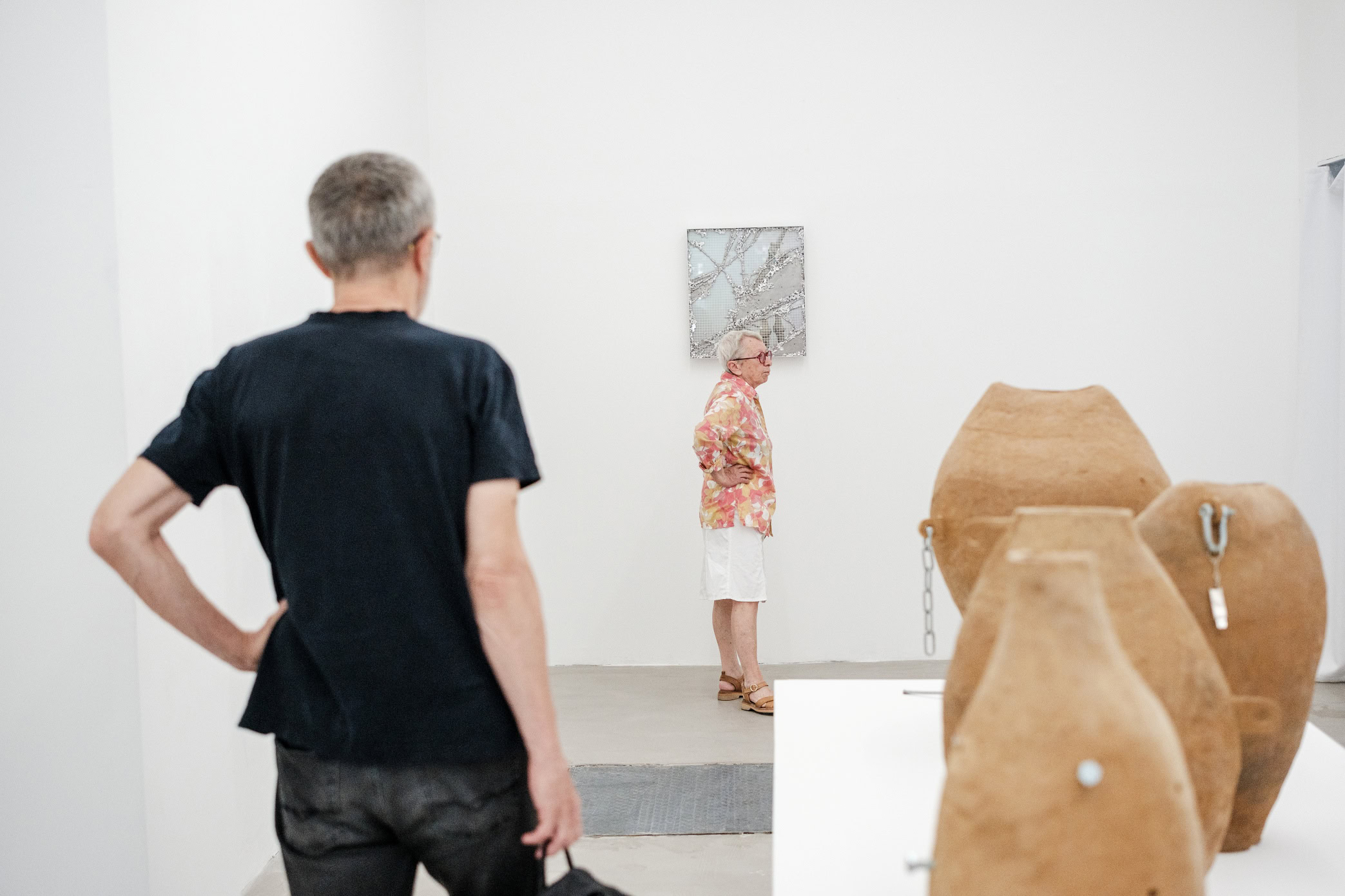

From their new home stems their theme for 2025 – Market of Desire. Framing this space as a central part of the city’s ecology, woven into the city’s fabric, this year’s focus encompasses capitalist realism, its influence on traditional culture and communities, and the role of shops as a reflection of both the era and the desires of those who inhabit it. Again, keeping into consideration and respecting the legacy of the site – a former fish store-turned-second-hand clothing shop, the curation considers how intrinsically linked the collective imagination of the city is to shops, communicating and sharing visions.

The Gallery’s programme is also often curated alongside POSTA SPACE – a project space in a vitrine on a busy central boulevard. The space popped up during the pandemic, offering exhibits to be viewed from the street, and in turn answering the imposed restrictions. Both of the spaces’ programmes are usually synced, where one project inhabits both Punta and Posta simultaneously.
KO-OP & FIG.
Established as an independent art space, bookshop, and educational platform in downtown Sofia back in 2018, KO-OP primarily focuses on emerging artists, while extending to established and international artists. As such, it works towards continually developing and maintaining a platform for presentation, exploration, and dialogue.
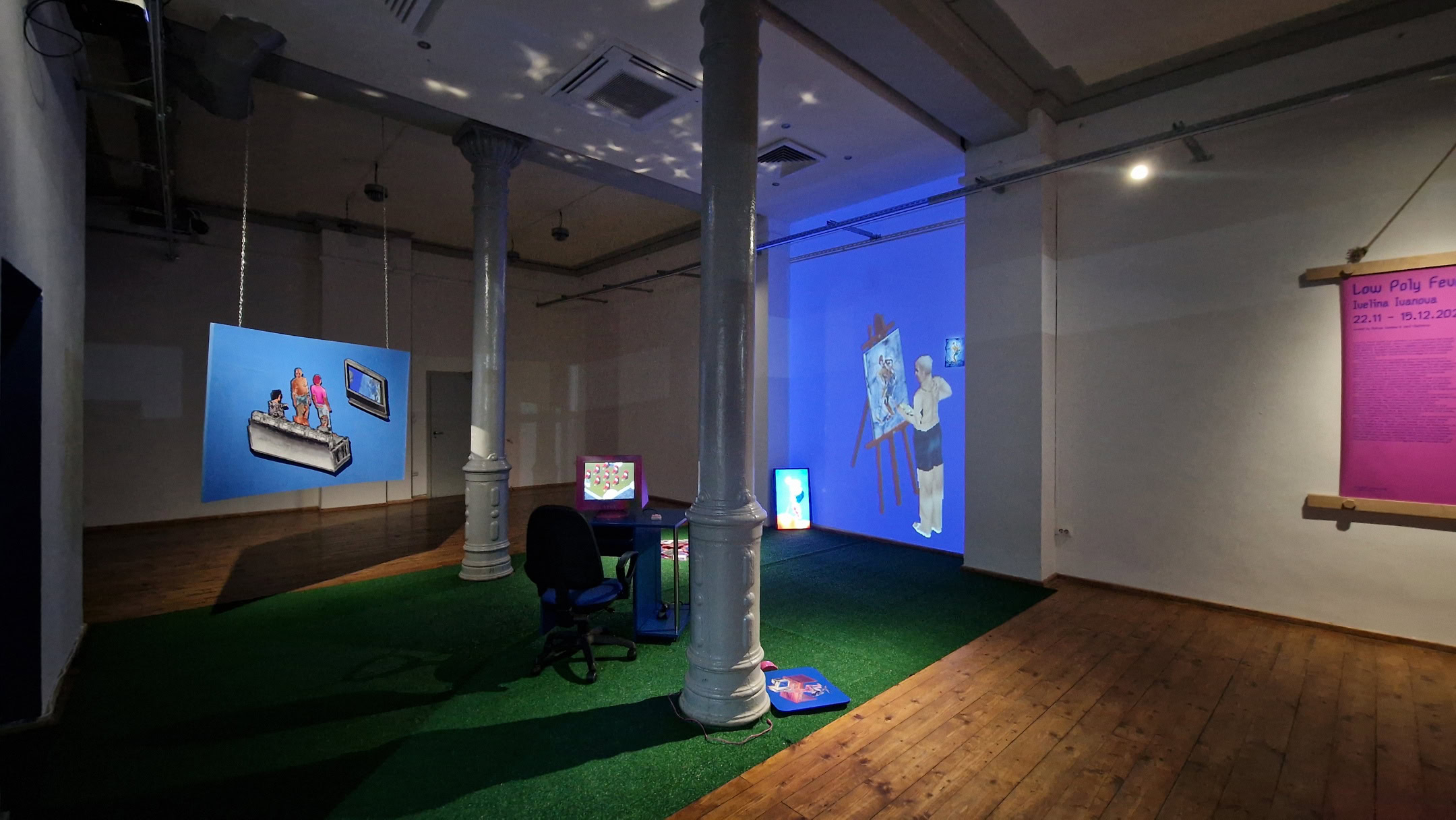
Besides an exhibition and an educational programme, KO-OP holds a bookshop with art books that they co-publish. Slopi Kopi, a communal risograph and inkjet print studio, and the.kopy.shop, an online shop for prints, limited edition, and independent publishing from both Bulgaria and other Balkan countries. Together with KO-OP, they form a vibrant hub for print culture and independent publishing in the region, fostering a space for alternative learning through courses and workshops aimed at inspiring a culture of self-publication.

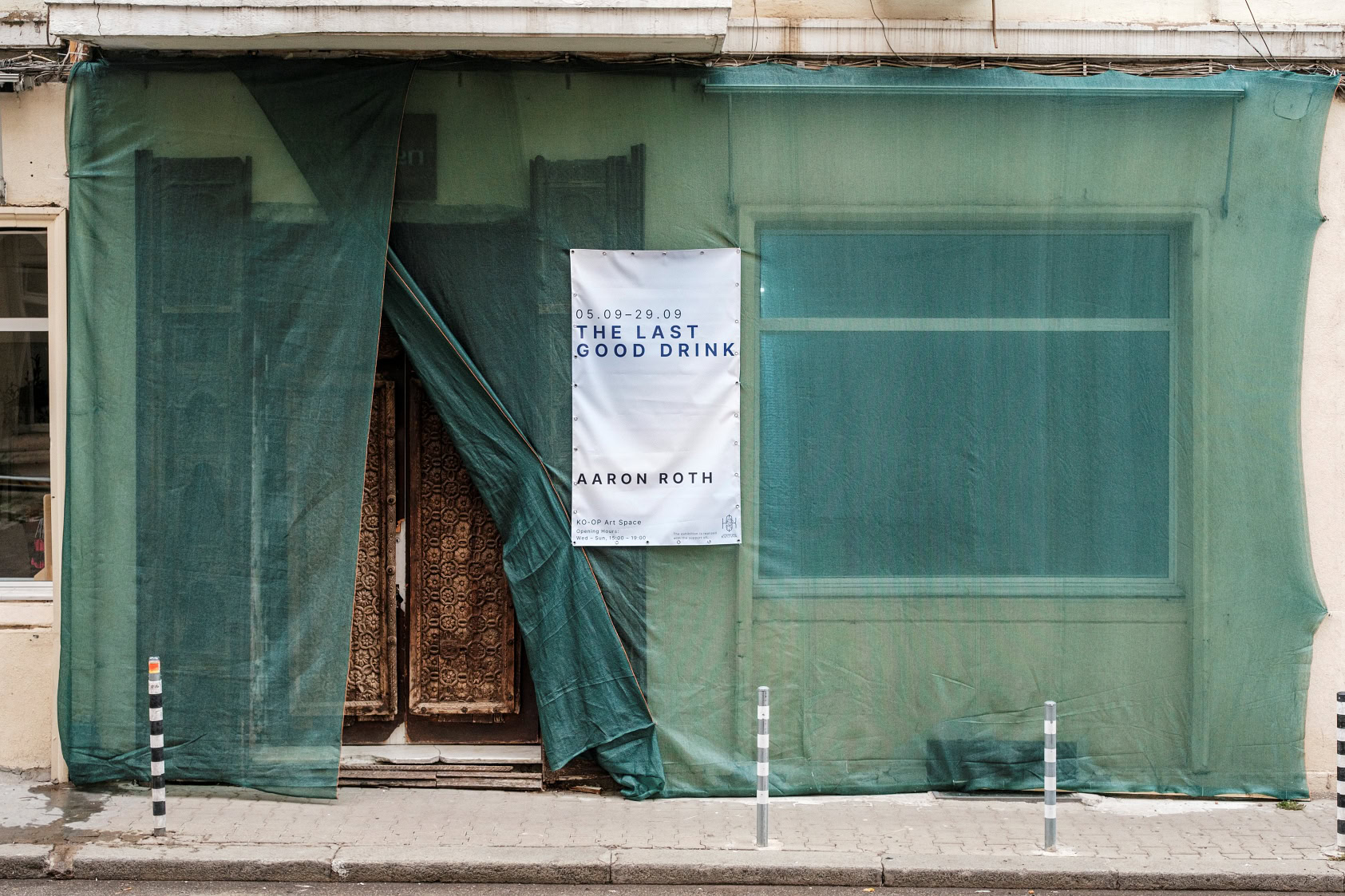
Expanding on printed matter, KO-OP also organises FIG. – The Festival for Illustration and Graphics, which is a natural extension of their work to promote and develop these genres, and to situate them within the local contemporary art scene. Over the course of 10 days, FIG. unfolds across various locations, activating the city with exhibitions, talks, workshops, and interventions in the urban environment. Through its open, process-oriented structure, the festival has quickly become a vital platform for artists, designers, and audiences interested in how illustration and graphic arts can function as tools for thought, communication, and community, reflecting the broader programme and curatorial focus of KO-OP.
+359 Gallery
+359 Gallery opened its doors in 2017, in the building of a preserved water tower at the highest point of the Lozenets district in Sofia, covered top-to-bottom in ivy. The ethereal tower, designed at the beginning of the 20th century, now hosts eight exhibitions per year, climbing up all five of its floors, including the tower’s tank. The patrimony of the historical landmark is still tangible throughout the events that present both international artists and practitioners across the country.


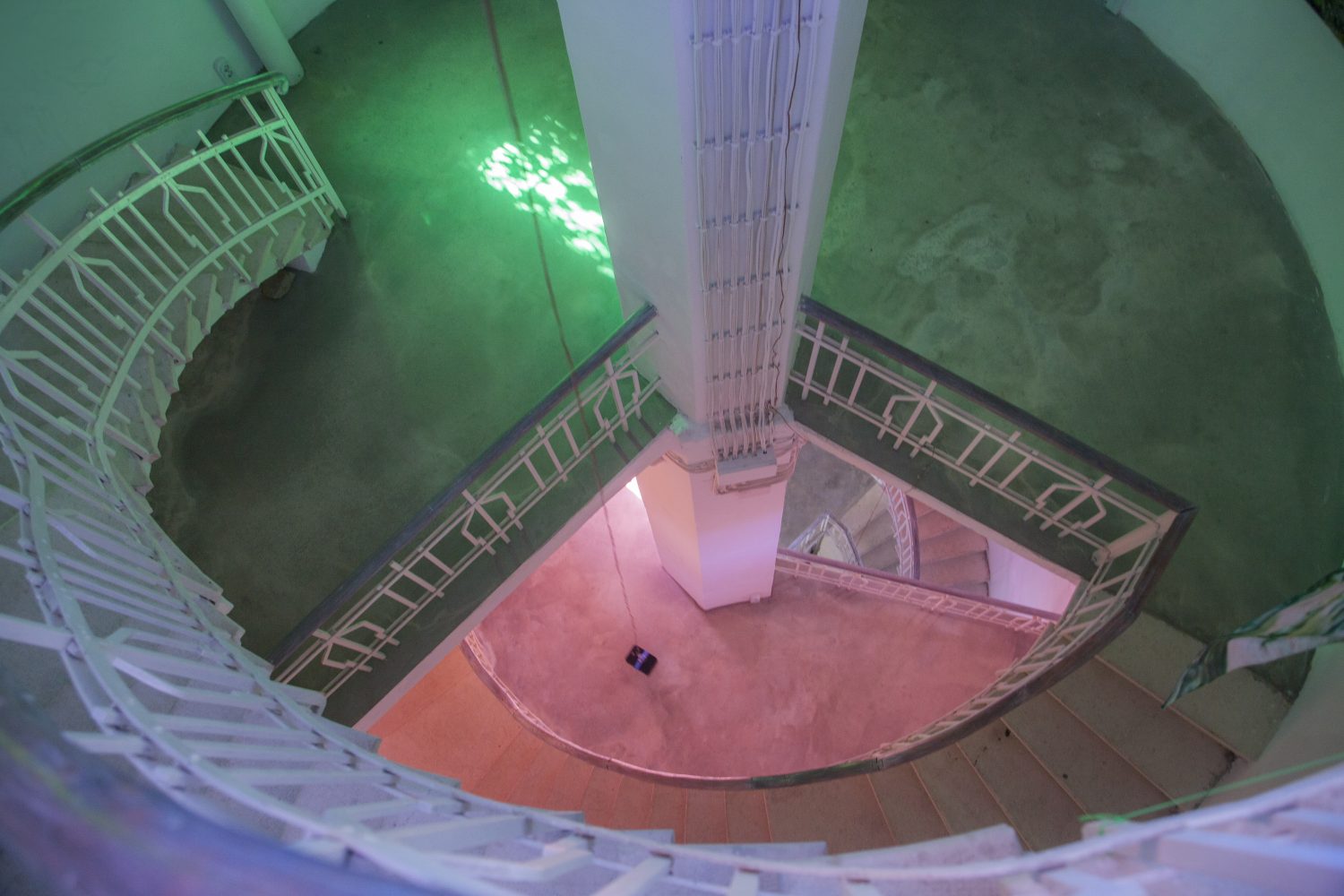
While partnering with organisations such as the Telelink Contemporary Art Awards project and hosting and coordinating various artistic residencies, the team behind +359 also hosts Charta Gallery in the heart of the city and Collect Gallery in Istanbul. Charta’s curatorial theme presents a permanent display of both classical and contemporary art. It also supports art publishing initiatives, presenting self-published catalogues and editions featuring a wide collection of new and rare books, drawing a parallel to the etymology of the gallery’s name – the ancient Greek χάρτης (khártēs), meaning paper, papyrus.
ICA-Sofia & Baza
ICA-Sofia, or The Institute of Contemporary Art – Sofia, is a non-profit NGO started by an association of curators and artists dedicated to the practice, study, understanding, and promotion of visual arts in the twenty-first century, and to the search for a fully open dialogue. It was founded in 1995 as a result of the professional partnership between friends, who shared the vision to open up and develop the Bulgarian contemporary art scene after the fall of the communist state. Later, the ICA-Sofia Gallery opened.

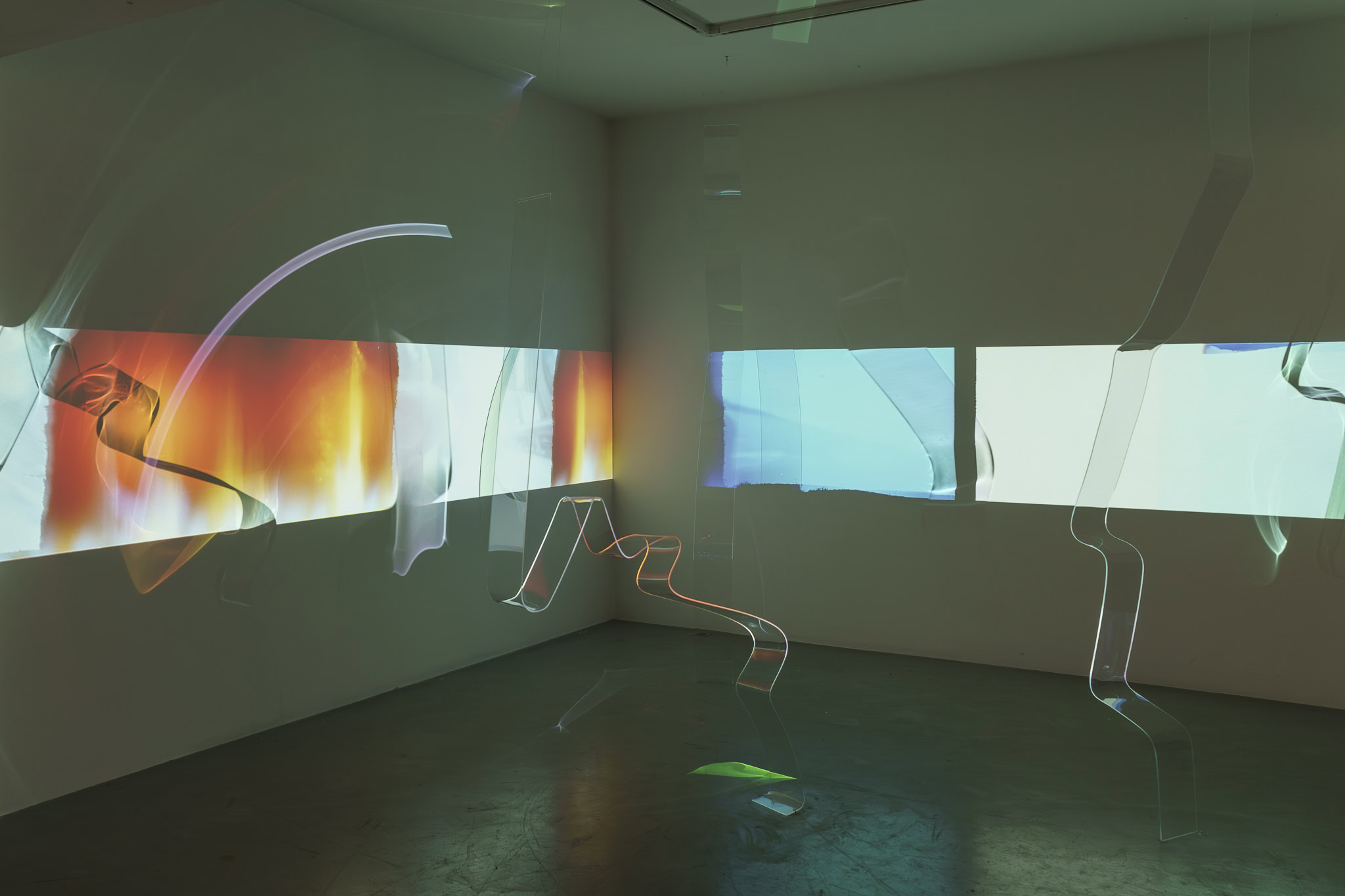
In general, the organisation aims to develop the contemporary art scene in Bulgaria in relation to the broader international context. In creating reciprocal relationships, by triggering and facilitating a two-way flow of artists, curators, critics, and projects. For instance, School4artists – a programme for alternative education of young artists, aiming to update and deepen their knowledge of art today. Also, ICA-Sofia is the country’s partner institution to the Young Visual Artists Awards, an international network of similar awards with support from the Trust for Mutual Understanding. The nominees exhibit their work at Sofia City Art Gallery, with the winner being awarded a six-week fellowship in New York and a solo exhibition in the ICA-Sofia Gallery.
Æther Sofia & SAW
Æther are actually two independent art spaces in Sofia and The Hague (Netherlands). Through a programme of activities and exhibitions, Æther Sofia, run by Voin de Voin, provides a possibility for experimentation, while generating critical feedback on the contemporary obscurities of living through art, science, politics, and activism. By aiming to engage and bridge the local and international art scene, it aims to strengthen the dialogue between artists and their various audiences.
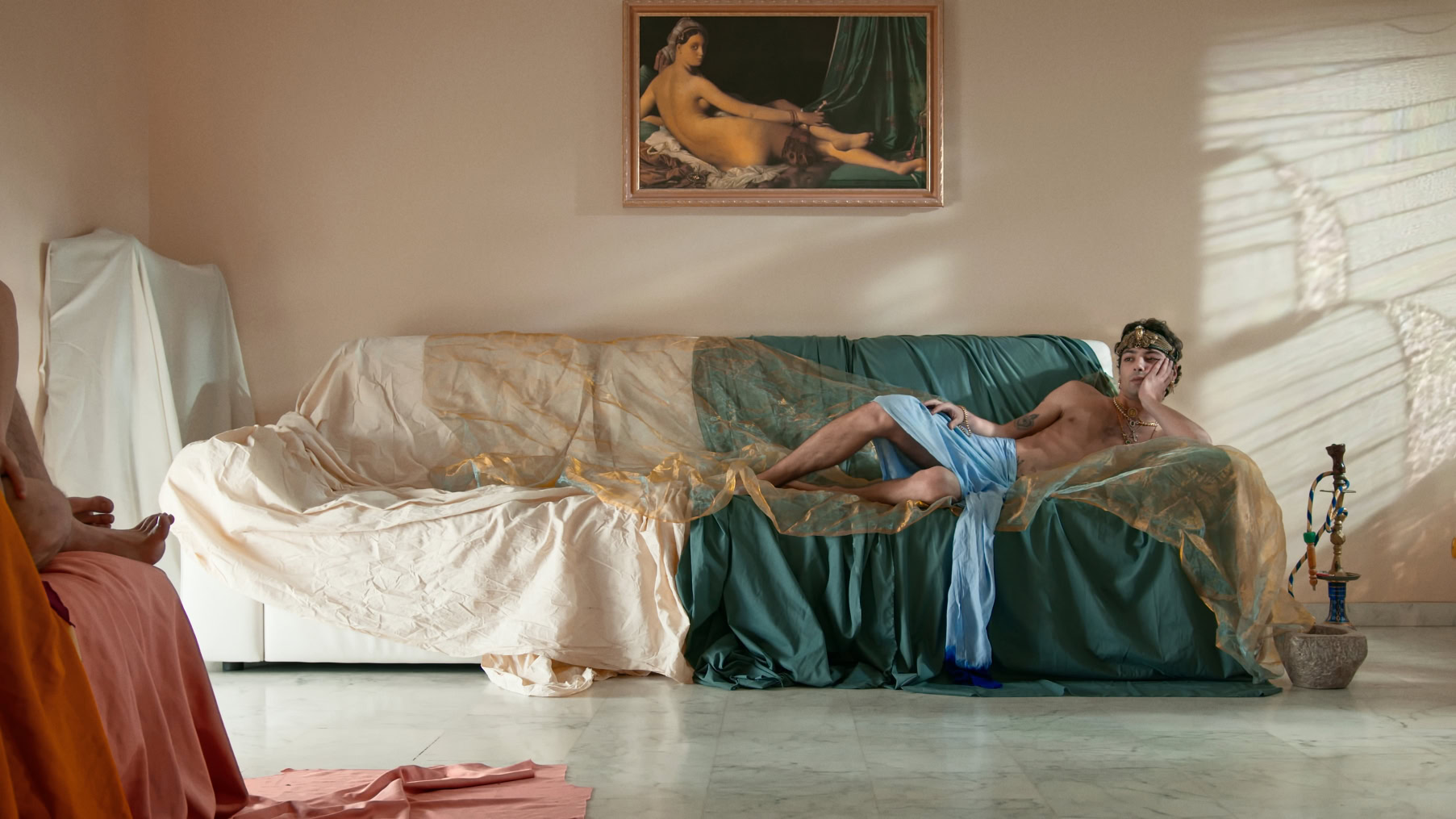
While Æther Haga, initiated and curated by artists Marie Civikov and Voin de Voin, stands as an artistic embassy, mainly presenting proposals of what intersects along the East/West trajectory. Also, occasionally presenting a selection related to Æther Sofia’s programme in Bulgaria, the project space strives to make a more physical bond between the geographical oppositions and their psycho-geographic potential.

To do so, Æther aims to build upon sharing, discussion, and exchange, seeking to expose links and effects of lifetimes lived under different conditions, simultaneously coming together to confide a new state of value and content through art and innovative practices. Æther is also the one behind Sofia Art Week (SAW).
Credo Bonum Gallery & Art Start
Credo Bonum Gallery is a commercial gallery opened in 2003 by Tsvetelina Borislavova. Until 2008, it operated as a symbiosis between a bank and a cultural institution – the only example of such collaboration in Bulgaria. Located at the very heart of the city, it regularly holds various exhibitions, showcasing a multiplicity of both classical and contemporary forms. At the gallery entrance is a small niche – an additional, curious exhibition space called Credo Box, which, with its own independent programme, is mainly dedicated to more concentrated, intimate gestures, focused on a singular artwork.

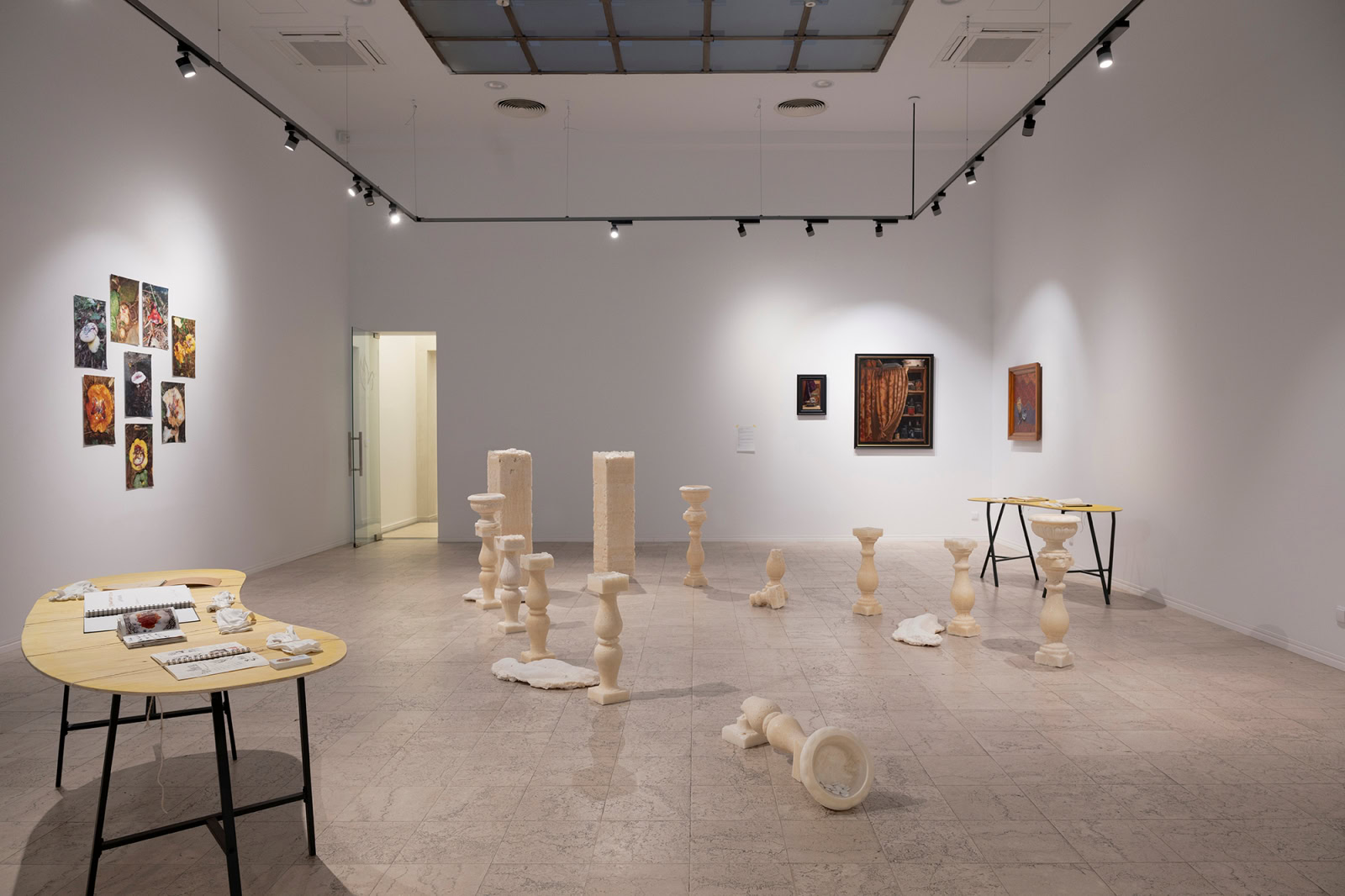
Partnering with Goethe-Institut Bulgaria, Credo Bonum organises the yearly exhibition Art Start: Young Artists to Follow. For nine consecutive years, the exhibition has been showcasing new names in Bulgarian contemporary art – graduates looking for career development opportunities, bringing in unconventional aesthetics, participatory works and performance, unseen works, and at times also guest curators, into the spotlight. In 2025, the project also included an international educational module.
Toplocentrala
Toplocentrala (transl. “Heating plant”) was conceptualised in 2014 with the idea to transform the former heating plant of the National Palace of Culture into a Centre for Contemporary Arts. Opening its doors in 2022 as a Regional Centre for Contemporary Art, managed by Veselin Dimov, it quickly became a hub for international performance, dance, and experimental theatre, making it one of the most characteristic spaces in the capital. The old heating plant also holds room for a residency centre, focused on collaborations and opportunities for exchange between Bulgarian and foreign artists, showcasing their co-productions at Toplocentrala.

Both the space and programme are divided into two focal areas – performing and visual arts. Providing ample space for artistic liberties, the Centre is equipped with multiple performance halls, a white cube gallery, and an amphitheatre. It also hosts regular workshops, seminars and lectures amongst other events, in turn creating opportunities for cross-disciplinary interactions with collaborative projects, blurring the boundaries between various disciplines in the broader scope of arts.

In Toplocentrala’s White Cube Gallery space, curated by cultural theorist Vladiya Mihailova, the programme focuses on established artists and their view of historical processes and cultural phenomena, which contribute to the rethinking and/or inclusion in historical and cultural narratives.
Sofia Art Fair
The first Bulgarian contemporary art fair, Sofia Art Fair (SAF), was launched in 2024 by The Sofia Breathes Foundation, with the main focus of implementing the international art fair format, while supporting artists in their creative process. The 2025 theme was Imagine, featuring an expanded roster of galleries, broad international participation, and various accompanying events to foster deeper engagement in the contemporary art market.
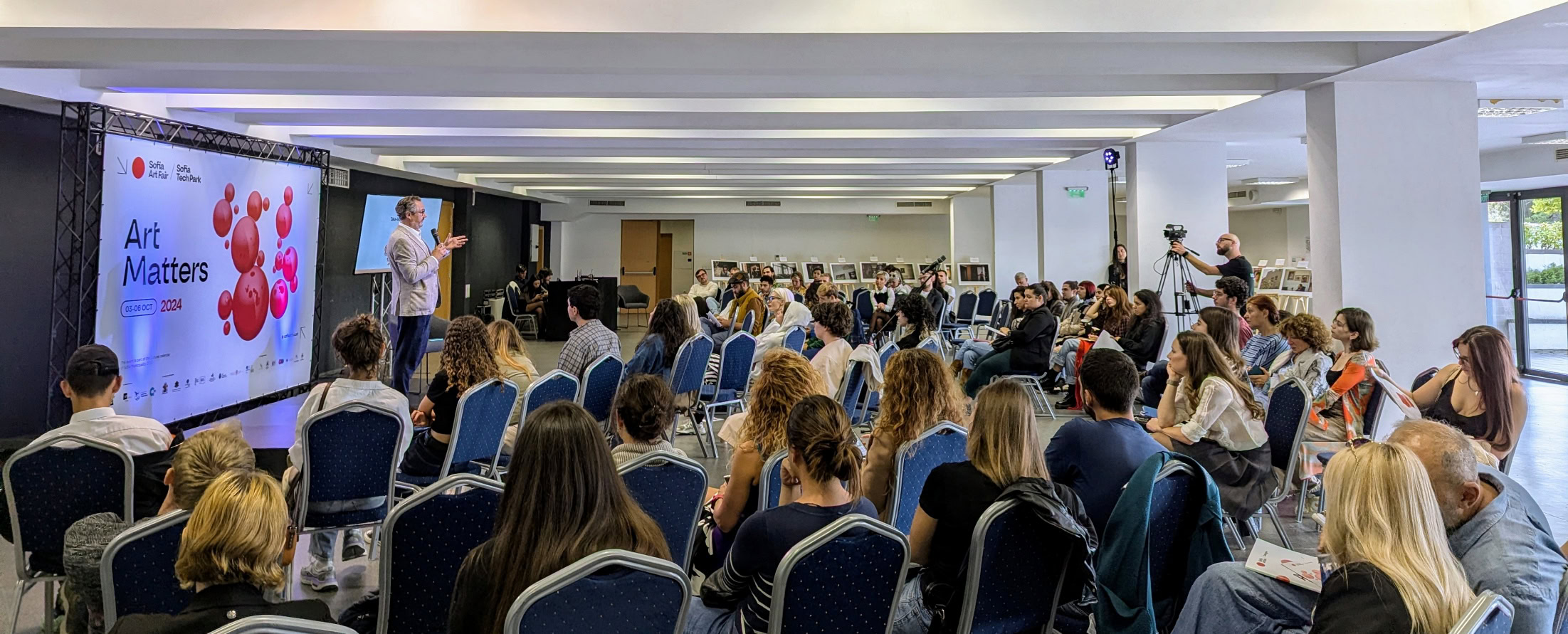
By welcoming galleries from across multiple countries, SAF strengthens Bulgaria’s role as an emerging scene in the international arts circuit. In a context where robust cultural infrastructure is still lacking, SAF provides a much-needed framework to help build the structures necessary for long-term growth in the country’s market. Participants included not only Bulgarian galleries, but also guests from France, the Netherlands, Hungary, Latvia, Italy, Spain, Romania, Austria, Czechia, Georgia, Azerbaijan, and more.
A key element to the realisation of SAF’s ambitions is fostering dialogue and exchange through the SAF Talks Program: a curated series of panels, lectures, and networking events, effectively opening the door for the Bulgarian art scene to come in contact with a wider European discourse.