

The Warsaw Art Fair offers visitors a chance to buy artworks and, above all, to engage with the art world. You might arrive with a particular artist in mind and find yourself returning to a sculpture you hadn’t expected to notice. With historical and contemporary works under one roof, there’s room to follow encounters wherever they take you. Whether you come with a clear intention to buy a piece or simply want to look around, the fair offers a chance to spend a weekend surrounded by art — and what a great idea it is!
The 23rd edition of Warsaw Art Fair takes place on 27–29 November 2026 at EXPO XXI in Warsaw, bringing together more than 100 galleries and art dealers, along with over 1,500 works. This year, three special exhibitions offer different ways into the programme, from Mela Muter’s paintings and contemporary Polish sculpture to work rooted in street culture accompanied by a variety of Art Talks. Through a carefully curated programme, the fair aims to encourage visitors to learn about art, look more closely, develop their own aesthetic judgment, and meet people from the art and culture world.
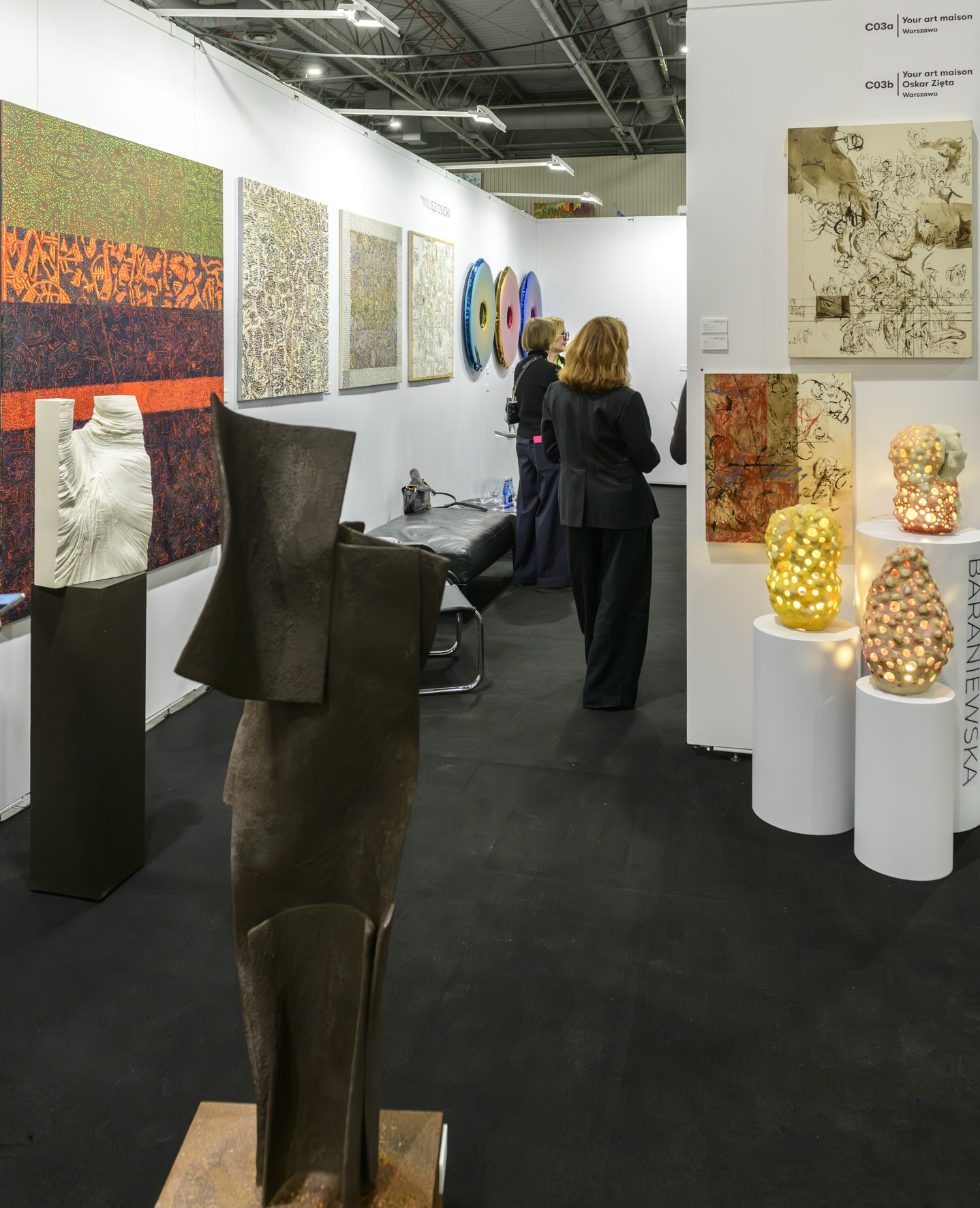
Continuity and Discovery
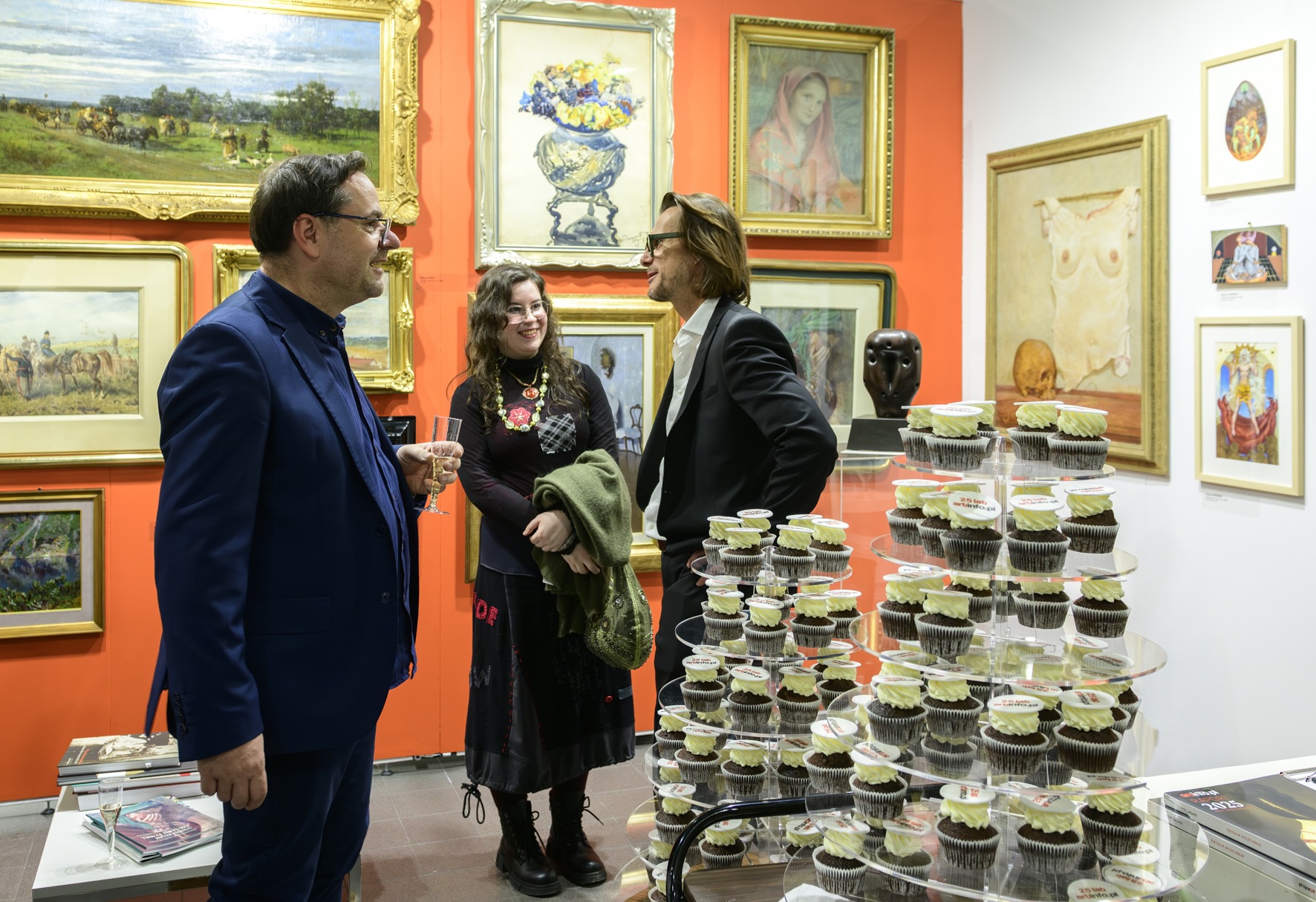
The Warsaw Art Fair was founded by Rempex Auction House in 2002 to introduce international audiences to Poland’s art scene and bring historical and contemporary art into conversation. Over the years, it has become a place where collectors can discover new work by emerging artists alongside pieces from earlier periods. From its beginning, it presents historical and contemporary works together, with opportunities to meet galleries, explore different media, and consider a first acquisition if interested in collecting. This year’s programme is indeed a mix of the new and the best of the field. Contemporary art will be presented by returning exhibitors including Galeria Artemis, Arttrakt, ESTA, Dystans, Stalowa, Artinfo.pl, Your Art. Maison, Galeria Grafiki i Plakatu, Andzelm Gallery, Nocny Art. Patrol, Limited Edition, Śląski Dom Aukcyjny/Art. X Gallery (together with the Złota Gwiazda Foundation), Kantor Sztuki, Cliche Gallery and the Keramos Association of Ceramic Artists. First-time exhibitors include In Situ, Pokój Śniadań and Fundacja Rafał Brzoska.
“We’ve been running the Warsaw Art Fair for 24 years, and I still see enormous potential in it. We want each edition to bring something new, whether that means showcasing urban art, exploring different approaches to contemporary sculpture or highlighting emerging trends in art today”
— says Piotr Lengiewicz, President of D.A. Rempex, the organiser of the Warsaw Art Fair.
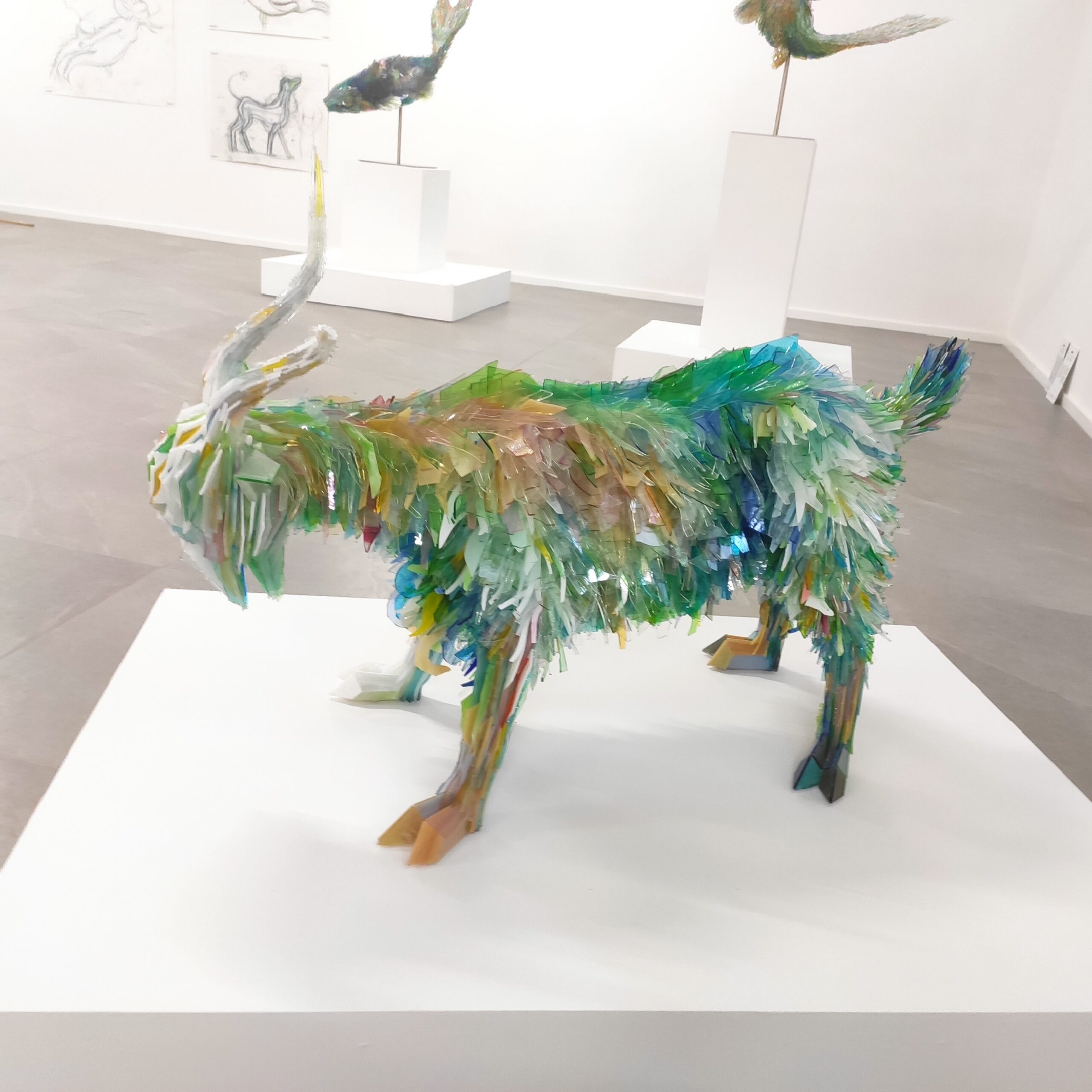
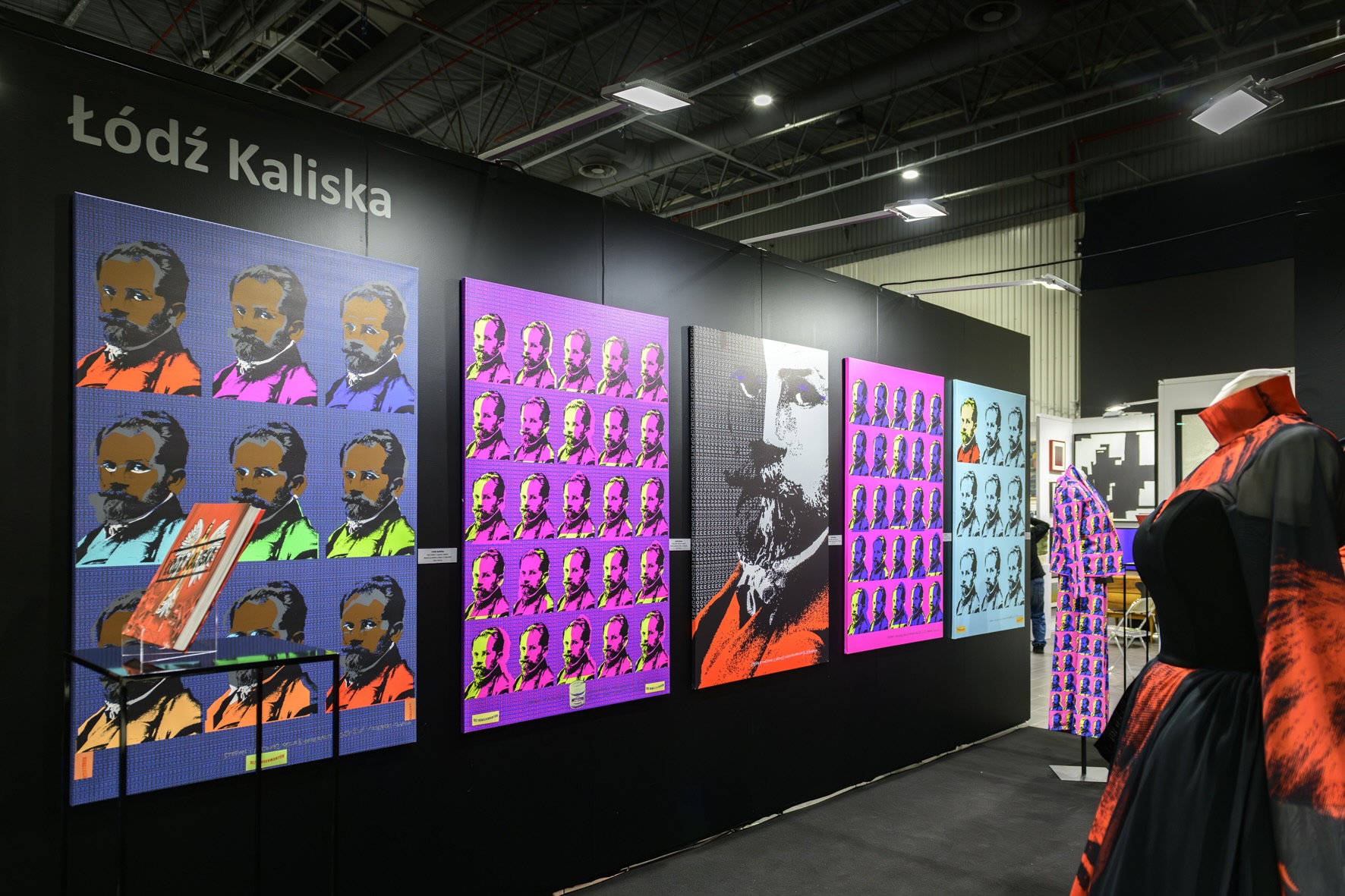
Historical works will be offered by dealers including Berżera, Connaisseur and D.A. Rempex, as well as by the Bolesław Biegas Museum. Alongside works by established artists such as Edward Dwurnik, Józef Wilkoń, Łódź Kaliska, Jan Dobkowski, Henryk Cześnik, Tomasz Radziewicz, Tomasz Koclęga, Ryszard Grzyb, Rafał Patejuk, Andrzej Umiastowski and Karolina Zwoniarska, visitors will find work by a younger generation of artists such as Agnieszka Żądło, Dawid Czycz, Julia Szymczykowska and Andrzej Kulig.
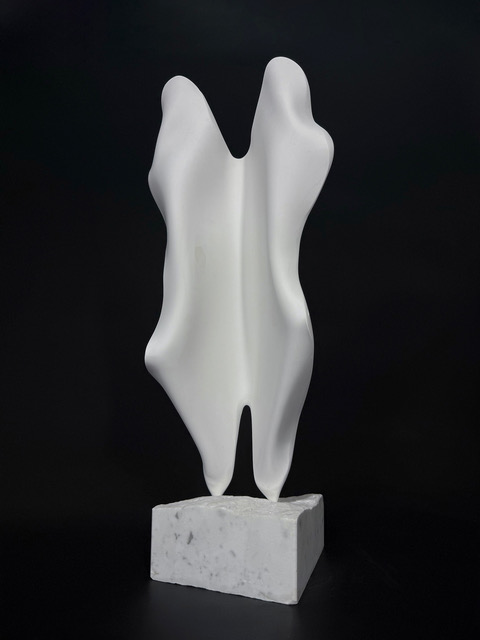
Works from the Katarzyna Kozyra Foundation’s Friends Collection will once again be available, including pieces by Katarzyna Kozyra, Natalia LL, Zofia Kulig and Ewa Partum. As in previous years, the Warsaw Art Fair will also feature established art publishers, including Bosz and the Centre of Polish Sculpture in Orońsko.
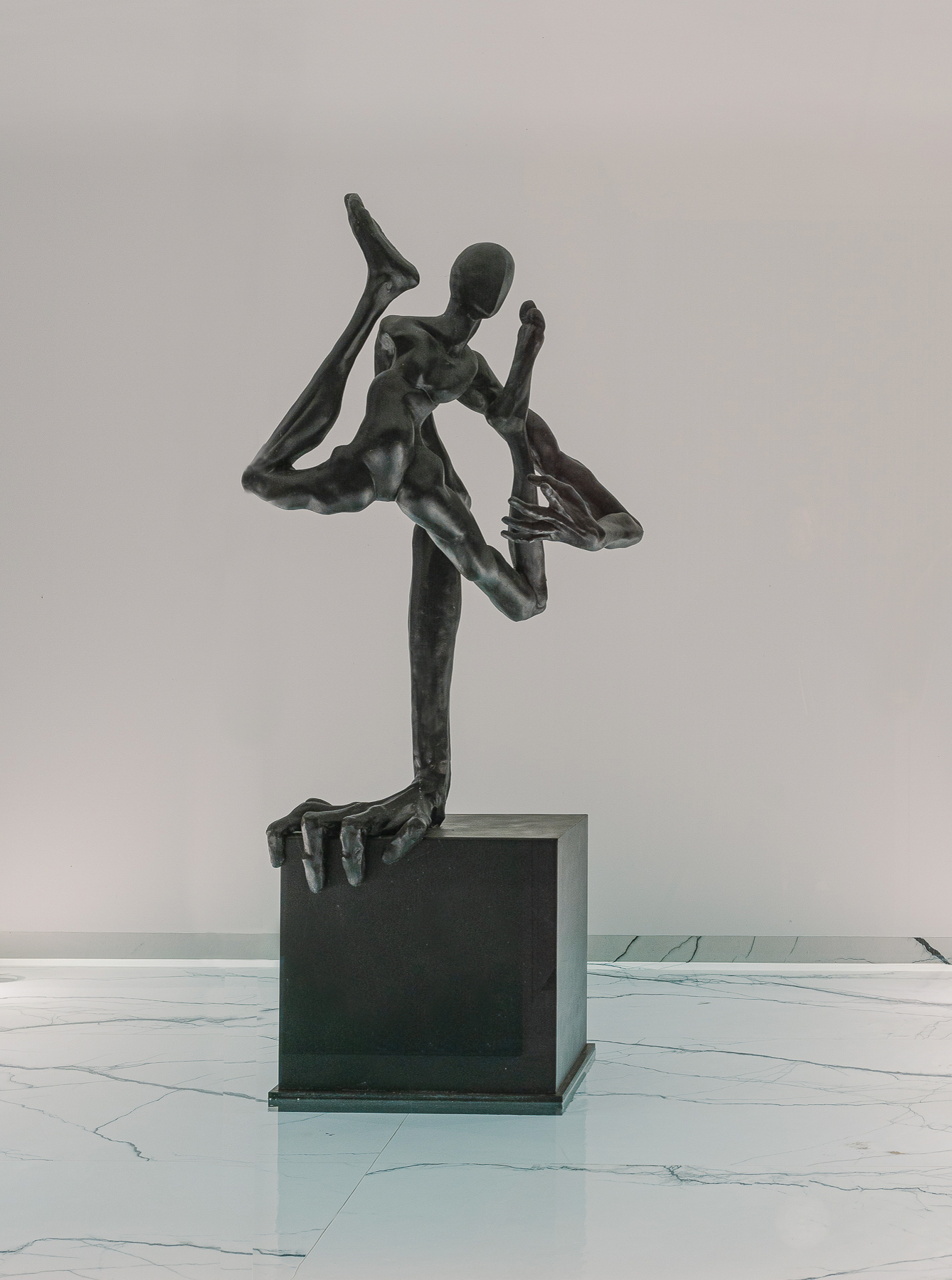
More than a Fair
When you want to take a break from strolling through the gallery stands, Warsaw Art Fair offers encounters with paintings by Mela Muter, experimental sculptural practices or works rooted in street culture.
“What makes the fair distinctive is the range of work visitors can see and buy, from pieces by acclaimed pre-war artists and established figures in contemporary art to work by a younger generation of artists at the start of their careers. We also put together a programme of special exhibitions and opportunities for visitors to meet artists and other figures from the world of art and culture”
— underlines Piotr Lengiewicz.
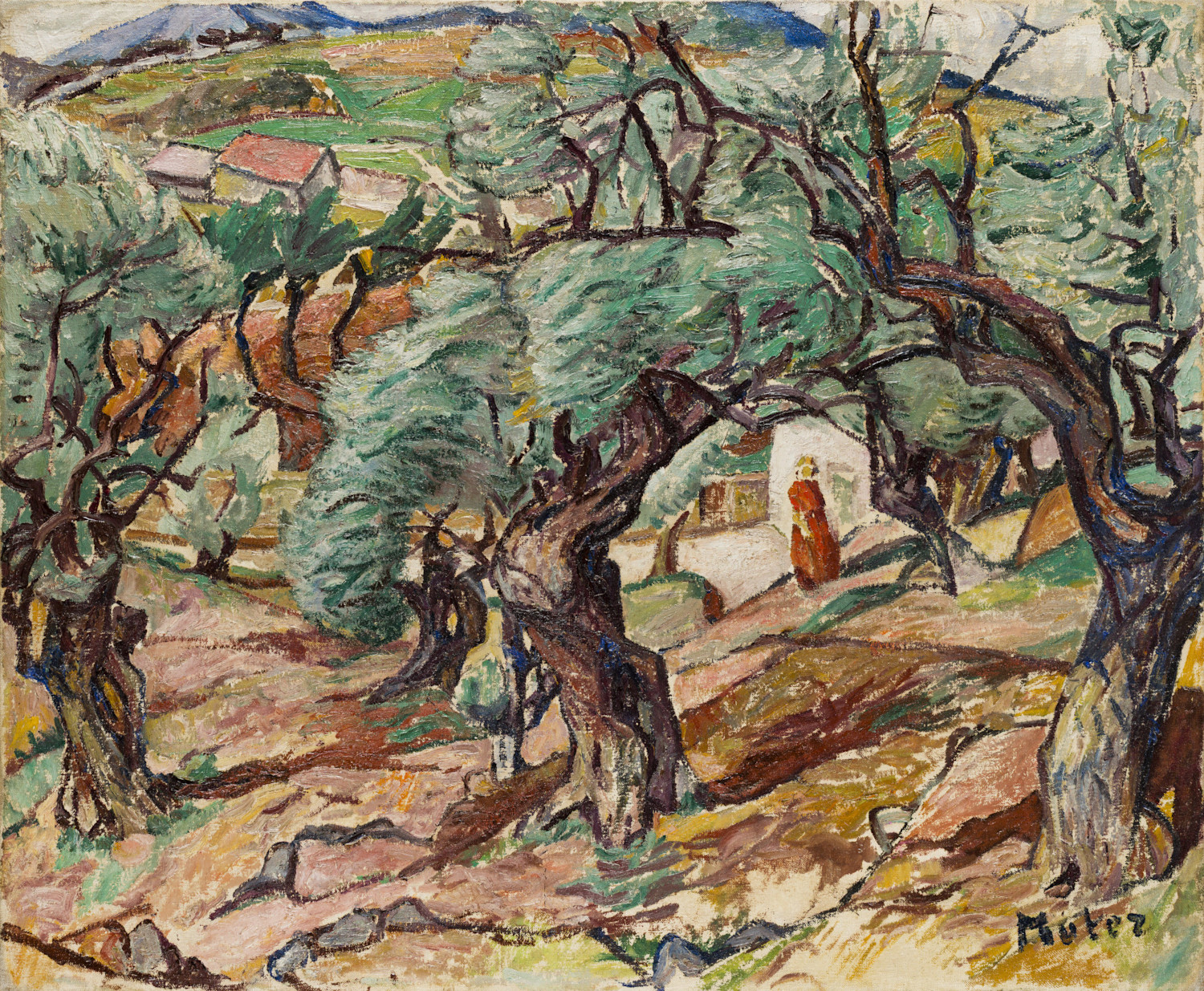
During this year’s fair, three special exhibitions are planned. First is Mela Muter, a presentation of paintings by the Polish artist associated with École de Paris, co-organised by Villa la Fleur, Art & Modern Foundation and D.A. Rempex. Mela Muter (1876–1967) was a Warsaw-born painter who became part of the artistic circles of Montparnasse. Between the wars, she gained recognition for portraits that captured the character of her sitters — among them sculptor Chana Orloff, writer Władysław Reymont and art dealer Ambroise Vollard. Her painting evolved considerably over her lifetime, from early Symbolism to work that drew on Cézanne and Van Gogh. She also returned to scenes of family life and motherhood.
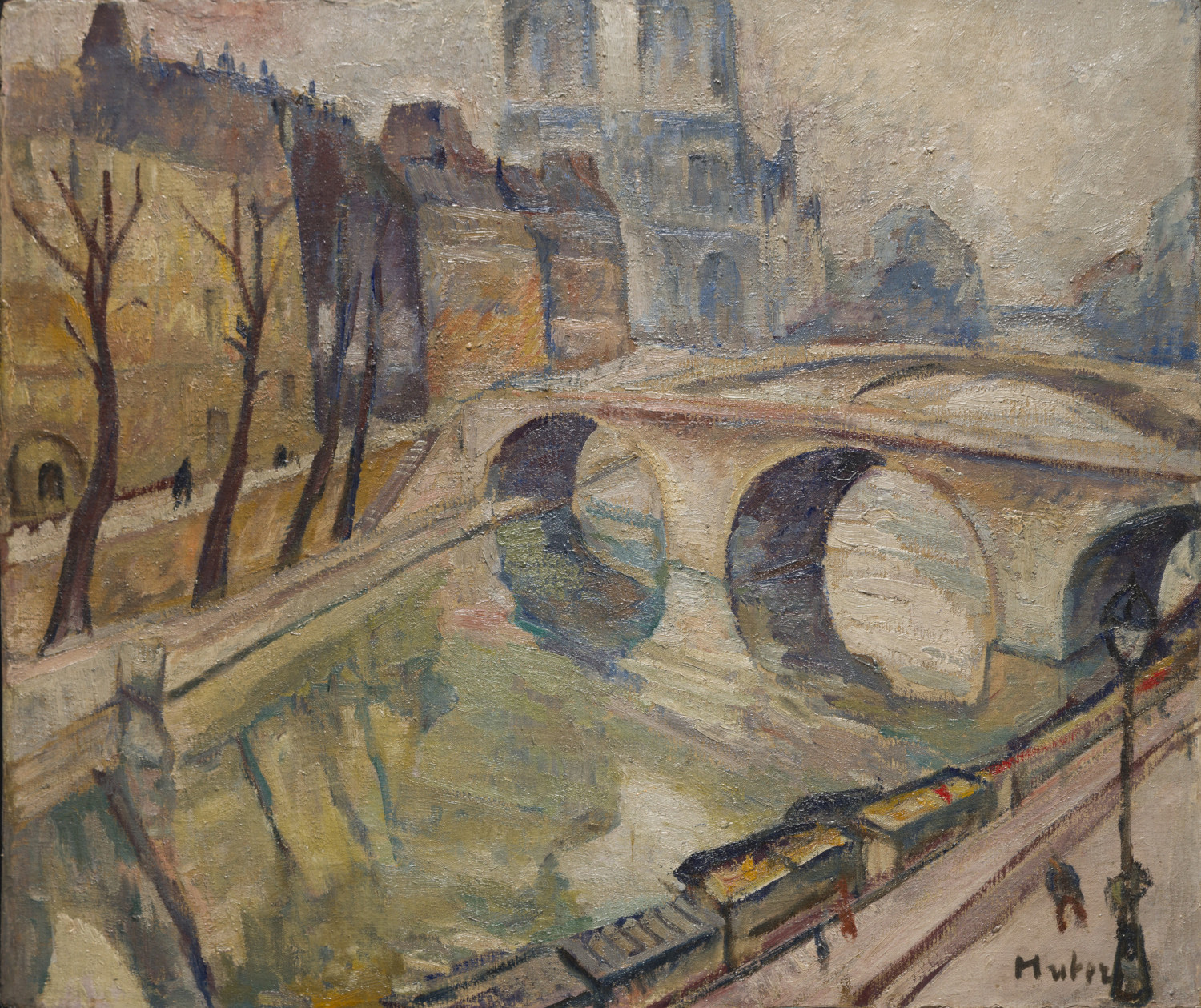
At noon on Saturday, 28 November, Muter’s biographer Karolina Prewęcka and art historian and curator Artur Winiarski will discuss the painter’s life and work in a conversation moderated by Małgorzata Czyńska. The exhibition gives visitors a chance to look closely at Muter’s paintings, while the talk opens up the world in which she made them.
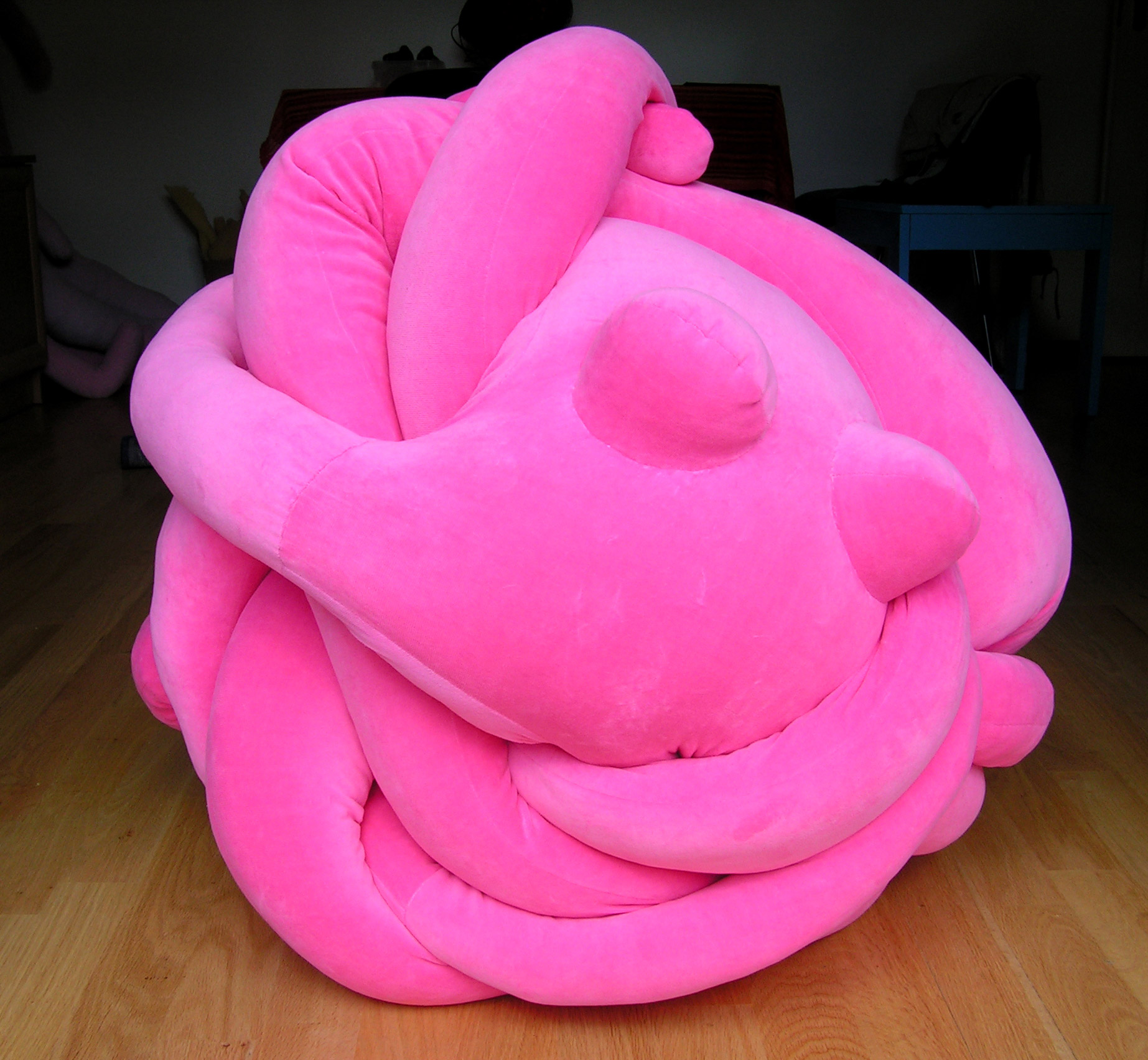
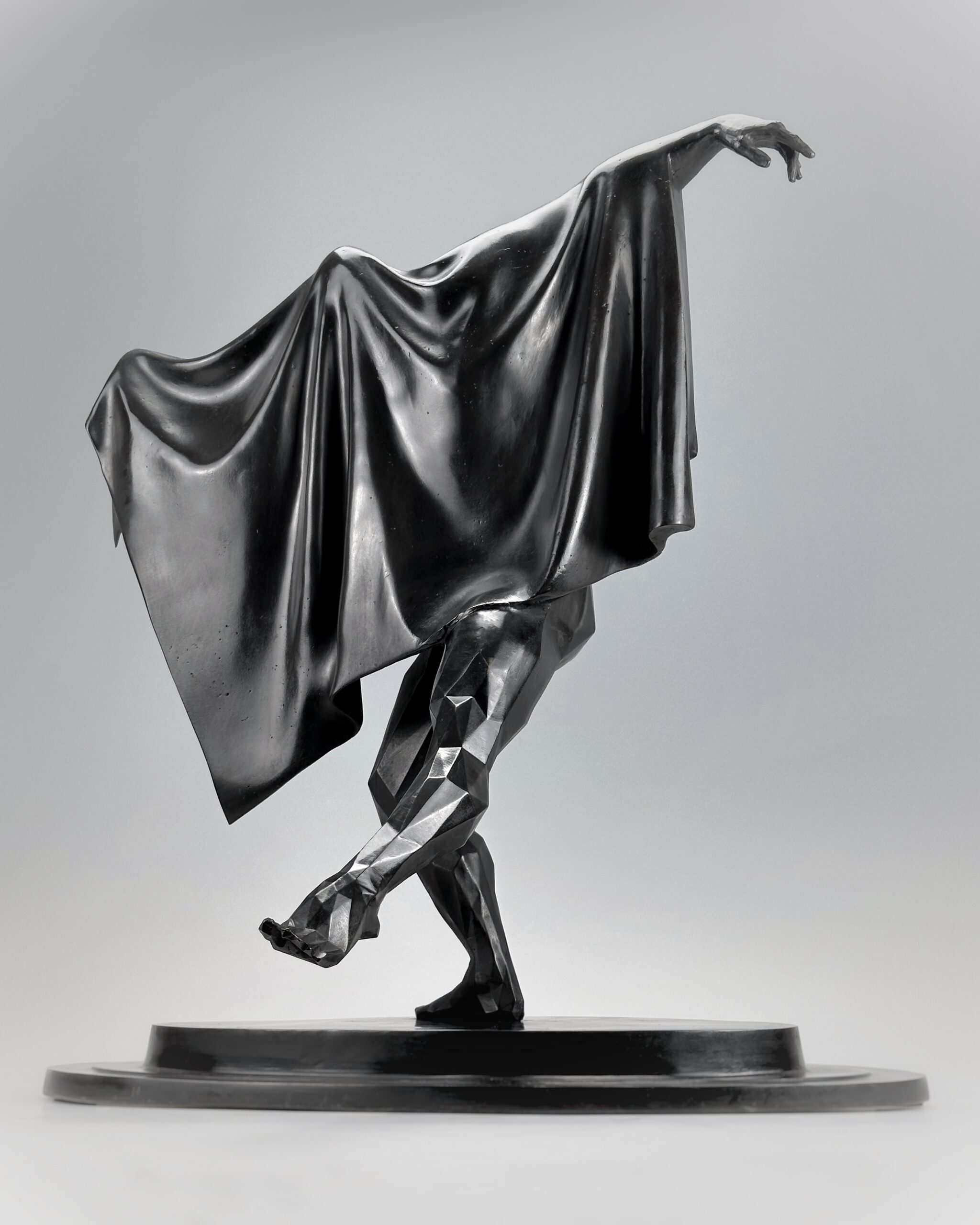
The second exhibition is Kompas rzeźby [A Compass for Sculpture], featuring works by 18 artists from Kama Zboralska’s book, showcasing the variety of materials and techniques used in contemporary Polish sculpture. Published by Artinfo.pl in 2026, Kompas rzeźby. 114 polskich artystek i artystów [A Compass for Sculpture: 114 Polish Artists] explores Polish sculpture through the work of twentieth-century figures such as Alina Szapocznikow, Magdalena Abakanowicz, Władysław Hasior, as well as artists working today, among them Sylwester Ambroziak, Bożenna Biskupska, Iwona Demko, Paweł Orłowski, Cyryl Zakrzewski and Tomasz Górnicki. It also looks at the people who collect and support sculpture, giving the book a second perspective on how the medium circulates beyond the studio. The exhibition at the Warsaw Art Fair aims to bring to life works made with different materials and techniques side by side.
Urban Art Area, on the other hand, will be an exhibition of works by street artists, presented by Leonarda Art Gallery. Founded by Leonarda Szwed-Strużyńska, the Warsaw-based gallery has specialised in presenting and selling street art since 2018. It also organises Urban Art Area, an annual survey of Polish urban art. The gallery brought the project to the Warsaw Art Fair in 2025, and now prepared a street-art exhibition for this year’s edition as well. By bringing practices associated with streets and public spaces into the exhibition programme, the gallery invites visitors to consider what changes when they encounter urban art inside an art fair.
Let’s Talk
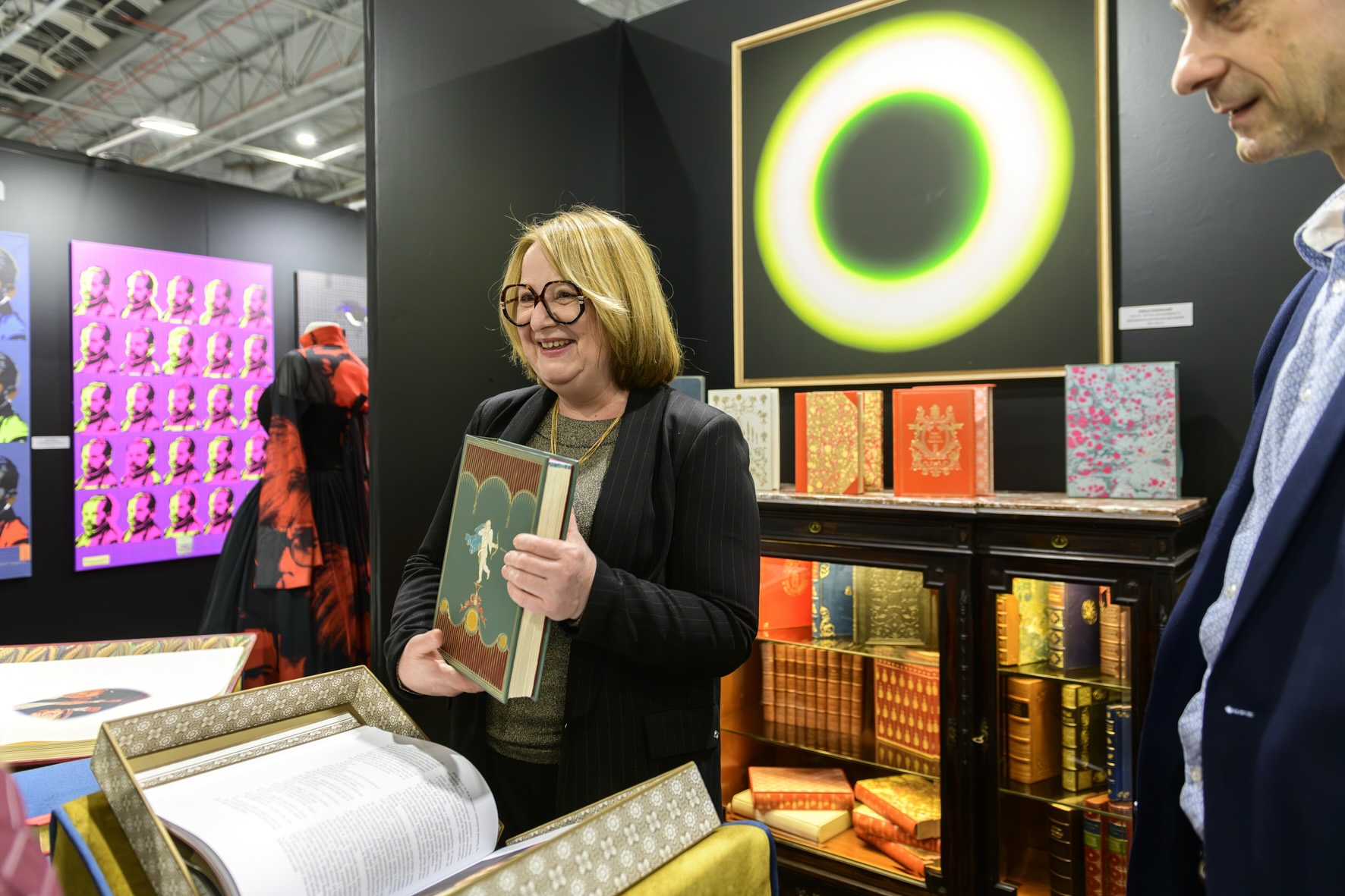
At the fair, you can do more than explore a variety of art under one roof, discover new talent, or feast your eyes on paintings as you walk through the booths. You can also join moderated art talks featuring well-known figures from the worlds of culture and art.
“Conversations with artists, experts, collectors and professionals from the art world and the art market are an integral part of the Warsaw Art Fair. This year’s Art Talks programme explores contemporary artistic practice, art collecting and changes in the market. We’ll also discuss how artworks are valued, documented and protected, and why these issues matter when a work goes missing or is stolen”
— adds Kama Zboralska, the fair’s Planning Director.
Over Saturday and Sunday, the Warsaw Art Fair’s Art Talks programme brings together artists, curators, collectors and other specialists to discuss how art is made, collected and cared for. Saturday’s conversations take their cue from the exhibitions on Mela Muter and contemporary Polish sculpture, then turn to the renewed interest in textiles among artists and collectors. On Sunday, the focus shifts to what millennial collectors buy, how entrepreneurs support artists and where authorship lies when AI enters the creative process.
23rd Warsaw Art Fair
27–29 November 2026
EXPO XXI, ul. Prądzyńskiego 12/14, Warsaw