






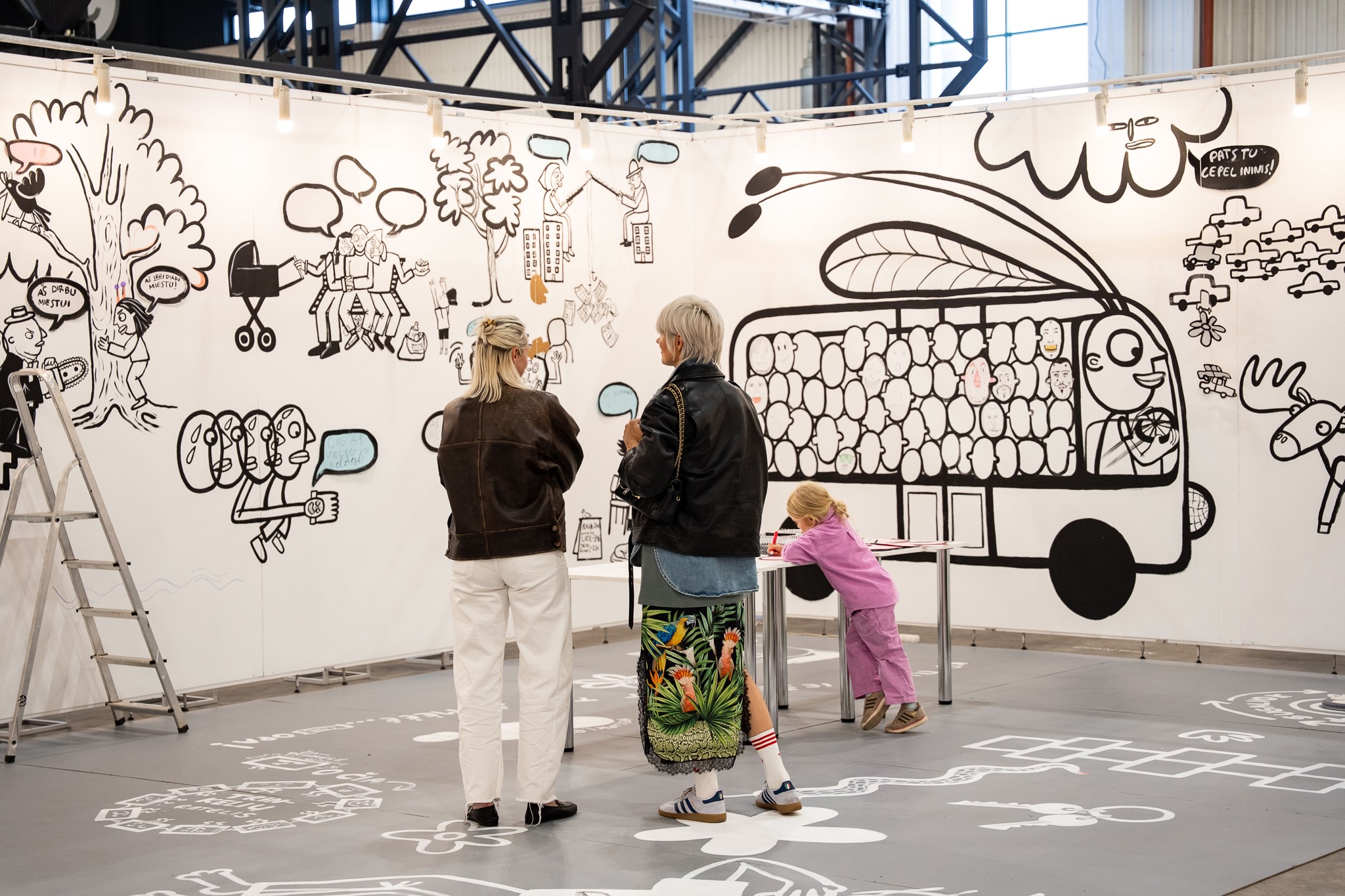
Beyond the familiar buzz of gallery booths and seasonal gatherings, today’s art fairs increasingly function as multi-layered cultural hubs. They comfortably embrace the customary momentum of the art world while providing space for critical inquiry, allowing localised artistic voices and broad international perspectives to converse seamlessly under one roof.
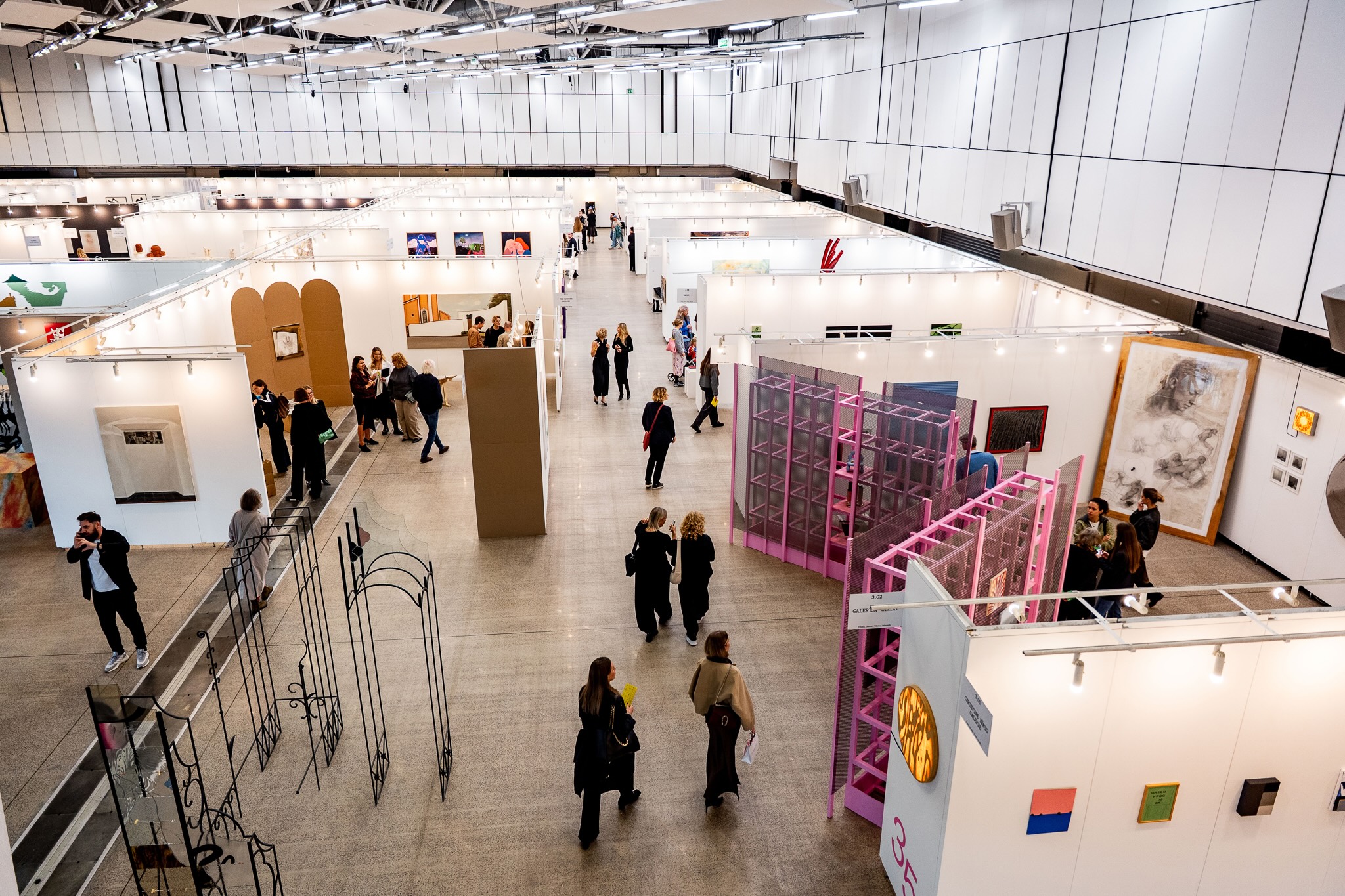
Under the artistic direction of Sonata Baliuckaitė-Arluškienė, the 17th edition of ArtVilnius (held October 1–4, 2026, at the LITEXPO Lithuanian Exhibition and Congress Centre) exemplified this balance, extending well beyond regional boundaries to achieve a resounding international impact. Drawing galleries, artists, curators, and collectors from across Europe and beyond, the fair established an ambitious creative axis stretching from Vilnius through Warsaw, Vienna, Tallinn, Paris, and international art capitals.
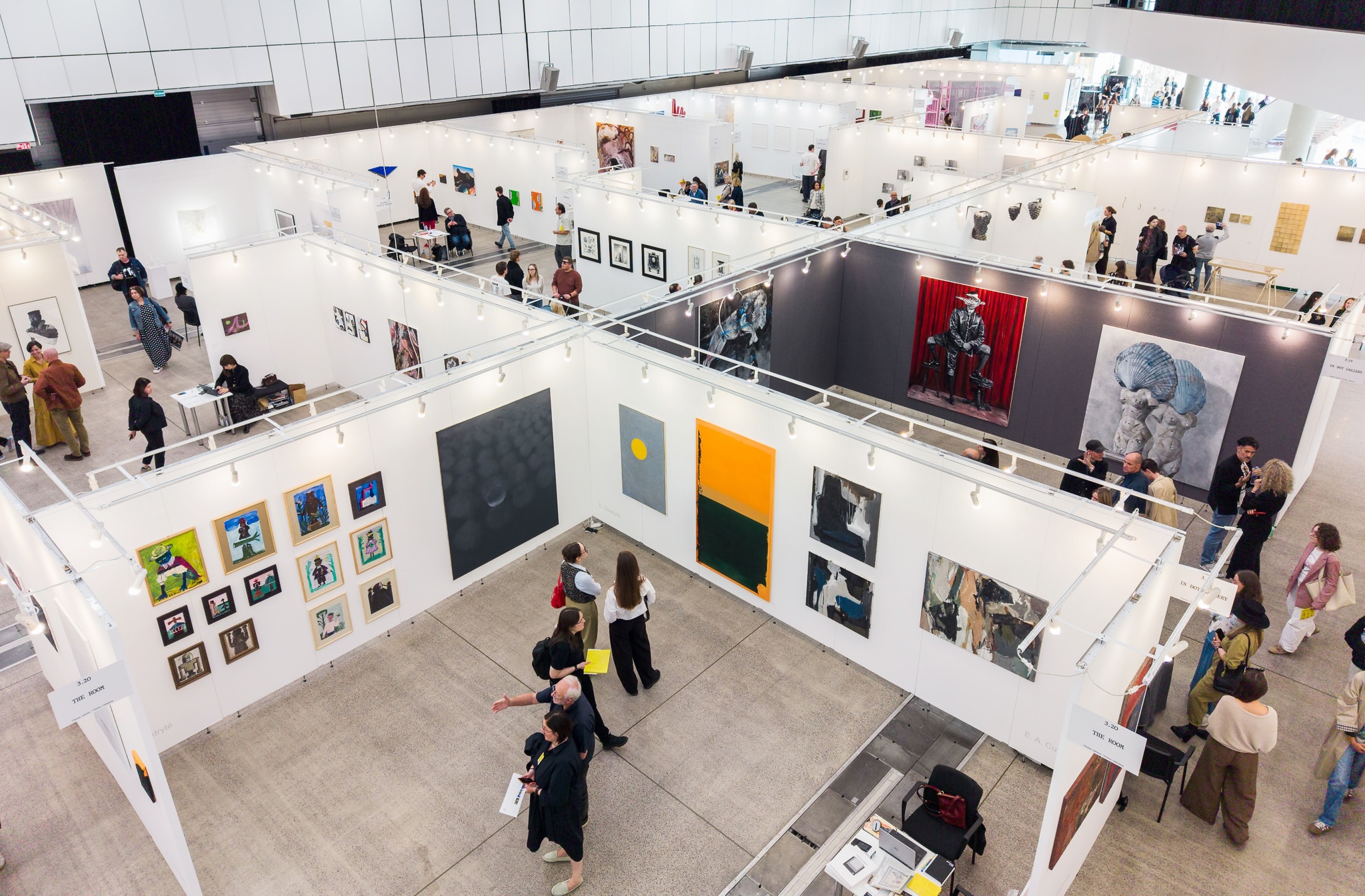
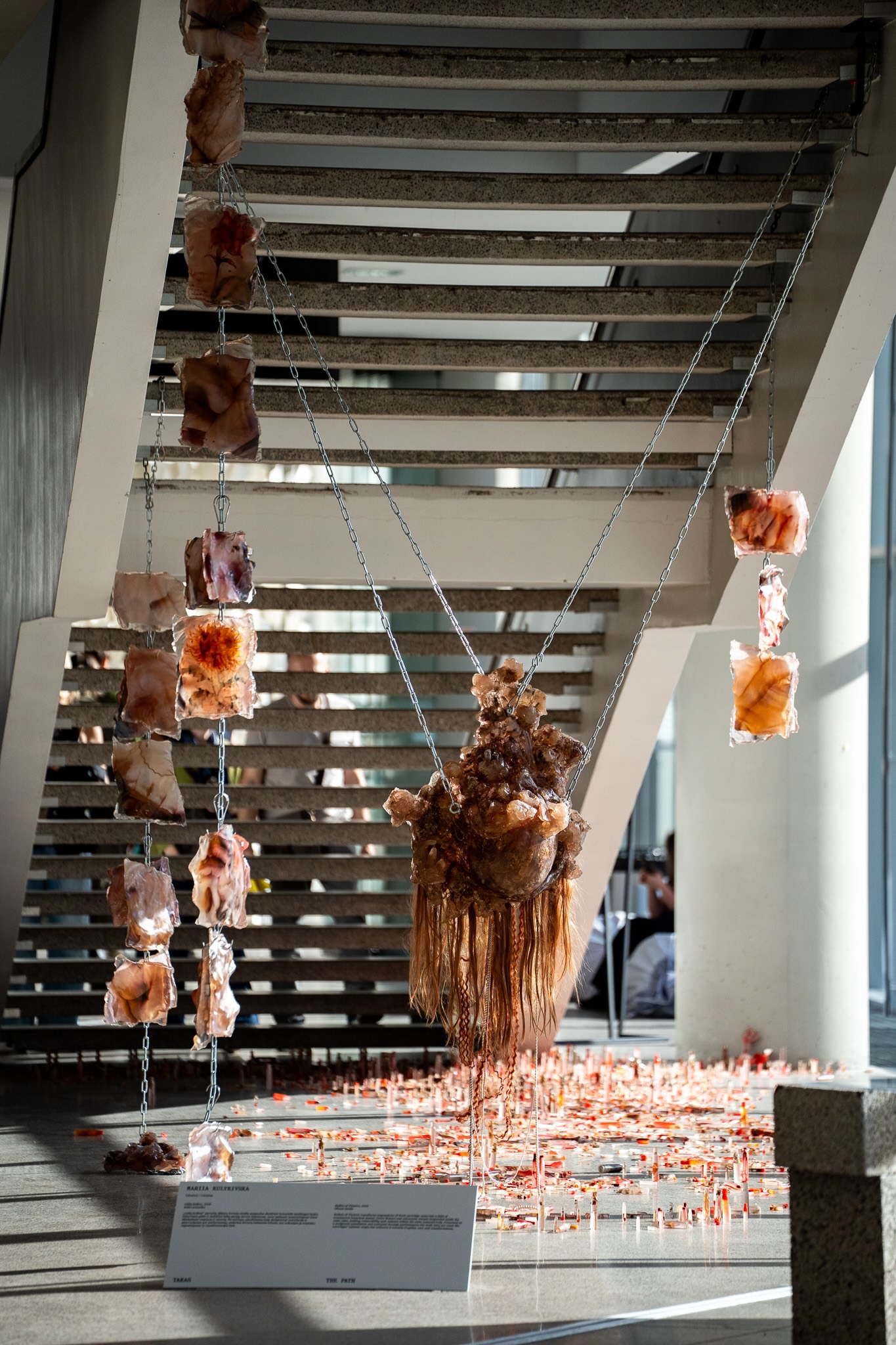
Within the Project Zone, curated by Neringa Bumblienė (Director of the Nida Art Colony and Artistic Director of the Vilnius Performance Art Biennale), a standout presentation by Gabrielė Černiavskaja introduced an architecturally considered space. Simultaneously, the curated exhibition Takas, led by Vienna-based curator and writer Aliaksei Barysionak, expanded the fair’s sculptural and performative scope. Bringing together representatives from across Europe, these initiatives collectively served as a springboard for an urgent, cross-border dialogue on the complex realities shaping contemporary life and global artistic practice.
Drawing galleries, artists, curators, and collectors from across Europe and beyond, the fair established an ambitious creative axis stretching from Vilnius through Warsaw, Vienna, Tallinn, Paris, and international art capitals.
Anxiety, Algorithms, and the Urgency of Visibility
Yet, this edition’s visual and multisensory discourse was far from a purely intellectual exercise; it was acutely existential. On the morning of Saturday, October 3, the entire region awoke to a startling emergency alert regarding potential drone activity along the Lithuanian border with Belarus. The sudden notification, forcing everyone into a visceral reckoning with their proximity to safety, cast a palpable shadow over the venue. It grounded international visitors and local participants alike in the fragile, lived reality felt daily across Europe’s eastern flank. However, true to the resilient spirit of the global art community gathered in Vilnius, the response was unequivocal: the show must go on.
Against a backdrop of algorithmic flattening and shifting global geopolitics, the panellists examined how cultural practitioners can forge sustainable, meaningful career paths without surrendering critical nuance or institutional autonomy.
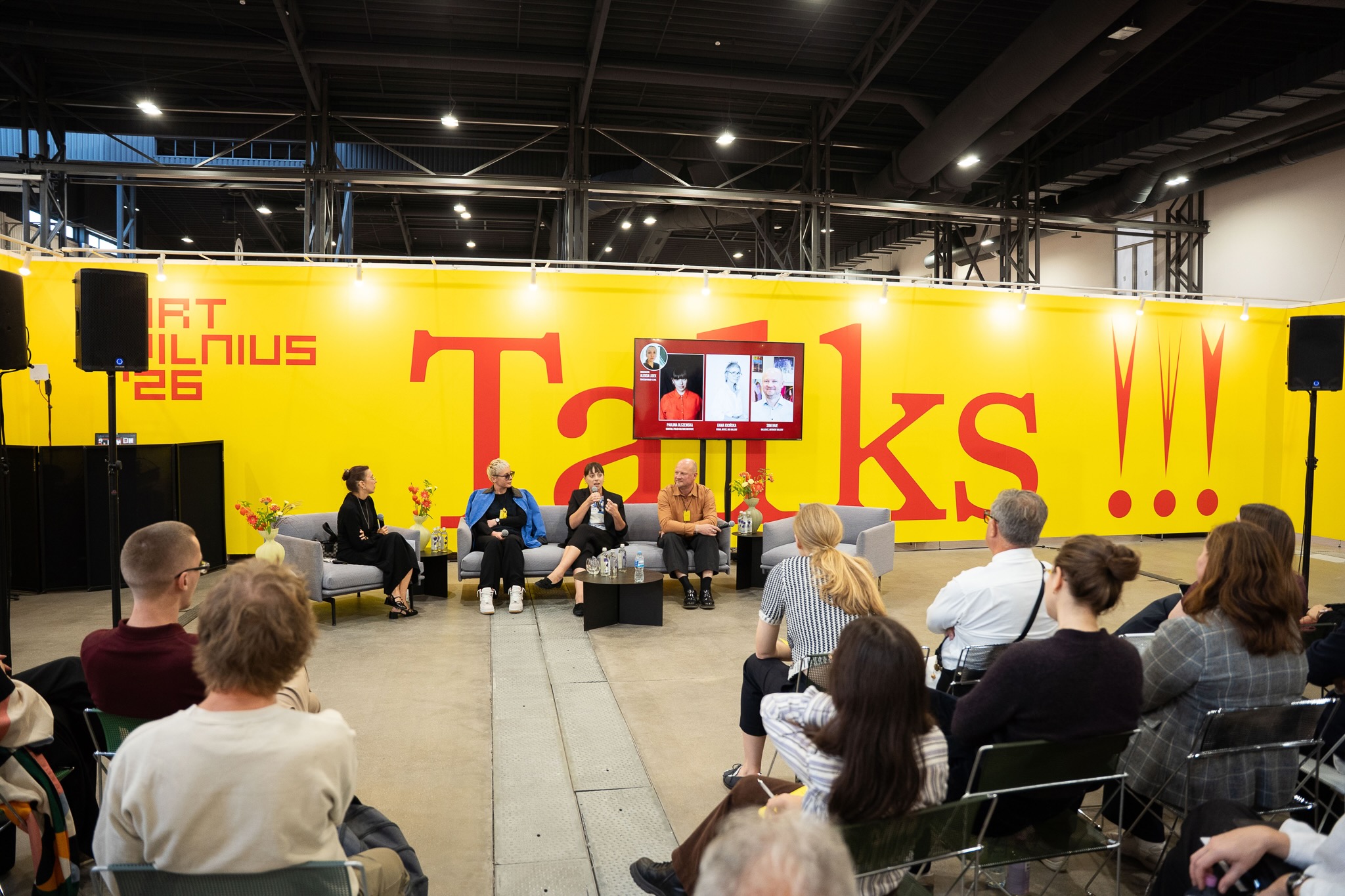
This resilience was nowhere more evident than in the fair’s talk program, which acquired a heightened sense of urgency following the morning’s alarms. That afternoon, we hosted our panel discussion, Contemporary Lynx Magazine presents: Who Gets Seen? Who Gets Remembered? Building an Artist’s Career in an Age of AI, Algorithms and Uncertainty. Featuring artist Kama Kicińska, Paulina Olszewska (curator of the Polish Pavilion at the 16th Gwangju Biennale in South Korea and representative of the Polish Institute in Vienna), and Siim Raie from Tallinn’s Artrovert Gallery, the conversation interrogated the precarious mechanics of contemporary artistic visibility. Against a backdrop of algorithmic flattening and shifting global geopolitics, the panellists examined how cultural practitioners can forge sustainable, meaningful career paths without surrendering critical nuance or institutional autonomy.

Radical Dialogues and Sensory Refuges
Against this tense backdrop, the fair’s broader curated programming resonated with exceptional international clarity. Cross-border dialogues unfolded powerfully across LITEXPO, highlighted by Warsaw’s Zachęta National Gallery of Art presenting Deaf Rebellion. Renewal. This interdisciplinary performative video work by Bogna Burska and Daniel Kotowski (both representing Poland at this year’s Venice Biennale) re-examined the historic Deaf President Now! movement at Gallaudet University in Washington, D.C., forcefully championing bodily autonomy and civil rights while being thoughtfully integrated with Lithuanian Sign Language translation.
Housed in Warsaw’s iconic Palace of Culture and Science, Galeria Studio brought a curated selection exploring cosmic and corporeal themes through masterworks by Magdalena Abakanowicz, Natalia LL, and Aleksandra Jachtoma. Representing Austria’s avant-garde, Vienna’s Meyer Kainer gallery presented the internationally acclaimed collective Gelatin (Wolfgang Gantner, Ali Janka, Florian Reither, and Tobias Urban). Their sculptural series re-examined colonial stereotypes and the controversial tradition of Moretti Veneziani jewellery in a grotesque, playful, and uncompromisingly provocative manner, underscoring the ongoing necessity of critical transcultural critique.
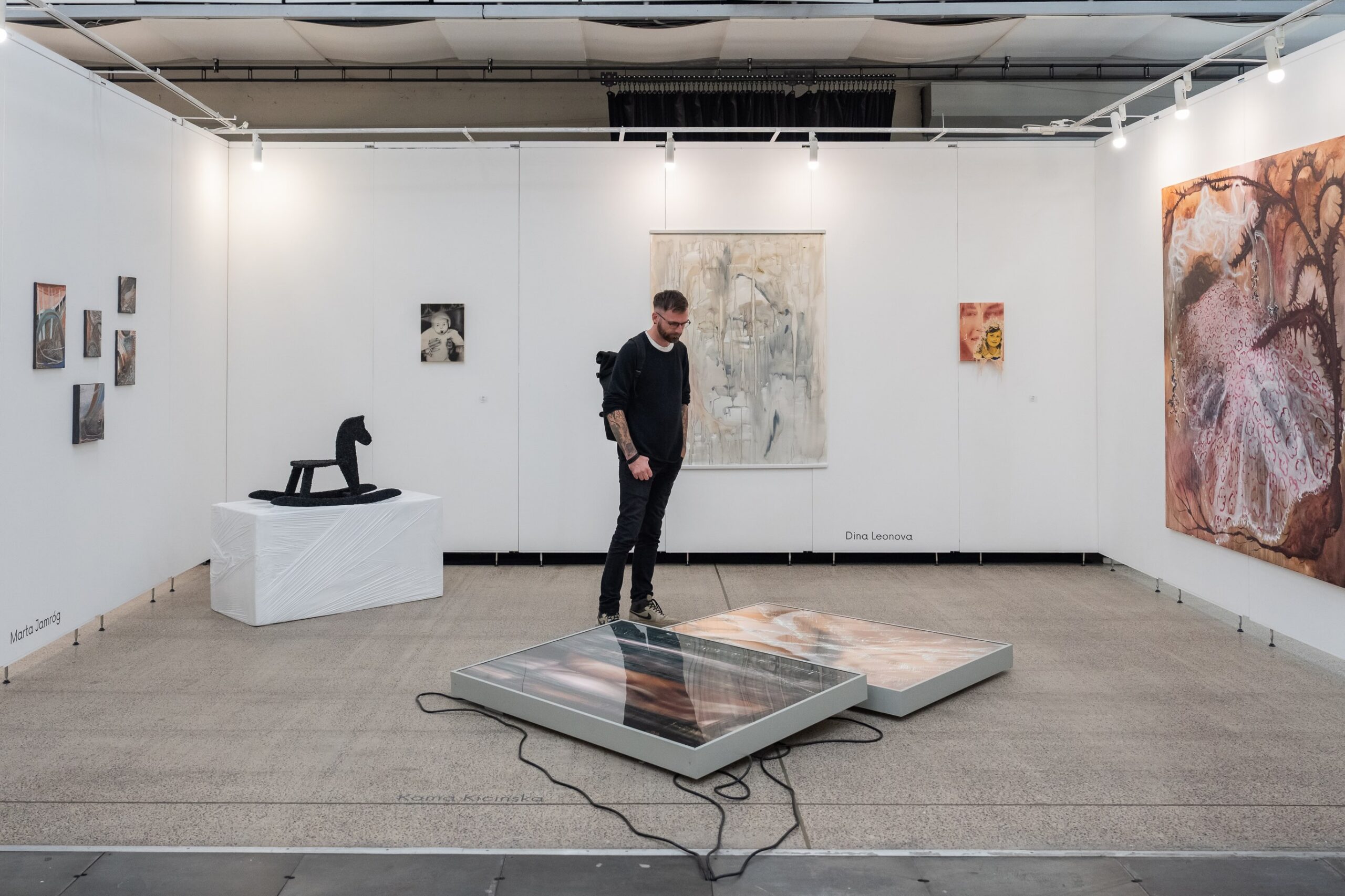
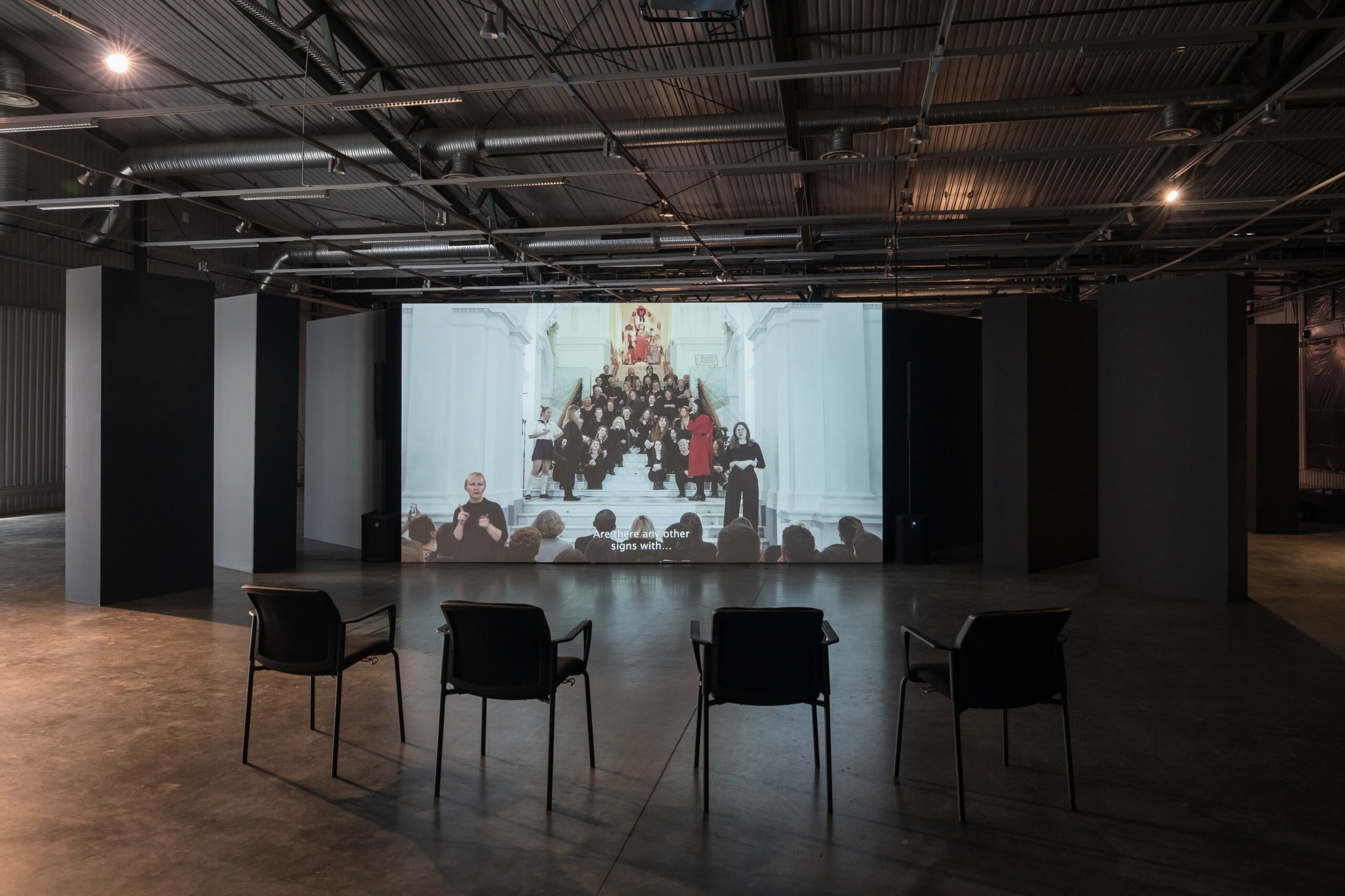
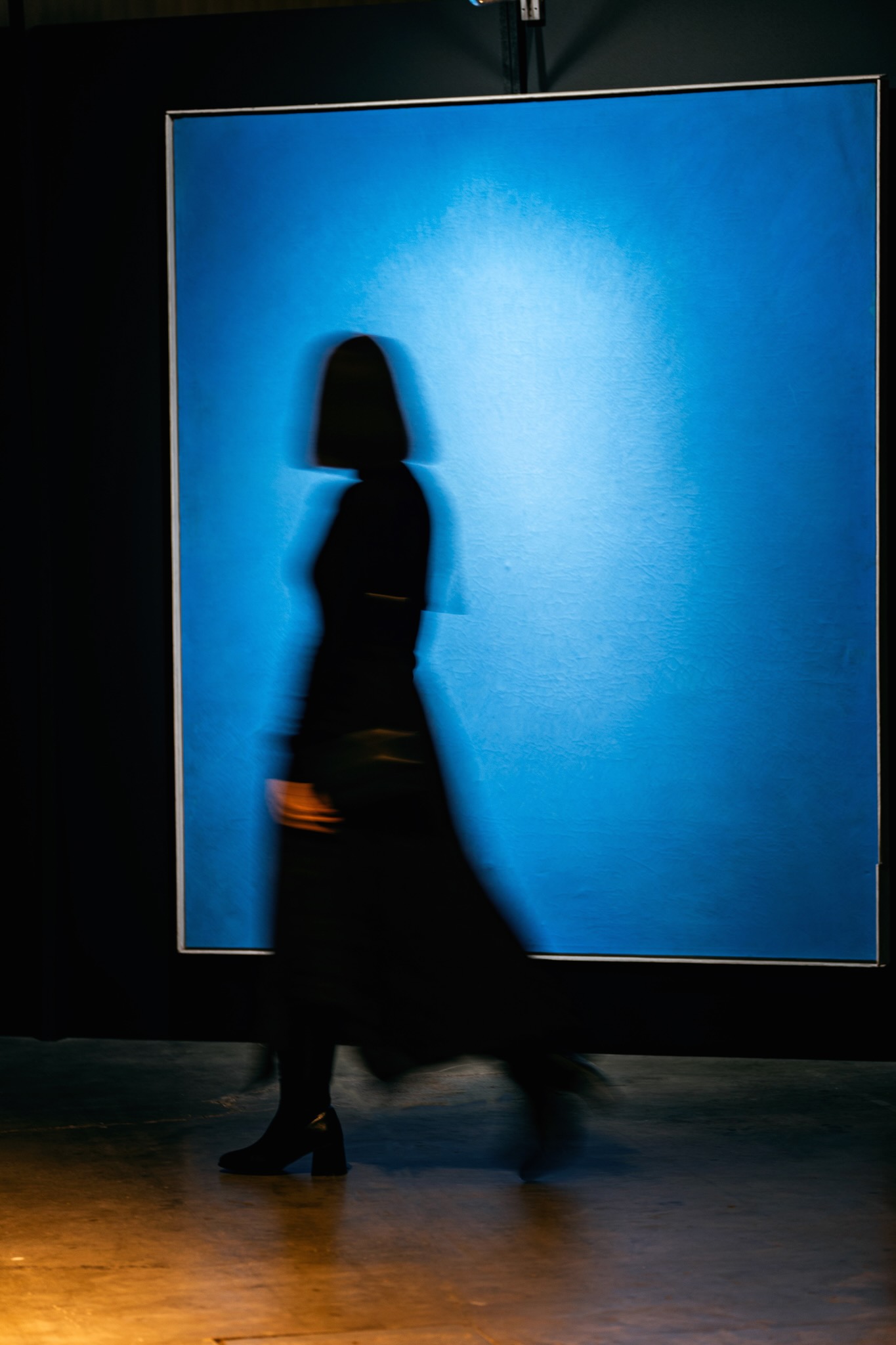
Beyond LITEXPO, this international energy spilt fluidly into the urban fabric of Vilnius itself through open studio visits at the Sodas 2123 cultural complex and the sublime exhibition The Garden at Vartai Gallery, connecting commercial and institutional displays directly to the city’s thriving underground art ecology.
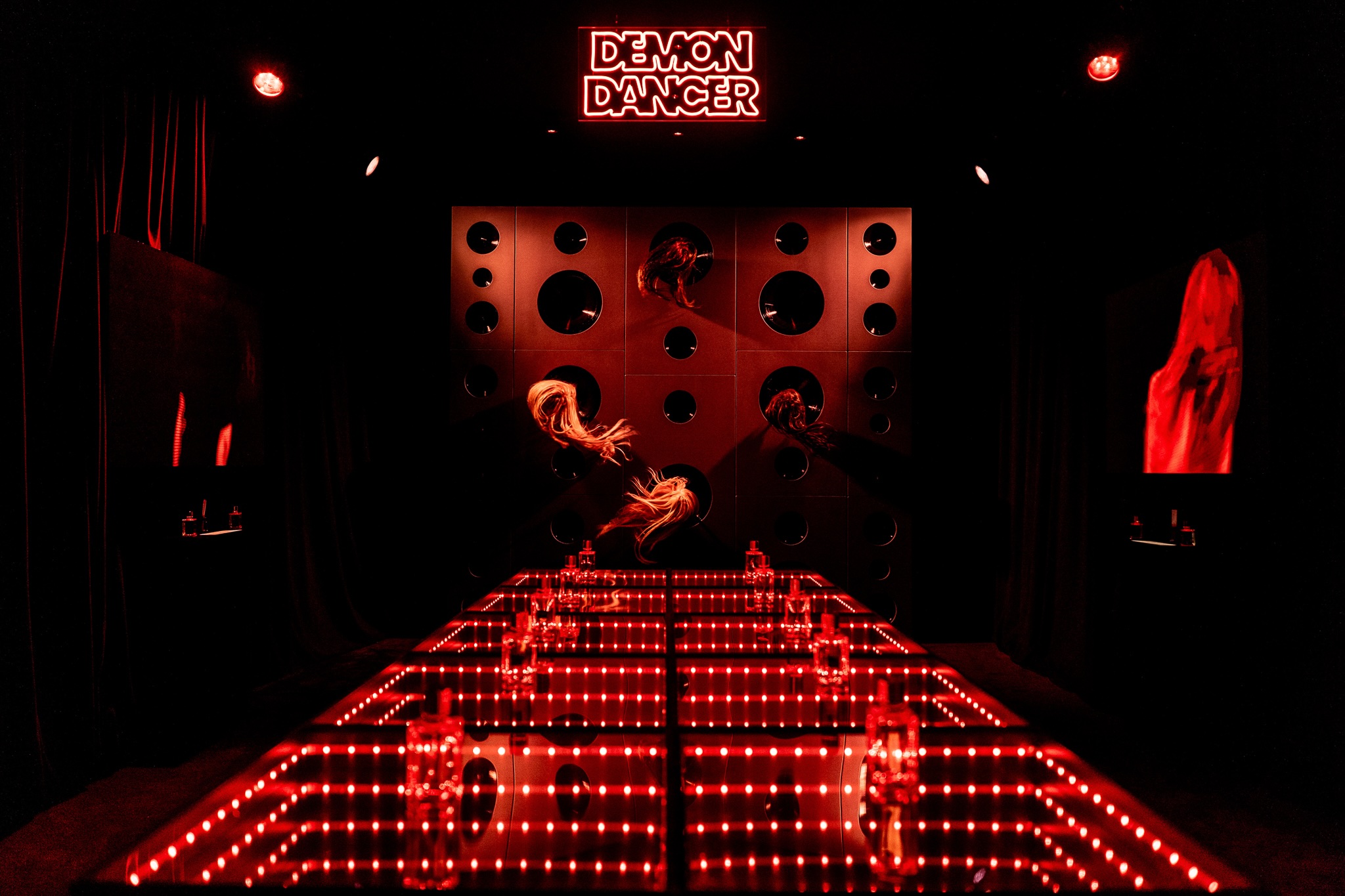
For fair attendees seeking a sensory escape from the pervasive tension, the organisers created a dedicated VIP sanctuary dubbed Demon Dancer. Conceived by luxury perfume house Crème de la Crème in collaboration with French haute parfumerie EX NIHILO, the installation was developed in collaboration with researchers from Kaunas University of Technology. The project utilised mechatronic heads that danced in synchronisation to an original track composed by Tomas Žalnora, highlighting a captivating technological paradox in which wild, raw choreography is driven by precise digital control. Set within a dimly lit, atmospheric enclave of the venue, the space departed entirely from traditional art fair hospitality to offer a subversively dark, tactile retreat. Complete with surreal installations of rhythmically kinetic wigs, glowing neon accents, and a steady sonic pulse echoing raw club culture, Demon Dancer operated as a liminal sanctuary where reality and the subconscious dissolved. It served as a vital decompression chamber, allowing a global audience navigating a heavy news cycle to lose themselves in pure sensory immersion, deep beat-driven rhythms, and nocturnal intimacy before returning to the fair floor.
Art as a Terrain of Possibility
The fair’s opening night celebrated these artistic achievements through awards conferred by an international jury. Laura Selmistraitytė, represented by The Passenger gallery, received the Best Artist title for her exquisite synthesis of refined woodcarving traditions and the quiet, radiant beauty of domestic life, as well as a prize from Crème de la Crème presented by their marketing manager Šarūnė Kleivaitė.
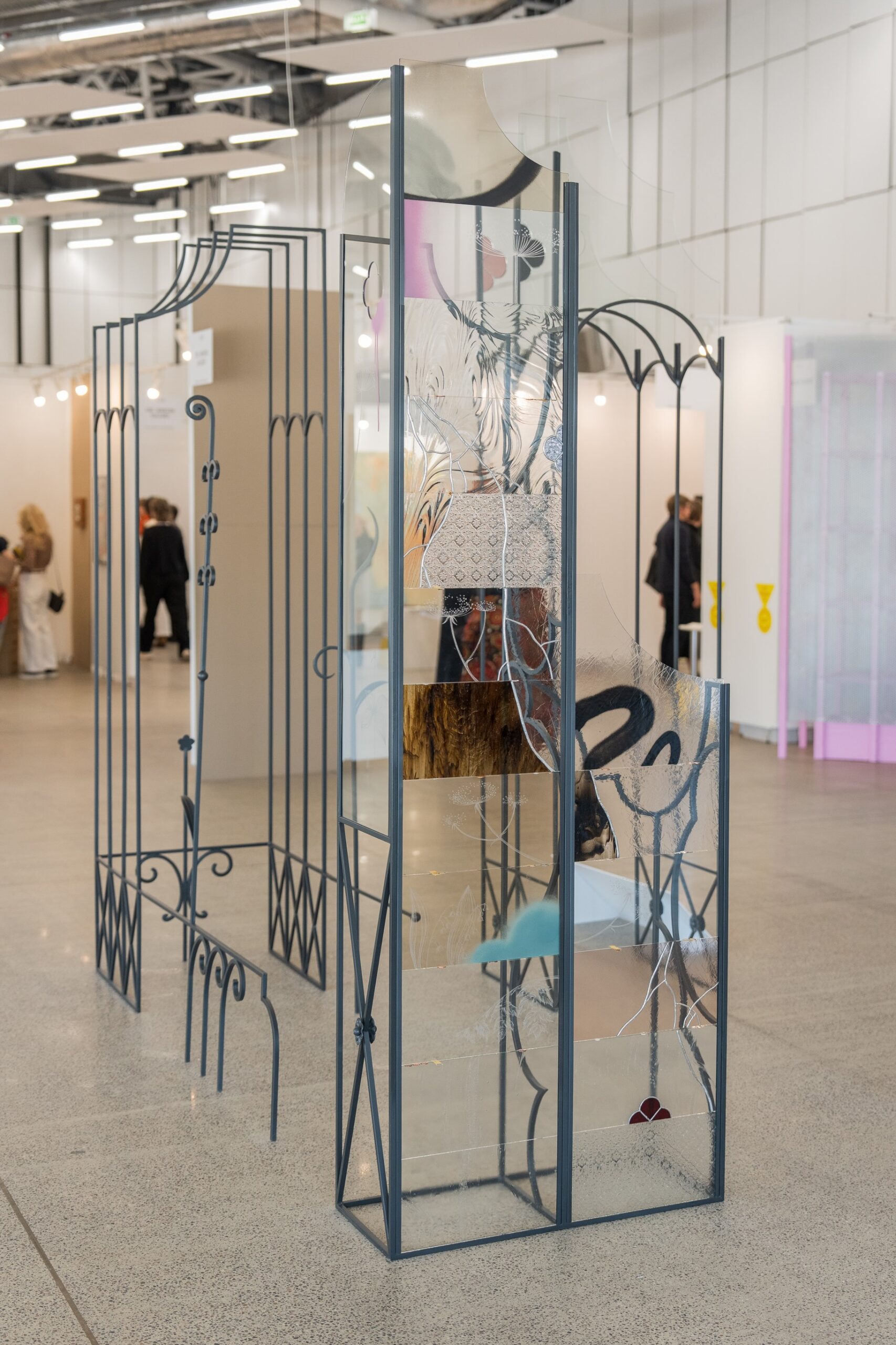
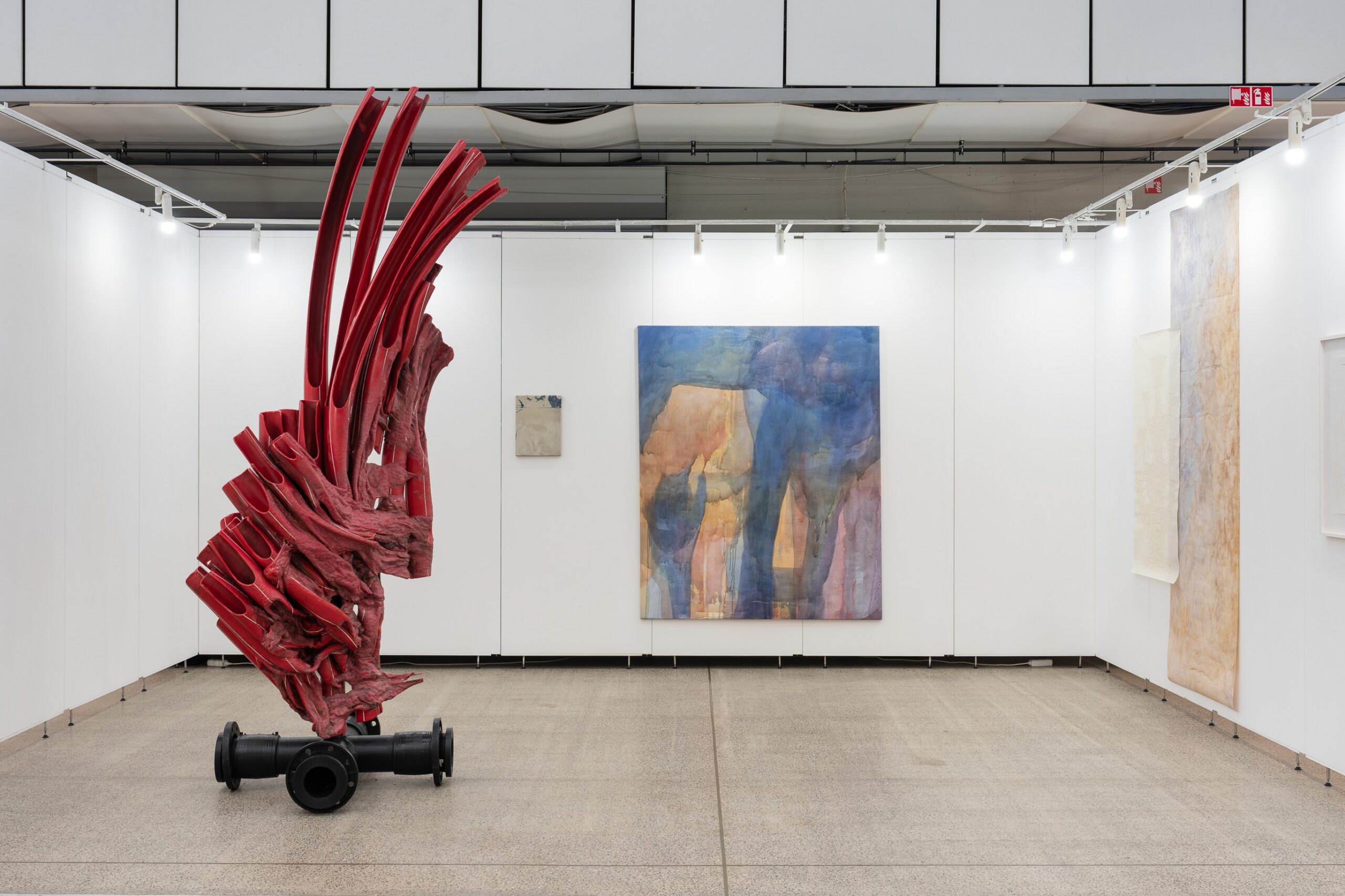
The Best Young Artist prize was awarded to Latvian artist Andris Kaļiņins from TUR gallery (awarded by the fair’s maecenas, Cobalt law firm) for transforming colour exploration into a sensitive, cohesive, and conceptually sharp body of work. A special jury mention went to Vytautas Viržbickas of DRIFTS gallery for a sculpture capturing the precise pulse of contemporary anxiety through an open-heart motif. Furthermore, Christine König Galerie from Vienna was named Best Fair Exhibition, commended for a dense, witty dialogue orchestrated between four artists through minimalist economy. The jury also formally recognised DRIFTS, Galerija VARTAI, TUR, ISSP Gallery, Kogo Gallery, HOS Gallery, and Christine König Galerie as the seven standout gallery presentations of the edition.
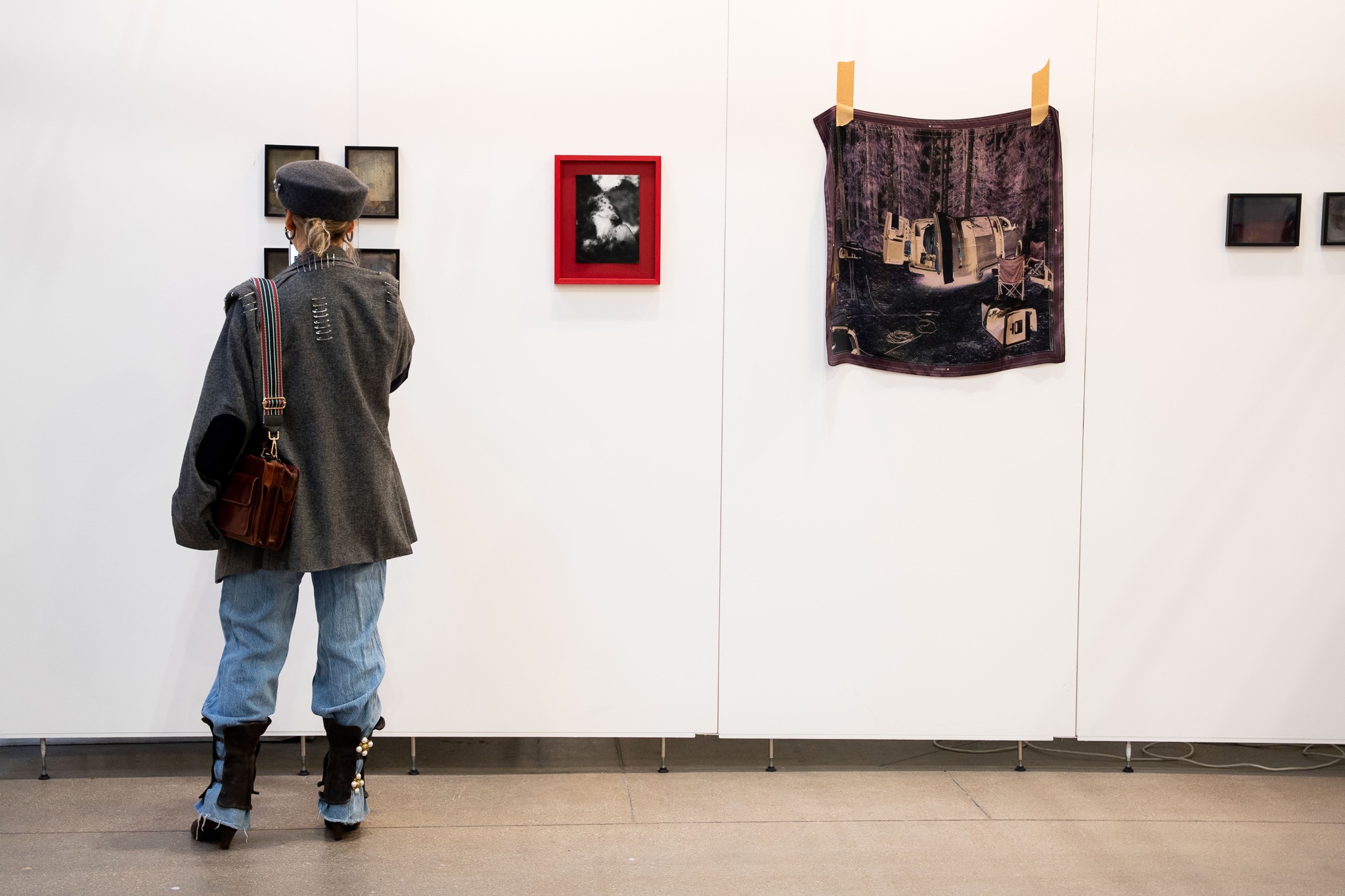
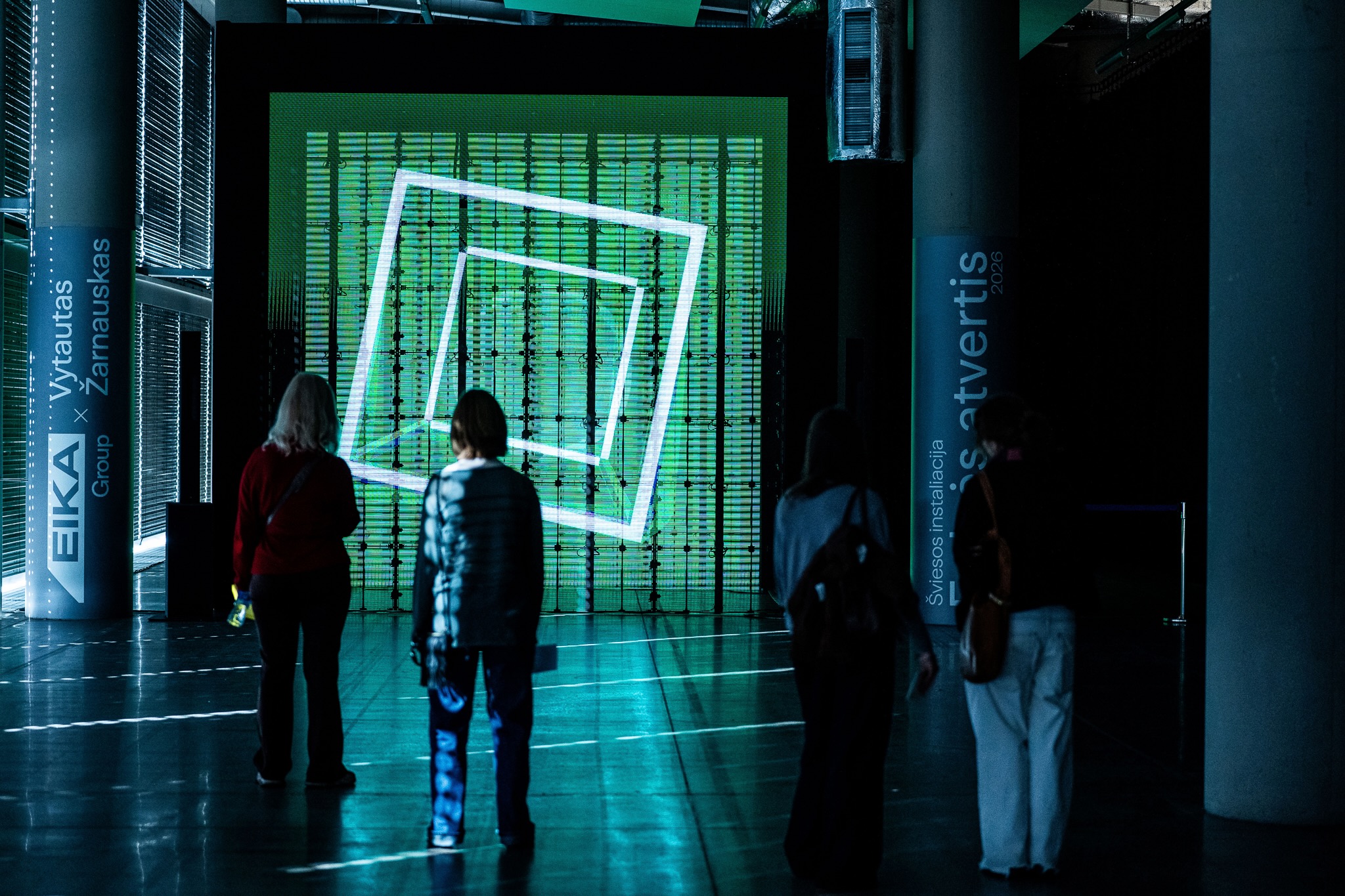
Ultimately, ArtVilnius’26 demonstrated how the convergence of an international contemporary art audience with localised sociopolitical realities can transform a regional platform into an essential global hub for solidarity and sustained dialogue. By embedding the recognition of its artists within the broader urban fabric of Vilnius and against the pervasive shadow of regional security alerts, the fair proved that even when geopolitical alarm bells ring at dawn, art remains an indispensable terrain of possibility — a space where critical thought, mutual openness, and community resilience endure far beyond transactional dynamics and business as usual.
ArtVilnius’26 demonstrated how the convergence of an international contemporary art audience with localised sociopolitical realities can transform a regional platform into an essential global hub for solidarity and sustained dialogue.
-
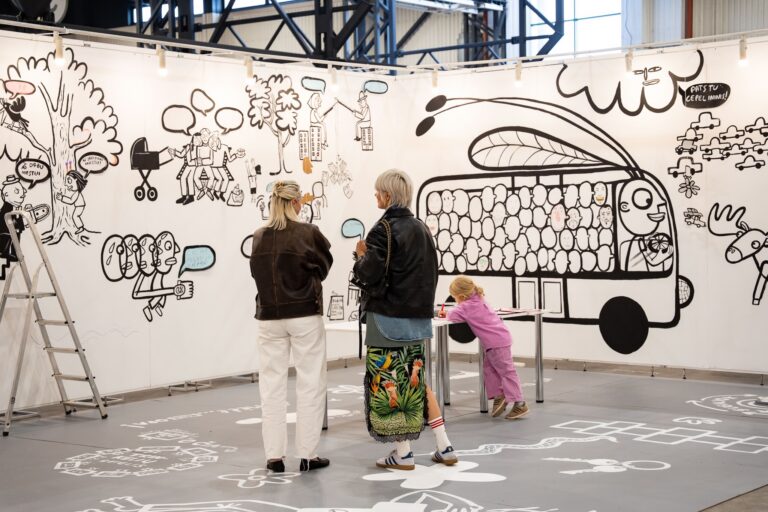
VVJ Art Gallery (Vilnius). Photo by Augustinas Žukovas -
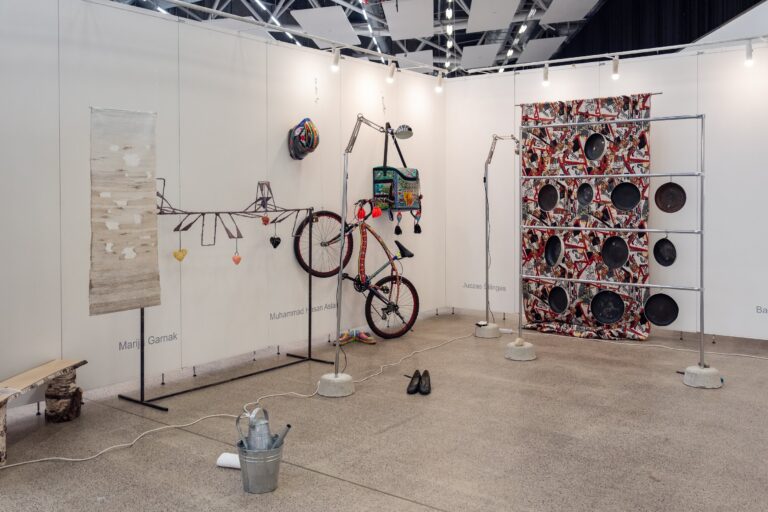
The Exhibition Halls “Titanikas” of Vilnius Academy of Arts. Photo by Andrej Vasilenko -
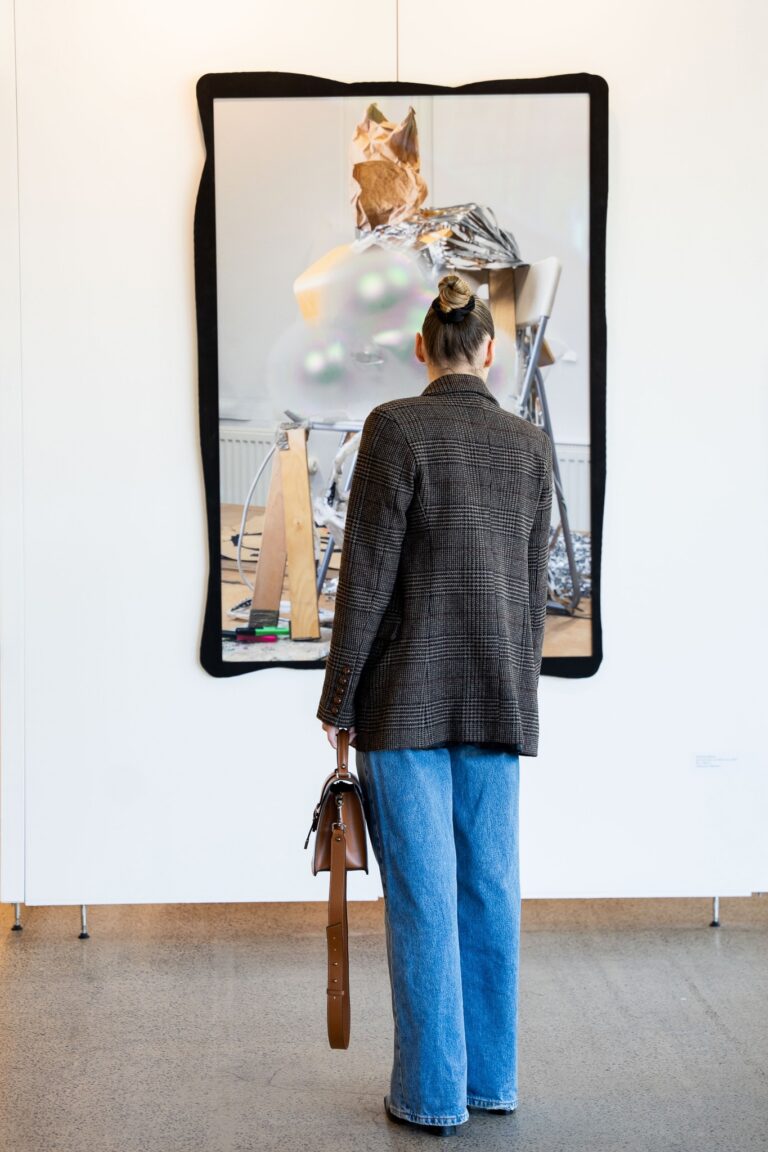
Robertas Narkus artwork. From JCDecaux collection presentation at ArtVilnius’26. Augustinas Žukovas -
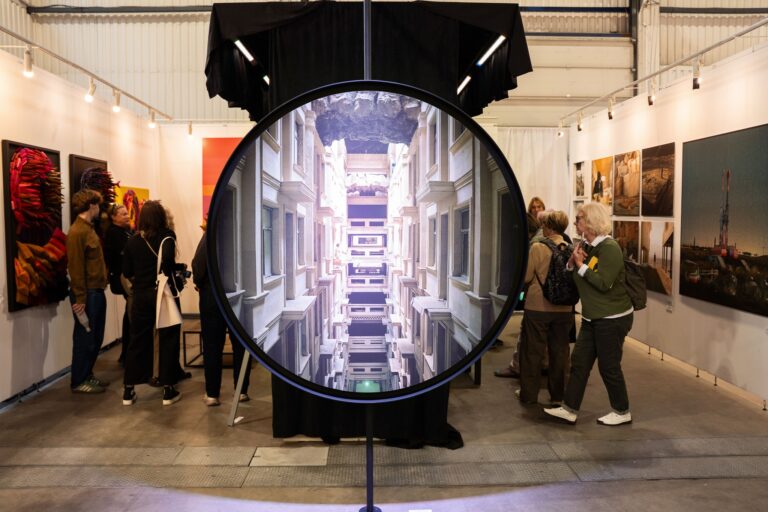
Parko Galerija (Vilnius). Ignas Maldžiūnas artwork. Photo by Augustinas Žukovas -
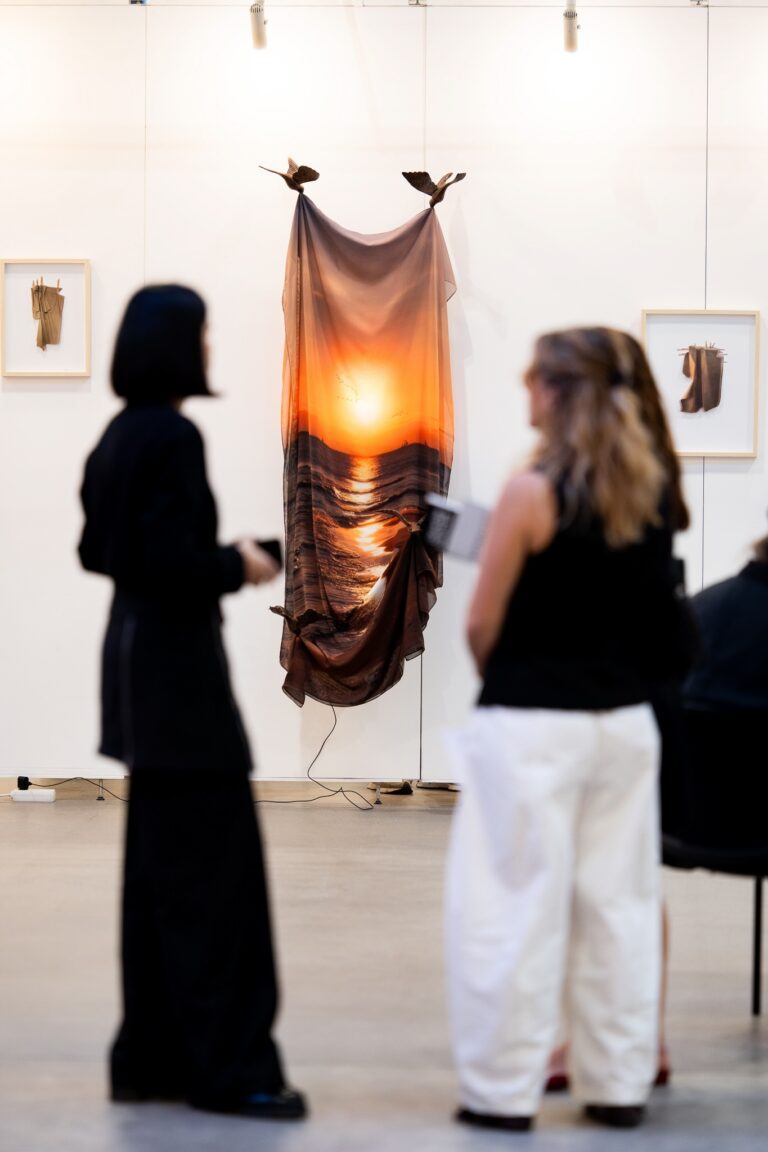
ISSP gallery (Riga). Artwork of Mareun Rol’s. Photo by Augustinas Žukovas -
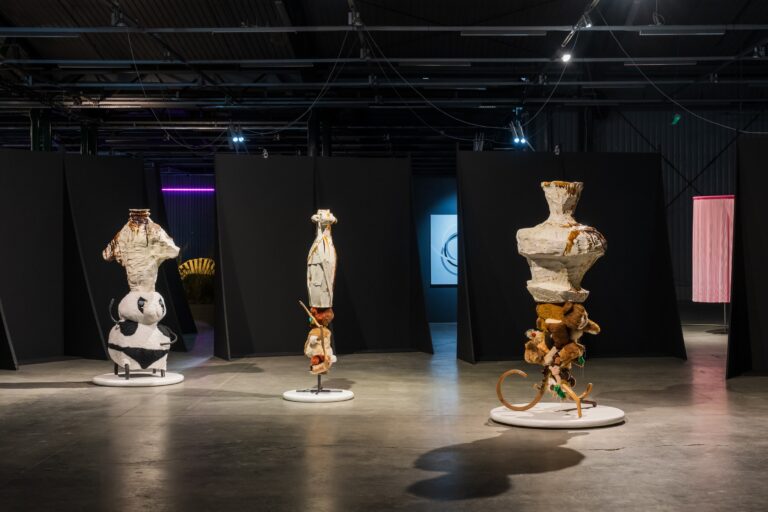
Gelatin. In the ArtVilnius Project Zone, presented by GALERIE MEYER KAINER. Photo by Andrej Vasilenko


