This year’s edition of Artissima, an Italian art fair with an exclusive focus on contemporary art, includes 183 Italian and international galleries. With such a wide selection and the fair only lasting three days, it is next to impossible to visit all the stands. But how to choose when it seems that each of them has something interesting to offer? Our team rushes to help you with this selection of 11 galleries that we think you shouldn’t miss at the 33rd edition of Artissima.
The fair will be held from 30th October to 1st November at the Oval in Torino. As always, four flagship sections will be organised. The Main Section includes 102 of the most prestigious galleries on the international scene, while New Entries, introduced less than five years ago, provide space for emerging galleries. Monologue/Dialogue is a section for experimental galleries presenting either monographic stands or dialogues between two artists, and the Art Editions section provides space for galleries and non-profit spaces to present editions and prints.

Additionally, three curated sections will be presented during this year’s fair: Present Future for monographic projects dedicated to emerging artists; Back to the Future for monographic stands aimed at rediscovering the pioneers of contemporary art; and Disegni for monographic projects dedicated to drawing on paper.
For the fifth year in a row, Luigi Fassi is the director of the fair. For this year’s theme, he and his team have chosen Fancy: A Flexible, Acrobatic Body — which aims to present Artissima as a living, evolving organism, reaching beyond its established roles and opening itself up for new possibilities.
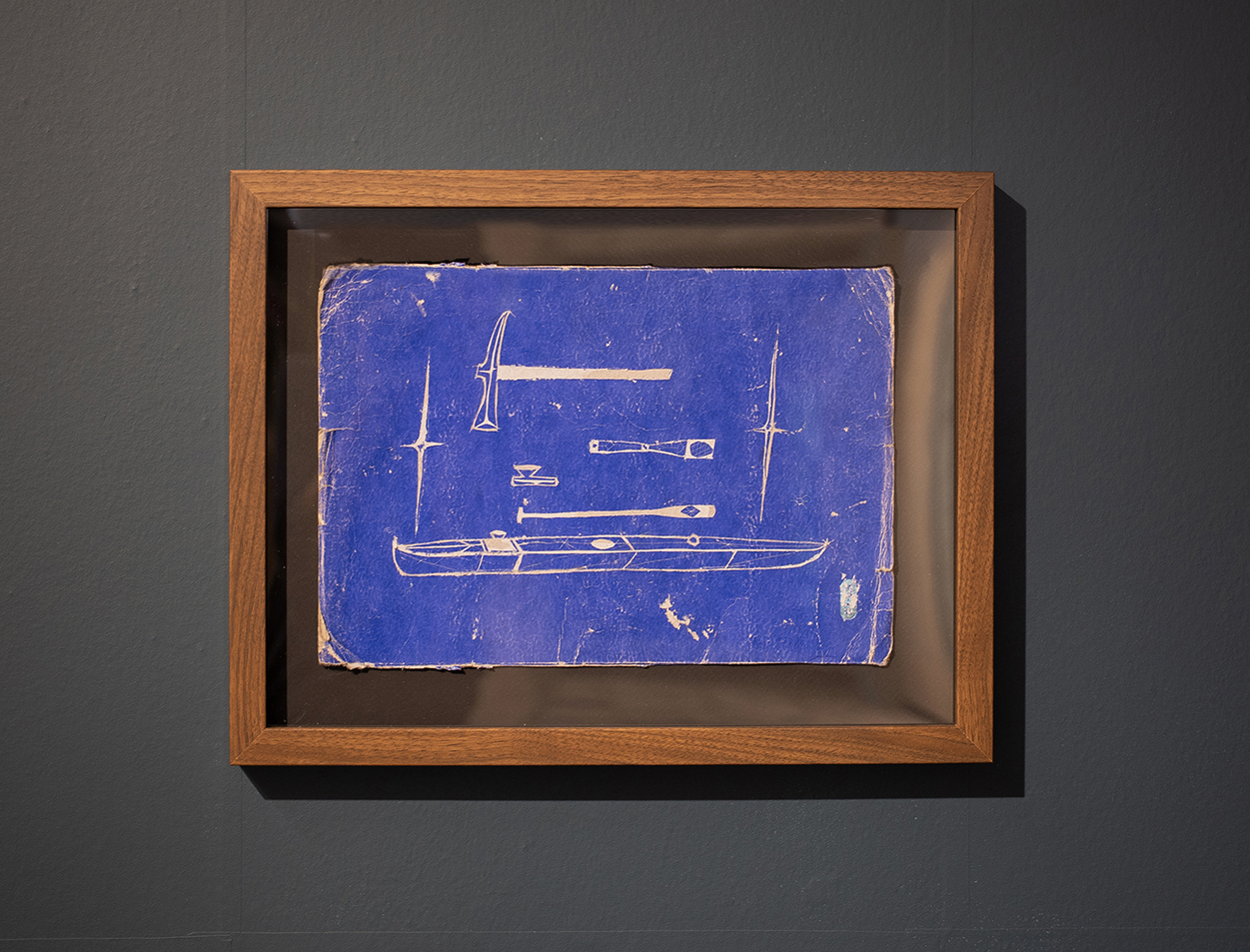
KODL Contemporary, Prague, Czech Republic
Prague-based gallery KODL Contemporary, which seeks to strengthen the position of Central European art within a global context, will exhibit in the Monologue/Dialogue section of the fair, juxtaposing works of two artists: Jakub Jansa and Pavla Malinová.
Czech artist Jakub Jansa contributed his film — also included in the Czech Republic’s pavilion at the 61st Venice Biennale — Silence of the Mole, which follows an ageing performer who has dedicated his life to embodying the beloved children’s character of the Mole. The film explores what happens to art and people when their success leads them to becoming national symbols. It showcases how easily subtlety and tenderness give in under the pressure of major institutions and social structures.

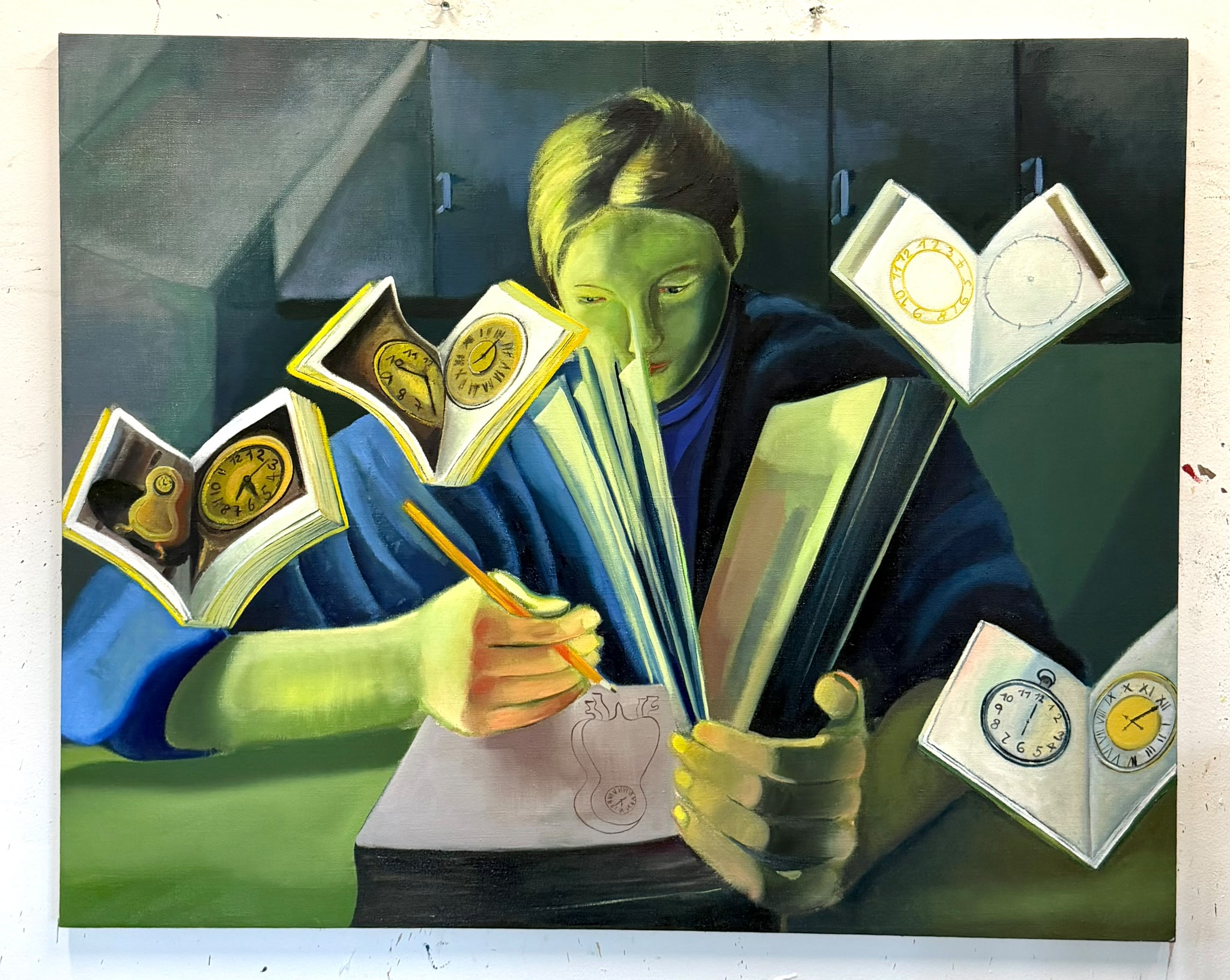
In dialogue with Jansa, Malinová puts well-known mythological motifs in new contexts, creating ambiguous and indeterminate spaces. If Jansa’s film is an example of playful and imaginative art being corrupted into becoming a set-in-stone symbol, then Malinová’s paintings are an example of taking these symbols down from their pedestals to look at them in a new light.
TROTOAR Gallery, Zagreb, Croatia
Zagreb-based gallery TROTOAR prepared a solo exhibition of Kristian Kožul titled 1573. Their stand will be part of the Main Section at Artissima and include new sculptures and works on paper specifically created for the event.

1573 refers to the year in Croatian and Slovenian history when a failed peasant uprising took place. The revolt was sparked by the greed of tyrannical rulers, the brutality of their followers and the hypocrisy of the church. Throughout the years, the tragic and inhumane bloodshed that followed the rebellion has been used to reinforce the national victimhood — first in Yugoslavia and then in Croatia.
In Kožul’s works, this pathos is nowhere to be seen. The artist employs dark humour to disarm the heroic national symbolism. Naive, grotesque faces and bodies, some twisted with cruelty, others contorted with pain, are aimed at reminding the viewer of the repulsive and hideous nature of violence.
UFO Gallery, Kraków, Poland
Another gallery presenting in the Monologue/Dialogue section of the fair is UFO Gallery from Kraków. The exhibition prepared for Artissima features works by Bogumił Książek and Mateusz Okoński approaching the theme of the body. Even though the two artists do so quite differently, their works easily merge into a single narrative titled Heterologies of Melancholia. Here, the body becomes more than a physical form — a space where sensation, desires and boundaries between the human and non-human world intersect.
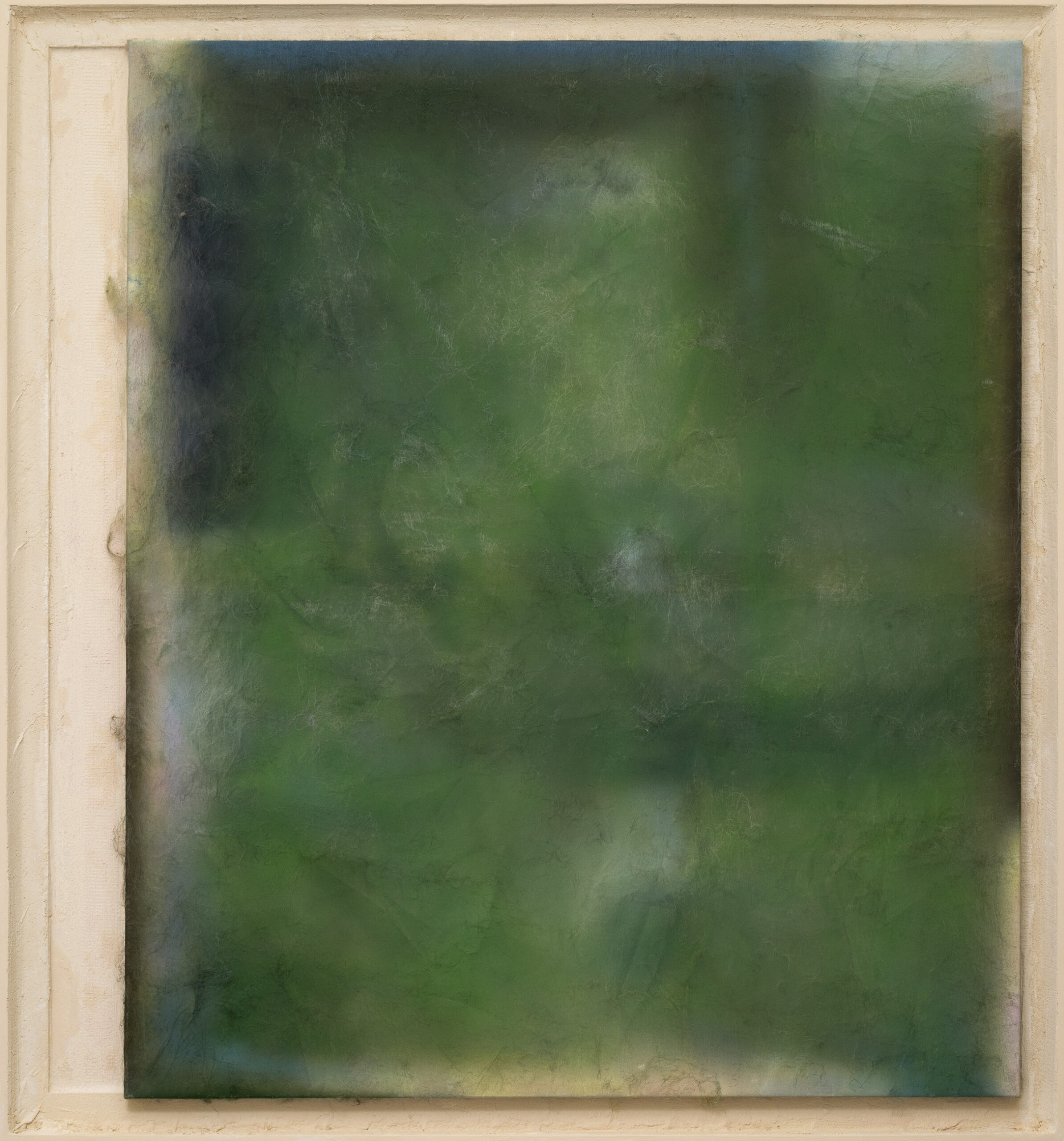
In his new painting series, Fur and Moss (2026), Książek explores the idea of moss and fur as coverings that both protect and conceal what lies beneath. The distinction is that moss grows over decaying matter, whereas fur covers and protects the living body from the elements. Bringing the two together, the artist reflects on the relationship between the living and the extinct, exploring memory as a landscape where traces of the past persist even as their origins become increasingly concealed.
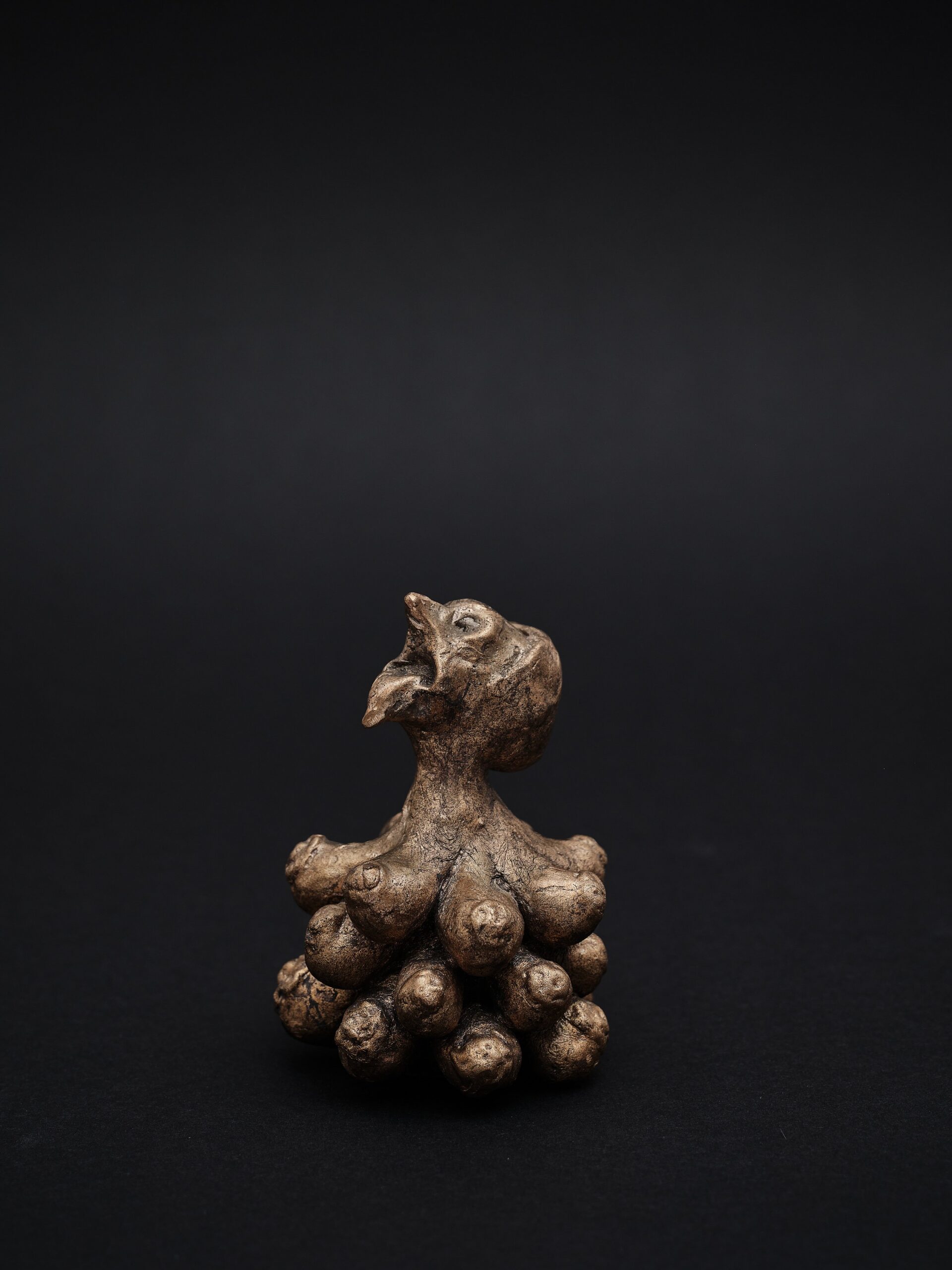
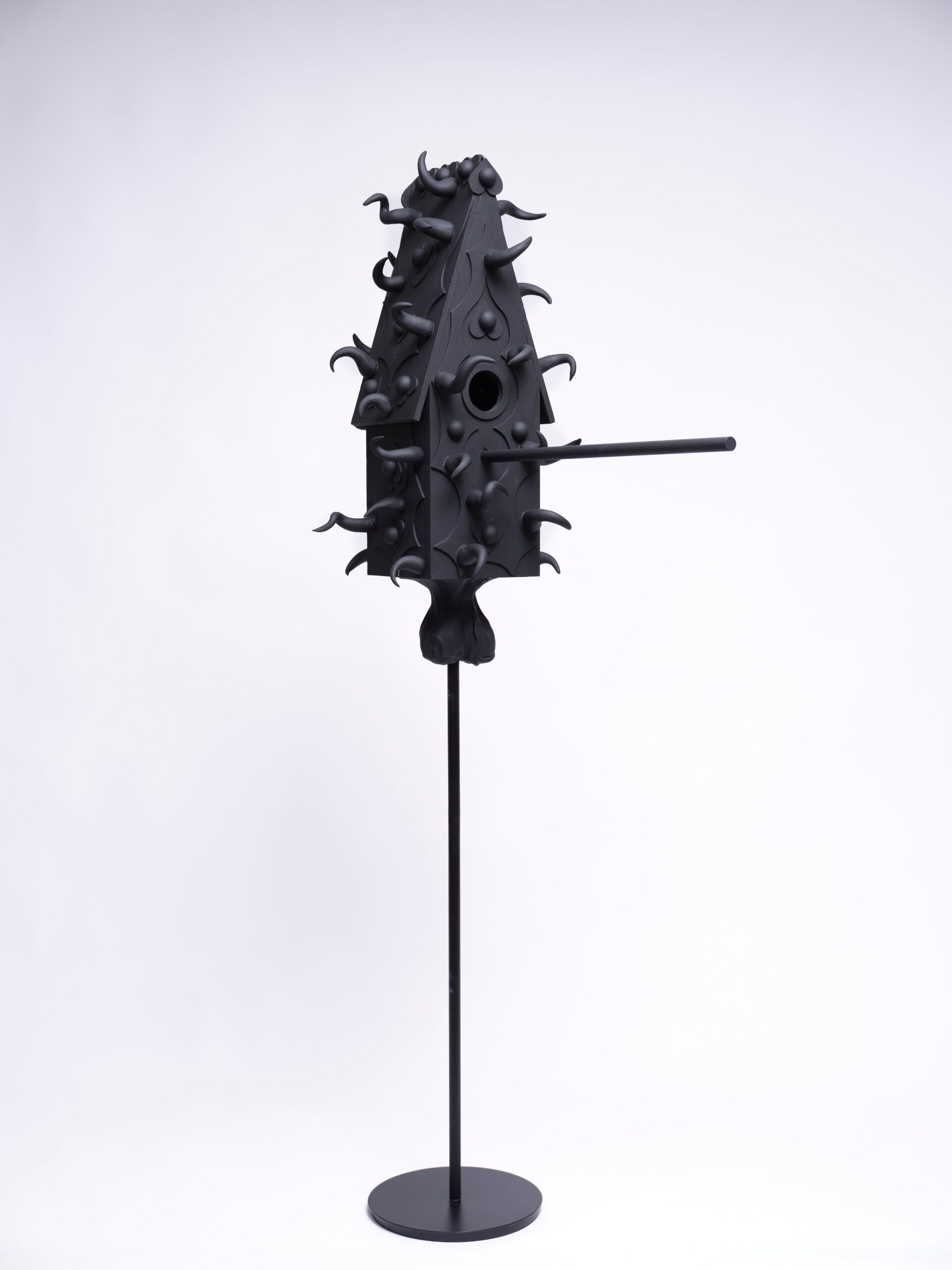
Meanwhile, Okoński, in his sculptures, applies the vocabulary of ritual: worshipping sacred and pagan deities, praising prophets, spiritual leaders, heroes and antiheroes of culture and religion. His sculptures are reminiscent of relics or occult objects. They are statues — or symbols — of the mysteries of the world surrounding us: the excluded parts of human existence, such as the sacred, eroticism, violence and melancholy.

WHATIFTHEWORLD, Cape Town, South Africa
Cape Town’s WHATIFTHEWORLD gallery aims to represent influential artists who engage with global and local contemporary art and socio-political contexts. Presented in the Main Section, the gallery will showcase works by five South African and two Zimbabwean artists: Cathy Abraham, Michelle Czarnecki, Strauss Louw, John Murray, Maja Marx, Dan Halter and Michele Mathison.
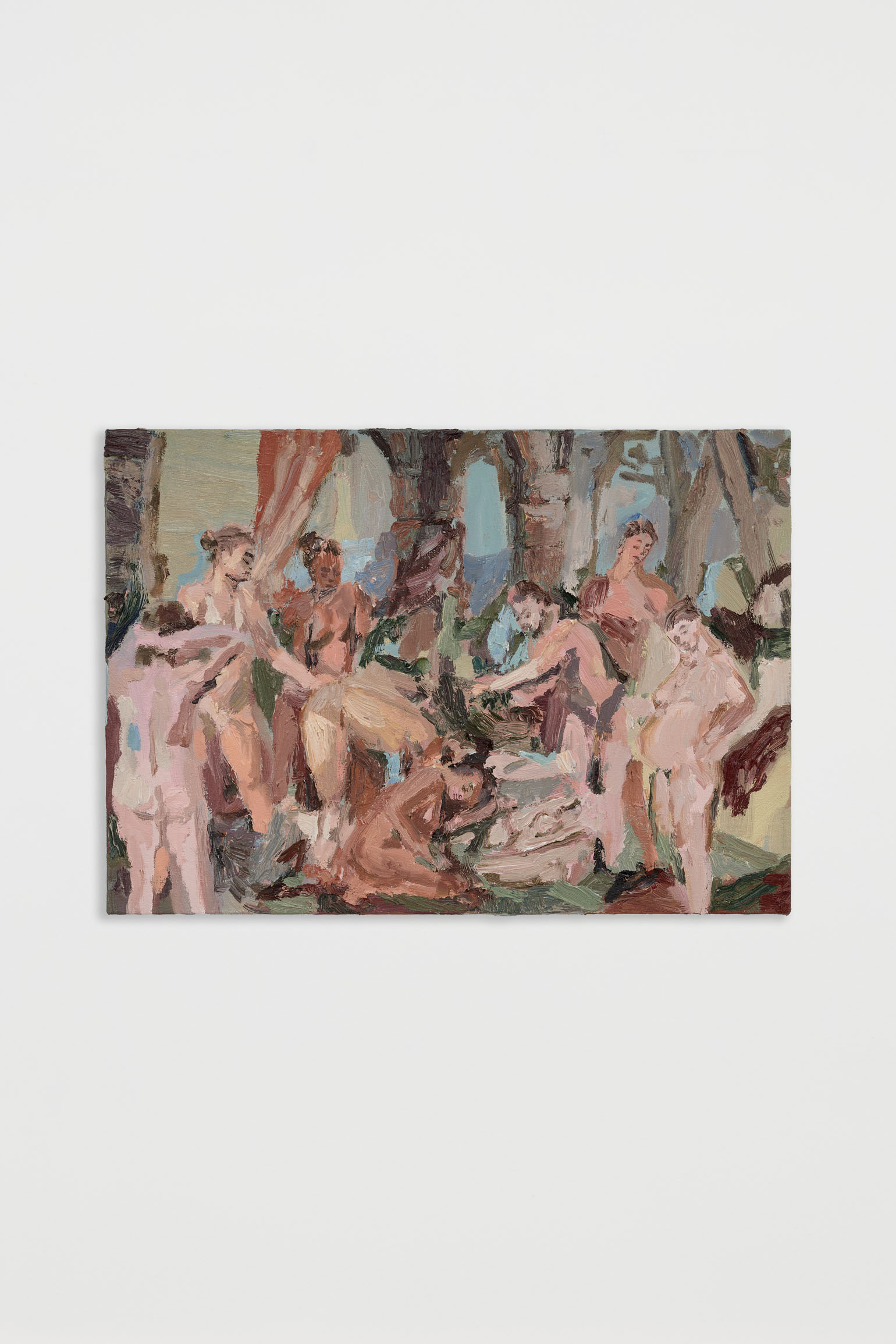
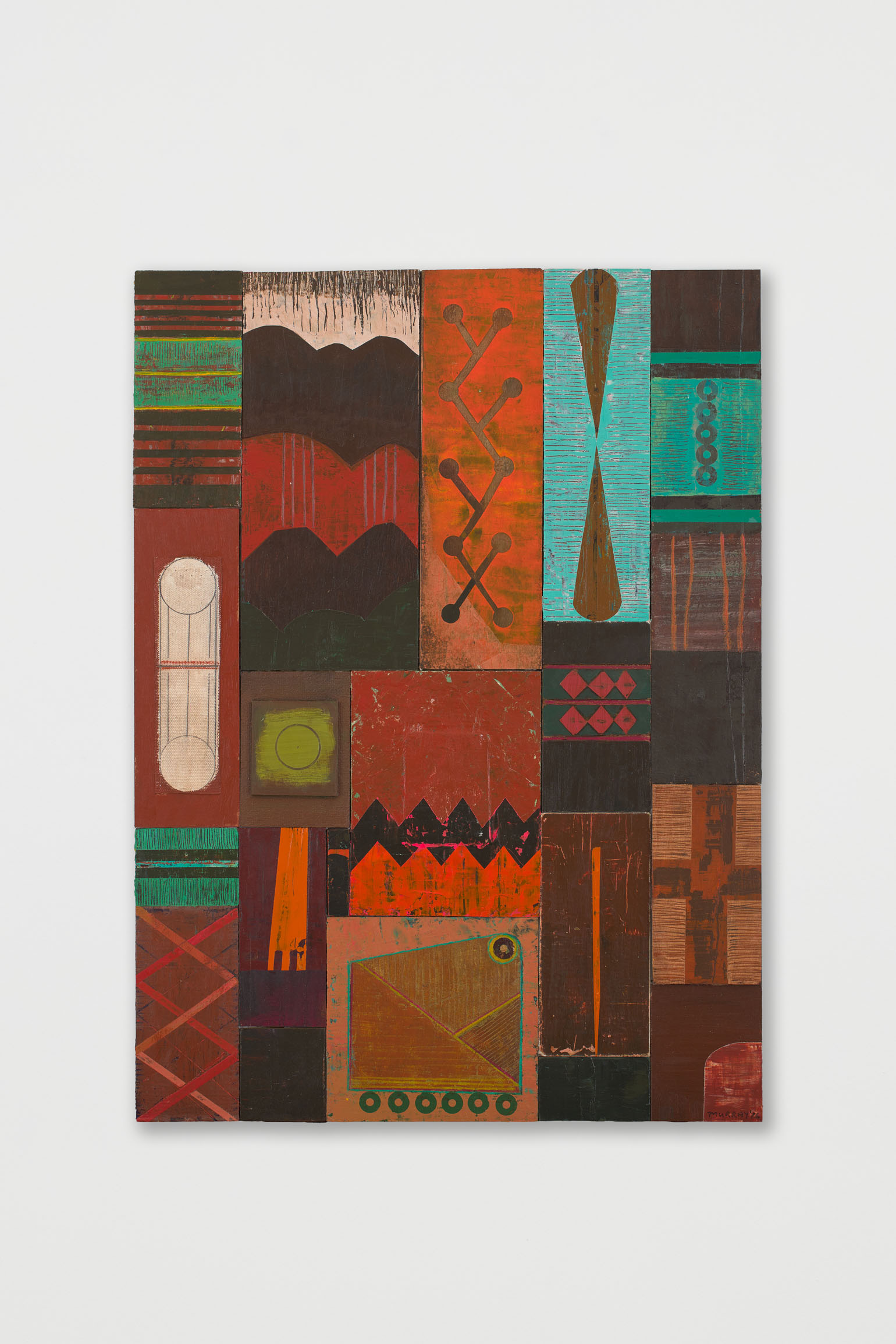
The works presented at Artissima explore abstraction as a means of navigating the complexities of our world and imagining alternative possibilities. The artists trace relationships between memory and place, labour and transformation, the human body and its environment. Through their diverse artistic languages, using repetition, accumulation and the reconfiguration of familiar materials and forms, they create spaces of uncertainty that invite viewers to reconsider what they see and how they interpret it.
ss space space, New Taipei City, Taiwan
ss space, which will appear in the New Entries section of Artissima, has been organising exhibitions in New Taipei City for three years now. This independent, artist-run gallery is especially preoccupied with contemporary artistic dialogue and spatial research.

The gallery’s presentation for Artissima 2026 is entitled Slippage and includes works by three Taiwanese female artists: Gum Gum Wen, Sara Wu and Nai-Jen Yang. The aim of the project is to conceptualise ‘slippage’ as a physical recalibration and to transform the instability inherent to “slipping” into a resilient practice, a form of objecting to existing systems. In their individual works, the artists delve into themes of the narrow portrayal of gender in media, the idea of re-experiencing the mundane, everyday objects, and the creative process as a counterpoint to the overconsumption of digital imagery.

Sies + Höke, Düsseldorf, Germany
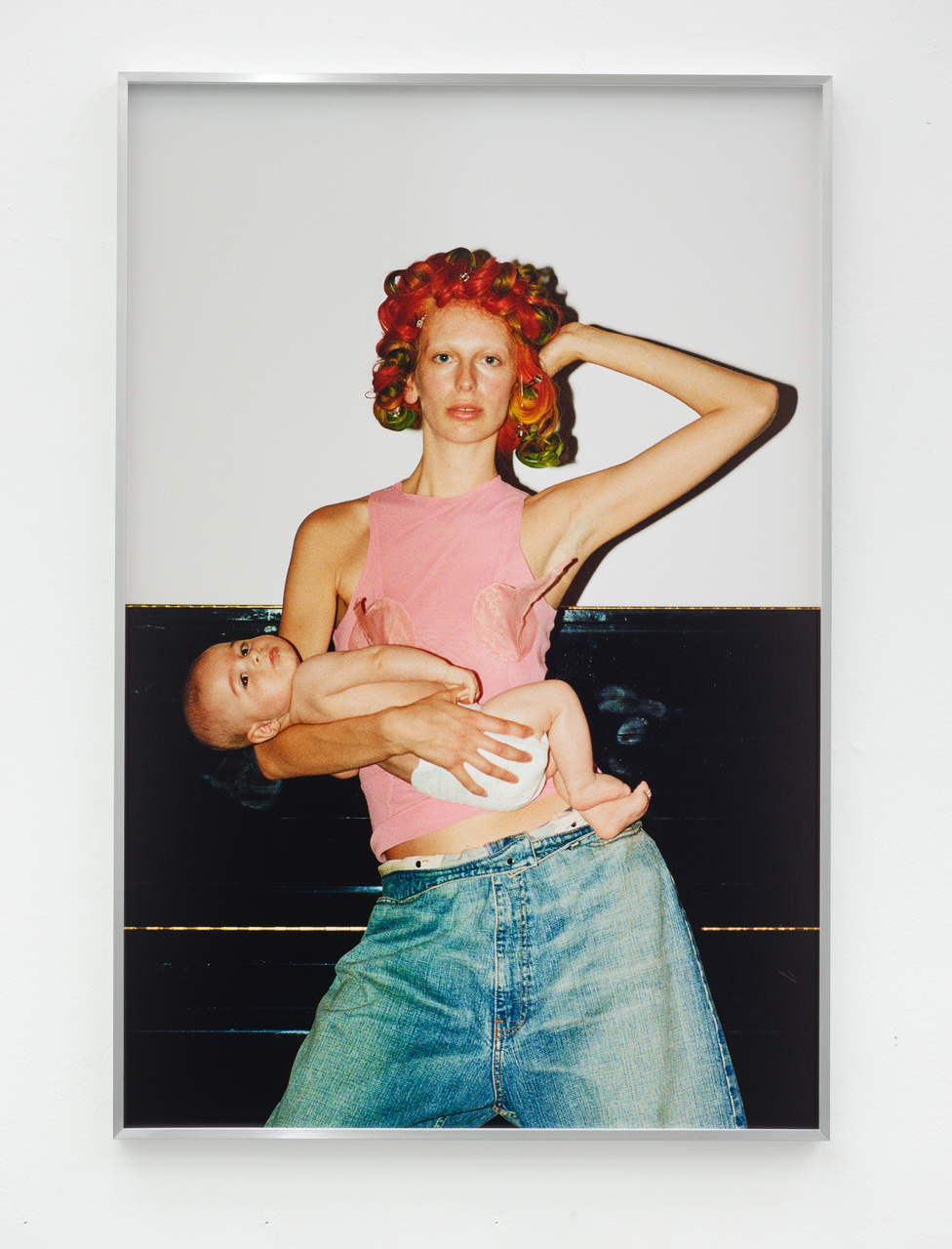
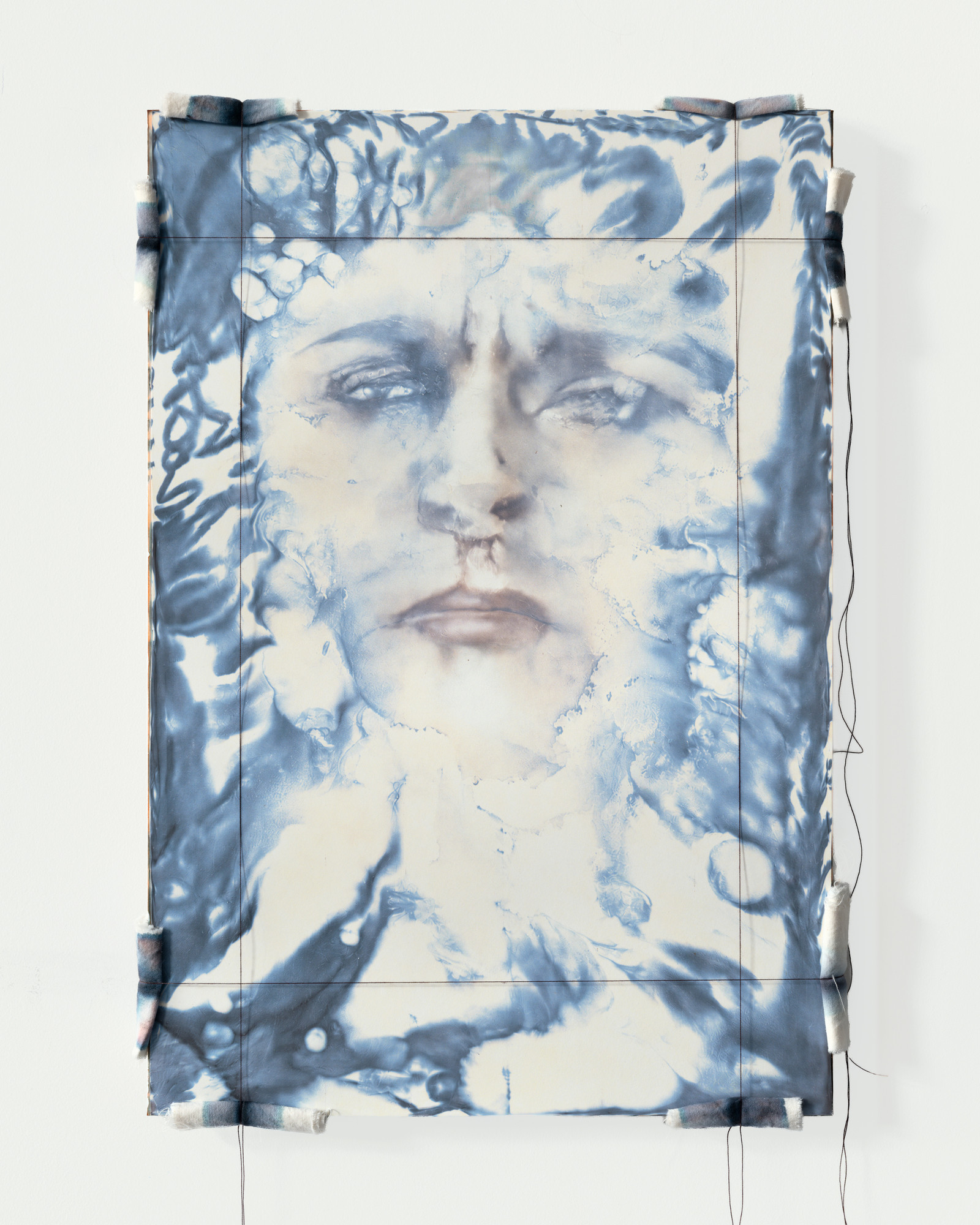
Düsseldorf-based Sies + Höke gallery has been providing a platform for international established and emerging artists for years. At this year’s Artissima, they will present their stand in the fair’s Main Section, bringing together the practices of eleven artists: Daniel Gustav Cramer, Justin de Verteuil, Marcel Dzama, Magdalena Frauenberg, Hedda Roman, Paul Hutchinson, Laurent Le Deunff, Michael van Ofen, Julius von Bismarck, Claudia Wieser and Xie Lei.
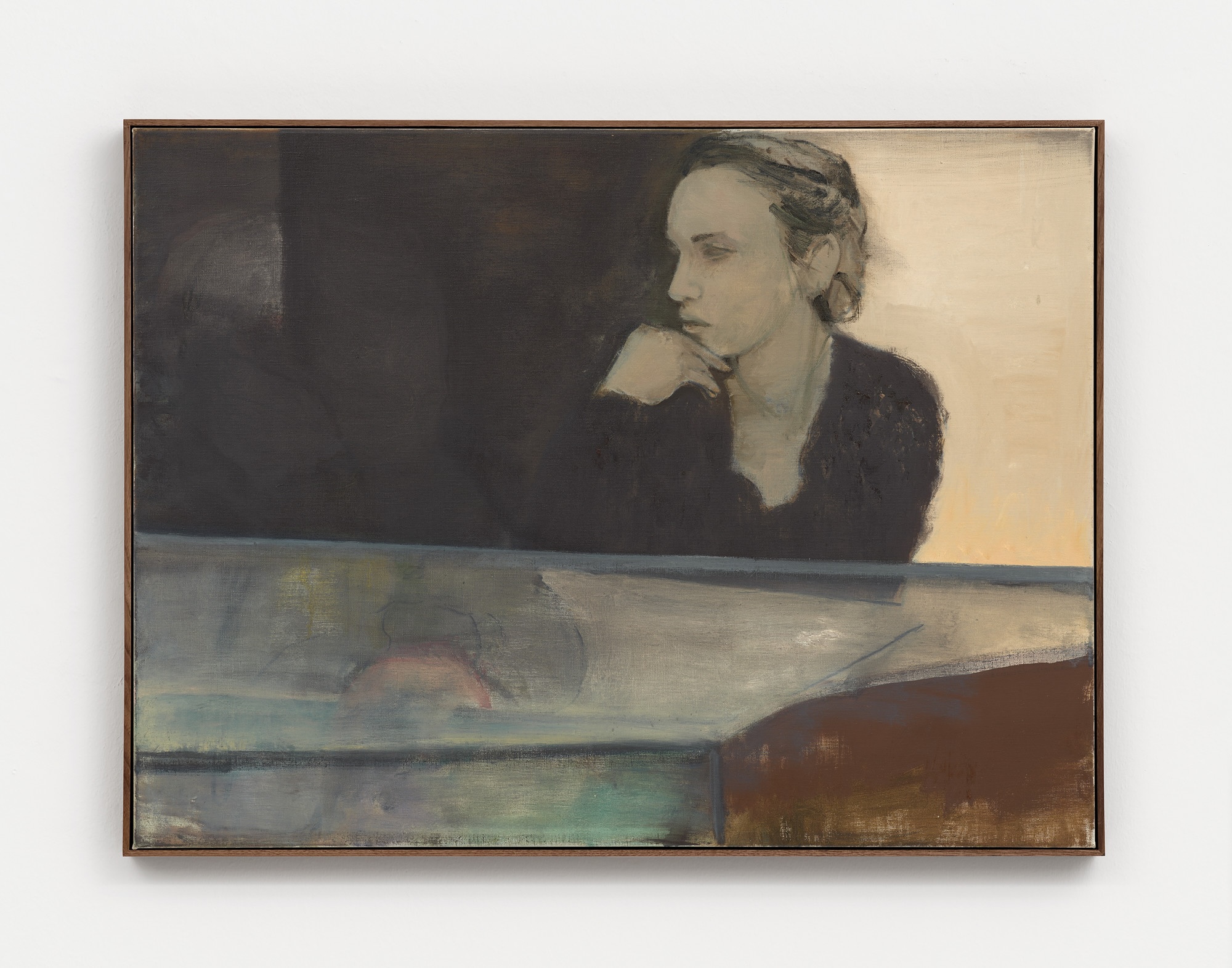
In their works, the artists touch upon the subjects of memory, fiction, abstraction and the politics of representation, each of them using their own distinct artistic language. Resonating with the fair’s theme, the presentation reflects on art’s capacity not only to mirror reality, but to envision alternative ways of seeing, relating and inhabiting the present.
SOCIÉTÉ INTERLUDIO, Turin, Italy
Focused on research and dialogue, supporting experimental projects and exchanges between artists, this Turin-based gallery can be found at two Artissima sections this year. The first stand, shared with Luisa Strina Gallery, will appear in the Monologue/Dialogue section, and the second, organised exclusively by SOCIÉTÉ INTERLUDIO, will be presented in the Main Section.
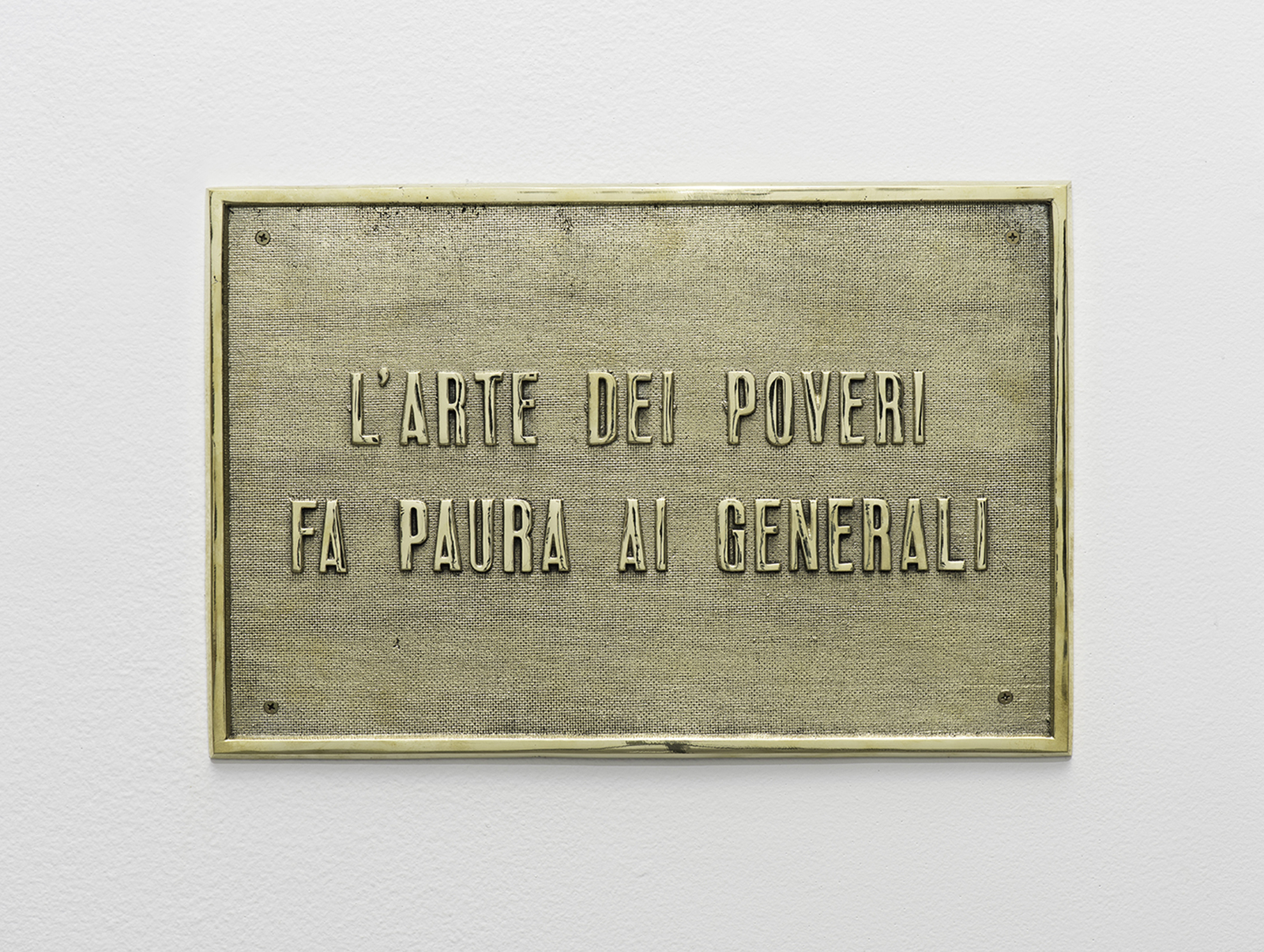
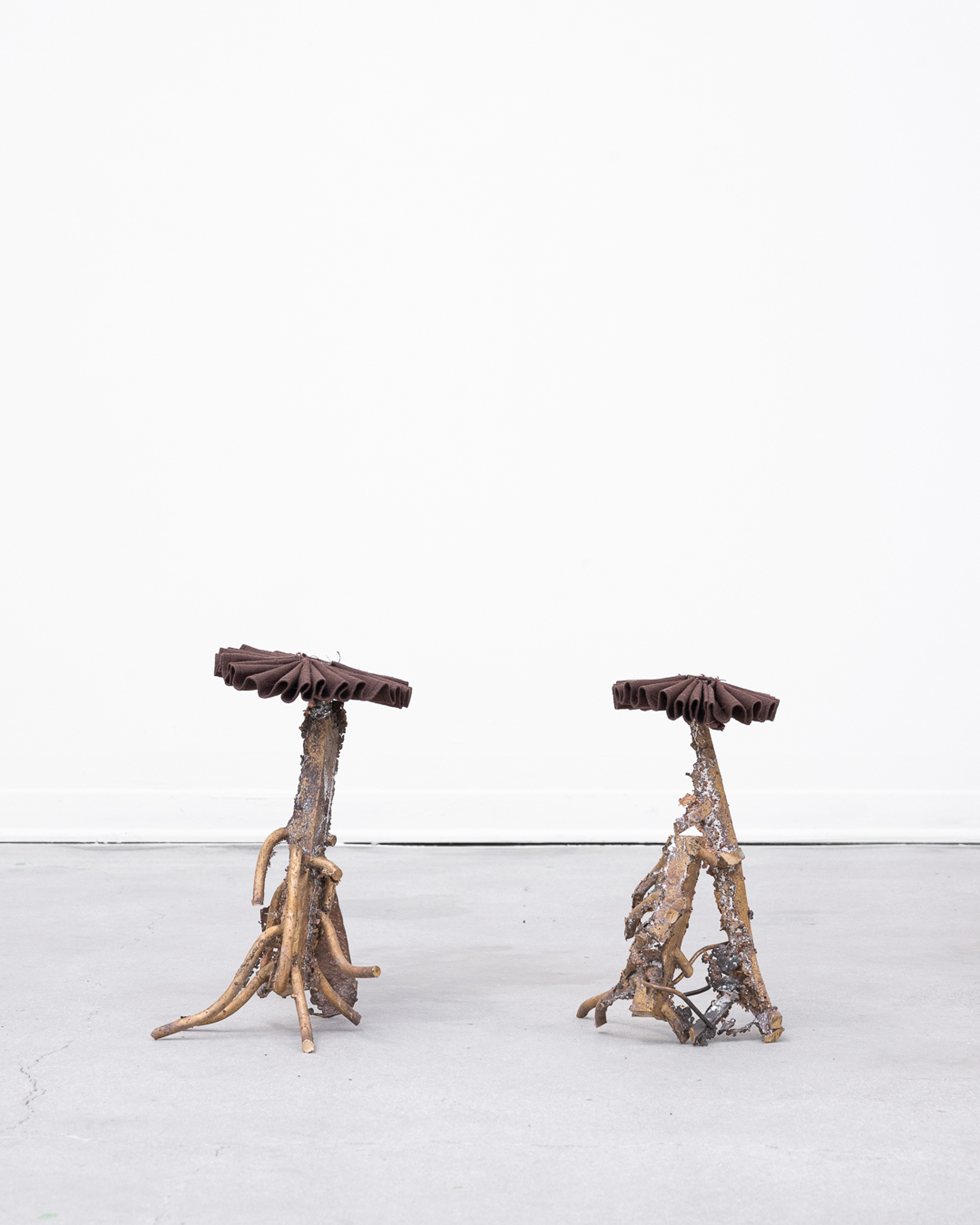
Among the artists included in this section is a multidisciplinary Norwegian artist, Ingeborg Tysse. Her contribution to the gallery’s presentation is a sculpture created from found objects. One of the central themes of Tysse’s practice is an exploration of prosthetics as extensions of body, space and time — material encounters between the organic and synthetic, the old and the new, the lost and the re-imagined.
The idea of prosthetics is just one way in which artists from SOCIÉTÉ INTERLUDIO interpreted the theme of the fair. Apart from Tysse, Gaia de Megni, Luca Federico Ferrero, Ivan Grilo, Agathe Rosa and Enrico Tealdi will showcase their works at the gallery’s stand.
IMPORT EXPORT, Warsaw, Poland & eastcontemporary, Milano, Italy
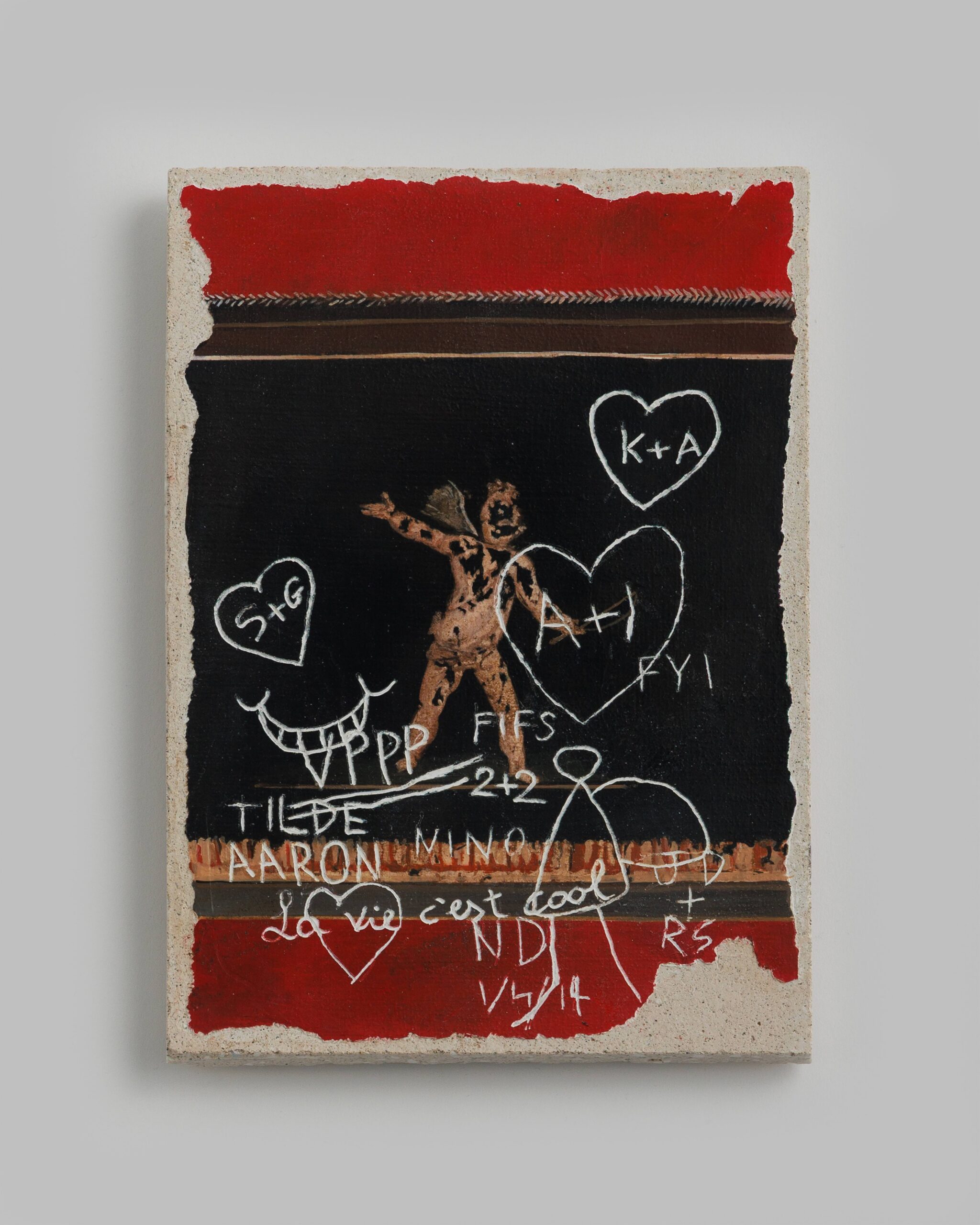
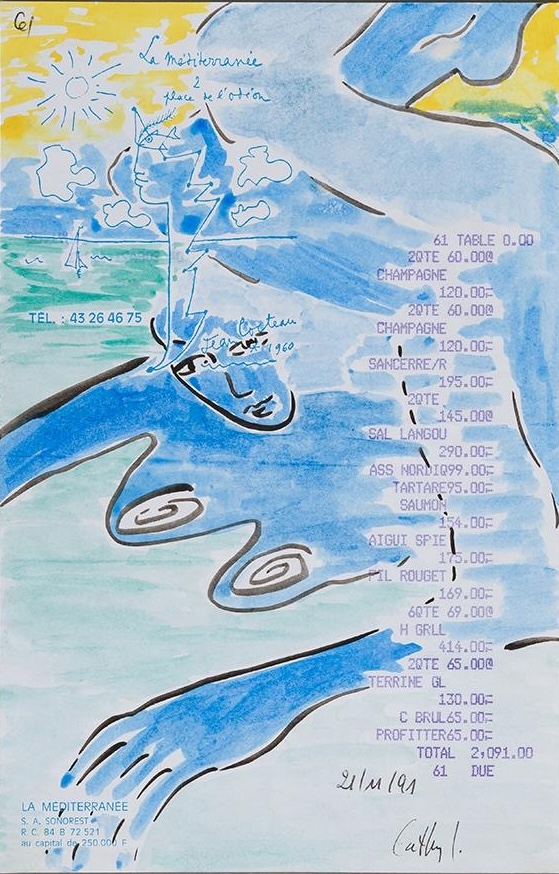
As a result of collaboration between two galleries, a solo exhibition of works by Cathy Josefowitz (1956, New York–2014, Geneva) will appear in the Back To The Future section of the fair. IMPORT EXPORT is a gallery from Warsaw, established in 2021, primarily interested in artists who expand the definitions of media and engage with political, socio-economic and environmental agendas. This year they have joined forces with eastcontemporary, a gallery focused on granting international recognition and greater visibility to artists from regions historically and culturally influenced by the former Soviet Union.
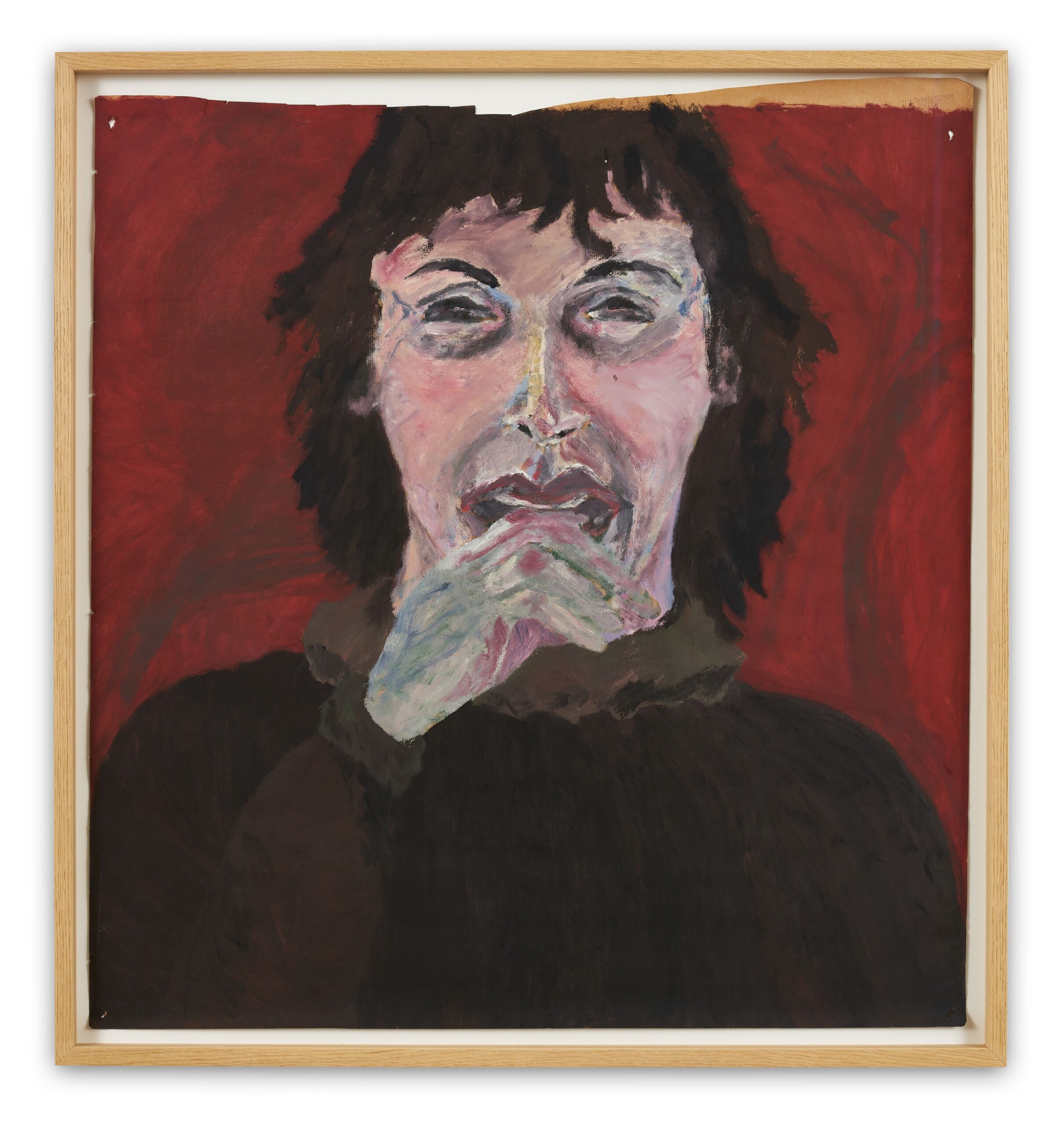
Alongside choreographing and performing, Cathy Josefowitz developed a practice that brought together drawing, painting and dance. She drew her dreams, inner images and bodily states, and began the process of painting with a dance. Similarly, in her choreographic practice she searched for a language that would combine movement, memory and painting. Josefowitz thought of the body as a repository, and understood the importance of allowing it to remember, dream, fall and desire. The booth at Artissima will present her works on paper, made using a range of media.
ATM, Gijón, Spain
Situated in Gijón, ATM gallery hosts projects that go outside the traditional exhibition format, working with residency programs and creating space for collaboration. This year the gallery will hold a stand at the Monologue/Dialogue section of the fair, conceived as a dialogue between the artists Sahatsa Jáuregui and David Martínez Suárez.
Suárez specialises in assemblage, which he treats as accumulation rather than creation — he gathers materials for their latent potential. His works are born from the anxiety of already having everything, as if collecting was a form of preparation for something yet to come. In his studio, materials wait for their moment of transformation.
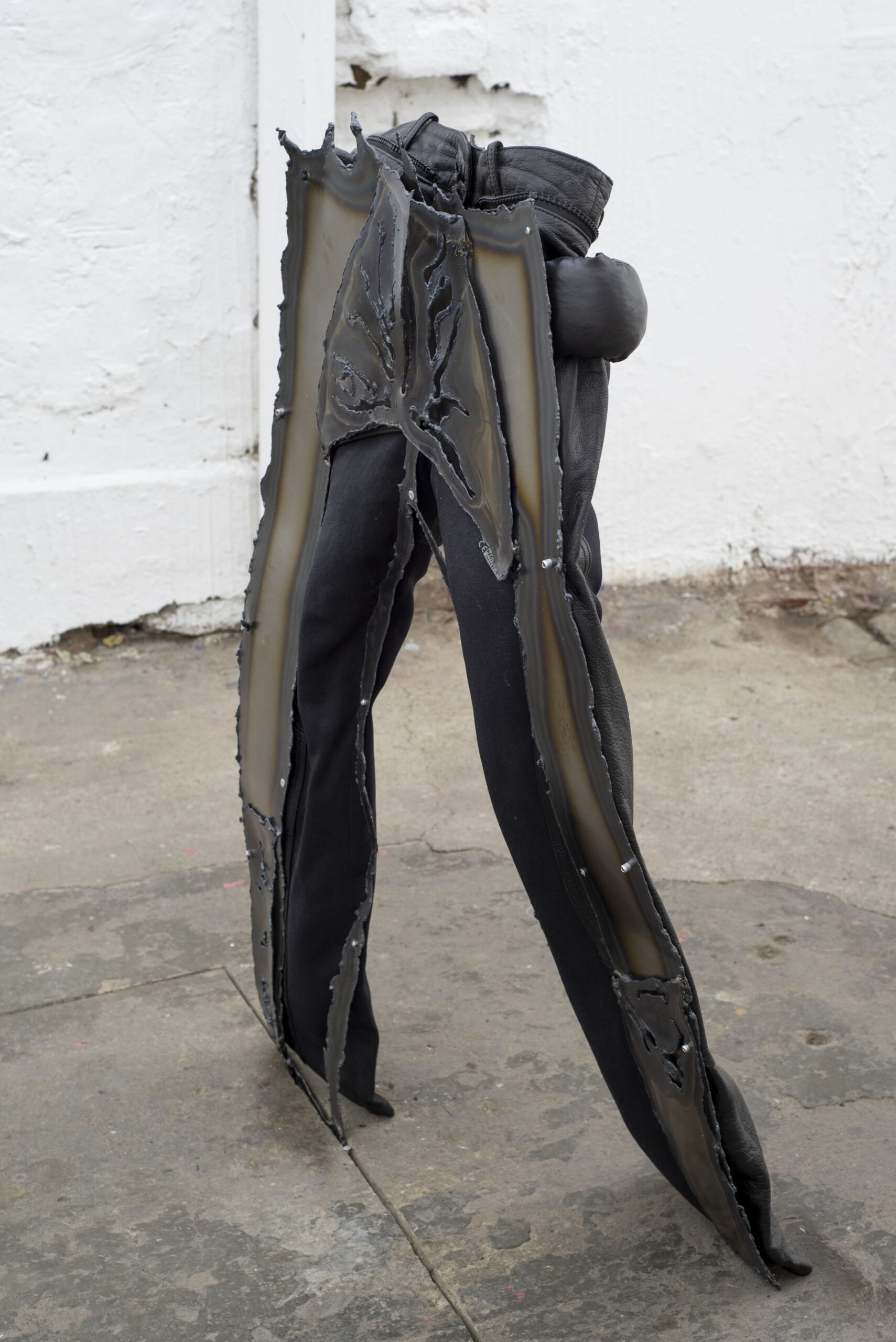
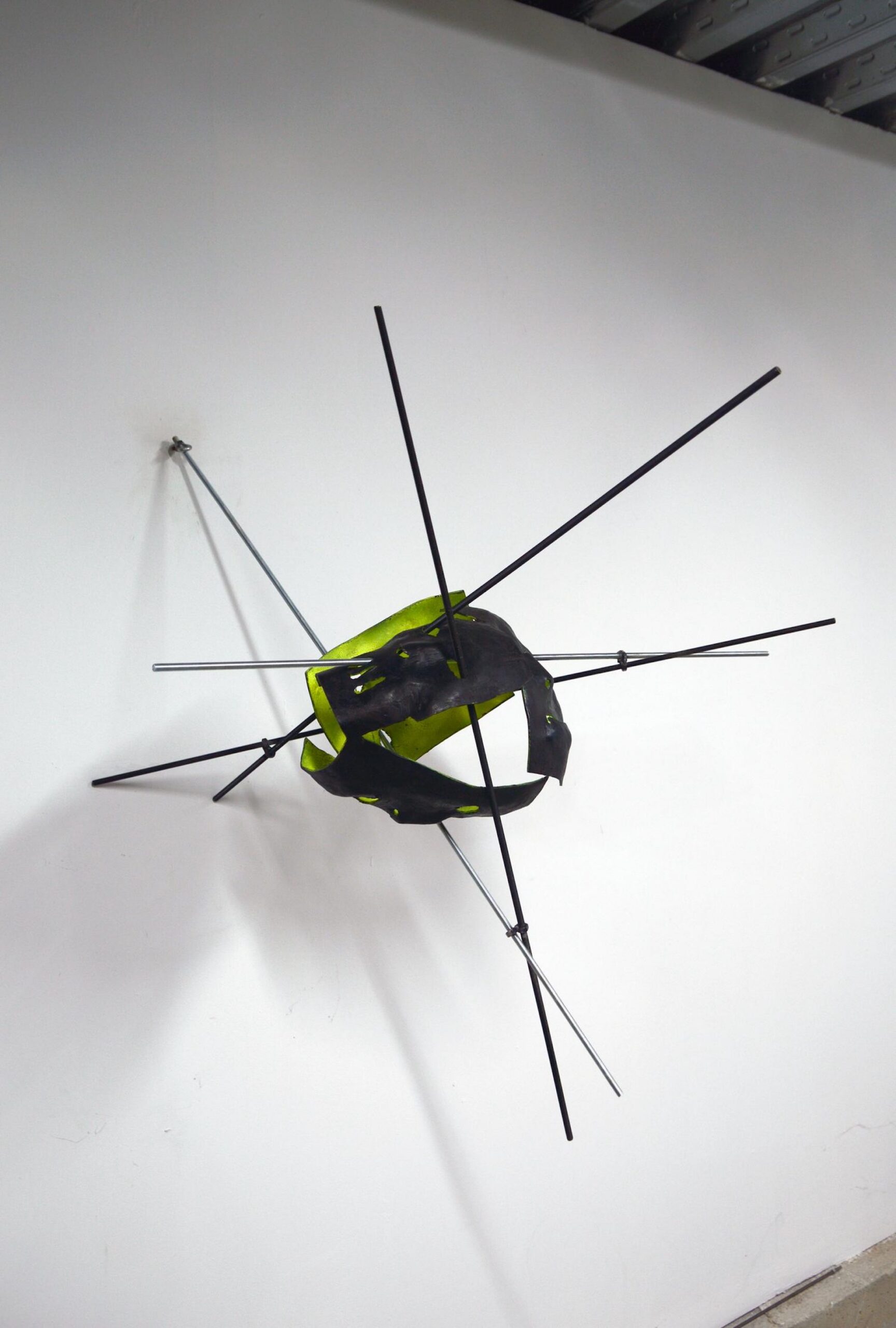
Sculptures by Sahatsa Jauregi approach the process of bringing things together from a different angle. She understands sculpture as a shared space where bodies, materials and people enter into relationship. Her artworks explore the forces that shape individual and collective bodies. In her latest works, Juregi aims to treat the sculpting process as a form of participation, collaborating with friends and people close to her.
Meno Parkas Gallery, Kaunas, Lithuania
This year, Meno Parkas Gallery will exhibit at Artissima for the seventh time. Their main focus since establishing the gallery has been to provide a platform for Lithuanian artists based both in the country and internationally. At their stand in the Main Section, they will showcase works by two established artists: Kes Zapkus and Žilvinas Landzbergas, alongside younger-generation artists: Rokas Janušonis, Mykolė Ganusauskaitė and Marta Frėjutė.
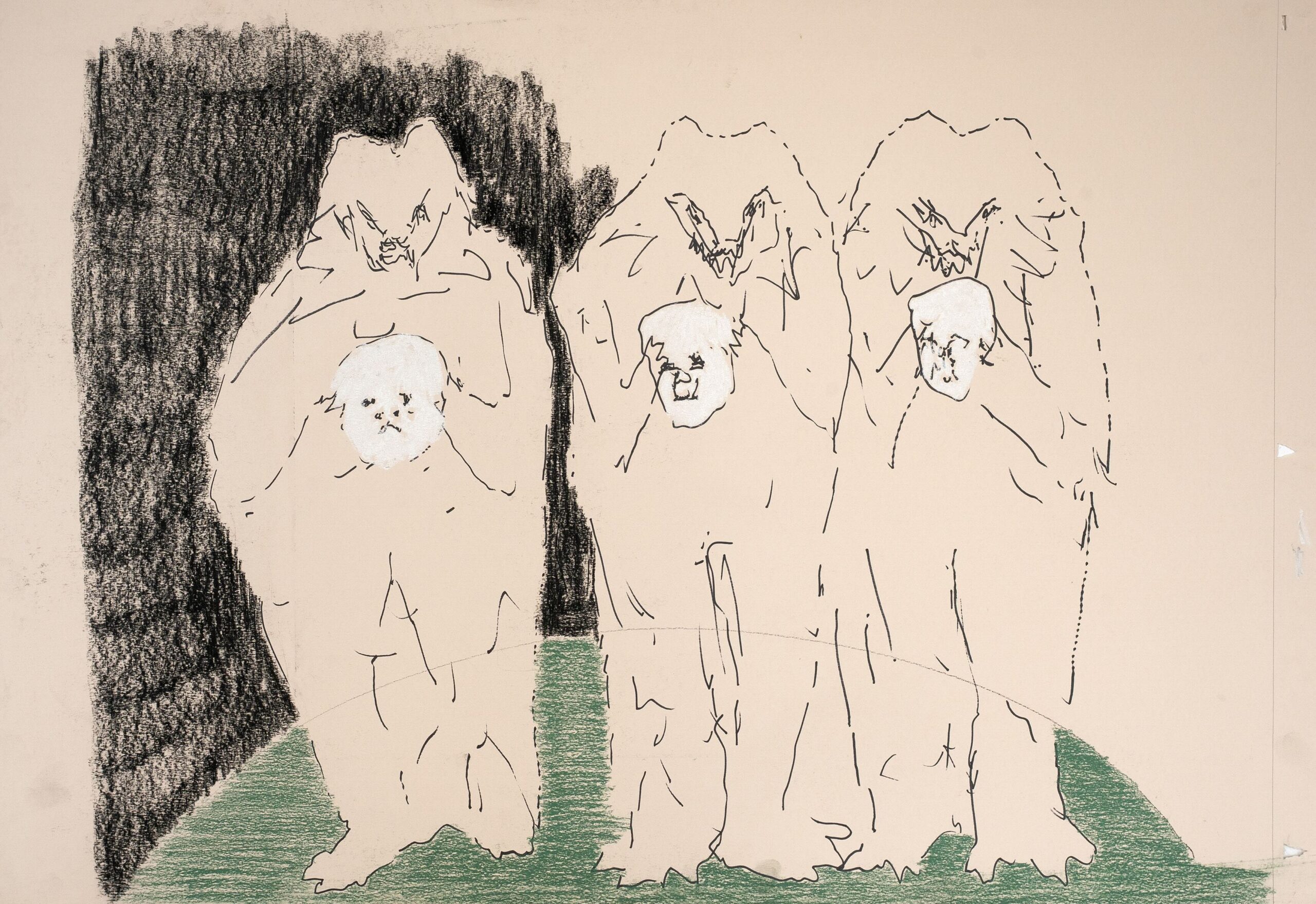

The diverse selection of works will include traditional oil paintings, a drawing on paper, an engraving on cardboard, mixed-media and clay sculptures, a neon, and an artwork created using an original technique. The artists touch upon a number of topics: politics, nature, labour and space exploration, but together their works present a coherent overview of the different approaches to the creative process among Lithuanian artists.