Photostory: Strangers Close to Home.
A History Forged in Coal and Steel of Lorraine
Until 14 February 2027, the exhibition Familiar Strangers. Many Polands at 49 Nord 6 Est – Frac Lorraine in Metz invites viewers to discover the rich diversity of Polish culture, shaped by migratory patterns and enriched by minorities.
Among the artists featured are Małgorzata Mirga-Tas, whose textile paintings draw on Roma histories and communities; Zuzanna Hertzberg, who works with the erased histories of Jewish women and artists; Jasmina Metwaly, Janek Simon, Renata Rara Kamińska and Assaf Gruber, whose works approach questions of identity, migration and memory from different perspectives. The exhibition brings these contemporary practices into dialogue with works by Ewa Partum, Natalia LL and Teresa Murak from the Frac Lorraine collection.
Familiar Strangers invites us to discover connections between Poland and the region of Lorraine. Curated by Joanna Warsza and Fanny Gonella in collaboration with Sophie Potelon, the exhibition stems from the links forged between Lorraine and Poland during the development of the mining and metallurgical industries in the 19th century. Although relations between these two spaces were already well established before industrialisation, this period left a lasting mark on the region due to the large-scale migration it ushered in. The international working-class culture that took shape during this era remains an essential component of the wider context in Lorraine, and particularly in Moselle.
Expanding beyond the labels of “Eastern” and “Western” Europe, the exhibition in Metz emphasises that nations and national identities are not set in stone – rather, they are continually formed and reshaped by their diverse communities.
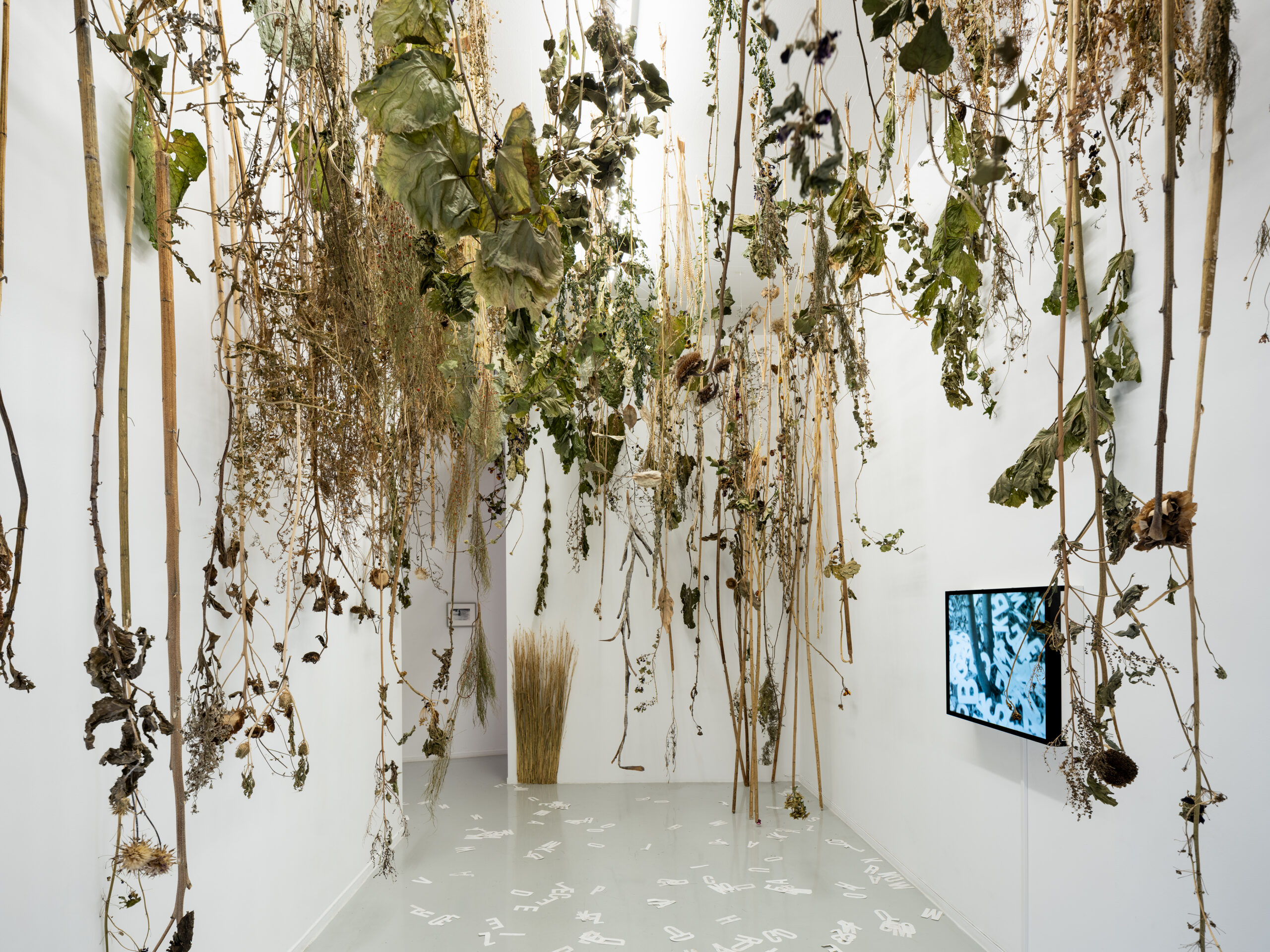
Janek Simon, Meta Folklore v0.6, 2025. View of the exhibition “Familiar Strangers. Une Pologne multiple”, 49 Nord 6 Est – Frac Lorraine, Metz, 11.09.2026–14.02.2027. Photo by Fred Dott
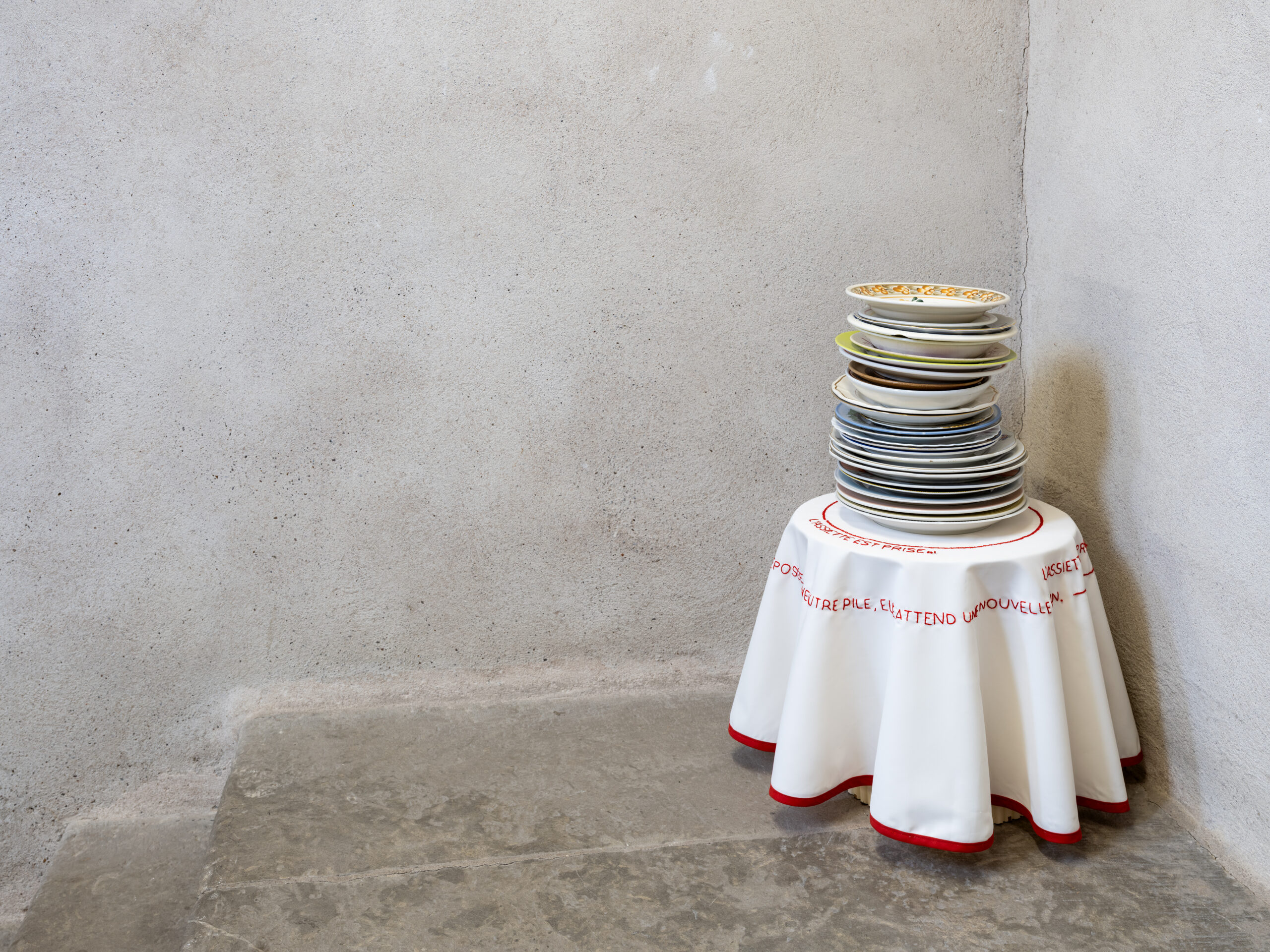
Natalia LL, Consumer Art, 1972. Collection 49 Nord 6 Est – Frac Lorraine. View of the exhibition _Familiar Strangers. Une Pologne multiple_, 49 Nord 6 Est – Frac Lorraine, Metz, 11.09.2026–14.02.2027. Photo by Fred DottOPJ Cyganek and Julie Poulain, En attendant le banquet, 2026. View of the exhibition _Familiar Strangers. Une Pologne multiple_, 49 Nord 6 Est – Frac Lorraine, Metz, 11.09.2026–14.02.2027. Photo by Fred Dott
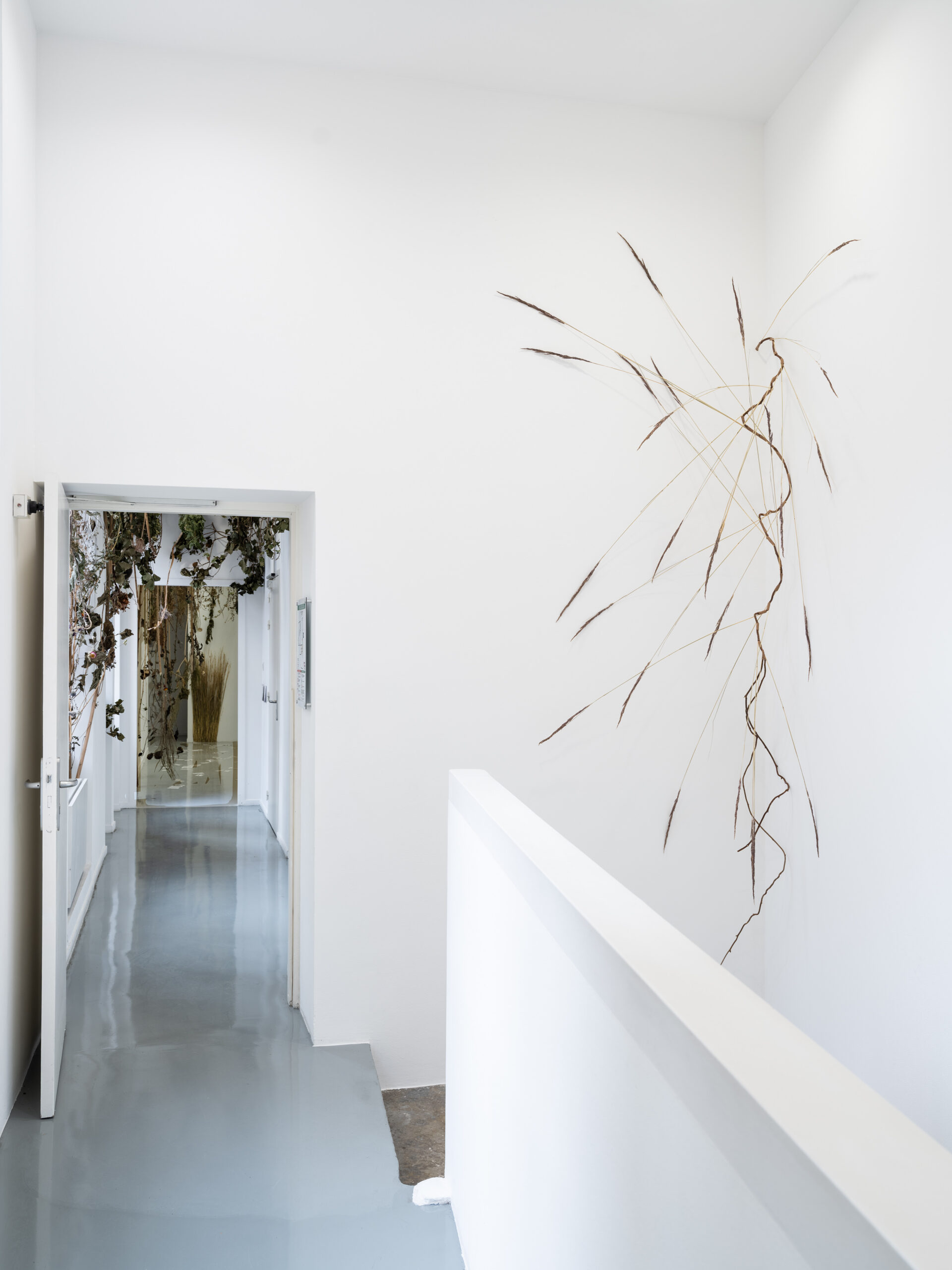
Renata Rara Kamińska, Miedza, 2026. View of the exhibition “Familiar Strangers. Une Pologne multiple”, 49 Nord 6 Est – Frac Lorraine, Metz, 11.09.2026–14.02.2027. Photo by Fred Dott.
Oliwia Bosomtwe, excerpt from “Jak biały człowiek: opowieść o Polakach i innych”, published by W.A.B., Warsaw, 2024. View of the exhibition “Familiar Strangers. Une Pologne multiple”, 49 Nord 6 Est – Frac Lorraine, Metz, 11.09.2026–14.02.2027. Photo by Fred DottEmma Dajska, Map n°11, 2010. Collection 49 Nord 6 Est – Frac Lorraine. Shadow Architecture, Open Cemetery, 2026. View of the exhibition “Familiar Strangers. Une Pologne multiple”, 49 Nord 6 Est – Frac Lorraine, Metz, 11.09.2026–14.02.2027. Photo by Fred DottNgo Van Tuong, archival documents and texts written by the artist, 1983–2026. View of the exhibition “Familiar Strangers. Une Pologne multiple”, 49 Nord 6 Est – Frac Lorraine, Metz, 11.09.2026–14.02.2027. Photo by Fred Dott
Małgorzata Mirga-Tas, Sofia Taikon, 2023. Courtesy Foksal Gallery Foundation, Warsaw. Zuzanna Hertzberg, Bird Menorah, 2023. View of the exhibition “Familiar Strangers. Une Pologne multiple”, 49 Nord 6 Est – Frac Lorraine, Metz, 11.09.2026–14.02.2027. Photo by Fred Dott
Jasmina Metwaly, Anbar. Exercises in Mimicry I–V, 2021 – in progress (costumes); Passport Control / Border Control, 2025 (video); The Helicopter Does Not Belong to the Archive, 2011 – in progress (video). Teresa Murak, The Procession, Warsaw, 1974. View of the exhibition “Familiar Strangers. Une Pologne multiple”, 49 Nord 6 Est – Frac Lorraine, Metz, 11.09.2026–14.02.2027. Photo by Fred Dott
Familiar Strangers. Une Pologne multiple
11.09.2026–14.02.2027
49 Nord 6 Est – Frac Lorraine, Metz
Organised in partnership with Adam Mickiewicz Institute, co-founded by the Polish Ministry of Culture, and supported by the Polish Institute in Paris.