






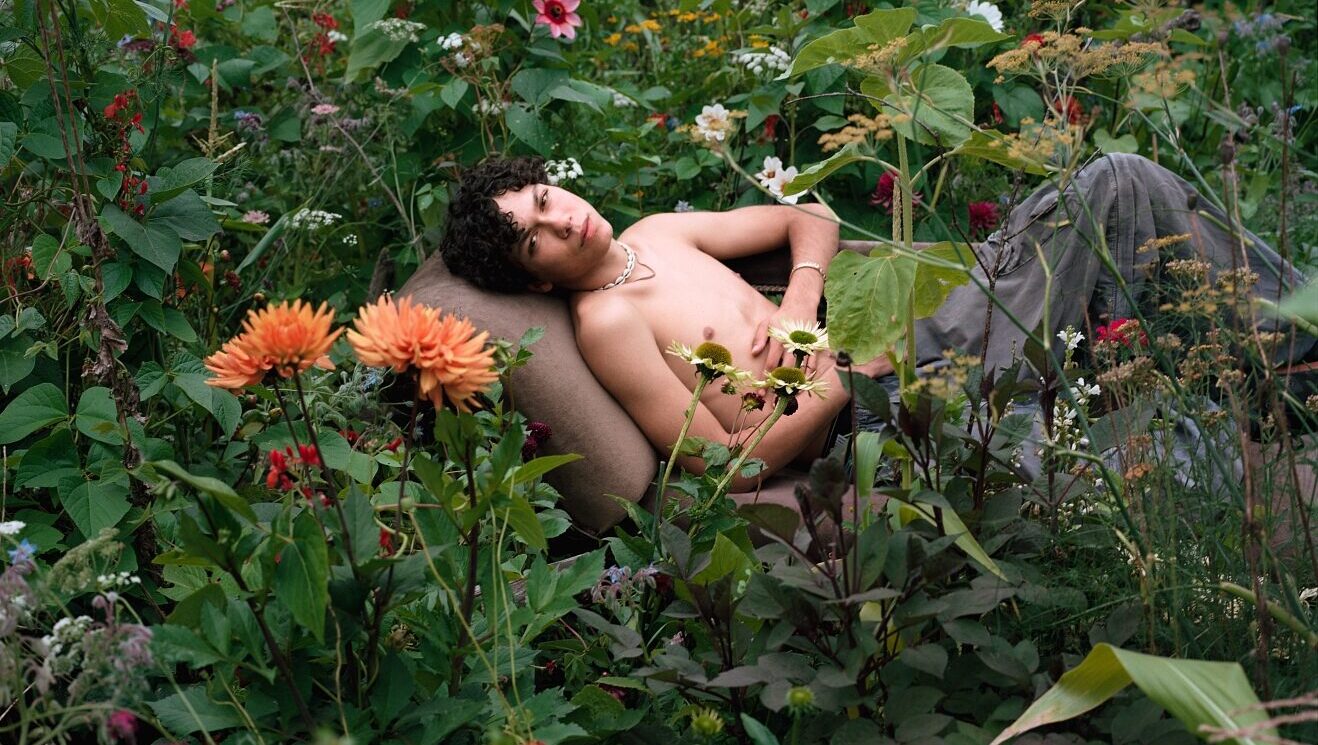
We’ve prepared something special for our readers/art community. In addition to its regular content, Contemporary Lynx Magazine produced a second exclusive digital issue, focusing on critical topics shaping contemporary culture. Here you can read our special issue dedicated to Garden and Cultivating Creativity.
From rituals of care and cultivation to ideas of growth, patience, and resilience, let us take you on an exploration of how contemporary art engages with gardens and beyond – not only as subject matter, but also as medium, metaphor, and practice. This new issue of the MINDSCAPES – a series inviting our community to explore key themes that resonate deeply across the art world – digs deep into the ways art engages with nature and helps us reconnect with ourselves, each other, and the world around us.
Through thought-provoking essays, intimate interviews, and artists’ reflections, we introduce you to a space where ideas, creativity, and critical conversations shaping contemporary culture can take root and flourish. In what ways do gardens become creative sanctuaries for the iconic artists? Julia Gorlewska dives deep into the great artist’s mind in an in-depth conversation with Magdalena Gemra, the curator of the David Hockney 25 exhibition at the Fondation Louis Vuitton. Aleksandra Pytel explores the duality of Derek Jarman’s life and work while walking us around the iconic grounds of Prospect Cottage. A similar walk takes place on the other side of the world in Alicja Głuszek’s portrait of a profound relationship between Frida Kahlo and her garden.
How can the garden become a space of resistance, memory, and reclamation? Gardens become more of a dual space for both poetic contradiction and cultivation as an act of resistance in the essay by Joanna Pottle. For Sonia Witak, growing plants is also a way to re-inhabit new spaces for those living in exile. “Acts of planting, pruning, naming, and preserving carry political intent”, says Jagoda Witkowska in her conversation with Gabriella Hirst, exploring how gardens in her work emerge as charged, cultivated spaces. Maggie Kuzan introduces us to the idea of ecofeminism, where those outcasted by patriarchal culture and societal norms retake the soil, the earth, the mud, the space. Klara Bender explores Prune Nourry’s Mater Earth, drawing together ritual and ecology where the maternal body is the garden – a porous and cyclical ecosystem. The garden is also more of a contested ground for intersecting memory and power in the piece by Berenika Balcer, exploring such a theme in films. While Rosana Lukauskaitė wanders around a cultural garden in search of metaphorical Eden in her profoundly personal and poetic essay.
Also, this time, as part of our Artist in Focus series, we introduce you to not one but three artists. Lucia Monge weaves the calm of flora with the dynamic cadence of the body. Forming their own ecosystems, Eike Eplik’sart is deeply intrigued by the complicated relationship between biodiversity and humankind. The Akyute duo(Magdalena Hart and Natalia Gima) root their practice in reestablishing the connection between people and nature with the idea that interaction is organic and dynamic, while communication is fluid.
But “what do we do in gardens?” is the question asked by Grażyna Siedlecka, who presents photographers who often use a garden as a backdrop for their narratives, welcoming us into their rich worlds of perception and observation. Meanwhile, Patrycja Poznańska sat down with artists and those working in the art and culture industry and asked the questions to help us all find patience and peace of mind when walking the winding creative path.
So how can gardens help us reimagine art as a space for growth, connection, and care? At Contemporary Lynx, we see art as more than a visual expression but a living practice that cultivates meaning, nurtures dialogue, and reconnects us with the natural world. Whether you’re drawn to ideas of place, ritual, or renewal, we hope this series resonates deeply, inviting you to celebrate the artistic potential of gardens as living canvases and to explore your own inner landscapes through the lens of nature and imagination.